
Custom Apparel Embroidery for Production-Ready Streetwear
Develop custom apparel embroidery from approved samples to packed bulk goods, with a 100-piece-per-style MOQ and one accountable China manufacturing partner.
Featured Products for custom apparel embroidery Development




Custom Apparel Embroidery Advantages
Engineered for branded menswear and streetwear programs, from approved artwork through consistent bulk production.
Dimensional Logo Texture
Flat, 3D, chenille, and applique options add tactile depth while matching the garment’s intended structure, placement, and brand direction.
Durable Thread Color
Thread selections are reviewed against fabric color, artwork detail, and wash direction to help logos retain clear, consistent visual impact.
Premium Logo Placement
Production-ready placement specifications support balanced chest, sleeve, back, cap, and patch applications across graded apparel size runs.
Multi-Material Decoration
Combine embroidery with patches, applique, printing, silicone details, or labels to build layered private-label garments with a considered finish.
Controlled Stitch Density
Density and underlay are tested to achieve clean artwork while managing puckering, fabric distortion, garment drape, and production repeatability.
Built for Branded Programs
From 100 pieces per style, VeeWen coordinates sampling, bulk embroidery, quality checks, labeling, packaging, and shipment for complete collections.
Explore Embroidery, Appliqué & Patches
Continue to every direct child page in this Studio architecture section.

Chenille Varsity Jacket Manufacturer
Chenille varsity jacket manufacturer with 100-piece-per-style MOQ and approved samples for consistent patches, appliqué, and fit. Request a custom quote.
Explore Category
Custom Applique Denim Jackets Wholesale Supplier
Custom applique denim jackets wholesale supplier with a 100-piece MOQ and durable stitched panels for private-label drops. Request a production quote today.
Explore CategoryCustom Hoodie Embroidery
Custom hoodie embroidery from 100 pieces per style, with density tested to preserve hoodie drape and durable stitch definition. Request a custom quote.
Explore Category
Applique Varsity Jackets Wholesale Supplier
Choose an applique varsity jackets wholesale supplier with a 100-piece MOQ for durable layered jackets and private-label builds. Request a quote.
Explore Category
Wholesale Polo Shirts with Embroidery
Wholesale polo shirts with embroidery from a 100-piece-per-style MOQ, with private-label trims and approved samples before bulk production. Request a quote.
Explore CategoryCustom Sweater Embroidery
Custom sweater embroidery from 100 pieces per style, with density and placement tested on approved samples for consistent drape. Request a quote today.
Explore Category
Custom Embroidery Shirts
Custom embroidery shirts from a 100-piece-per-style MOQ, with density-tested stitch files and private-label finishing. Request a custom quote today.
Explore Category
Custom Jacket Embroidery
Custom jacket embroidery from a 100-piece MOQ, with density and placement approved during sampling. Build bulk-ready jackets—request a quote today.
Explore CategoryWhy Brands Choose VeeWen for Custom Apparel Embroidery
Founded in Dongguan in 2016 by ChangKeng Luo, VeeWen helps menswear and streetwear brands turn embroidery concepts into production-ready collections. We combine OEM manufacturing, ODM development, private-label execution and cut-and-sew expertise so buyers can move from an artwork file, reference sample or initial idea to a clear garment specification.
Our integrated workflow covers fabric sourcing, pattern development, sampling, fit review, embroidery testing, bulk production, quality checks and branded packaging. With a standard 100-piece-per-style MOQ, emerging labels can launch focused embroidered drops while established buyers can build repeatable programs across T-shirts, hoodies, jackets, caps and coordinated apparel.
VeeWen works differently by making production decisions visible before bulk begins. We discuss how stitch density can affect drape, how backing supports different fabrics and how embroidery placement performs on an actual fit block. Approved samples and documented checkpoints keep every custom apparel embroidery program aligned from development through packed goods.

Custom Apparel Embroidery Methods, Explained
Flat Embroidery With Clean Coverage
Flat embroidery delivers crisp logos, line art and small chest details with controlled thread coverage. VeeWen matches stitch density, backing and thread direction to the fabric so the finished decoration stays defined without making lightweight garments feel overly rigid.
- Best for logos, lettering and detailed outlines
- Density adjusted for fabric weight and artwork scale
- Backing selected to support shape and minimize distortion
- Well suited to tees, polos, hoodies, caps and uniforms

3D Embroidery With Structured Dimension
3D puff embroidery creates raised marks that read clearly at a distance, particularly on caps, heavyweight fleece and streetwear outer layers. Artwork needs simplified shapes and adequate spacing; excessive density or fine detail can reduce the clean, elevated effect.
- Foam support creates a raised, tactile finish
- Strong option for bold monograms and simplified icons
- Requires sufficient stitch width and spacing
- Recommended for caps, hoodies, varsity jackets and workwear
Chenille for Statement Texture
Chenille brings a plush, heritage-inspired surface to varsity graphics, collegiate lettering and premium patches. Because it has more visual and physical volume than standard stitching, VeeWen reviews garment weight, placement and edge construction before sampling to protect drape and durability.
- Soft looped texture for varsity and retro programs
- Works well on fleece, jackets and heavyweight sweatshirts
- Placement planning helps maintain garment balance
- Can combine with felt, twill or embroidery outlines

Patches Built for Brand Flexibility
Embroidered, woven, chenille and applique patches give custom apparel embroidery programs a flexible branded finish. VeeWen evaluates patch size, border style, attachment method and placement against the garment construction, then confirms the result on a production sample before bulk approval.
- Choose sewn-on, heat-applied or applique construction
- Merrowed, satin or laser-cut edges to suit the design
- Useful for sleeves, chest panels, caps and bags
- Private-label placement confirmed during sample review
Custom Apparel Embroidery: VeeWen vs. Typical Suppliers
Production-minded embroidery development, approved samples and accountable bulk checkpoints for private-label apparel programs.
← Swipe left or right to view →
Custom Apparel Embroidery Production Process
A production-minded workflow that confirms stitch quality, garment performance and private-label details before bulk goods move to packing.
Review Artwork and Digitize
We assess artwork, placement, stitch detail and garment fabric, then create or refine digitizing files suited to the intended embroidery result.
Select Thread and Backing
Thread type, colors, stabilizer and backing are matched to fabric weight, stretch and design density to protect drape and registration.
Approve Strike-Off Sample
A strike-off confirms stitch coverage, color, texture and placement. Buyers review the sample before bulk settings and production specifications are locked.
Set Up Production Machines
Approved files are loaded, hoops and tensions are calibrated, and operators verify placement guides to keep repeat embroidery consistent across the run.
Embroider, Finish and Inspect
Garments are embroidered, trimmed and cleaned, then checked for stitch defects, puckering, loose threads, placement accuracy and overall presentation.
Pack Approved Bulk Goods
Passed goods receive agreed labels, hangtags, polybags and packing details, with final quality checks completed before shipment coordination begins.
Start Your Custom Apparel Embroidery Program
Send the details, approve the stitched sample, and move into controlled bulk production with one accountable manufacturing partner.
Send Artwork and Specifications
Share vector artwork, garment style, fabric, colorways, size range, placement files, and target quantities. VeeWen reviews stitchability, density, dimensions, and production requirements.
Confirm Quote and Direction
Review a clear quotation covering garment construction, embroidery method, trims, labels, sampling, and packaging. Confirm specifications before digitizing artwork and scheduling development.
Approve the Digitized Sample
VeeWen creates embroidery files and a physical sample for fit, placement, thread color, coverage, and drape review. Approve revisions before bulk production begins.
Produce and Inspect Bulk Goods
After pre-production confirmation, VeeWen coordinates fabric, cut-and-sew work, embroidery, in-line inspection, final quality checks, private-label packing, and shipment preparation.
Coordinate Shipment and Reorders
Receive packed goods with shipment coordination for your destination. Approved specifications stay documented, helping your brand plan consistent embroidery reorders from the 100-piece-per-style MOQ.
Custom Apparel Embroidery Results Our Buyers Rely On
VeeWen digitized our crest from a small reference file and corrected the fine lines before sampling. After two revisions, the approved chest embroidery held its shape across 1,200 heavyweight hoodies without pulling the fabric.
The team explained why our original stitch count would make the polo front too stiff, then adjusted the density and backing. Our 600-piece corporate order arrived with consistent logo coverage and passed our wash-test requirement.
We needed 3D embroidery for a 100-piece cap launch and flat embroidery for matching jackets. The pre-production samples matched our approved artwork, and bulk goods shipped on schedule for our campaign date.
Custom Apparel Embroidery FAQ for B2B Buyers
Practical answers on materials, techniques, sampling, artwork and production planning for branded apparel programs.
What fabrics work best for custom apparel embroidery?
Should I choose flat or 3D custom apparel embroidery for my design?
Can you produce chenille patches and embroidered patches for apparel?
What is the maximum size for custom apparel embroidery?
What is the MOQ for custom apparel embroidery orders?
Can I order a sample before bulk custom apparel embroidery production?
How long does custom apparel embroidery production take?
What artwork files do I need for an embroidery quote?
The Complete Buyer’s Guide to custom apparel embroidery
Use this practical framework to select embroidery methods, materials, and a capable China supplier, compare quality and cost factors, and avoid production mistakes before launching private-label apparel.
1. What Is custom apparel embroidery?
3,000–8,000 stitches is a common range for a small chest logo: custom apparel embroidery uses thread sewn into the garment rather than ink deposited on its surface. It suits private-label polos, hoodies, caps, uniforms and jackets when buyers need durable logos, monograms, appliqué patches or raised 3D effects.
At a 100-piece MOQ, embroidery earns its higher unit cost when tactile finish, longevity and a premium hand feel support the retail position. Unlike printing, dense stitching can stiffen lightweight jersey; match placement and stitch count to the fabric, and use it where perceived value exceeds the added decoration cost.
2. The Evolution of Embroidered Apparel
19th-century workwear and military uniforms used hand embroidery and woven insignia to identify rank, trade, and affiliation. The process was slow, skill-dependent, and best suited to small, high-value runs.
1970s computerized embroidery introduced digitized stitch files, allowing artwork to be repeated with controlled stitch paths, color changes, and placement. Multi-head machines then made consistent logo production practical across hundreds of garments.
100-piece MOQ programs now let private-label buyers source detailed branded embroidery without committing to traditional factory-scale volumes. Craftsmanship still matters: clean digitizing, suitable stabilizer, thread tension, and approved samples prevent puckering, thread breaks, and distorted logos.
3. Types of custom apparel embroidery
Six embroidery routes create distinctly different logo character. Match stitch height, texture, and attachment method to the garment’s weight before approving a sample.
Flat And 3D Puff
Flat embroidery suits polos, tees, and lighter fleece; fine lettering remains most legible. 3D puff gives caps and heavyweight hoodies raised dimension, but tiny detail and tight curves can collapse.
Appliqué And Chenille

Appliqué layers fabric for varsity jackets and sweatshirts, reducing dense stitch coverage. Chenille delivers a soft collegiate texture, yet broad shapes work better than intricate logos and need careful edge securing.
Patches And Specialty Thread
Embroidered patches allow clean placement on denim, workwear, and outerwear; merrowed or heat-sealed edges affect attachment and cost. Metallic thread adds shine, but runs slower and can snag, so reserve it for bold accents.
4. custom apparel embroidery Materials and Fabrics
180–320 GSM fabric usually holds stitches better than lightweight jersey. Composition, stretch, surface pile, and backing determine whether custom apparel embroidery stays smooth after wear and washing.
| Fabric | Best Approach | Main Risk |
|---|---|---|
| Cotton jersey | Light-density flat stitch; cutaway | Puckering |
| Fleece/French terry | Flat embroidery; stabilize pile | Sinking stitches |
| Twill/denim | Dense logo; tearaway | Needle marks |
| Nylon/polyester | Light design; cutaway | Pulls, heat damage |
| Caps | Cap-frame front logo | Seam distortion |
Knits And Pile

200 GSM cotton jersey needs cutaway backing and reduced density to limit puckering.
280–360 GSM fleece and French terry accept flat embroidery; keep stitches off bulky seams.
Wovens And Synthetics
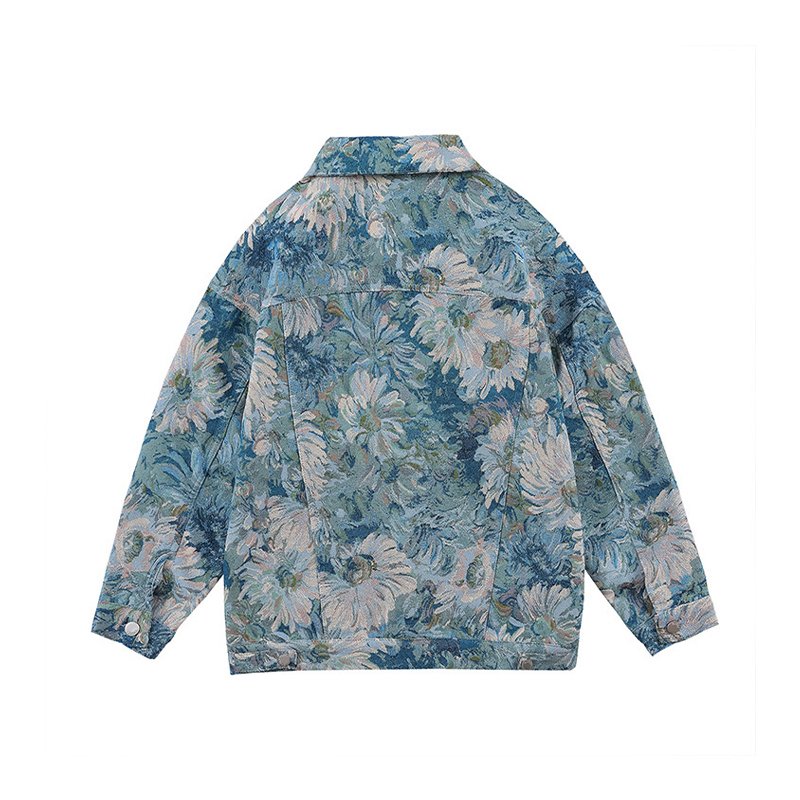
Twill and denim support dense logos with tearaway backing, but needle marks can remain.
Nylon and polyester need sharp needles, low heat, and cutaway backing to prevent pulls or distortion.
Cap Placement

6-panel caps require cap-frame digitizing and center-out sewing. Front seams, stiff buckram, and curved panels make small text unreliable.
5. custom apparel embroidery Customization Options
Three decisions—color, stitch construction, and placement—make a logo production-ready. VeeWen can test them on the approved sample before a 100-piece style moves into bulk.
| Decoration | Best Use | Watchpoint |
|---|---|---|
| Flat embroidery | Streetwear tees | Dense small text |
| Twill patch | Teamwear outerwear | Edge finish |
| Woven label | Neck branding | Small lettering |
Thread Color And Artwork

Pantone references guide thread selection, but thread sheen and dark garments shift perception. Limit tiny color breaks; simplify complex art before digitizing.
Stitch Construction

Fill stitches suit bold streetwear marks; satin borders define small uniform logos. Lower density protects lightweight jersey from puckering.
Placement And Branding

Left chest stays practical for uniforms; oversized back crests suit teamwear. Woven labels, twill patches, or screen-print outlines create mixed-media depth.
6. Quality Elements in Embroidered Garments
100-piece programs still require the same disciplined sample approval as larger runs. Premium custom apparel embroidery is judged by stitch clarity, garment stability, and a reverse side that remains comfortable after laundering.
Digitizing And Registration
2 sample checks reveal whether digitizing follows the artwork: satin edges should be clean, fills even, and small lettering legible.
1 hooping check confirms accurate placement and registration; balanced top and bobbin tension prevents loops, puckering, and thread breaks.
Backing, Coverage And Wash Tests
40°C wash testing should confirm stable backing, secure trims, and thread coverage without distortion or color loss.
3 graded sizes should be inspected against approved placement measurements, while the inside is checked for trimmed tails and non-abrasive backing.
7. Choosing a custom apparel embroidery Manufacturer
A reliable manufacturer proves execution before quoting. For custom apparel embroidery, evaluate the development path, not only the machine list: approved artwork, materials, samples, inspections, and shipment dates must connect.
Verify Production Capability
Ask for machine types, head count, hoop sizes, and daily scheduling logic. Request comparable flat, 3D, patch, and applique samples on the intended fabric weight; density must not pucker or distort drape.
Test Development Discipline
Request a digitized stitch file, sew-out, and pre-production sample with Pantone thread references. Confirm who revises artwork, how strike-offs are approved, and whether trims, backing, labels, and packaging can be sourced together.
Check Commercial Controls
A 100-piece style MOQ can suit a focused launch, but ask for graded-size allocation and reorder rules. Obtain written lead times, in-line and final inspection checkpoints, export-market experience, and applicable OEKO-TEX, GOTS, WRAP, or BSCI documentation where required.
8. Common custom apparel embroidery Buying Mistakes
At bulk approval, seven preventable details cause most embroidery disputes. Lock artwork, stitch plan, fabric response, placement, sample, color, backing, and price scope before production.
Artwork And Density
100% vector artwork prevents redraw ambiguity. Excessive stitch density stiffens garments; approve a digitized stitch-out.
Fabric And Backing
180 GSM jersey can pucker under dense fills. Test the intended fabric with suitable backing before bulk approval.
Sample And Placement
3–5 mm placement variance is normal between garments. Review a measured sample after washing, not only a quick photo approval.
Price And Thread
Pantone thread shades vary by supplier and backing affects comfort. Confirm thread chart, backing type, and quote inclusions before selecting solely on price.
9. Steps to Launch an Embroidered Apparel Line
100-piece MOQs let brands validate one embroidered style before widening a collection. Sequence approvals from artwork through pre-production; late changes to placement, thread count, or fabric can disturb dates and costs.
Build The Production Brief
Two files—a vector logo and measurement tech pack—should define Pantone colors, placement, dimensions, stitch type, fabric, labels, and packing. Choose flat, 3D, chenille, or applique before digitizing.
Approve Digitizing And Samples
One digitized proof should show stitch direction, density, color sequence, and backing. Review a sewn sample for puckering, drape, placement, and wash response; revise before bulk.
Lock Bulk And Delivery
One signed pre-production sample locks grading, trims, embroidery, labels, and packaging. During bulk, use in-line and final checks, then confirm carton marks, balance payment, and shipment schedule.
10. custom apparel embroidery Pricing and Cost
100-piece programs carry the highest unit cost because digitizing, sampling, and machine setup are spread across fewer garments. Quote embroidery by approved stitch count and placements, not logo size alone.
2–5 thread colors rarely change cost as much as dense fills, 3D foam, patches, heavy fleece, custom packaging, sampling, or air freight. Confirm fabric, backing, fold method, and shipping terms before comparing quotes.
| Quantity tier | Unit-price direction | Digitizing/setup | Lead-time implication |
|---|---|---|---|
| 100–199 | Highest | One-time, per design | Sampling plus bulk window |
| 200–499 | Lower | Same fee spread wider | Better production scheduling |
| 500–999 | Lower again | Usually unchanged | Efficient machine allocation |
| 1,000+ | Best scale | Amortized across volume | Confirm capacity and shipment split |
Start Your Custom Apparel Embroidery Quote
Send your logo artwork, garment style, placement, quantity, and target delivery date for a production-minded quote or sample discussion.