
Wholesale Tshirt Printing for Production-Ready Brand Drops
Launch custom printed tees with a 100-piece-per-style MOQ, sampling, private labeling, and quality-checked bulk production for global menswear and streetwear brands.
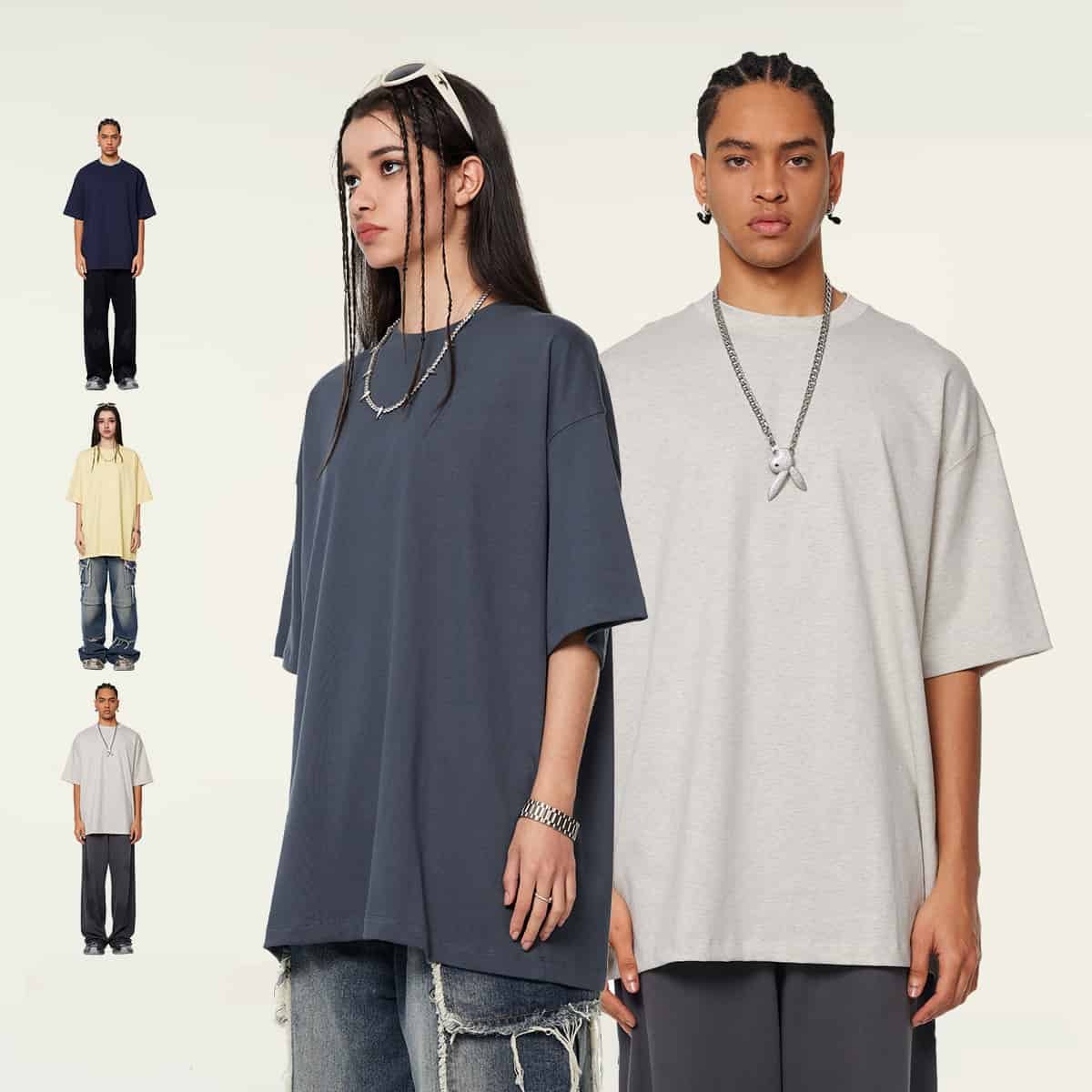
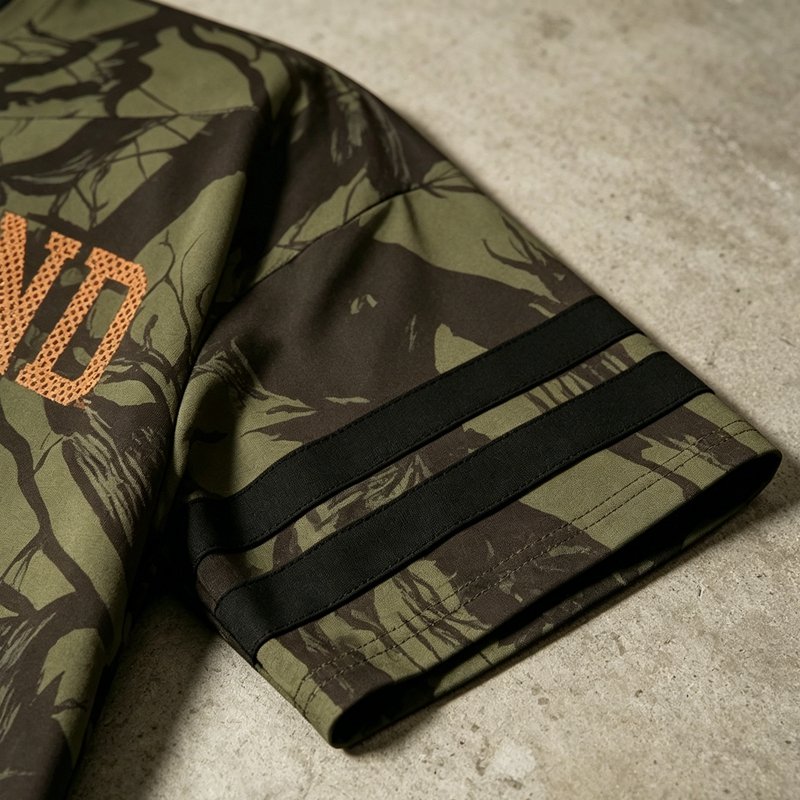
Featured Products for wholesale tshirt printing Development





Why Choose Wholesale Tshirt Printing at VeeWen
Build print-led T-shirt programs with clear specifications, flexible decoration choices, and private-label details managed in one production workflow.
Print Method Matching
Choose screen print, water-based, plastisol, puff, high-density, DTF, or DTG based on artwork, fabric, hand feel, and order requirements.
Fabric-Smart Results
Match cotton jersey weight, blends, and garment construction to the desired print coverage, structure, wash direction, and finished hand feel.
Built for Durability
Decoration testing and approved samples help confirm adhesion, color, stretch, and wash performance before your bulk T-shirt production begins.
Flexible Print Placement
Develop chest, back, sleeve, hem, all-over, or oversized placements with practical guidance on seams, print area, and garment proportions.
Private-Label Ready
Add woven labels, care labels, size labels, hangtags, patches, polybags, and custom packaging alongside wholesale tshirt printing for a complete branded delivery.
100-Piece Style MOQ
Launch focused drops from 100 pieces per style, with sampling, bulk production, quality checks, and shipment coordination handled by one partner.
More Wholesale Tshirt Printing Options and Guides
Compare adjacent product categories, manufacturing options and practical buyer resources from the VeeWen architecture.
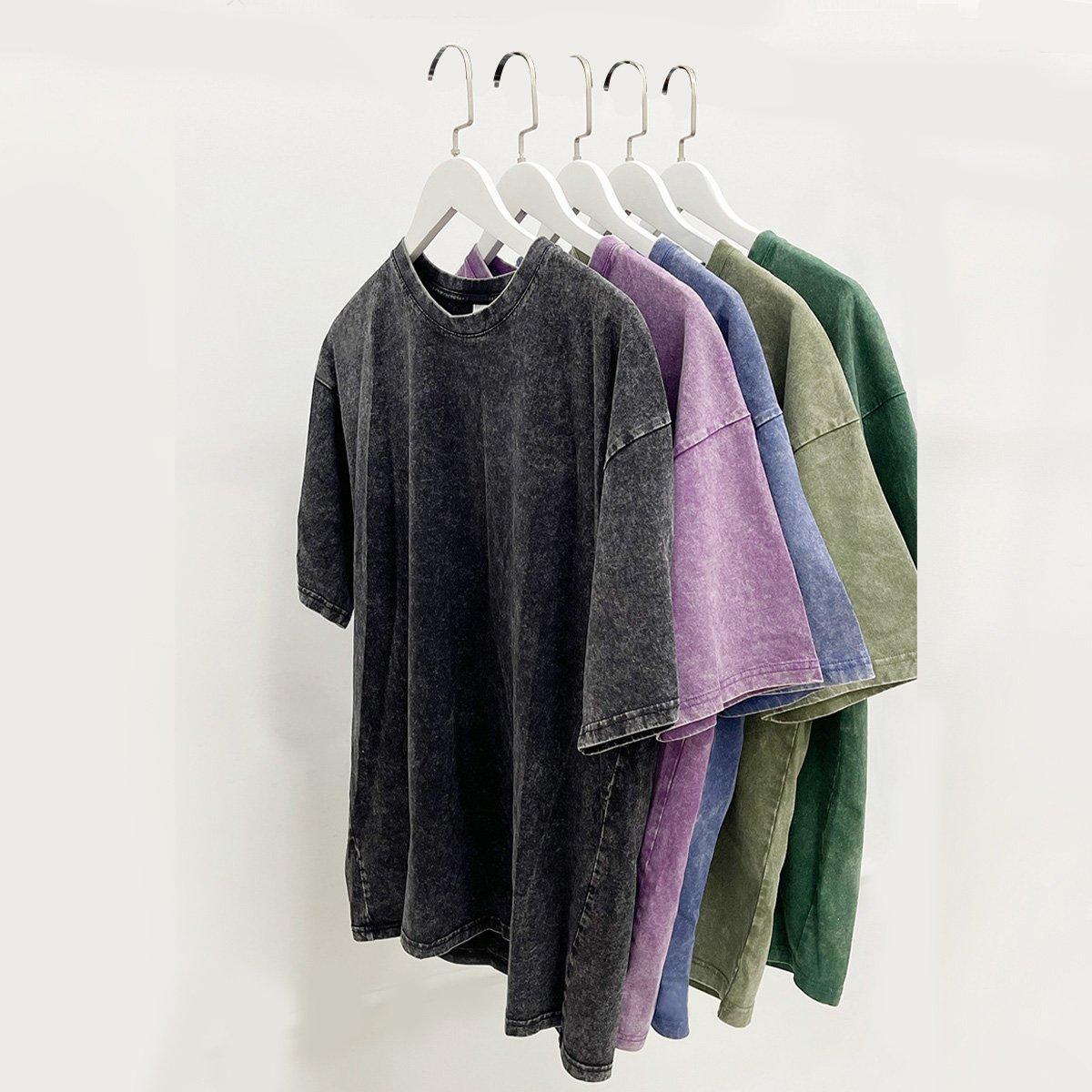
Garment Printing
Custom garment printing for labels from 100 pieces per style, with screen print, DTF, DTG and specialty inks tested on approved samples. Request a quote.
Explore Category
Bulk Custom Polo T Shirt Printing
Bulk custom polo t shirt printing from 100 pieces per style, with print, embroidery and private-label finishing managed in one workflow. Request a quote.
Explore Category
Custom Hoodie Printing
Custom hoodie printing starts at 100 pieces per style, with tested placement, color, and wash-ready decoration choices. Request a custom quote today.
Explore Category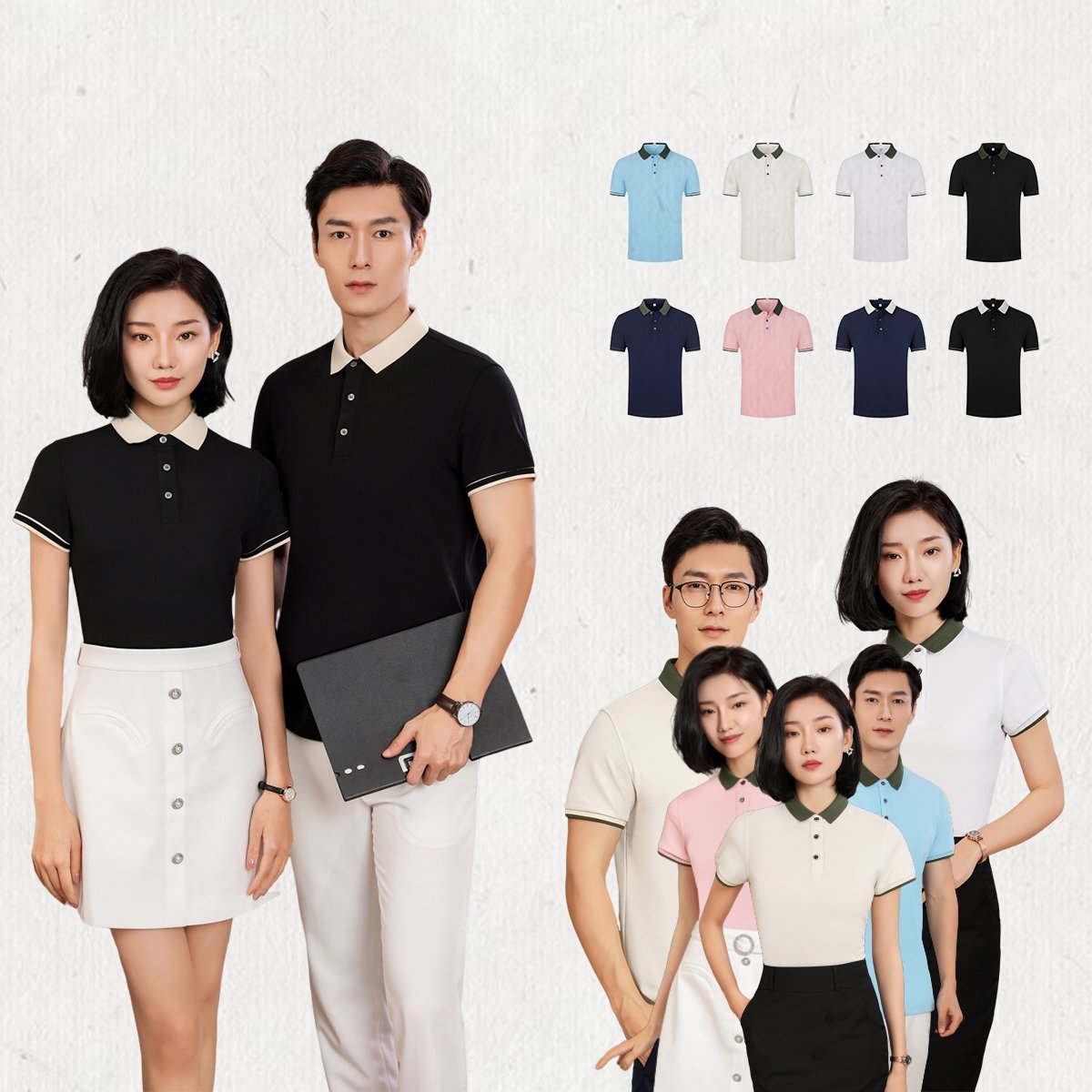
Custom Shirt Printing
Custom shirt printing from a 100-piece MOQ, with screen print, DTG and transfers matched to your fabric and brand specs. Request a quote today.
Explore Category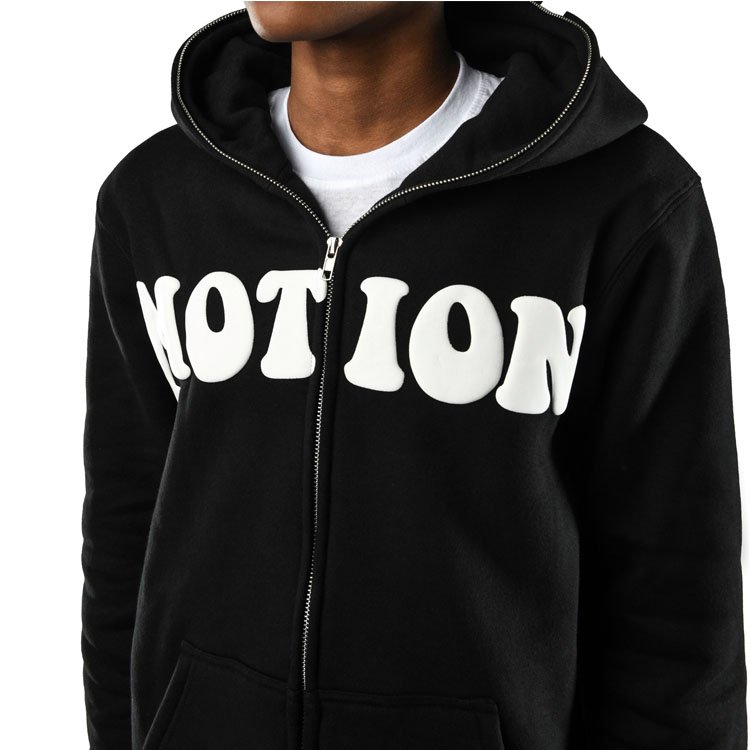
Custom Puff Print Hoodie
Custom puff print hoodie production starts at 100 pieces per style, delivering raised 3D texture on OEM streetwear fleece. Request a custom quote today.
Explore Category
Puff Print Hoodie Manufacturer
Puff print hoodie manufacturer with 100-piece MOQ, sampling, and raised screen-print effects built for private-label streetwear. Request a custom quote today.
Explore Category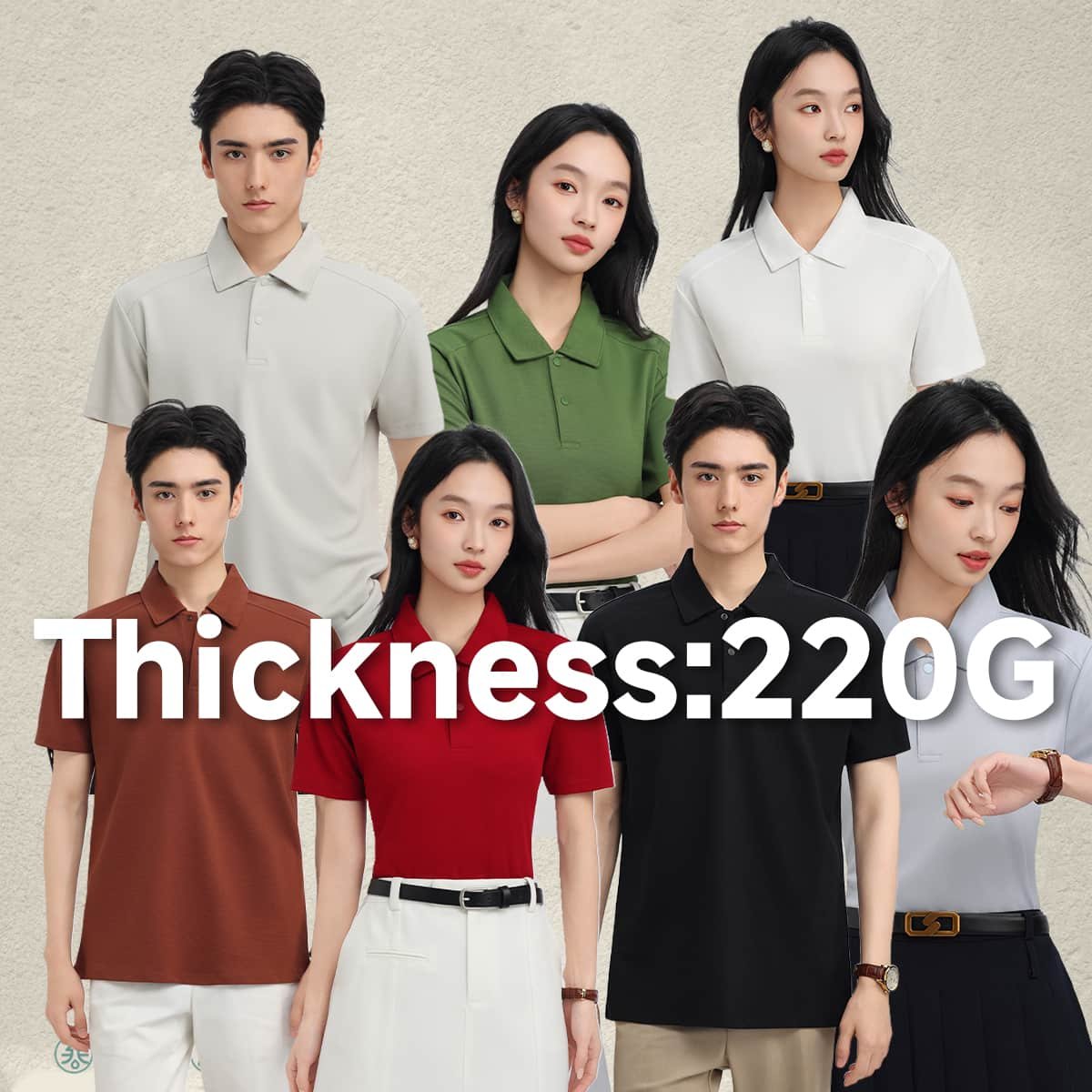
Wholesale Shirt Printing
Wholesale shirt printing from 100 pieces per style, with approved samples and matched screen, DTF, or embroidery finishes. Request a custom quote.
Explore Category
Custom Tshirt Printing
Custom tshirt printing from a 100-piece MOQ, with screen print, DTF and embroidery options for OEM streetwear programs. Request a custom quote.
Explore CategoryWholesale Tshirt Printing Since 2016
Founded in Dongguan in 2016 by ChangKeng Luo, VeeWen helps global labels turn T-shirt concepts into production-ready garments. Our wholesale tshirt printing programs are built for menswear and streetwear brands that need practical advice on fabric weight, fit, artwork, print effects and private-label details.
From a tech pack, sketch or reference sample, one accountable team coordinates fabric sourcing, pattern development, sampling, decoration testing, bulk production, quality checks, packing and shipment support. With a standard 100-piece-per-style MOQ, emerging brands can launch focused drops without losing control of specifications.
What differentiates VeeWen is a documented, visual workflow: approved samples, clear print and fit checkpoints, and direct communication before bulk production begins. Whether you need screen printing, DTF, puff ink, embroidery or garment washes, we explain the production trade-offs so your final tees match the intended hand feel and brand direction.

Key Wholesale Tshirt Printing Specifications
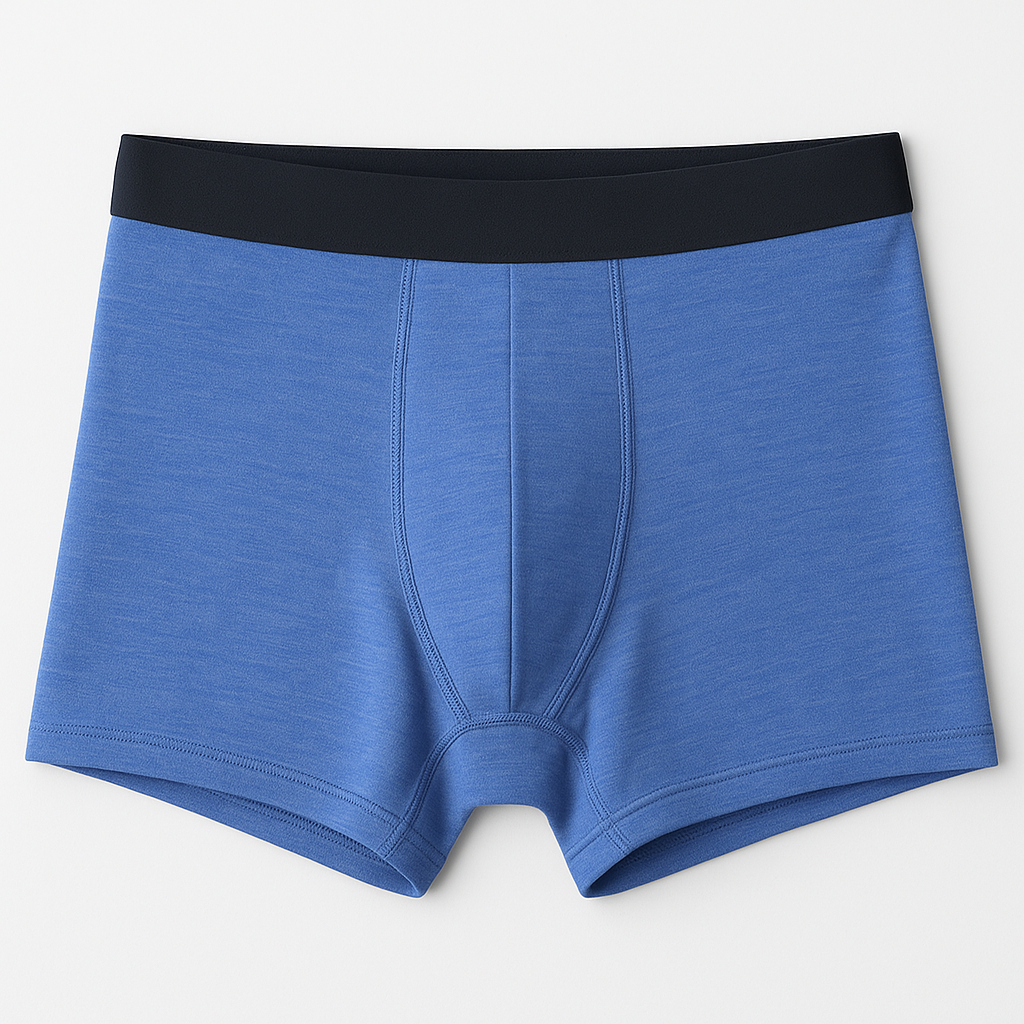
Fabric Weight and Structure
Choose the blank around the intended silhouette, print coverage and wash direction. Heavyweight cotton gives oversized and boxy tees more structure, while lighter jersey improves softness and drape. VeeWen sources fabric against your hand feel, target price and finished-garment use.
- Cotton jersey weights matched to fit and print coverage
- Heavyweight options for structured streetwear silhouettes
- Shrinkage allowance discussed before sampling
- Fabric hand feel approved alongside the sample
Print Method and Artwork
Wholesale tshirt printing results depend on matching artwork to the correct process. Screen printing suits repeat bulk graphics, while water-based, plastisol, puff, high-density, DTF and DTG each change opacity, texture, detail and cost. We review artwork before decoration testing.
- Screen print separations checked for color and registration
- Ink choice matched to fabric color and artwork detail
- Puff and high-density effects tested for raised texture
- Fine lines, gradients and small text reviewed early

Placement, Curing, and Wash
A strong graphic needs more than approved artwork. Placement is set from graded measurements and print dimensions, then controlled through production. Proper curing supports adhesion and wash performance; pigment-dyed or washed garments also require realistic expectations for shade variation and vintage character.
- Chest, back and sleeve placements measured from garment landmarks
- Print size adjusted across the size range when needed
- Curing settings checked for durable ink adhesion
- Wash tests confirm the intended finish and performance

Wholesale Tshirt Printing vs. DTF Transfers
Choose the production method that best fits your fabric, artwork, hand feel and 100-piece-per-style program.
← Swipe left or right to view →
Wholesale Tshirt Printing, From Artwork to Packed Goods
A controlled, technique-specific process for consistent color, registration, curing and finished presentation across your bulk order.
Review Artwork And Specs
We check artwork, color references, print placement, garment measurements and target finish, then recommend the print method, fabric weight and preparation requirements.
Select Fabric And Blank
Choose the T-shirt fabric, fit block, color and wash direction. We confirm how cotton content, surface texture and garment dyeing affect print results.
Test Print And Registration
Sample prints verify ink coverage, color separation, placement and multi-color registration. Adjustments are approved before bulk screens, transfers or production files are released.
Control Curing And Output
During bulk wholesale tshirt printing, operators monitor print clarity, ink deposit and curing conditions to support durable adhesion, wash performance and consistent visual finish.
Inspect, Pack And Ship
In-line inspection and final QC review print placement, defects, measurements and labeling. Approved garments are folded, packed with private-label details and prepared for shipment coordination.
Order Wholesale Tshirt Printing With Clear Specs
Move from artwork and references to approved samples and bulk production through a documented, production-minded workflow.
Send Your Artwork
Share vector files, print references, garment images, or a tech pack, plus target quantities, sizes, markets, and required delivery timing.
Confirm Garment Specifications
Select the T-shirt fit, fabric composition, GSM, color, size range, print placement, ink effects, labels, packaging, and 100-piece-per-style order quantity.
Review Your Quotation
VeeWen evaluates artwork complexity, color count, decoration method, fabric choice, washes, trims, and packing details to prepare an accurate wholesale tshirt printing quote.
Approve Your Sample
Review the sample for fit, hand feel, print color, placement, durability, and finishing; confirm revisions before pre-production approval and bulk scheduling.
Release Bulk Production
After approval, VeeWen coordinates printing, assembly, inspections, final quality checks, private-label packing, and shipment preparation for your finished T-shirts.
Wholesale Tshirt Printing Results Buyers Can Measure
VeeWen matched our six-color artwork to the approved Pantone references on the first production sample. The 1,200-piece drop arrived with consistent print placement across every size, so we launched without rework or delayed listings.
After 25 home wash tests, the water-based print still held its color and soft hand. VeeWen adjusted the ink and curing approach during sampling, which helped us reduce customer exchanges on our heavyweight tees.
The puff-print lift was approved at 1.2 mm and remained even across our 800-piece run. VeeWen kept us updated through bulk production and delivered packed goods three days before our campaign shoot.
Wholesale Tshirt Printing FAQs
Clear production guidance for fabrics, artwork, decoration, sampling and order planning.
What fabrics work best for wholesale tshirt printing?
How many colors and how large can a wholesale tshirt printing design be?
Is wholesale tshirt printing durable after washing?
Can I combine printing with embroidery, patches or garment washing?
What is the minimum order quantity for printed T-shirts?
Do I need a sample before placing a wholesale tshirt printing order?
How long does a custom printed T-shirt order take?
What artwork files do you need for T-shirt printing?
The Complete Guide to wholesale tshirt printing
Use this practical framework to compare print methods, fabrics, quality controls, and China supplier capabilities—so you can plan margins, avoid costly sampling errors, and select the right private-label production partner.
1. What Is wholesale tshirt printing?
100-piece programs are a typical entry point for wholesale tshirt printing: a B2B buyer purchases blank or custom-decorated tees in production quantities from one supplier. The order is built around a defined fabric, fit, color, size run, print method, and packing specification.
1-off local printing and retail print-on-demand prioritize immediate fulfillment, often with limited garment control and higher unit costs. Private-label manufacturing goes further by adding custom labels, hangtags, trims, approved samples, and repeatable bulk specifications.
3 decisions drive the right program: match 180–260 GSM jersey and fit to the target customer, select screen print, DTF, DTG, or embroidery for the artwork and volume, then confirm MOQ, branding details, and delivery window before production.
2. Evolution of Wholesale T-Shirt Printing
1907 marked the rise of screen printing, a method still strongest for repeat wholesale tshirt printing runs with 1–6 spot colors. Each color needs a separate screen and setup, so unit cost falls sharply as volume rises but small test orders carry more preparation cost.
1990s digital printing and modern heat transfers reduced the artwork barrier by printing full-color files without screen separations. DTG, DTF, and water-based ink workflows support detailed samples and quicker launches, while screen printing remains economical for stable bulk art; buyers should match the method to color count, fabric, and reorder volume.
100-piece programs now let a label approve fit, print placement, and wash behavior before scaling a proven design. Sustainable water-based inks can reduce PVC use, but curing, opacity on dark garments, and wash testing still determine whether the result is production-ready.
3. Types of wholesale tshirt printing
Six production routes solve different artwork and volume problems. For wholesale tshirt printing, approve a strike-off before bulk: ink, fabric, and curing determine color and wash life.
| Method | Artwork And Fabric | Color And Durability | Setup | Best Scale |
|---|---|---|---|---|
| Screen print | Bold art; cotton | Opaque; excellent wash life | Screen per color | 100+ promotional |
| DTG or DTF | Detailed art; cotton or blends | Full color; DTF durable | Low setup | Small fashion drops |
| Vinyl, sublimation, specialty | Names, polyester, effects | Vivid; method-dependent | Artwork and test panel | Teamwear or premium runs |
Screen Printing
100+ pieces favor screen printing for solid logos, bold fashion art, and promotional runs. Cotton takes opaque, durable color; each color needs a screen.
Digital And Transfer Methods

DTG suits detailed cotton artwork and small color-rich drops; DTF transfers work across cotton, blends, and polyester. Vinyl fits simple names and numbers; hand feel is heavier.
Sublimation And Specialty

100% polyester teamwear suits sublimation because dye bonds into light fabric. Puff, discharge, foil, and high-density effects need test panels and controlled curing.
4. Fabrics for wholesale tshirt printing
Fabric determines ink opacity, hand feel, recovery and the price buyers can defend. For wholesale tshirt printing, specify yarn, GSM, shrinkage allowance and print route before sampling.
| Fabric | Typical GSM | Print Compatibility | Cost Position |
|---|---|---|---|
| Combed ring-spun cotton | 180–220 | Screen, DTG | Mid |
| Organic ring-spun cotton | 180–220 | Screen, DTG | Premium |
| Cotton-poly blend | 160–200 | Screen, transfer | Value |
| Polyester | 140–180 | Sublimation, low-bleed screen | Value |
| Heavyweight jersey | 240–300 | Screen, puff, high-density | Premium |
Cotton Quality

100% combed ring-spun cotton gives smoother screens and DTG detail than carded open-end yarn. 180–220 GSM suits retail basics; test 3–5% shrinkage and colorfastness.
Heavyweight Streetwear
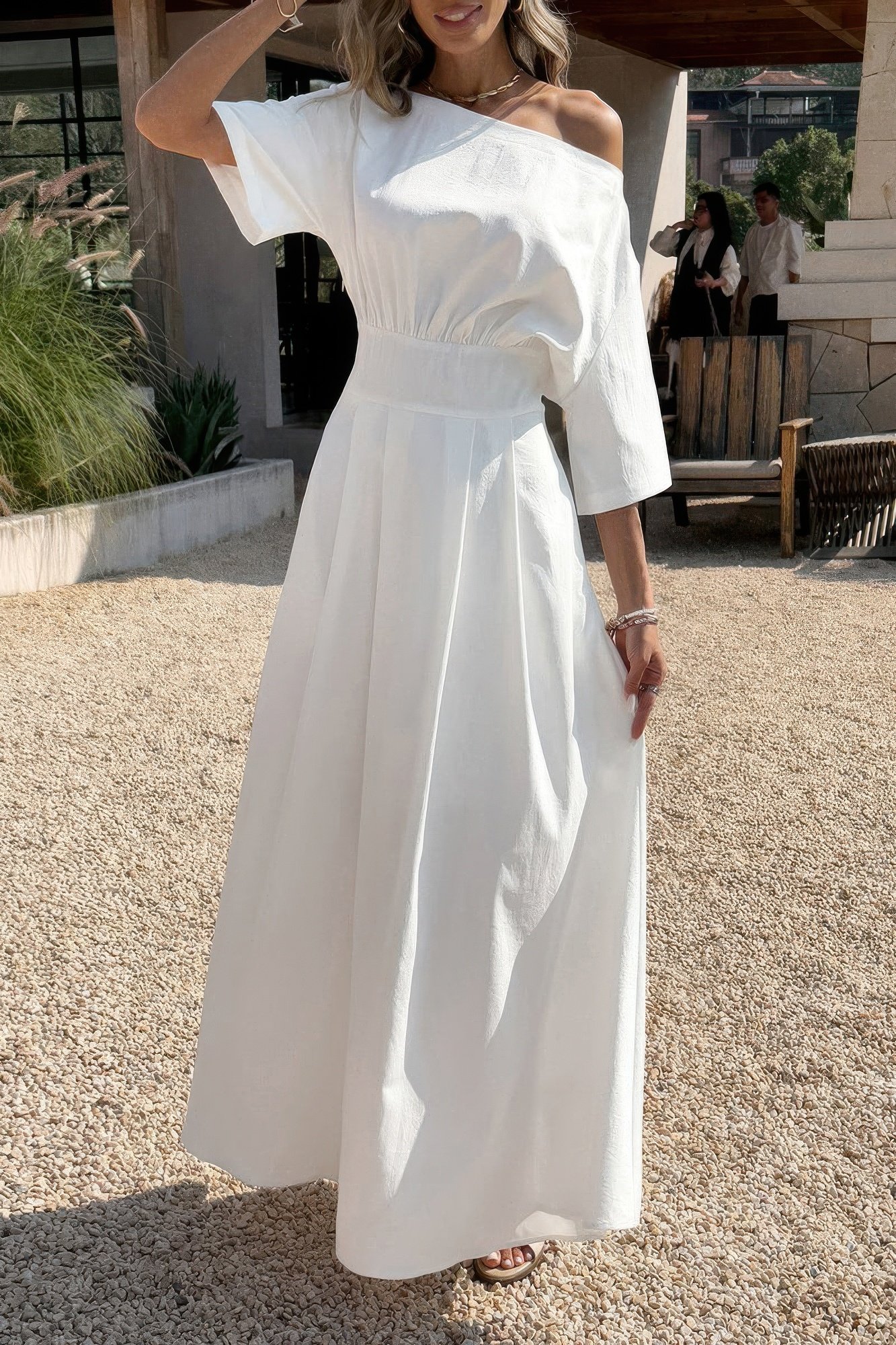
240–300 GSM heavyweight jersey carries streetwear structure and water-based, puff or high-density prints. Pre-wash trials check shade variation and print cracking.
Blends And Performance

50/50 cotton-poly lowers cost, while 100% polyester needs low-bleed inks or sublimation. Sportswear benefits from moisture-wicking polyester; pre-treatment is essential for DTG on dark cotton.
5. Customization and Decoration Options
At a 100-piece style MOQ, specify color, placement, finish, and branding together. A Pantone target does not replace approved strike-offs, size artwork, or labeling copy.
| Option | Production Impact | Buyer Control |
|---|---|---|
| Pantone color | Strike-off time | Approve shade standard |
| Puff or foil | Higher unit cost | Wash-test sample |
| Embroidery | Longer sampling | Set stitch density |
| Labels and packaging | MOQ or lead-time impact | Check market compliance |
Build A Decoration Map

Three placements—chest, back, and sleeve—need dimensions, offsets, and size scaling. Oversized prints and all-over effects require larger screens, more setup, and tighter registration control.
Match Finish To Garment

Puff ink adds height but can stiffen lightweight jersey; foil needs careful wash testing. Flat or 3D embroidery adds unit cost and may distort soft fabric.
Lock Private-Label Details

Four branded touchpoints—woven labels, neck prints, hangtags, and polybags—should use one approved logo file. Fiber content, care instructions, country-of-origin marking, and restricted-substance requirements must suit the destination market.
6. Construction Quality Checks
A pre-production sample is the approval point for construction, print, fit and wash behavior. For a 100-piece run, lock measurable standards before bulk cutting.
Stitching And Shape

Use 8–10 stitches per inch, shoulder tape, stable collar rib recovery, specified sleeve pitch and clean double-needle hems.
Fabric And Print Tests
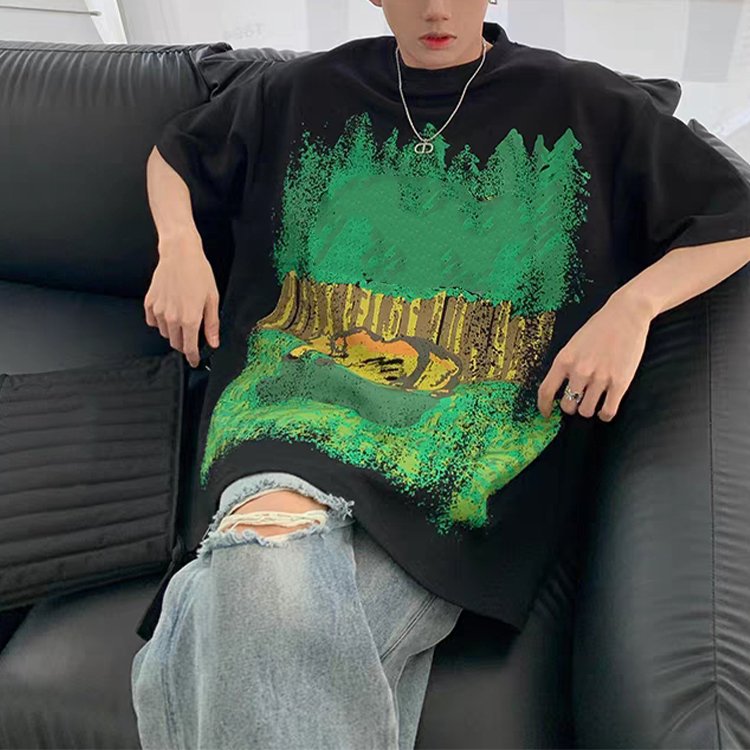
Set GSM tolerance, for example ±5%, and confirm side-seamed or tubular construction. Test print registration, full curing and wash performance on the approved fabric.
Approval Documents
Request a tech pack with graded measurements and tolerances, then approve a pre-production sample. Define inspection criteria for measurements, shade, seams, print defects and packing.
7. Choosing a wholesale tshirt printing Manufacturer
100-piece MOQ programs can suit a focused launch, but the deciding question is operational: can the supplier repeat your approved specification at commercial scale? Evaluate evidence, not a polished catalogue.
Verify The Operating Model
1 factory visit or live production walkthrough should confirm cutting, sewing, and printing responsibility.
3 questions expose a trading company: who owns sampling, who controls QC, and who answers defects?
Test Development Control
1 approved sample, measurement chart, Pantone callout, and print test should become the bulk reference.
2 sourcing options—named fabric and approved substitute—reduce delay when stock changes.
Confirm Delivery Evidence
7 checkpoints matter: sample, materials, pre-production, in-line inspection, final QC, packing, and shipment.
30-day promises require a written calendar, export-history evidence, capacity confirmation, and any OEKO-TEX, GOTS, WRAP, or BSCI documents verified directly.
8. Common Buyer Mistakes to Avoid
Two approvals drive most avoidable rework: the deposit and the pre-production sample. Lock commercial, artwork, material, wash, packing, and calendar details before either decision.
Quote Beyond Unit Price
Three quotes can differ because screens, color changes, freight terms, and trims are excluded. Before deposit, compare a line-item cost sheet and confirm MOQ, payment milestones, and included revisions.
Supply Production-Ready Artwork
One missing Pantone callout or print-size measurement can delay sampling. Before approval, send vector artwork, placement dimensions, color separations, and a signed mockup.
Match Print To Fabric
180 GSM jersey, fleece, and garment-dyed cotton accept ink differently. Before bulk approval, test print adhesion, hand feel, shrinkage, shade variation, and cracking after washing.
Confirm Packing And Timing
100-piece runs still require setup, labels, polybags, cartons, and production capacity. Before deposit, approve tolerances and packing specifications, then build a realistic sampling, revision, bulk, and shipment calendar.
9. Launching Your Printed T-Shirt Brand
Start with one customer, one price point, and a disciplined launch calendar. For wholesale tshirt printing, lock decisions through an approved sample before committing bulk cash.
Define The First Drop
100 pieces per style is a practical opening run. Limit the first drop to proven sizes, one fit block, and 1–2 colorways so cash remains available for freight and launch content.
Build Production-Ready Artwork
Pantone references, print dimensions, placement measurements, and vector artwork prevent avoidable revisions. Confirm whether screen print, DTF, or DTG best matches detail, color count, and expected reorder volume.
Approve Sample And Bulk
1 approved sample should validate shoulder drop, body length, shrinkage, hand feel, and print adhesion. Confirm the quotation, size breakdown, labels, packing, production sample, inspection point, and freight method before bulk approval.
Launch And Reorder
2 checks—pre-shipment inspection and carton count—protect the retail launch. Use sell-through, return reasons, and customer fit feedback to revise the next 100-piece reorder instead of scaling an unproven specification.
10. Wholesale Tshirt Printing Pricing
100 pieces is VeeWen’s standard MOQ per style; comparable quotes require the same fabric, GSM, color count, print positions, labels, packaging, and Incoterm.
7–21 days is a typical post-approval bulk window, though wash effects, embroidery, and shipping mode can change it. Request an itemized quote and pre-production sample before comparing suppliers.
| Quantity Tier | Indicative Unit-Cost Driver | Setup Cost | Typical Lead Time |
|---|---|---|---|
| 100–299 | Higher cutting and print allocation | Screen fee per color | 14–21 days |
| 300–999 | Fabric and print costs spread better | Screen fee per color | 10–18 days |
| 1,000+ | Best efficiency for repeat artwork | Setup amortized | 10–16 days |
Start Your Wholesale Tshirt Printing Project
Send your artwork, garment references and target quantities for a print-method recommendation, sample plan and custom quote from VeeWen.