
Responsible Manufacturing in Sportswear for 100-Piece OEM Programs
Choose responsible manufacturing in sportswear with accountable OEM, ODM, and private-label development from sampling to packed bulk goods.
Featured Products for responsible manufacturing in sportswear Development








Related Product Catalogue and Quotation




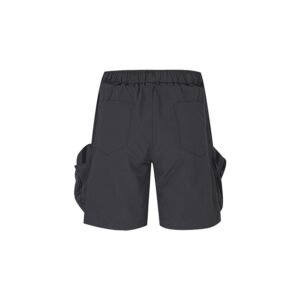
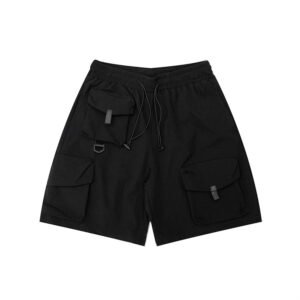

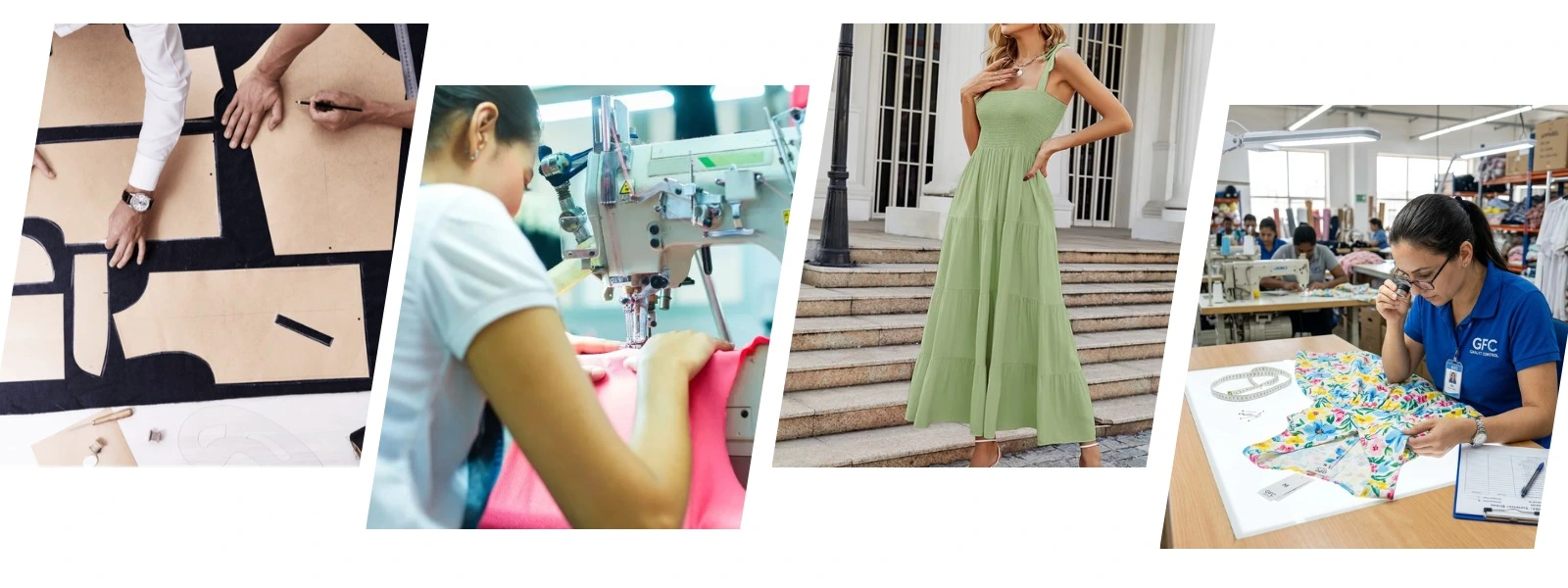
Responsible Manufacturing in Sportswear, Built on Clear Decisions
VeeWen gives sportswear buyers practical specifications, approved samples and documented controls from development through packed bulk goods.
Clear Product Specifications
Align fabric weight, fit, performance, decoration and trims before production, so every decision is practical, traceable and ready for bulk execution.
100-Piece Style MOQ
Launch focused sportswear drops with a standard 100-piece-per-style minimum while building repeatable specifications for future reorders and collection growth.
Approved Samples First
Review fit, material hand feel, decoration and construction before bulk production, reducing avoidable changes and setting a clear production reference.
Full-Category Development
Develop jerseys, activewear, outerwear, bottoms and coordinated apparel through one OEM, ODM or private-label workflow for men, women and children.
Documented Quality Checkpoints
Use in-line inspection, final quality checks and confirmed packing details to keep production status visible from pre-production approval through shipment coordination.
More Responsible Manufacturing in Sportswear Options and Guides
Compare adjacent product categories, manufacturing options and practical buyer resources from the VeeWen architecture.

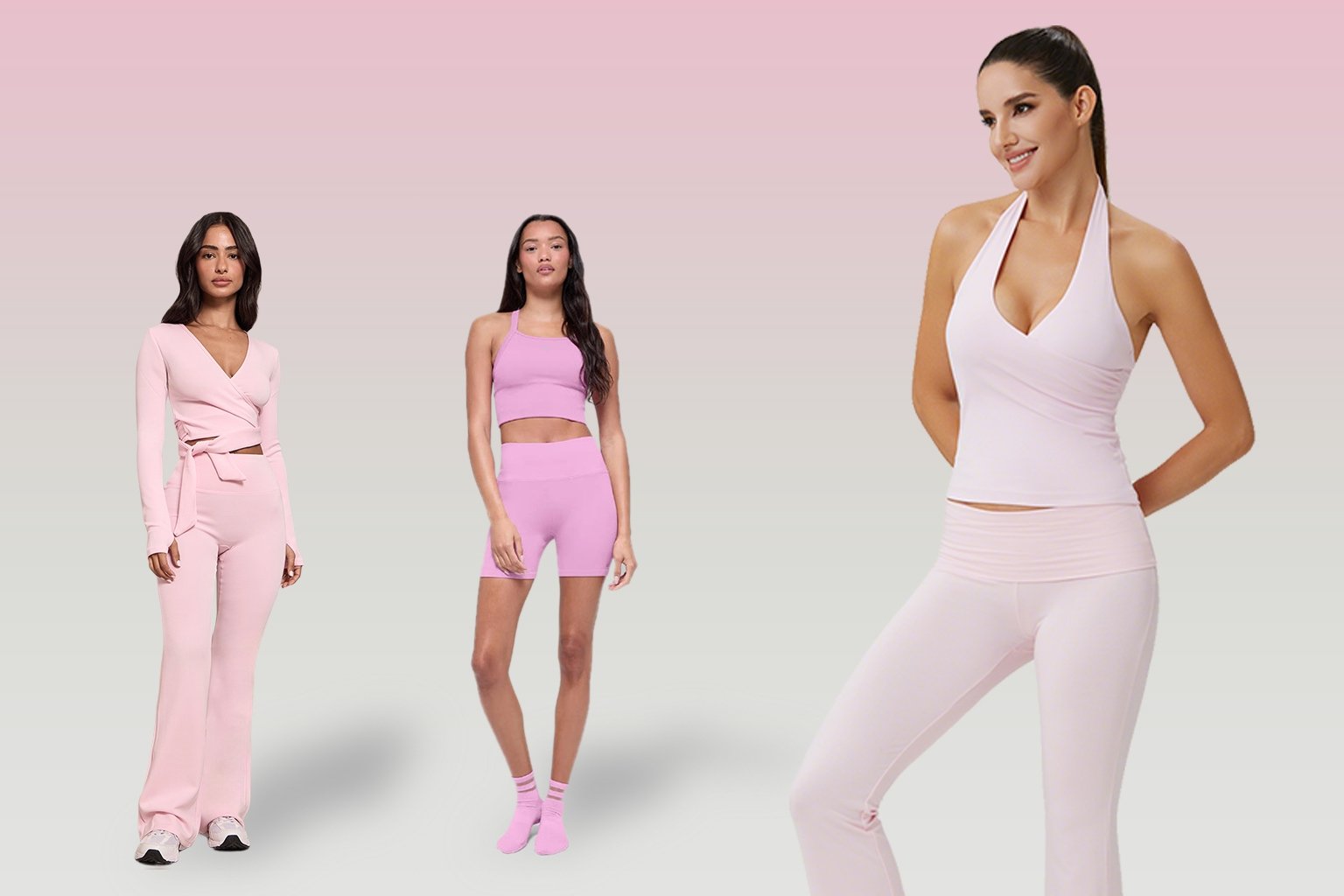
Activewear & Yoga Wear Manufacturing
activewear & yoga wear manufacturer with a 100-piece-per-style MOQ, private-label development and documented QC. Request a custom quote today.
Explore Category
Yoga Factory Weston
Yoga Factory Weston apparel programs start at 100 pieces per style with OEM, ODM and private-label development. Send your tech pack to request a quote today.
Explore Category
Yoga Accessories Supplier
Yoga accessories supplier for private-label programs from a 100-piece MOQ. Develop branded activewear details with one OEM partner. Request a quote.
Explore Category
Yoga Factory Arnold
yoga factory arnold apparel manufacturing starts at 100 pieces per style, with OEM development, sampling and private-label trims. Request a custom quote.
Explore Category
Yoga Factory and Fitness Sunrise
Yoga factory and fitness sunrise supports OEM/private-label apparel from 100 pieces per style, with sample-to-bulk coordination. Request a custom quote today.
Explore Category
Yoga Factory and Fitness Sunrise Fl
Yoga Factory and Fitness Sunrise FL supports 100-piece OEM apparel runs, from fabric sourcing and samples to packed bulk goods. Request a custom quote today.
Explore Category
Yoga Factory Crofton Md
Yoga Factory Crofton MD connects apparel concepts to VeeWen’s 100-piece-per-style OEM workflow, from sampling through packing. Request a custom quote.
Explore Category
Yoga Factory Pittsburgh Pittsburgh Pa
Yoga Factory Pittsburgh Pittsburgh PA manufacturing starts at 100 pieces per style, with OEM development and private-label finishing. Request a quote.
Explore CategoryMaterials for Responsible Manufacturing in Sportswear
Recycled Polyester Interlock
A smooth, stable performance knit for jerseys, training tops and coordinated sets. Its double-knit face offers a clean hand feel, moderate weight and reliable shape retention for active use.
Nylon Stretch Woven
Lightweight with a crisp technical hand, this fabric suits windbreakers, track pants and utility shorts. Mechanical or elastane stretch supports movement while the woven structure helps garments keep a streamlined silhouette.
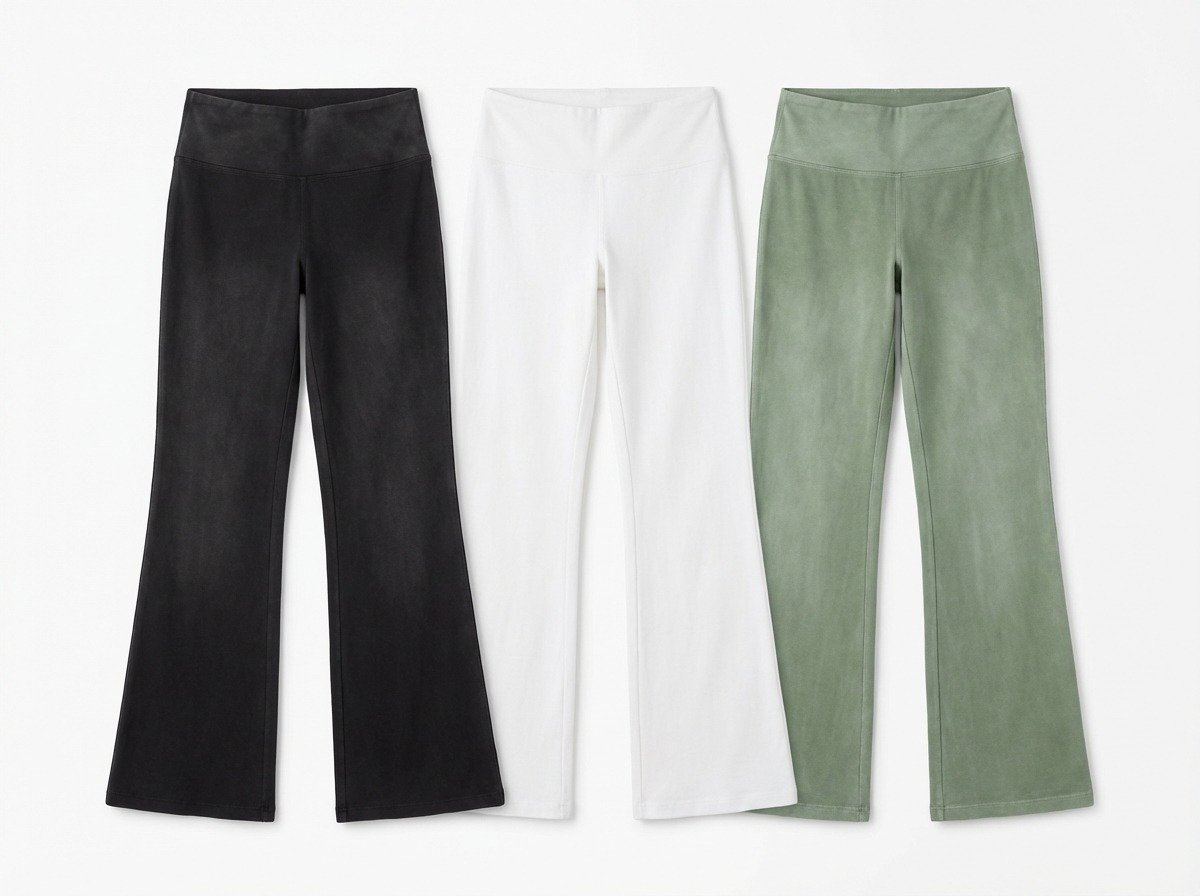
Cotton Jersey Blend
Soft, breathable and familiar against the skin, cotton jersey blends work well for training tees, warm-up layers and sportswear basics. Weight and stretch can be specified to balance drape, recovery and durability.
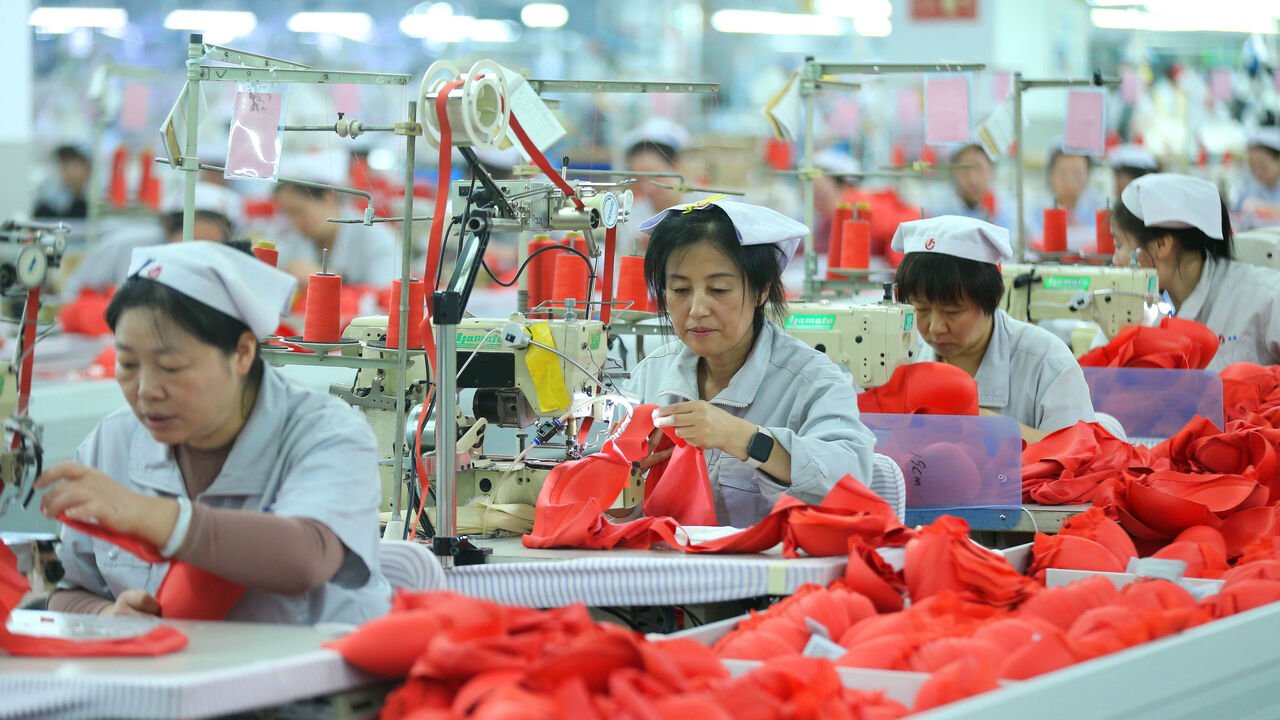
French Terry Fleece
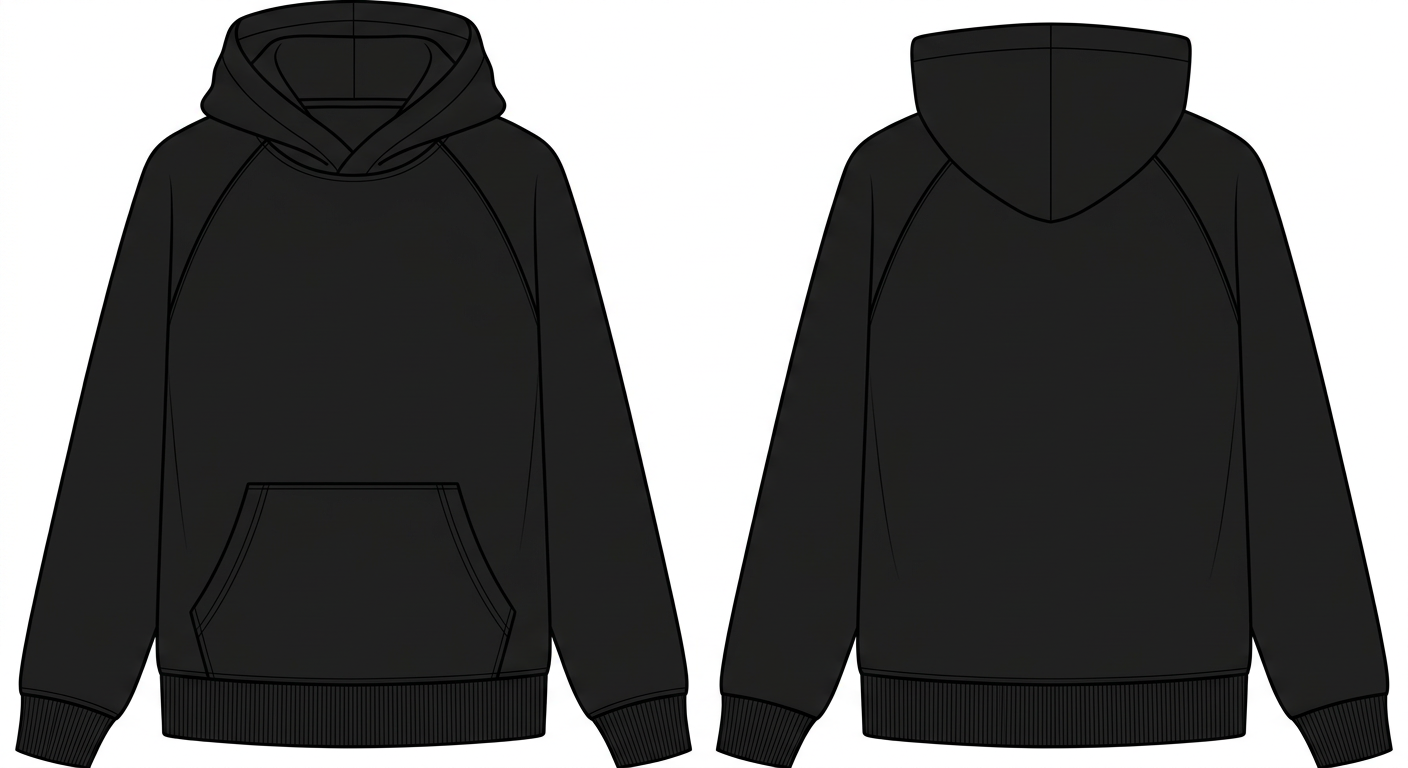
French terry provides a substantial yet breathable feel for hoodies, sweatshirts and joggers. The loopback interior adds comfort, while fabric weight can be selected to create either relaxed layering pieces or structured street-sport silhouettes.
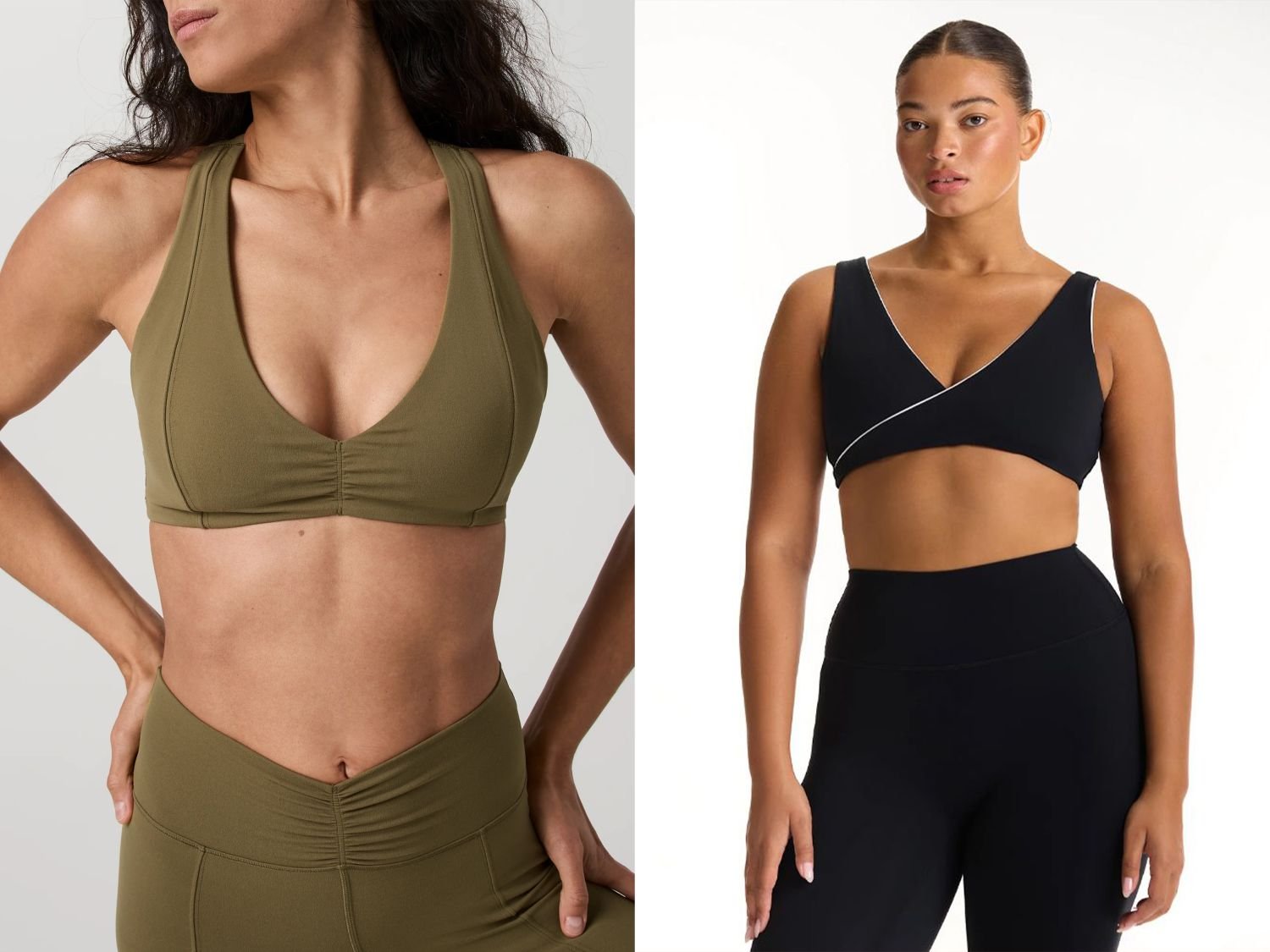
Polyester Mesh Knit
Open, breathable mesh is suited to basketball jerseys, panel inserts and high-ventilation training garments. Its lightweight construction promotes airflow, and mesh hole size can be adjusted for coverage, texture and print requirements.
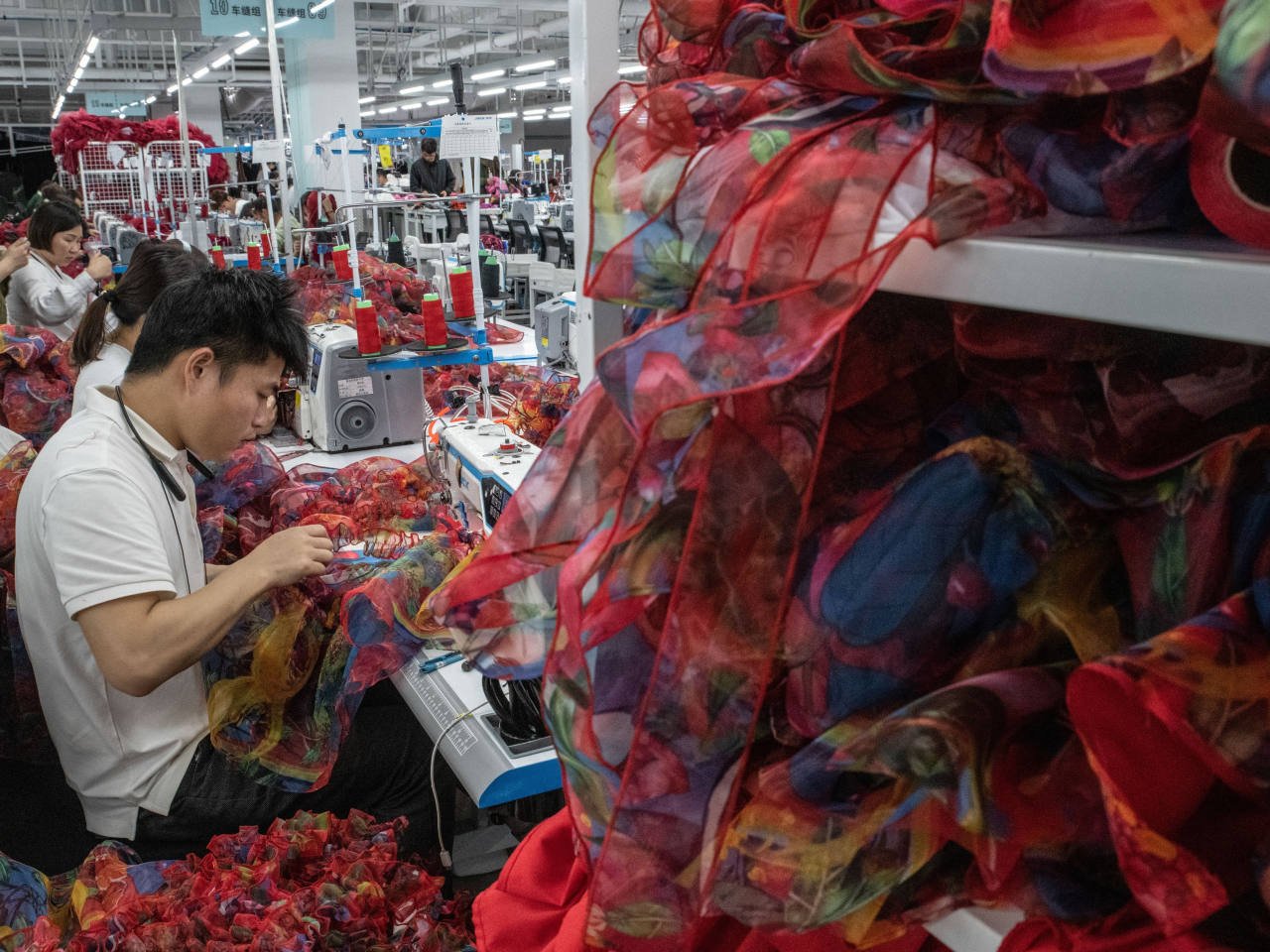
Compression Stretch Knit
A close-fitting, supportive knit for leggings, cycling shorts and fitted performance layers. High elastane content provides four-way stretch and recovery, helping garments maintain a secure fit through repeated movement and wear.
Responsible Manufacturing in Sportswear: Decoration and Finishing Processes

Screen Print
Screen printing builds bold, repeatable graphics for jerseys, tees and teamwear. Ink type, print coverage and curing are matched to the fabric, helping balance color opacity, stretch, breathability and wash durability.
Performance Transfers
Heat transfers create precise logos, names and multicolor artwork with a clean surface finish. They suit placement-sensitive sportswear, while transfer type and application settings are tested to protect stretch, adhesion and comfort.
Sublimation Printing
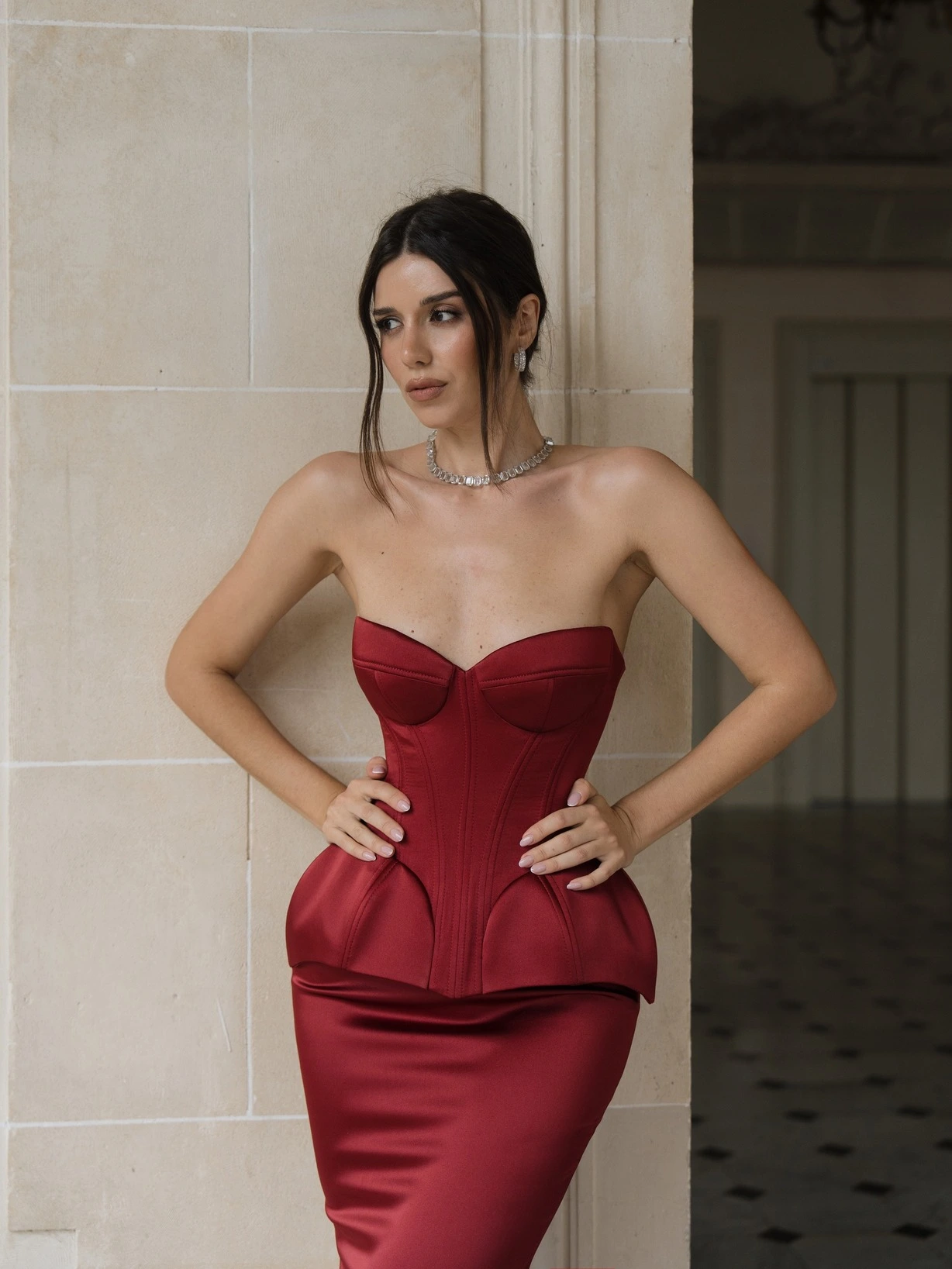
Sublimation permanently dyes compatible polyester fabrics, producing all-over color and detailed graphics without adding surface weight. It delivers excellent breathability, though it is limited to suitable synthetic fabric constructions and lighter base colors.

Technical Embroidery
Flat or 3D embroidery adds dimensional brand marks to caps, outerwear and selected team apparel. Stitch density, backing and placement are reviewed carefully because heavier embroidery can affect drape, stretch and next-to-skin comfort.

Garment Washing
Enzyme, pigment and vintage wash treatments create softer hand feel and worn-in character for sports-inspired streetwear. Because washing can influence shrinkage, shade variation and trim performance, VeeWen confirms results through approved samples.
Private-Label Trims for Responsible Manufacturing in Sportswear
Woven Brand Labels
Custom woven main labels, size labels and care labels keep brand information consistent across activewear, jerseys and outerwear. VeeWen coordinates placement, fold style, yarn color and label specifications during sample approval.


Zippers and Pullers
Select zipper types, finishes and custom pulls for zip hoodies, track jackets, pockets and outerwear. VeeWen helps match the closure to garment weight, intended use and visual direction, then confirms details on approved samples.

Drawcords and Tipping
Branded drawcords, cord ends and tipping details complete hoodies, shorts, joggers and windbreakers. Choices in material, thickness and finish affect both hand feel and durability, so they are reviewed alongside the garment construction.

Snap Buttons
Custom snap buttons provide practical closures for varsity jackets, overshirts, pockets and sportswear outer layers. Options can include branded caps, matte or polished finishes and color matching to support a cohesive private-label collection.

Hangtags and Packaging
Coordinate hangtags, polybags, barcode stickers and packing details so finished goods arrive ready for retail handling. VeeWen aligns these items with your approved branding and shipment requirements as part of the production workflow.
Responsible Manufacturing in Sportswear, Defined
Founded in Dongguan in 2016 by ChangKeng Luo, VeeWen was built to turn menswear and streetwear ideas into production-ready apparel. We work with global labels, teams, retailers and emerging brands that need a direct manufacturing partner from first concept through packed bulk goods.
Our responsible manufacturing in sportswear approach is specification-led: clarify the intended fit, fabric weight, performance needs, decoration and finish before production moves forward. With OEM, ODM, private-label and cut-and-sew support, we can develop focused sportswear programs alongside full-category collections for men, women and children.
What makes VeeWen different is practical accountability. A 100-piece-per-style MOQ helps brands test a considered drop, while fabric sourcing, sampling, approved checkpoints, bulk production, quality checks and private-label packaging stay within one coordinated workflow. We explain production trade-offs clearly so approved samples translate into repeatable reorders.

Responsible Manufacturing in Sportswear, Built Into Every Decision
Development That Clarifies Intent
VeeWen turns tech packs, sketches, references, or early concepts into workable sportswear specifications. Our team clarifies fit, construction, materials, decoration placement, and packaging before sampling, helping buyers establish production-ready standards from the first 100-piece-per-style order.
- Translate visual references into measurable garment specifications
- Review fit blocks, graded measurements, seams, and performance needs
- Recommend practical construction options before sample approval
- Document approved details for repeatable bulk production
Fabric and Fit With Purpose
Responsible manufacturing in sportswear begins with choices that suit the garment’s use. VeeWen matches fabric weight, stretch, recovery, breathability, hand feel, and target price to training apparel, teamwear, active basics, or street-sport collections while keeping fit discussions specific and actionable.
- Compare polyester, nylon, cotton blends, and stretch performance fabrics
- Assess weight, opacity, recovery, and moisture-management requirements
- Set body width, sleeve shape, rise, inseam, and graded sizing
- Explain trade-offs between structure, comfort, durability, and cost

Decoration Tested Before Bulk
Prints, embroidery, transfers, and washes are reviewed as part of product development, not treated as a last-minute add-on. VeeWen tests decoration methods against the selected fabric and garment construction to protect drape, placement accuracy, color consistency, and production timing.
- Evaluate screen print, DTF, heat transfer, sublimation, and embroidery options
- Check artwork placement across the full size range
- Consider embroidery density and print coverage against garment drape
- Confirm wash effects, shrinkage expectations, and shade variation early

Checkpoints That Keep Control
VeeWen maintains clear checkpoints from sample approval through packed bulk goods. In-line inspections, final quality checks, labeling review, and packaging confirmation give buyers visibility into the details that affect consistency, presentation, and shipment readiness without relying on vague production promises.
- Confirm pre-production details before bulk manufacturing starts
- Inspect workmanship, measurements, decoration, and finishing during production
- Review labels, hangtags, polybags, and private-label packaging
- Coordinate final checks and shipment-ready packing specifications
Responsible Manufacturing in Sportswear: The VeeWen Difference
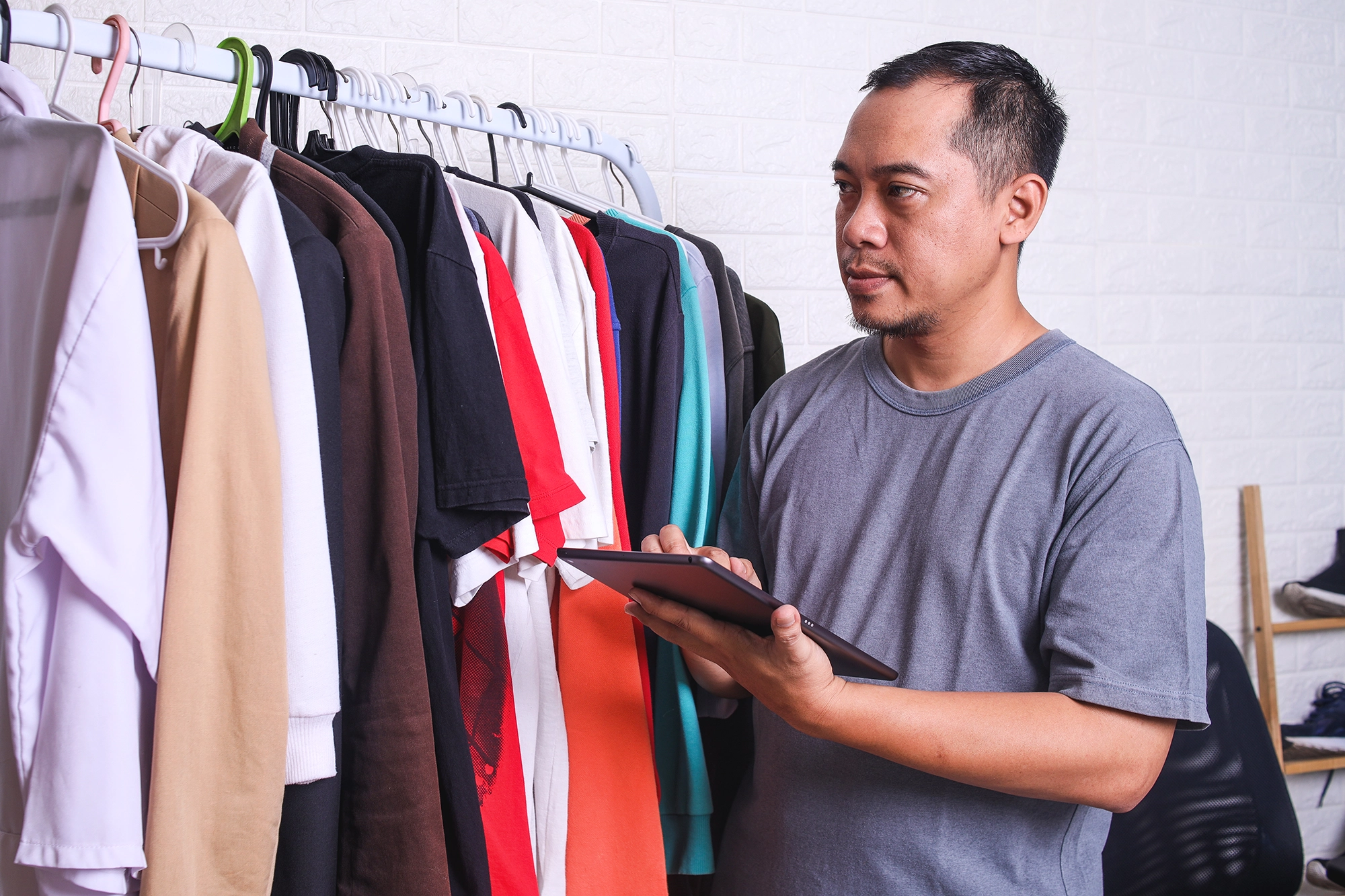
Compare a documented, production-minded workflow with common sourcing gaps.
← Swipe left or right to view →
Responsible Manufacturing in Sportswear: Our Production Process
A clear, approval-led workflow for OEM, ODM and private-label sportswear programs, from first concept to shipment coordination.
Clarify Product Specifications
We review your tech pack, sketches or references, confirm fit, performance needs, target price, decoration direction and 100-piece-per-style MOQ.
Source Suitable Materials
Our team recommends fabrics, trims and construction options based on hand feel, weight, stretch, durability, wash requirements and intended sportswear use.
Develop and Approve Samples
Patterns, prototypes and decoration tests are developed for fit review, helping you approve measurements, workmanship, color direction and branded details before bulk production.
Cut, Decorate and Produce
Approved specifications guide cutting, sewing, printing, embroidery and finishing, with practical communication when a fabric, wash or trim affects timing or garment performance.
Inspect, Pack and Coordinate
We complete in-line and final quality checks, arrange labels and packaging, then coordinate packed bulk goods and shipment details for your delivery plan.
How to Work With VeeWen
Move from a sportswear concept to packed bulk goods through clear approvals, practical specifications, and one accountable manufacturing workflow.
Send Your Product Brief
Share a tech pack, sketches, reference samples, or inspiration images. Include target quantities, fabric direction, decoration needs, size range, and target market.
Review Quote and Sample
Confirm recommended materials, construction, MOQ, pricing, and production timing. VeeWen develops a sample so you can review fit, hand feel, performance, and branding.
Approve Production Details
Finalize graded measurements, colors, prints, embroidery, labels, trims, packaging, and pre-production sample details. Clear approvals support responsible manufacturing in sportswear and reduce avoidable changes.
Launch Bulk Manufacturing
VeeWen coordinates fabric sourcing, cutting, sewing, decoration, in-line inspection, final quality checks, packing, and shipment preparation for your approved 100-piece-per-style program.
Documented Standards for Buyer Review

Applicable material certificates and scope documents can be reviewed against the selected fabric and production order.

GOTS-related material and chain documentation is matched to the selected program and verified for current scope before use.

Current social-compliance audit documentation can be supplied for buyer review and onboarding when applicable.
Responsible-sourcing and audit records can be reviewed with the VeeWen team for the relevant factory and order scope.

Order-specific material declarations and test documentation are reviewed for applicable REACH requirements; this neutral icon denotes documentation rather than an official REACH certification logo.
Verified Client Outcomes and Case Studies
Approved client testimonial and measurable project outcome to be added after written customer authorization.
Approved client testimonial and measurable project outcome to be added after written customer authorization.
Approved client testimonial and measurable project outcome to be added after written customer authorization.
Responsible Manufacturing in Sportswear FAQ
Clear answers on MOQ, approvals, materials, payment, production and delivery for custom sportswear programs.
What is the MOQ for responsible manufacturing in sportswear?
Can I order samples before starting responsible manufacturing in sportswear?
How long does responsible manufacturing in sportswear take from sampling to shipment?
What payment terms do you offer for custom sportswear orders?
Can VeeWen ship sportswear orders internationally?
How do you protect my designs, tech packs and private-label details?
Which materials can you source for sportswear and activewear?
How do you prevent quality issues before bulk production?
Buyer’s Guide to responsible manufacturing in sportswear
Use this practical framework to assess responsible suppliers, compare materials and production choices, set realistic launch requirements, and avoid sourcing mistakes that compromise quality, compliance, margins, or brand credibility.
1. What Is Responsible Manufacturing in Sportswear?
100-piece MOQ programs still require responsible manufacturing in sportswear to be specified, not merely described as sustainable. A credible brief links fabric origin and fiber claims, safe working practices, approved samples, repeatable quality controls, packaging choices, and documented shipment terms.
5 checkpoints should be visible before quotation: material composition, supplier traceability, labor and factory standards, inspection criteria, and commercial responsibilities for defects or delays. Certifications such as OEKO-TEX, GOTS, WRAP, or BSCI can support individual claims, but they do not replace style-level records.
2016-founded VeeWen approaches this through clear specifications, sample approval, in-line checks, final inspection, and transparent communication from development through packed bulk goods.
2. How Responsible Sportswear Manufacturing Evolved
1970s sportswear scaled through conventional polyester, nylon, and cotton supply chains, where price, speed, and performance outweighed visibility. Technical advances later introduced moisture-wicking knits, stretch blends, flatlock seams, and bonded construction—raising scrutiny of fiber origin, dyes, and finishing chemicals.
1990s retailer audits and labor-standard programs moved supplier evaluation beyond finished-garment appearance. Restricted-substance controls, including OEKO-TEX testing where relevant, and clearer records for mills, trims, and subcontractors became practical buying requirements.
2020s brands face consumer pressure to reduce overproduction, packaging waste, and avoidable returns while proving claims with evidence. For responsible manufacturing in sportswear, emerging labels need approved samples, material specifications, inspection checkpoints, and documented supplier processes—not vague sustainability language.
3. Types of Responsible Manufacturing in Sportswear
Responsible manufacturing in sportswear is not one audit or fabric claim. Buyers should match the model to their product risk, launch volume, and proof they can independently review.
Ethical Labor Controls
Request payroll, hours, and grievance records. Strong for core uniforms; audits can be periodic.
Environmental Management
Request wastewater, energy, and chemical logs. Best for dye-heavy jerseys; measurement alone does not reduce impact.
Traceable Material Programs
Request transaction certificates and supplier maps. Best for recycled polyester; chain-of-custody adds cost.
Demand-Led Production
Use 100-piece style runs and approved samples. Best for new drops; smaller runs raise unit cost.
4. Materials for Responsible Manufacturing in Sportswear
Fabric choice determines whether responsible manufacturing in sportswear delivers credible performance or only a claim. At VeeWen’s 100-piece MOQ, specify end use, weight, fiber content, and documentary evidence before sampling.
| Material | Best Use | Trade-Off |
|---|---|---|
| Recycled polyester | Moisture-wicking jerseys | Durable; limited recyclability |
| Organic cotton | Tees and fleece | Soft; slower drying |
| Recycled nylon | Training shells | Tough; higher cost |
| Lyocell blend | Soft active layers | Cool hand; blend recycling |
| Conventional synthetics | Budget performance | Reliable; weaker sourcing claim |
| Elastane blend | Leggings and compression | Stretch; harder to recycle |
Match Fabric To Activity

150–180 GSM recycled polyester suits quick-dry jerseys; 220–300 GSM organic cotton suits structured streetwear. Recycled nylon improves abrasion resistance, while 8–20% elastane supports recovery but complicates end-of-life recycling.
Verify The Claim
1 supplier certificate is stronger than a generic sustainable label. Request transaction evidence for recycled inputs and current GOTS or OEKO-TEX documentation where applicable; confirm the certificate scope matches the fabric.
5. Lower-Impact Customization and Decoration Options
100-piece programs benefit from fewer decoration variables and approved strike-offs. In responsible manufacturing in sportswear, artwork scale, placement, and color count determine rework risk as much as garment choice.
| Method | Durability / Effect | Setup And Waste | Small Orders |
|---|---|---|---|
| Embroidery | High / textured | Digitizing; thread trims | Good, simple art |
| Screen print | High / graphic | Screens; manage inks | Good, low colors |
| Heat transfer | Medium-high / sharp | Film carrier waste | Strong |
| Sublimation | High / polyester color | Paper and heat control | Good for panels |
| Woven labels, patches | High / branded detail | Sampling prevents obsolete trims | Good |
| Packaging | Protective | Avoid oversized polybags | Good |
Select Durable Decoration
1-color screen prints minimize screens and ink mixing; water-based systems can suit breathable graphics. Dense embroidery can stiffen lightweight performance knits.
Match Process To Order

100-piece runs often favor heat transfers or simple screen prints over complex setups. Sublimation suits polyester panels but requires controlled artwork and fabric matching.
Reduce Branding Waste
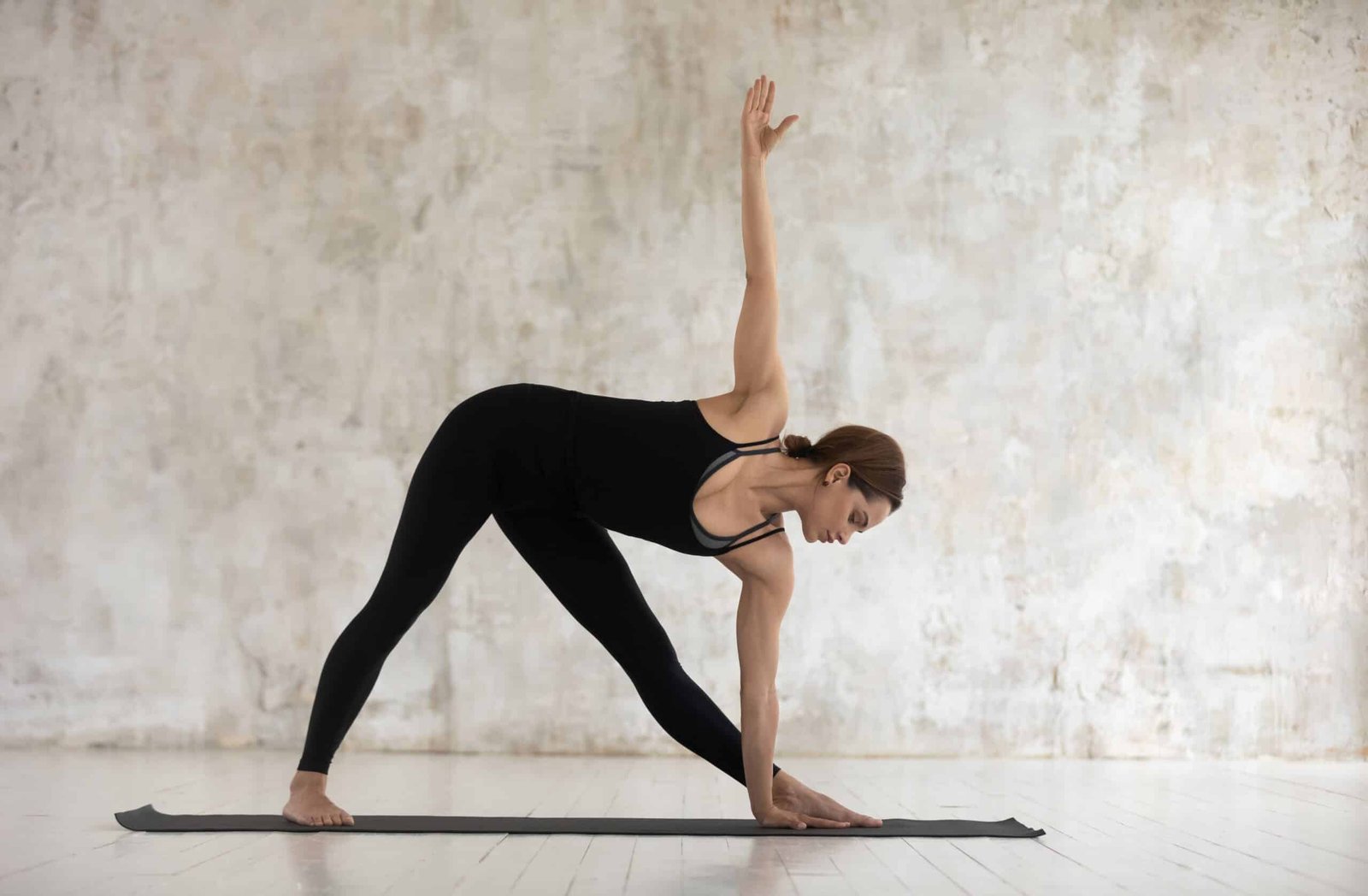
1 approved label-and-packaging set prevents obsolete trims. Use woven labels, patches, and polybags only where they add wear-life or required product information.
6. Quality Controls in Responsible Sportswear Production
100-piece sportswear programs need measurable checkpoints before bulk release. Responsible manufacturing in sportswear turns durability into fewer returns, replacements, and discarded garments.
Fabric And Color Control
100% roll inspection should flag holes, stains, shade bands, and weight variation.
Pantone-approved lab dips and wash tests establish color consistency before cutting.
Construction And Recovery Tests
Flatlock and coverstitch seams require defined seam-strength and stretch-recovery standards.
Broken needles trigger documented needle control; defects are isolated, repaired, or rejected.
Buyer Approval And Final Audit
Graded size specs, approved samples, and label artwork make fit and care-label accuracy auditable.
AQL-based final inspection and packaging checks confirm quantities, barcodes, polybags, and acceptance limits.
7. Choosing Responsible Manufacturing in Sportswear Partners
A 100-piece MOQ can support a focused sportswear launch, but it does not prove capability. Compare responsible manufacturing in sportswear partners through documented controls, not the lowest unit quote.
Verify Capability And Records
Ask for comparable activewear samples, material traceability, and current OEKO-TEX, GOTS, WRAP, or BSCI documentation where applicable. Confirm which operations remain in-house and name every subcontractor.
Test The Development Process
Use a pre-production sample to check graded measurements, decoration durability, fit comments, and approval records. Request a dated critical path covering sourcing, sampling, bulk production, inspection, and export handoff.
Compare Total Delivery Risk
Compare 3 quotes by fabric specification, MOQ, defect handling, payment terms, lead time, and shipping readiness—not price alone. Confirm English communication cadence, final-inspection criteria, and destination-market export experience.
8. Common Responsible Manufacturing in Sportswear Mistakes
At a 100-piece MOQ, preventable specification gaps can erase the savings from a low quote. Responsible manufacturing in sportswear needs evidence, tested materials, and signed decisions before bulk release.
Treating Certificates As Proof
One certificate does not verify every mill, trim, or batch; broad claims can damage buyer trust. Request scope, validity, and material-level documents before approving marketing copy.
Pricing Before Total Cost
A 5% lower unit price can create costly rejects when unsupported fabrics, skipped revisions, or weak construction reach customers. Compare approved samples, shrinkage results, and rework exposure—not quotes alone.
Ignoring Small Components
Three overlooked items—hangtags, polybags, and drawcords—can undermine a lower-impact product claim. Specify every trim, retain Pantone and sample approvals, and document final claims before production.
9. Steps to Launch a Responsible Sportswear Line
A 100-piece launch turns responsible manufacturing in sportswear into a controlled sequence, not a claim. Lock the customer, use case, target price, and non-negotiable material requirements before sampling.
Build The Product Brief
One brief should specify sport, fit, size range, color count, target GSM, trims, decoration, and packaging. Attach Pantone references, sketches, and a bill of materials.
100 pieces per style work best when early choices remain fixed after fit approval.
Develop And Approve Samples
Two supplier quotations should compare fabric composition, MOQ, sample cost, lead time, and testing scope. Shortlist partners that document material origin and sample revisions.
One approved tech pack should lock graded measurements, seam types, labels, artwork files, and tolerances before the purchase order.
Control Bulk And Learn
Before bulk cutting, approve a pre-production sample and inspection checkpoints for fabric, printing, measurements, and packing. Plan freight mode, carton marks, and delivery date with production timing.
30 days after launch, collect returns, fit comments, wash feedback, and sell-through data to improve the reorder brief.
10. Responsible Sportswear Pricing and Cost Factors
100-piece orders carry the highest sampling, pattern, certification-documentation, and setup burden per unit. At 250–500 pieces, fabric, trims, and packing runs spread fixed costs, although recycled polyester, 180–300 GSM weights, and color complexity can offset savings.
2 approved samples—fit and pre-production—reduce costly remake risk. Evaluate responsible manufacturing in sportswear by landed cost, usable yield, quality consistency, and fewer returns, not factory price alone.
| Quantity Tier | Indicative Unit-Price Drivers | Typical Lead-Time Implication |
|---|---|---|
| 100–199 pcs | Custom fabric, low-volume trims, test and sample setup | Sampling plus 30–45 days bulk |
| 250–499 pcs | Better fabric and packaging allocation; simple screen print | 25–40 days after approval |
| 500+ pcs | Lower fixed-cost share; certifications and specialized decoration still add cost | 25–45 days, capacity dependent |
Start Responsible Manufacturing in Sportswear Today
Send your tech pack, sketches or reference images to VeeWen for a production-minded quote and sampling discussion.