
Dress Manufacturers for 100-Piece MOQ Private Label
VeeWen delivers OEM, ODM and private-label dress manufacturers’ support, from fabric sourcing and sampling to inspected bulk production.
Featured Products for dress manufacturers Development



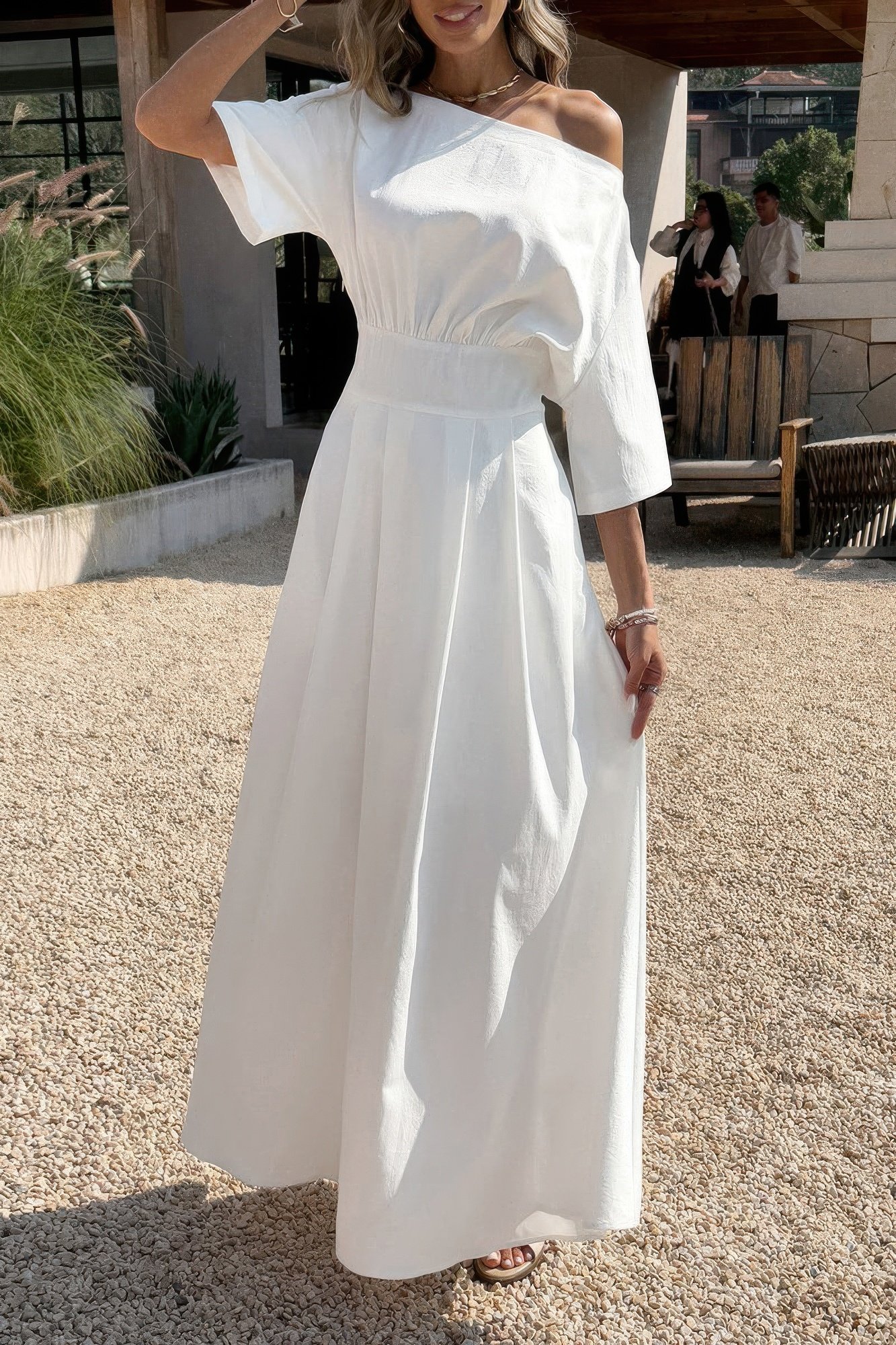
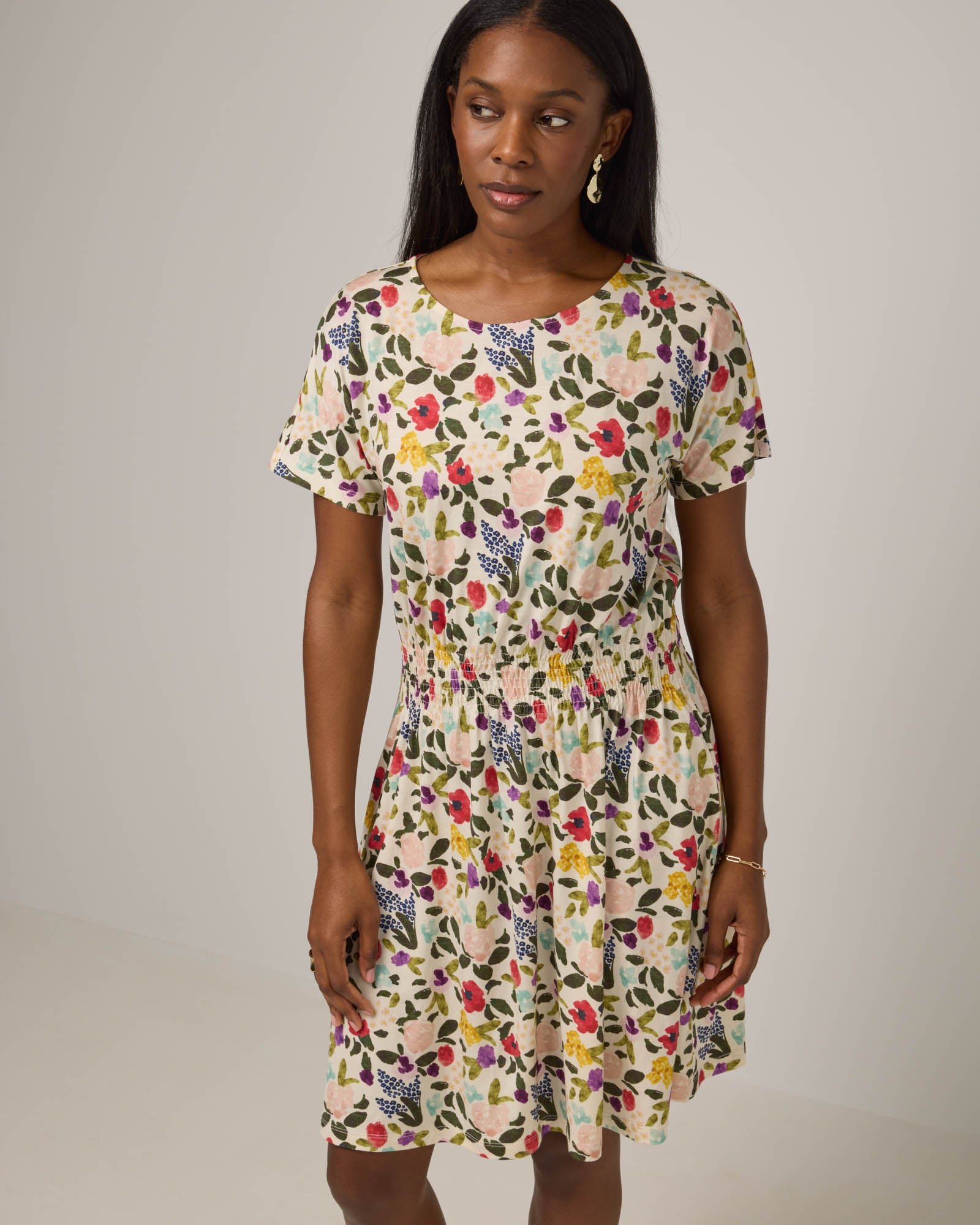


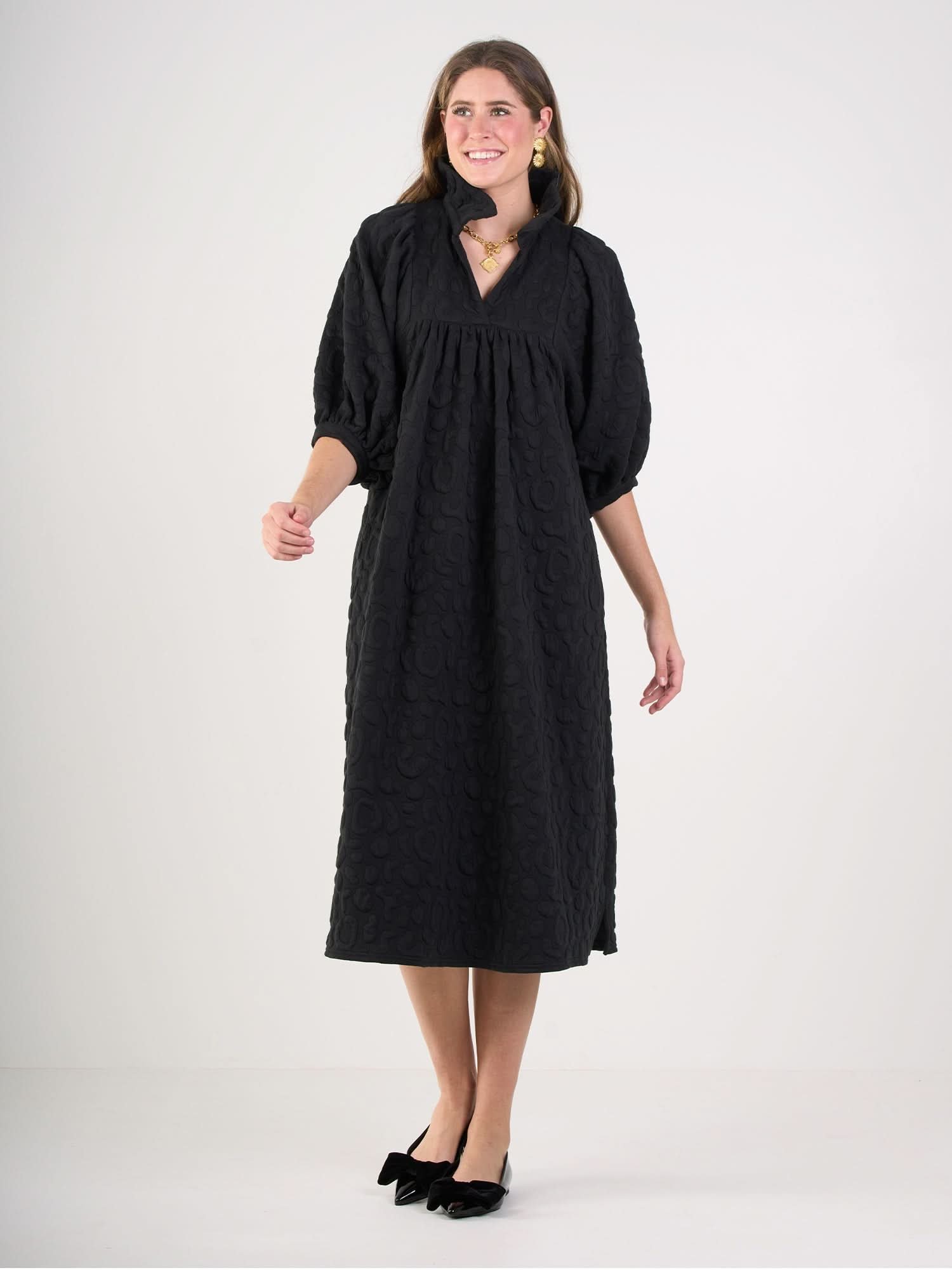

Dress Manufacturers Catalogue & Quotation




Dress Manufacturers with Brand-Ready Production Advantages
From first fabric direction to packed bulk goods, VeeWen keeps custom dress development practical, documented and scalable.
100-Piece Style MOQ
Test a focused dress launch with 100 pieces per style while maintaining repeatable specifications for future reorders.
Material-Led Guidance
Choose fabrics around drape, opacity, weight, stretch, wash behavior, target price and the intended end use.
Approved Sample Control
Review fit, construction, colors and decoration before bulk production, so your approved sample becomes the production benchmark.
Coordinated Decoration
Align embroidery, prints, applique, labels and trims with dress fabric and drape before committing to bulk production.
Documented Quality Checks
Use in-line inspection and final quality checks to confirm measurements, workmanship, packing details and approved production requirements.
More Dress Manufacturers Options and Guides
Compare adjacent product categories, manufacturing options and practical buyer resources from the VeeWen architecture.
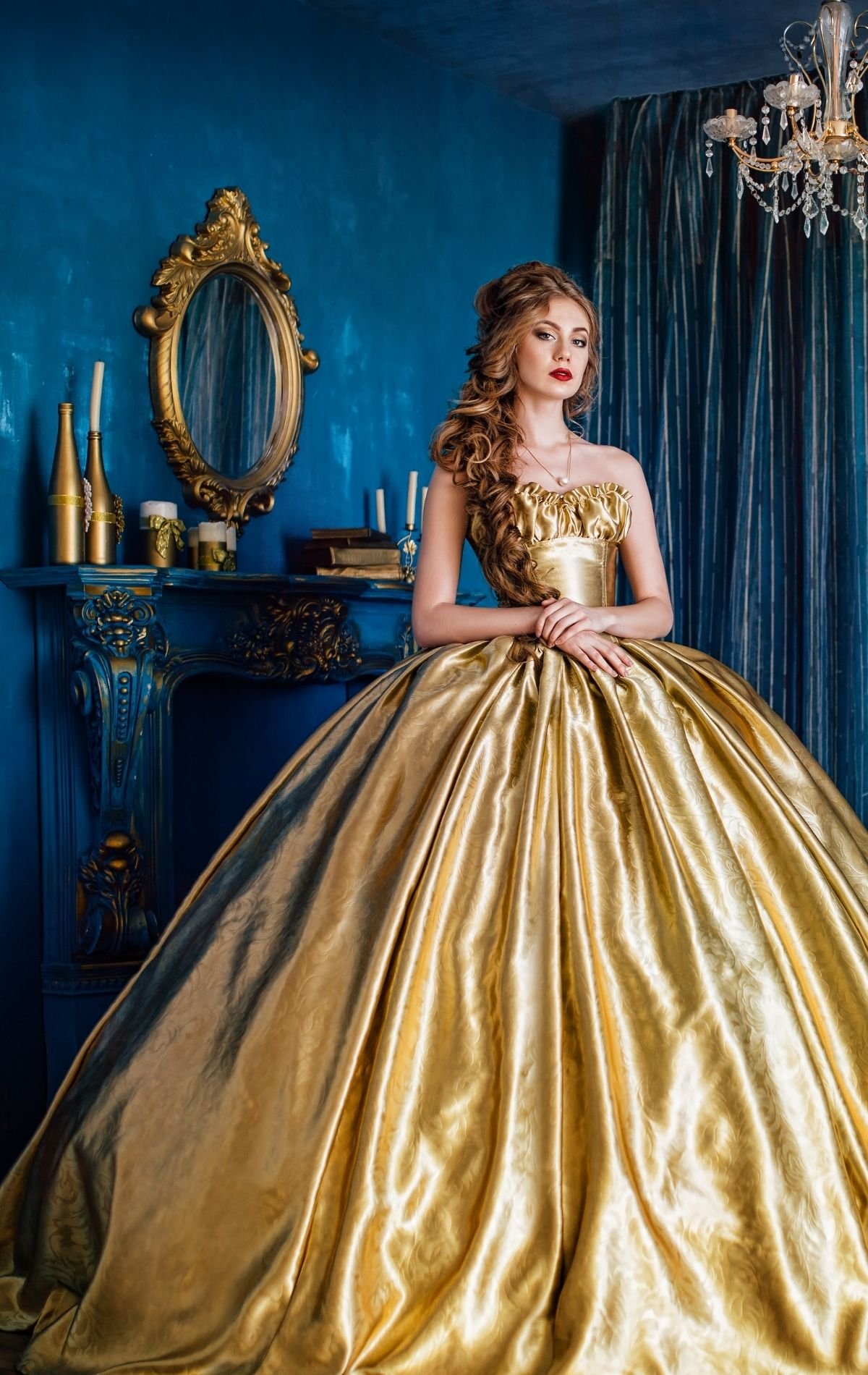
Dresses & Skirts Styles & Specifications
dresses & skirts styles and specifications with 100-piece-per-style OEM development, from fit blocks and fabrics to labels and packing. Request a quote.
Explore Category
Womens Clothing Manufacturers
Women’s clothing manufacturers with a 100-piece-per-style MOQ for OEM, ODM and private-label collections. Send your tech pack and request a custom quote today.
Explore Category
Dress Suppliers in China
Dress suppliers in China with OEM, private-label development and a 100-piece-per-style MOQ. Send your tech pack and request a custom quote today.
Explore CategoryWedding Dress Manufacturers
Wedding dress manufacturers for OEM and private-label bridal programs, from 100 pieces per style with sampling, trims and QC in one workflow. Request a quote.
Explore Category
Custom Clothing Manufacturing
Custom clothing manufacturing from 100 pieces per style, with OEM, ODM, sampling and private-label finishing. Send your tech pack to request a quote.
Explore Category
Apparel Manufacturing Capabilities
Apparel manufacturing capabilities for OEM, ODM and private-label collections from 100 pieces per style, from sampling to packed bulk goods. Request a quote.
Explore Category
Apparel Manufacturing Solutions
Apparel manufacturing solutions with OEM, ODM and private-label production from 100 pieces per style. Send your tech pack and request a custom quote.
Explore Category
Apparel Manufacturing Guides
Apparel manufacturing guide for OEM, ODM and private-label buyers, with 100 pieces per style and end-to-end production support. Request a quote.
Read the GuideMaterials Selected for Dress Fit, Drape and End Use

Satin and Charmeuse
Smooth, lustrous fabrics for slip dresses, evening styles and elevated occasionwear. Their fluid drape creates a clean bias-cut effect; fabric weight and fiber blend determine opacity, snag resistance and how the garment moves.
Rayon Viscose Blends
Soft, breathable fabrics suited to relaxed midi dresses, printed summer styles and draped silhouettes. They offer a cool hand feel and natural-looking movement, while pre-production wash testing helps manage shrinkage and shade variation.

Cotton Poplin
Crisp, breathable woven cotton for shirt dresses, tiered styles and structured casual dresses. Its smooth surface takes print well, and fabric weight influences opacity, seam definition and the amount of body in the skirt.
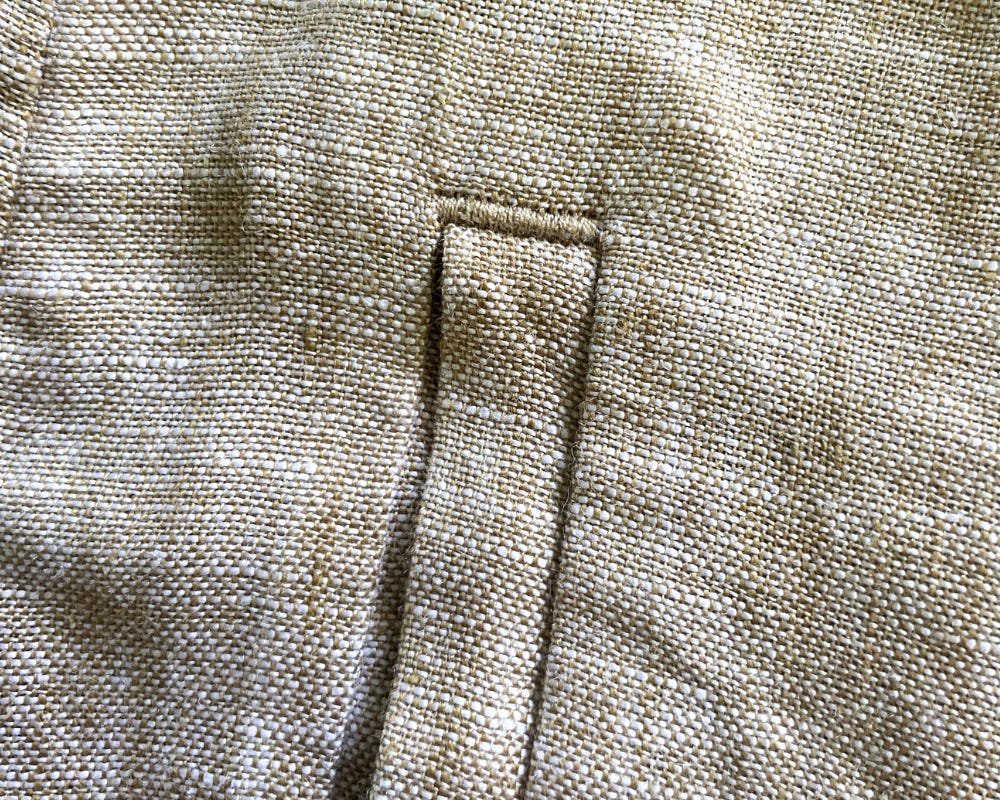
Linen Blend Wovens
Textured, airy fabrics for warm-weather dresses, resort capsules and relaxed tailored shapes. Linen blends provide breathable dry hand feel with improved crease recovery; blend ratios affect drape, shrinkage and the finished wash appearance.

Stretch Knit Jersey
Comfortable, flexible knit fabric for bodycon dresses, casual T-shirt dresses and fitted sets. Cotton, rayon or polyester blends can be selected for softness and recovery, while weight and elastane content control coverage and shape retention.

Polyester Performance Fabrics
Durable, easy-care fabrics for pleated dresses, uniforms, active-inspired styles and high-volume programs. They can deliver stable color, wrinkle resistance and quick drying, with weave construction chosen to balance structure, breathability and drape.
Dress Manufacturers: Decoration and Finishing Processes

Screen Printing
Screen printing applies durable artwork to jersey, cotton and selected woven dresses. Water-based inks keep a softer hand, while plastisol, puff or high-density inks create bolder coverage with more surface texture and structure.

Flat Embroidery
Flat embroidery adds refined logos, monograms and placement details to dresses with stable fabric support. Dense stitching delivers lasting definition, but can affect drape on lightweight fabrics, so backing and stitch count require careful testing.

Sublimation Printing
Sublimation fuses full-color artwork into polyester-based dress fabrics for smooth, breathable coverage that will not crack or peel. It is ideal for all-over graphics, but requires suitable synthetic content and does not print on cotton.
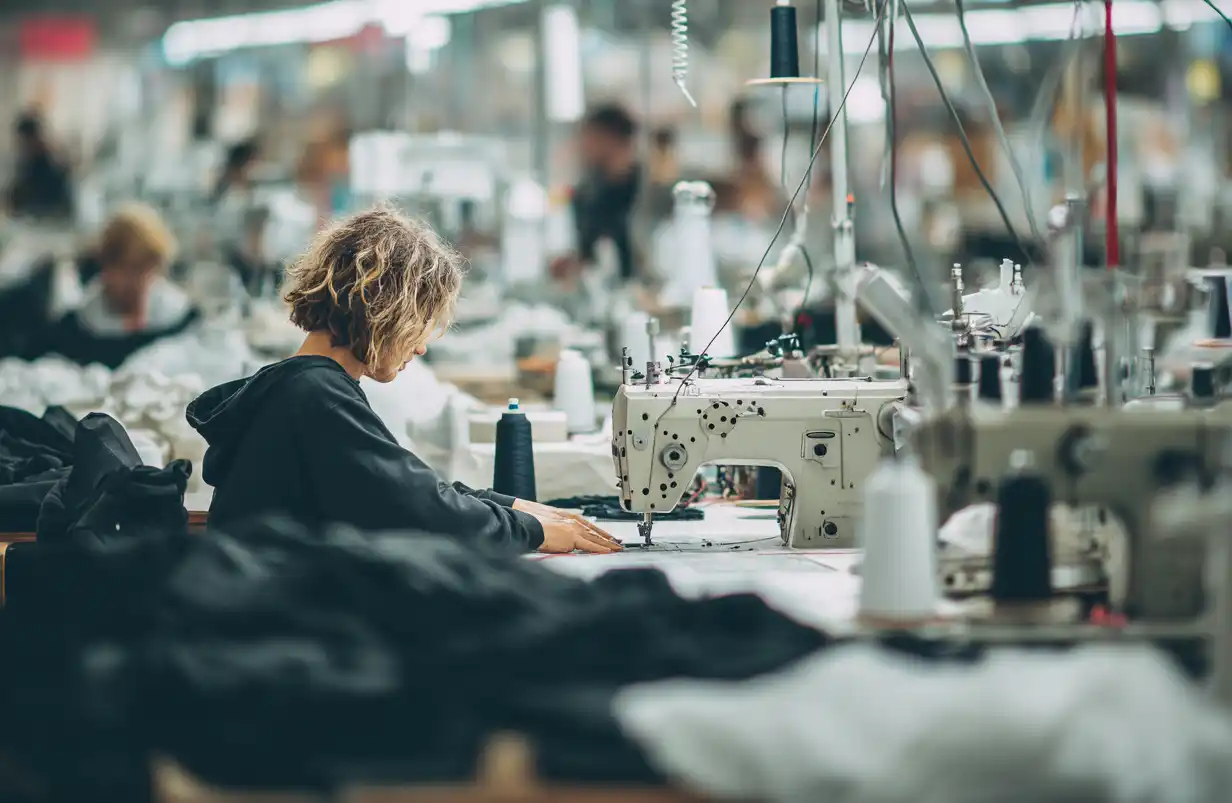
Heat Transfer
Heat transfer is suited to precise small-run graphics, names and detailed multicolor artwork on compatible dress fabrics. The finish offers clean edges and fast visual impact; transfer type should match stretch, wash requirements and fabric heat tolerance.
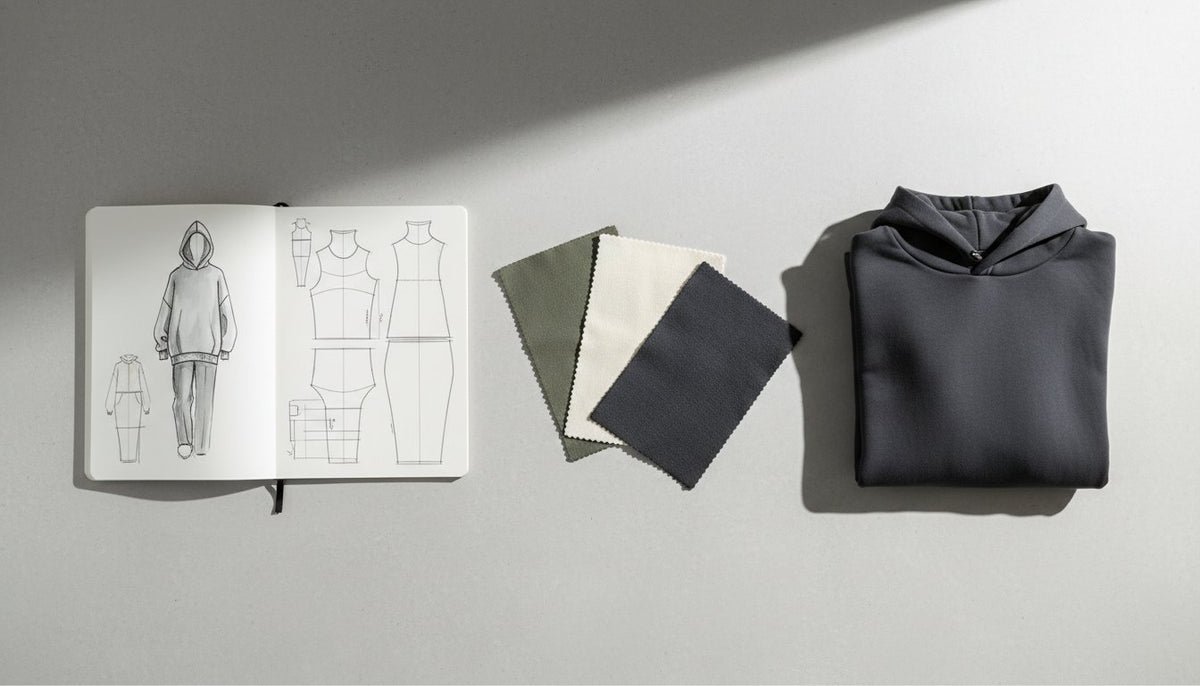
Garment Dyeing
Garment dyeing creates a softened, lived-in color character after construction, especially for cotton dress programs. It can introduce shade variation and shrinkage, making approved wash tests, measurement allowances and consistent lot control essential.

Vintage Washes
Enzyme, acid, stone or pigment washes add faded depth and worn texture to casual dress styles. These finishes shape the garment’s character, yet may alter hand feel, seam appearance and color consistency across production lots.
Private-Label Accessories for Dress Manufacturers

Woven Brand Labels
Add woven main labels, size tabs and care labels to dresses, linings and neck seams. VeeWen coordinates placement, fold type and readable fiber-content information for a polished private-label finish.
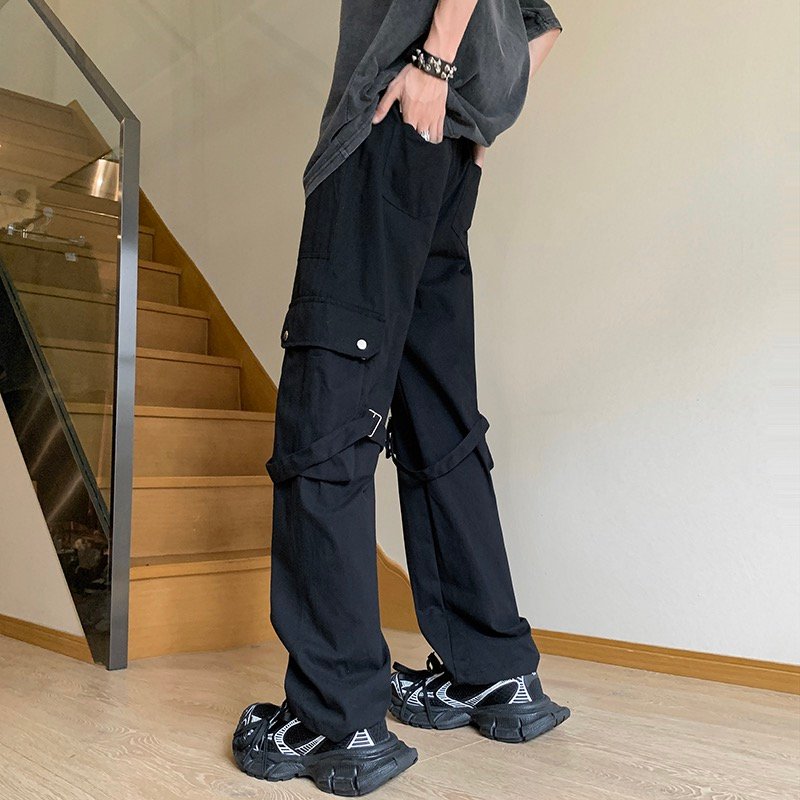

Buttons And Snaps
Choose buttons, covered buttons or snap fasteners for shirt dresses, wrap styles, cuffs and closures. Material, color, size and attachment method are reviewed against fabric weight, drape and intended wear.

Zippers And Pulls
Coordinate concealed, coil or metal zippers for dress backs, side seams and pockets, with custom zipper pulls where appropriate. The selected zipper must support the garment structure without disrupting fit or finish.


Branded Packaging
Finish each order with logo polybags, size stickers, tissue paper or custom inserts. VeeWen helps align packing details with retailer requirements, e-commerce fulfillment needs and your overall private-label presentation.
About VeeWen Dress Manufacturers
Founded in 2016 by ChangKeng Luo, VeeWen began as a hands-on menswear and streetwear production partner in Dongguan, China. Today, our dress manufacturers capability supports brands that need reliable development for women’s styles while retaining the fit, fabric and finishing discipline built for modern collections.
We develop full-category apparel for men, women and children, including custom dresses, through OEM, ODM, private-label and cut-and-sew services. From fabric sourcing and pattern development to samples, approved production, quality checks, branded packaging and shipment coordination, buyers work with one accountable team.
What sets VeeWen apart is a direct, specification-led workflow. We explain how fabric weight affects drape, how washes influence shrinkage and shade, and how trims affect timing. With a standard 100-piece-per-style MOQ, emerging and established labels can develop focused, repeatable collections with clarity.

Dress Manufacturers Built for Production-Ready Collections
Clarify Concepts Into Specifications
VeeWen helps turn sketches, reference garments, inspiration images, or initial ideas into clear dress specifications before sampling begins. As experienced dress manufacturers, we align silhouette, construction, measurements, fabrics, trims, and target use so the development brief is practical for production.
- Review sketches, references, and intended customer use
- Define silhouette, length, neckline, closures, and key construction details
- Translate visual direction into measurable production requirements
- Flag cost, lead-time, and manufacturability trade-offs early
Develop Fabric, Drape, and Fit
Dress performance depends on how fabric, pattern, and finishing work together. VeeWen sources materials around the required hand feel, weight, opacity, stretch, and drape, then develops samples for fit review across the agreed size range before bulk approval.
- Match fabric weight and drape to the intended silhouette
- Assess opacity, stretch recovery, shrinkage, and wash behavior
- Refine fit through sample comments and graded measurements
- Support dresses for women, children, uniforms, and coordinated collections

Test Decoration Before Bulk
Print, embroidery, wash effects, and branded trims are tested on the selected garment and fabric combination rather than assumed from a concept board. This protects the dress shape, surface finish, and durability while confirming the appearance buyers approve for production.
- Test screen print, transfers, embroidery, patches, and labels
- Check placement, color response, adhesion, and embroidery density
- Evaluate how wash treatments affect shade and dimensional change
- Confirm branded packaging and trim details before bulk release
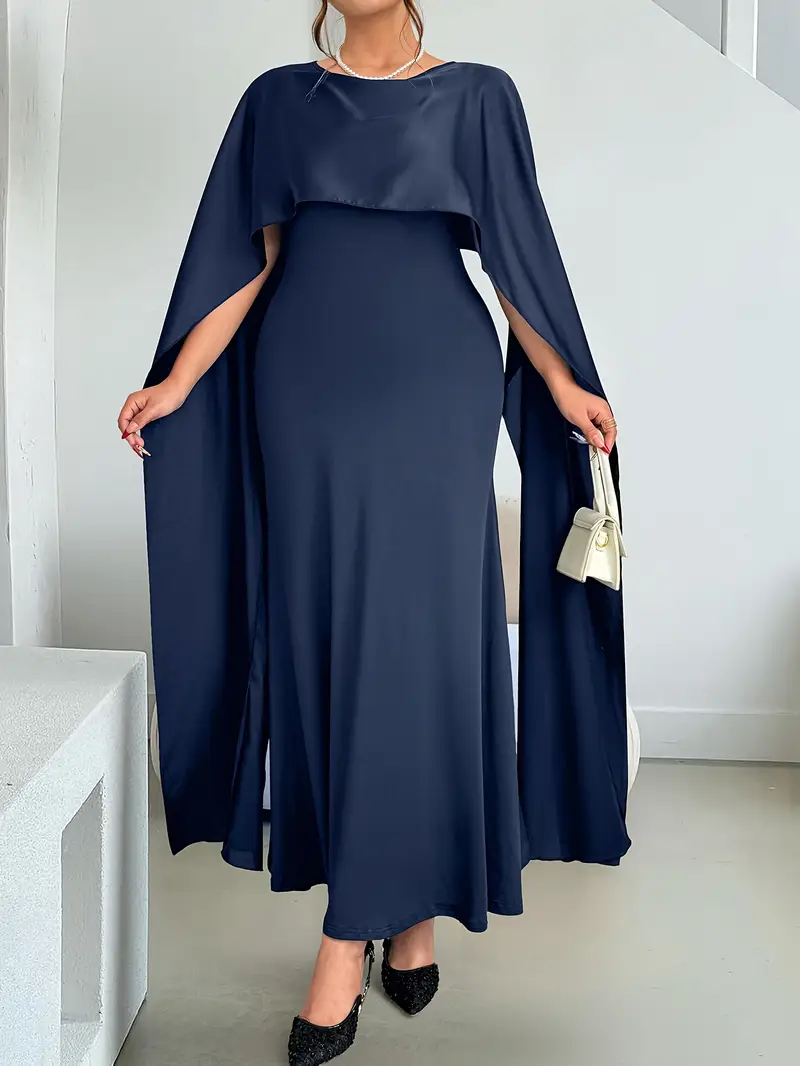
Control Bulk Quality at Every Stage
From approved pre-production samples to packed goods, VeeWen maintains documented checkpoints across cutting, sewing, finishing, inspection, and packaging. The 100-piece-per-style MOQ gives brands a focused starting point while keeping specifications repeatable for future dress reorders.
- Confirm a pre-production sample before bulk manufacturing
- Inspect workmanship, measurements, color, and finishing in line
- Complete final quality checks before packing and shipment coordination
- Keep labels, hangtags, polybags, and carton requirements aligned

Why Choose VeeWen Among Dress Manufacturers
Compare a 100-piece MOQ, visual development, approved samples, and accountable coordination.
← Swipe left or right to view →
Dress Manufacturers’ Production Process
A documented workflow that turns approved dress specifications into packed bulk goods with clear checkpoints at every stage.
Source Fabrics and Trims
We confirm target hand feel, drape, weight, color, price and end use, then source suitable fabrics, linings, closures, labels and packaging components.
Develop Patterns and Samples
Our team translates your tech pack, sketch or reference into patterns and samples, reviewing fit, graded measurements, construction details and decoration placement before approval.
Confirm Pre-Production Details
After sample approval, we lock fabric, color, measurements, trims, wash direction, artwork and packing specifications so production follows one confirmed reference standard.
Cut Sew and Decorate
Bulk garments move through cutting, sewing, pressing and required printing, embroidery or finishing processes, with production decisions aligned to the approved sample and specifications.
Inspect Pack and Coordinate
We conduct in-line inspection and final quality checks, verify labeling and packing details, then prepare completed orders for shipment coordination with your chosen logistics arrangement.
How to Work With VeeWen Dress Manufacturers
Move from an initial dress concept to packed bulk goods with clear approvals, practical production guidance and one accountable manufacturing partner.
Send Your Design Brief
Share a tech pack, sketch, reference sample, inspiration images or initial idea. We clarify silhouette, fit, fabric, decoration, sizing and private-label requirements.
Confirm Quote and Sample
Review the proposed specifications, 100-piece-per-style MOQ, pricing and development direction. We create a sample so you can assess construction, drape, fit and finishes.
Approve Production Details
Confirm the revised sample, graded measurements, materials, colors, artwork, trims, labels, packaging and pre-production details before bulk work is scheduled.
Launch Bulk Manufacturing
VeeWen coordinates fabric sourcing, cutting, sewing, decoration, in-line inspection, final quality checks, packing and shipment preparation for your approved dress order.
Documented Standards for Buyer Review

Applicable material certificates and scope documents can be reviewed against the selected fabric and production order.

GOTS-related material and chain documentation is matched to the selected program and verified for current scope before use.

Current social-compliance audit documentation can be supplied for buyer review and onboarding when applicable.
Responsible-sourcing and audit records can be reviewed with the VeeWen team for the relevant factory and order scope.

Order-specific material declarations and test documentation are reviewed for applicable REACH requirements; this neutral icon denotes documentation rather than an official REACH certification logo.
Why Brands Choose VeeWen Dress Manufacturers
VeeWen turned our reference images into three approved dress samples in one development round. The graded fit notes were clear, and our first 240-piece launch arrived with consistent measurements across all sizes.
We tested a 100-piece capsule before committing to a larger run. The fabric recommendation gave the slip dress the drape we wanted, and the approved sample became a reliable specification for our 600-piece reorder.
Our team needed private labels, custom hangtags, and carefully packed event dresses on a fixed deadline. VeeWen kept us updated through production and delivered 180 finished units ready for our retail partners.
Dress Manufacturers FAQ
Clear answers for OEM dress sampling, production, payment and delivery planning with VeeWen.
What is the MOQ for dress manufacturers at VeeWen?
Can dress manufacturers develop a dress from my sketch or reference image?
How long does OEM dress sampling and bulk production take?
What fabrics can you source for custom dresses?
Do you offer private labels and custom packaging for dress orders?
What payment terms do you offer for custom dress production?
Can dress manufacturers ship orders internationally?
How do you protect my dress design and brand information?
The Complete Buyer’s Guide to dress manufacturers
Use a practical decision framework to compare supplier models, fabrics, customization, quality controls, pricing, and onboarding steps—while avoiding sourcing mistakes that delay production, weaken margins, or compromise your brand standards.
1. What Are dress manufacturers?
2016 is when VeeWen began operating as a production partner: dress manufacturers convert a sketch, tech pack, reference sample, or product idea into approved samples and packed bulk garments.
3 common models define the role. OEM follows buyer specifications; ODM contributes product-development direction; private-label programs add branded labels, trims, and packaging to production-ready garments.
100 pieces per style is VeeWen’s standard MOQ, suitable for focused launches. A factory controls development and production; a trading company coordinates suppliers, while a wholesaler sells finished stock. The key question is whether the partner matches your concept, volume, quality standard, and target market.
2. Evolution of Dress Production
1950s garment production was dominated by local ateliers for custom work and large factories for standardized runs. Global sourcing later separated design, fabric, sewing, and logistics across countries, making price and capacity easier to scale but communication slower.
1990s digital pattern files, Pantone standards, email, and sample photography began shortening approval loops. Buyers now expect quicker sampling, documented material choices, ethical-sourcing questions, and direct-to-factory feedback rather than relying only on trading intermediaries.
100-piece MOQ programs reflect the current shift toward focused launches and repeatable reorders. China remains central to scalable garment manufacturing because coordinated fabric, trim, decoration, and sewing supply chains let dress manufacturers balance customization with production control.
3. Types of dress manufacturers
Six sourcing models differ most in ownership, development depth, MOQ, and scale. Match the model to your launch risk before comparing dress manufacturers on price alone.
OEM And ODM
OEM factories build your approved tech pack; ownership and fit control stay with the buyer. ODM suppliers adapt existing blocks, shortening development but limiting exclusivity.
- OEM: 100–500-piece style MOQs
- ODM: faster sampling, less control
Private Label And Cut-And-Sew
Private-label specialists add labels to proven styles for rapid launches. Cut-and-sew workshops develop custom patterns and samples, usually at higher unit cost but with tighter creative control.
- Private label: lowest development burden
- Cut-and-sew: best for distinctive fit
Full Package And Mass Production
Full-package providers coordinate fabric, trims, production, packing, and shipment for growing brands. High-volume factories deliver lower costs and capacity, but often require 1,000+ pieces per style and slower approvals.
- Full package: one accountable workflow
- Mass production: scale over flexibility
4. Fabrics Used by dress manufacturers
Fabric determines a dress’s silhouette before decoration begins. Weight, fiber blend, weave, and finishing govern drape, comfort, print results, wash behavior, perceived value, and landed cost.
| Fabric | Weight Or Character | Best Dress Use | Sourcing Consideration |
|---|---|---|---|
| Cotton | 120–200 GSM breathable | Shirt dresses | Shrinkage and printability |
| Linen | Crisp, airy woven | Summer styles | Wrinkle acceptance |
| Viscose | Soft fluid drape | Midi dresses | Wet shrinkage |
| Polyester | Durable, easy care | Pleated dresses | Heat and static |
| Satin/Chiffon | Lustrous or sheer | Occasion dresses | Lining needed |
| Jersey blends | Stretch, recovery | Casual dresses | Opacity and pilling |
Wovens And Fluid Fabrics

120–200 GSM cotton, linen, rayon/viscose, polyester, satin, and chiffon suit structured to fluid dresses. Linen wrinkles; viscose drapes but needs shrinkage testing; satin and chiffon require careful seam and lining choices.
Knits And Blends

160–260 GSM jersey gives stretch and easy comfort for body-skimming or casual dresses. Cotton-elastane improves recovery, while polyester blends add durability and easier care; confirm pilling, opacity, and print method on an approved sample.
5. Customization and Decoration Options
At VeeWen, dress manufacturers can develop silhouette, graded sizing, Pantone colorways, fabric, trims, labels, hangtags and packaging from one approved sample. Keep each added process tied to a visible brand requirement.
| Method | Visual Effect | Durability | Best Volume | Cost |
|---|---|---|---|---|
| Screen print | Bold graphic | High | 100+ pieces | Low to medium |
| Embroidery | Textured premium | High | 100+ pieces | Medium to high |
| DTF transfer | Full-color detail | Medium | Small runs | Medium |
Specify The Product

100-piece style minimums suit a focused color launch. Confirm neckline, length, ease, closures and size chart before sampling.
- Choose woven, knit, satin or stretch fabric
- Approve zipper, button and label placement
Match Decoration To Volume

1 placement is easier to control than layered effects. Test decoration on the actual fabric before bulk approval.
6. Dress Construction Quality Essentials
A reliable dress begins with a repeatable pattern, not a showroom sample. Dress manufacturers should document construction tolerances before bulk cutting, because small errors compound across a graded size run.
Pattern And Measurements
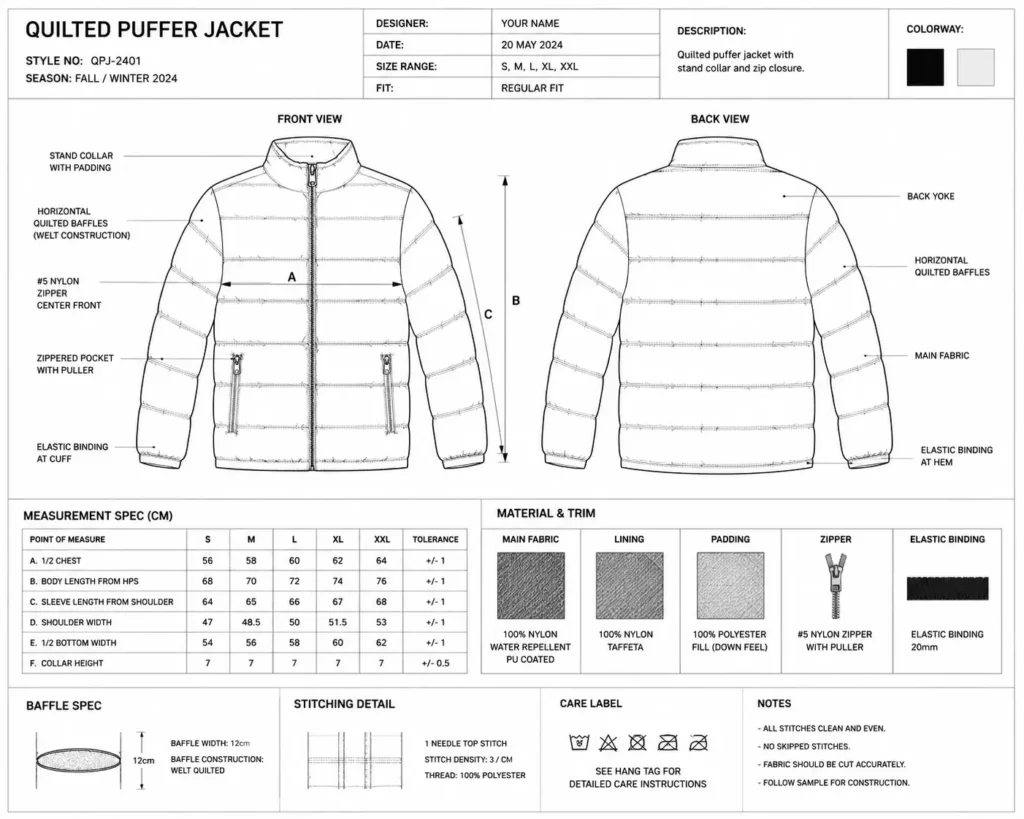
2–3 cm grading increments must match the approved measurement chart. Request POM diagrams, tolerance limits, and a size-set sample before production.
Seams And Reinforcement
10–12 stitches per inch suits many woven seams, while stress points need bartacks or reinforced tape. Specify seam type, hem depth, lining attachment, and closure placement in the tech pack.
Wash And Final Checks
3% or less shrinkage is a practical target after the agreed care test. Approve zipper operation, shade consistency, colorfastness, measurements, loose-thread removal, and packed-goods inspection checkpoints.
7. How to Choose dress manufacturers
Three checks separate a capable supplier from a persuasive quotation: relevant dress experience, documented development control, and reliable export communication. Require evidence before approving any bulk commitment.
Match Product Experience
100-piece MOQs suit focused tests, but confirm comparable silhouettes, fabrics, and trims. Review a finished sample for measurements, seam quality, shade, and wash behavior.
Verify Production Controls
2 checkpoints matter most: pre-production approval and final inspection. Request fabric specifications, trim approvals, certifications where required, capacity windows, and written lead-time commitments.
Validate Before Deposits
30% deposits are common, yet payment terms should follow documented milestones. Use video audits, buyer references, export records, and a signed specification covering Pantone, grading, packing, defects, and shipment.
8. Common Buyer Sourcing Mistakes
Three preventable decisions create most sourcing delays: unclear specifications, unvalidated production assumptions, and price comparisons that omit execution risk. Dress manufacturers should be evaluated against an agreed production brief, not a headline quote.
Comparing Quote Headlines
100-piece quotes can exclude labels, grading, tests, packing, duties, and freight. Request a line-item quotation with Incoterms, payment stages, and sample charges before approving.
Approving Incomplete Specifications
1 missing measurement tolerance or Pantone reference can produce inconsistent bulk goods. Send a complete tech pack, graded size chart, artwork files, trim list, and approved pre-production sample.
Ignoring Timing And Ownership
2–6 week sample and bulk windows can expand for washes, embroidery, or delayed approvals. Lock a critical path, define delivery terms, and protect artwork, patterns, labels, and confidential files in writing.
9. Launching a Dress Brand Step by Step
100-piece MOQ programs work best when the first drop is tightly specified. Lock target customer, retail price, delivery date, and one fit direction before development begins.
Brief And Development
Week 1: finalize sketches, measurements, size range, color count, fabric weight, trims, and decoration in a tech pack.
Week 2: approve fabric swatches and a first sample; record every fit, shade, and construction revision.
Production And Launch
Before bulk: sign off the pre-production sample, packaging artwork, carton marks, inspection standard, and freight plan.
During production: compare in-line checks against the approved sample, then prepare product photography, SKU data, and launch inventory.
10. dress manufacturers Pricing and Costs
100-piece MOQ programs usually carry higher unit costs because patterns, markers, sampling and setup are spread across fewer garments. Compare each quote against the same fabric composition, GSM, construction, decoration coverage, trim list, packaging and Incoterm.
30–45 days is a practical bulk-production window after sample and pre-production approval; complex washes, embroidery or custom hardware can extend it. Sampling, freight, duties and inspection should be shown separately, since a low ex-factory unit price can conceal landed-cost differences.
| Order quantity | Indicative unit price | Typical bulk lead time |
|---|---|---|
| 100–299 pieces | US$12–28 | 30–45 days |
| 300–999 pieces | US$9–22 | 30–45 days |
| 1,000+ pieces | US$7–18 | 35–50 days |
Start Your Custom Dress Development With VeeWen
Send your tech pack, sketches or reference images to our dress manufacturers team for a clear, production-minded custom quote.