
Competitive Analysis of Dress Products for Wholesale, From 100 Pieces
Compare sourcing options, then develop private-label dress programs with VeeWen’s OEM and ODM workflow, sampling, quality checks, and a 100-piece-per-style MOQ.
Featured Products for competitive analysis of dress products for wholesale Development


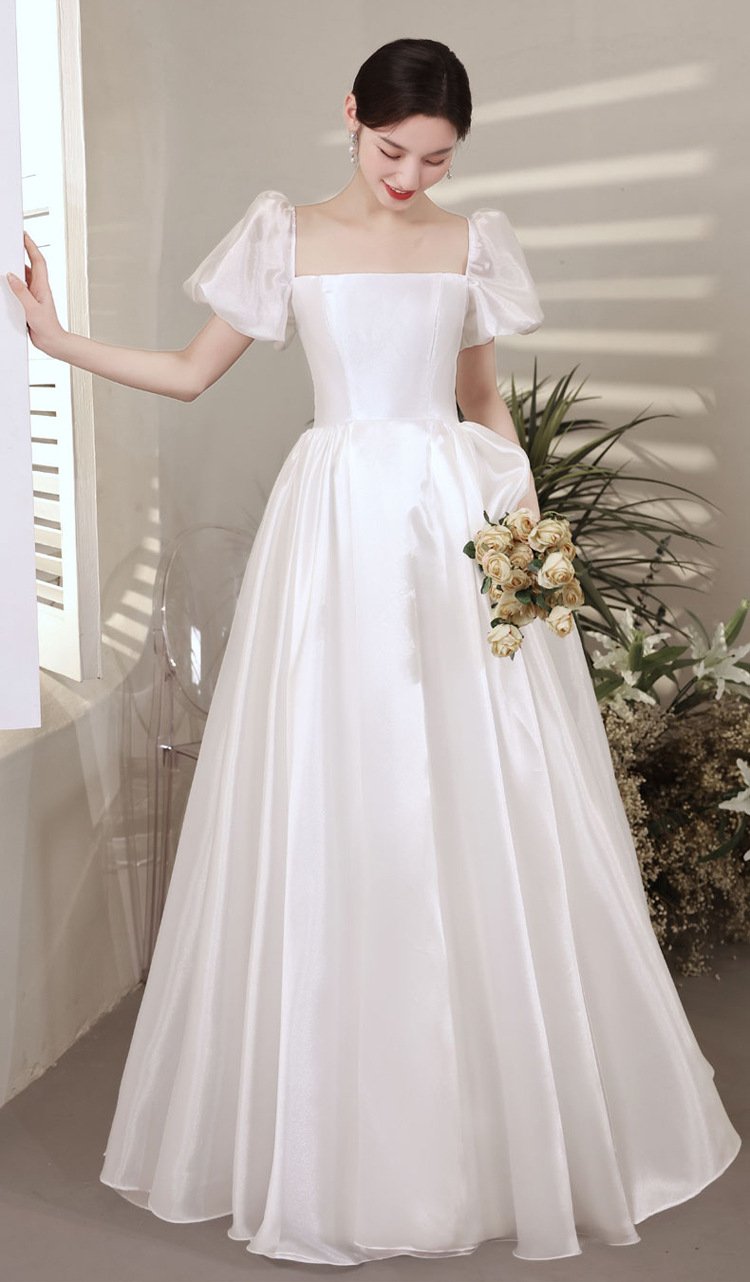


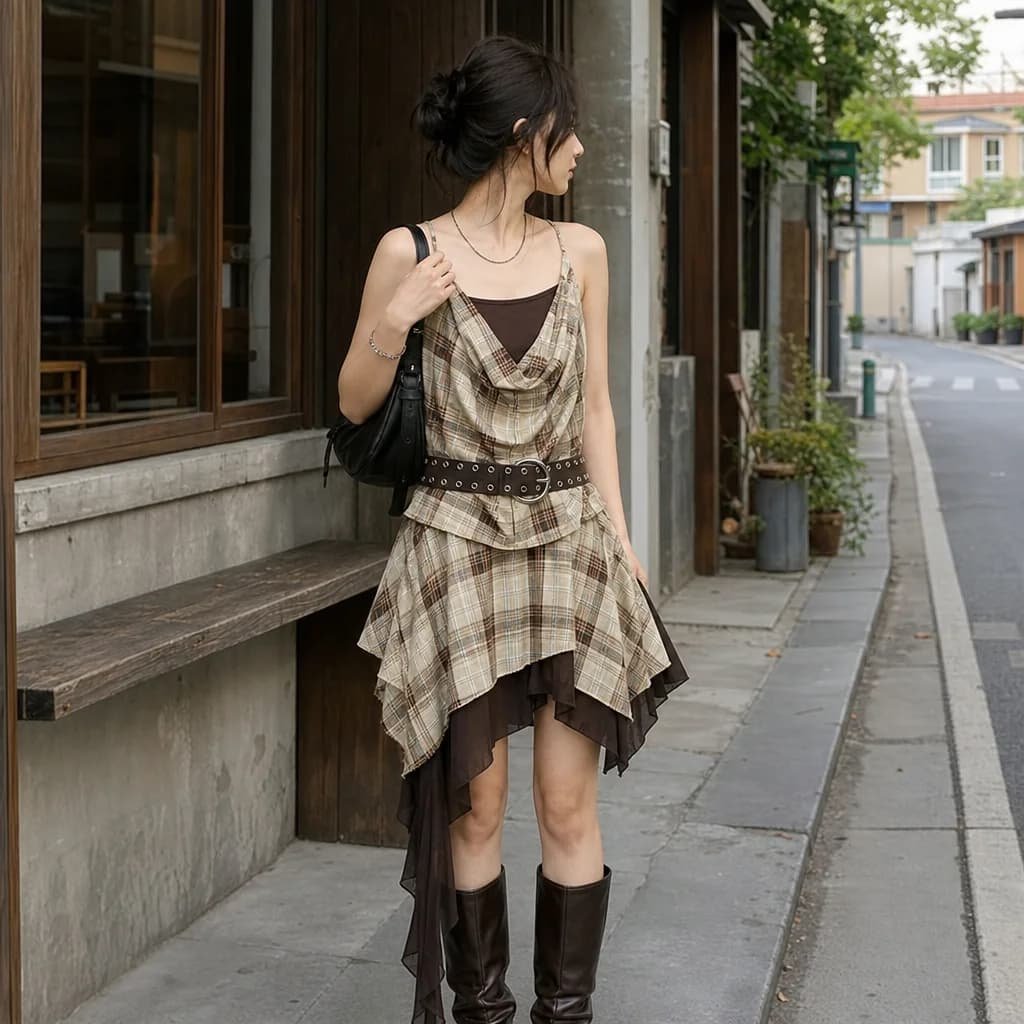


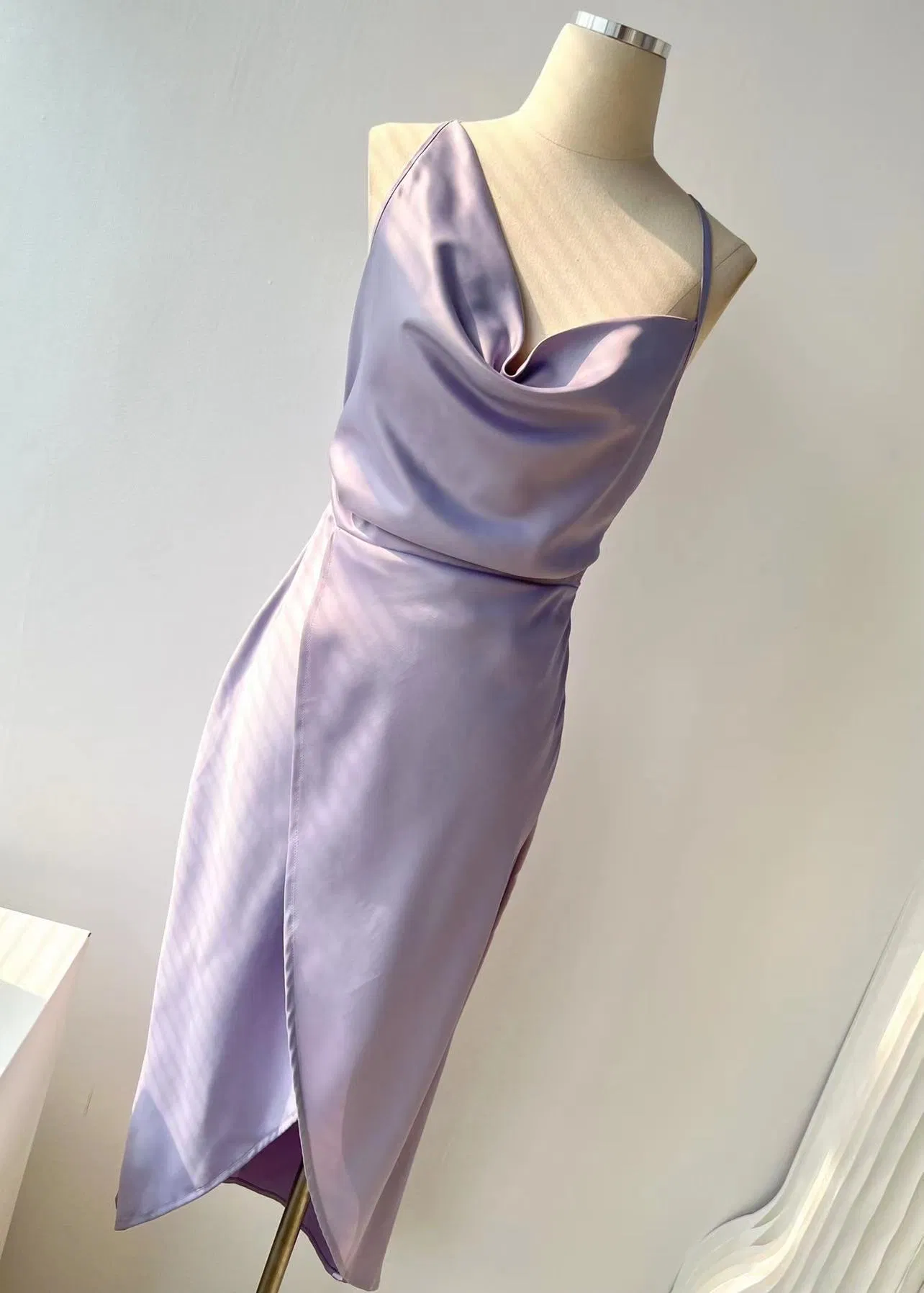


Related Dress Products and Quotation




Why Buyers Choose VeeWen for Competitive Analysis of Dress Products for Wholesale
Production-minded OEM, ODM and private-label support that turns dress concepts into documented, quotable programs from 100 pieces per style.
100-Piece MOQ
Test a focused dress drop from 100 pieces per style while establishing repeatable specifications for future wholesale reorders.
Specification-Led Development
Translate sketches, references or tech packs into practical fit, measurement, construction and grading decisions before bulk production begins.
Fabric and Trim Coordination
Match fabrics, linings, labels, closures and packaging to hand feel, drape, target price and intended end use.
Approved Sample Control
Confirm fit, materials, decoration and finishing through approved samples, reducing uncertainty before dress production moves into bulk.
Documented Quality Checkpoints
Use in-line inspection and final quality checks to keep approved details, construction expectations and packing requirements visible throughout production.
Direct International Communication
Work in clear English with a responsive China manufacturing partner for sampling, production updates, shipment coordination and wholesale questions.
More Competitive Analysis of Dress Products for Wholesale Options and Guides
Compare adjacent product categories, manufacturing options and practical buyer resources from the VeeWen architecture.

Wholesale Dresses & Skirts
Wholesale dresses & skirts manufactured from 100 pieces per style, with OEM development, private labels and coordinated collection sourcing. Request a quote.
Explore Category
Bandage Dress Wholesale
Bandage dress wholesale with a 100-piece-per-style MOQ, private-label development and production coordination from China. Request a custom quote today.
Explore Category
Bandage Dress Production for UK Wholesalers
Bandage dress production for UK wholesalers starts from 100 pieces per style, with OEM development, samples and private-label finishing. Request a quote.
Explore Category
Wholesale Dress Bags
Wholesale dress bags from VeeWen start at a 100-piece-per-style MOQ, with custom fabrics, printing, trims and private-label packaging. Request a quote.
Explore Category
Trendy Womens Wholesale Clothing
trendy womens wholesale clothing with OEM/private-label development from 100 pieces per style. Request a custom quote for samples and bulk production today.
Explore Category
Korean Dress Wholesale
Korean dress wholesale with OEM, ODM and private-label production from 100 pieces per style. Send your tech pack and request a custom quote today.
Explore Category
Price Comparison of White Short Dresses Wholesale
Price comparison of white short dresses wholesale with 100-piece-per-style MOQ, sample-led development and private-label production in China. Request a custom quote today.
Explore Category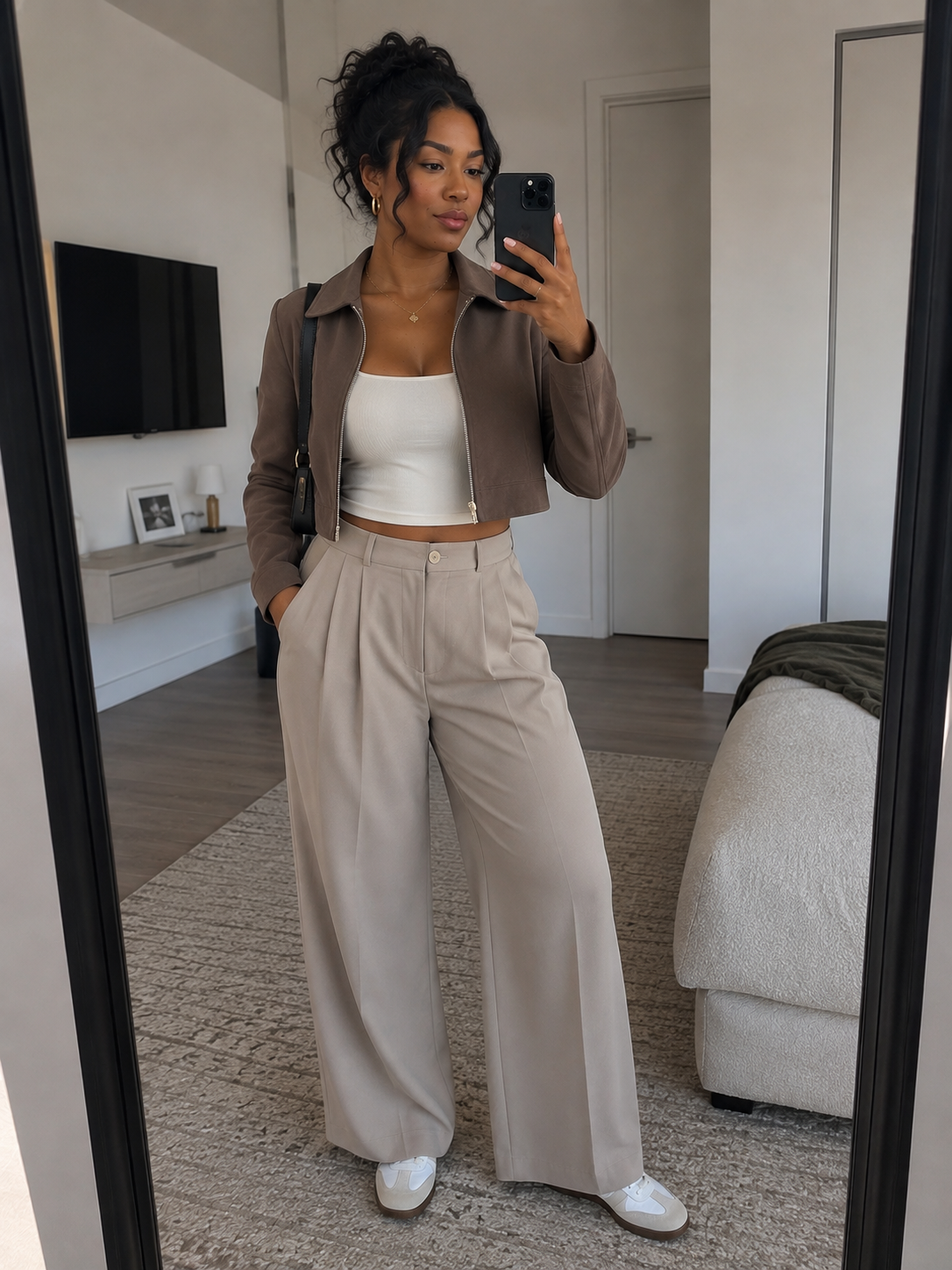
Wholesale Clothing for Tall Women
Wholesale clothing for tall women with OEM fit grading and private-label production from 100 pieces per style. Request a custom quote today.
Explore CategoryCompetitive Analysis of Dress Products for Wholesale: Materials Matched to Drape and End Use

Cotton Poplin
Crisp, breathable cotton poplin suits shirtdresses, summer dresses, and uniform programs. Its smooth, lightweight hand holds clean seams and gathers, though the low stretch and natural creasing require accurate fit allowance and finishing choices.

Linen Blend
Linen blends create an airy, textured hand for resort, casual, and relaxed tailored dresses. Midweight constructions improve opacity and shape retention, while the characteristic slub and creasing should be accepted as part of the intended look.
Rayon Viscose
Rayon and viscose offer a soft, fluid drape for wrap dresses, midi silhouettes, and feminine occasion styles. The fabric falls smoothly at lighter weights, but shrinkage control and careful wash testing are essential before bulk approval.
Satin Weave
Satin delivers a lustrous face and liquid hand for slip dresses, eveningwear, and elevated event collections. Polyester satin offers dependable color and lower cost, while its smooth surface can reveal seam puckering and fit inconsistencies.

Stretch Crepe
Stretch crepe provides a matte, softly textured surface for fitted dresses, workwear styles, and occasion tailoring. Moderate elastane improves comfort and recovery, but fabric weight must be balanced to prevent clinging or overly rigid drape.
Competitive Analysis of Dress Products for Wholesale: Decoration and Finishing

Screen Printing
Screen printing delivers opaque, repeatable artwork for jersey, cotton, and selected woven dresses. Ink choice affects hand feel and stretch, while larger solid areas require sampling to confirm drape and cracking resistance.
Flat Embroidery
Flat embroidery adds a refined, textured logo or motif with strong wash durability. Stitch density, backing, and placement must be tested carefully on lighter dress fabrics to avoid puckering or unnecessary stiffness.

Sublimation Printing
Sublimation bonds full-color artwork into compatible polyester fabrics, producing a smooth surface with no added ink weight. It suits all-over graphics, but color results and fabric composition must be confirmed during development.

Heat Transfer
Heat transfers create precise multicolor graphics, small runs, and detailed placements without screen setup. VeeWen tests adhesion, stretch recovery, and edge feel on the selected dress fabric before bulk production approval.

Garment Washing
Enzyme, pigment, acid, and vintage washes can soften a dress, create tonal character, or deliver a worn-in look. Wash development may change shrinkage, shade variation, and seam appearance, so approved samples are essential.
Private-Label Trims and Accessories for Dress Collections

Woven Brand Labels
Custom woven main labels establish a consistent brand identity inside dresses, from casual jersey styles to satin occasionwear. VeeWen coordinates label size, fold, placement, yarn color, and care-label pairing during sample approval.

Branded Snap Buttons
Snap buttons add functional closure and visible branding to shirtdresses, utility dresses, outer layers, and workwear-inspired styles. We review finish, logo detail, pull strength, placement, and fabric reinforcement before bulk production.

Drawcords and Tipping
Drawcords suit adjustable-waist, hooded, or sporty dress programs, while custom tipping adds controlled color contrast. VeeWen matches cord thickness, end finish, eyelets, and channel construction to the fabric and wash direction.
Branded Retail Packaging
Custom polybags, size stickers, folding instructions, and insert cards help keep wholesale dress orders organized through packing and delivery. Packaging details are aligned with approved labeling, garment protection needs, retailer requirements, and shipment presentation.
A Production-Minded Apparel Partner
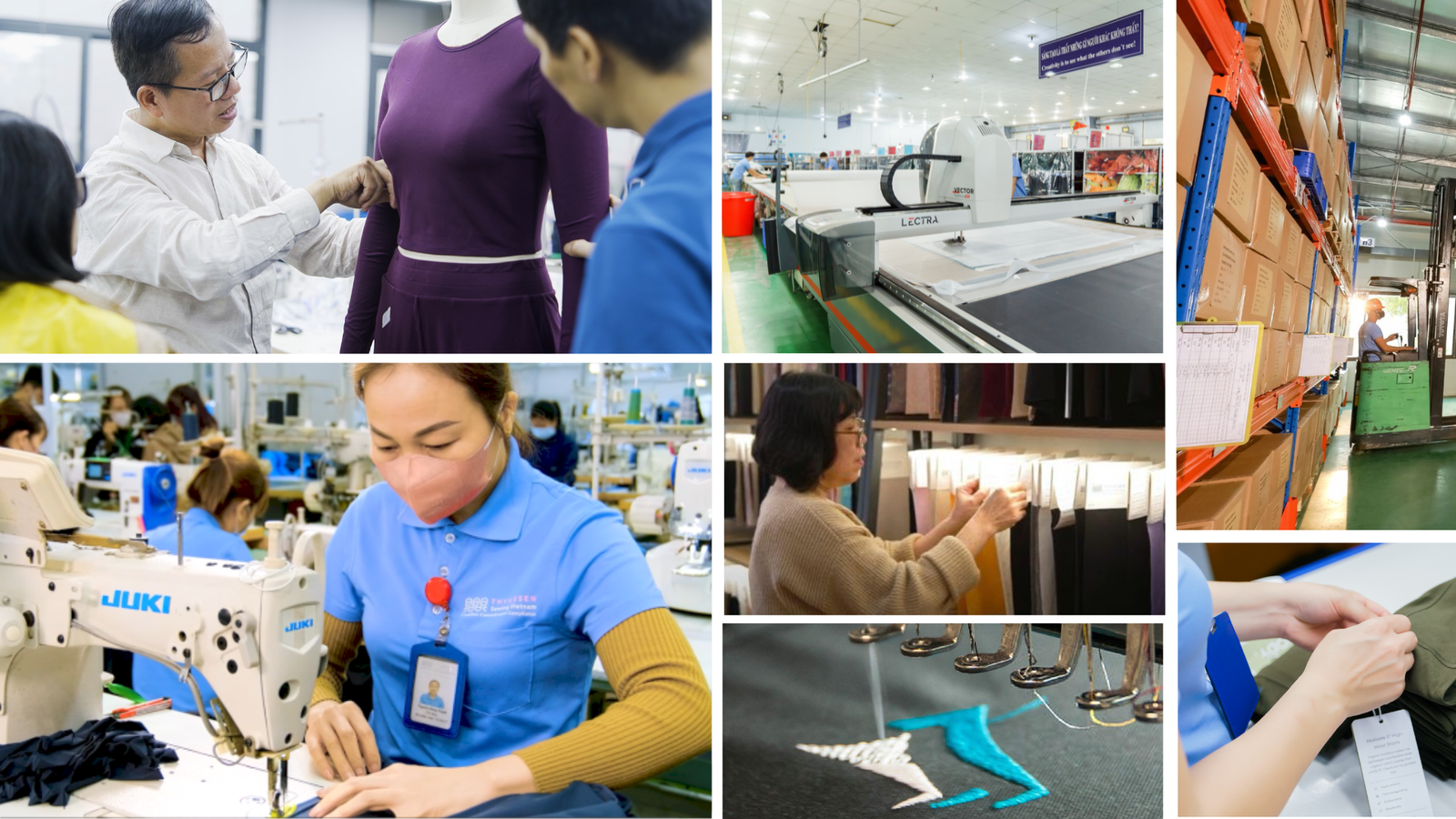
Founded in Dongguan in 2016 by ChangKeng Luo, VeeWen began with a clear focus on menswear and streetwear: turning visual ideas into production-ready garments with practical fit, fabric and finishing decisions behind every specification.
Today, VeeWen brings that production discipline to full-category collections for men, women and children, including wholesale dress programs. From competitive analysis of dress products for wholesale through material sourcing, sampling, bulk production, quality checks and packed goods, buyers work with one accountable partner.
What differentiates VeeWen is a direct, visual workflow built around approved samples and documented checkpoints. With a standard MOQ of 100 pieces per style, brands can develop focused launches while maintaining repeatable specifications for future reorders.

Competitive Analysis of Dress Products for Wholesale: Core Capabilities
Clarify the Design Intent
VeeWen converts references, sketches, tech packs, and sample garments into buildable dress specifications. Our team clarifies silhouette, ease, neckline, seam placement, length, grading, and construction details before sampling, so a visual concept becomes a repeatable production standard.
- Pattern development based on fit and construction requirements
- Practical review of measurements, grading, and wearing ease
- Sample feedback captured before bulk approval

Source Materials With Purpose
Material decisions are matched to the intended drape, hand feel, opacity, garment weight, target price, and end use. For wholesale dress programs, VeeWen helps buyers compare suitable cotton, rayon, viscose, satin, knit, linen-blend, and stretch fabric directions before committing.
- Fabric recommendations aligned with silhouette and season
- Consideration of shrinkage, shade variation, and care needs
- Options balanced against quantity and target cost

Test Decoration Before Bulk
Print, embroidery, trims, and wash effects can change how a dress hangs, feels, and performs. VeeWen tests proposed decoration methods during development, helping buyers confirm placement, density, color appearance, and fabric compatibility before the approved pre-production sample moves forward.
- Screen print, transfer, embroidery, patch, and label options
- Placement and scale reviewed against dress proportions
- Decoration trade-offs discussed before production timing is set
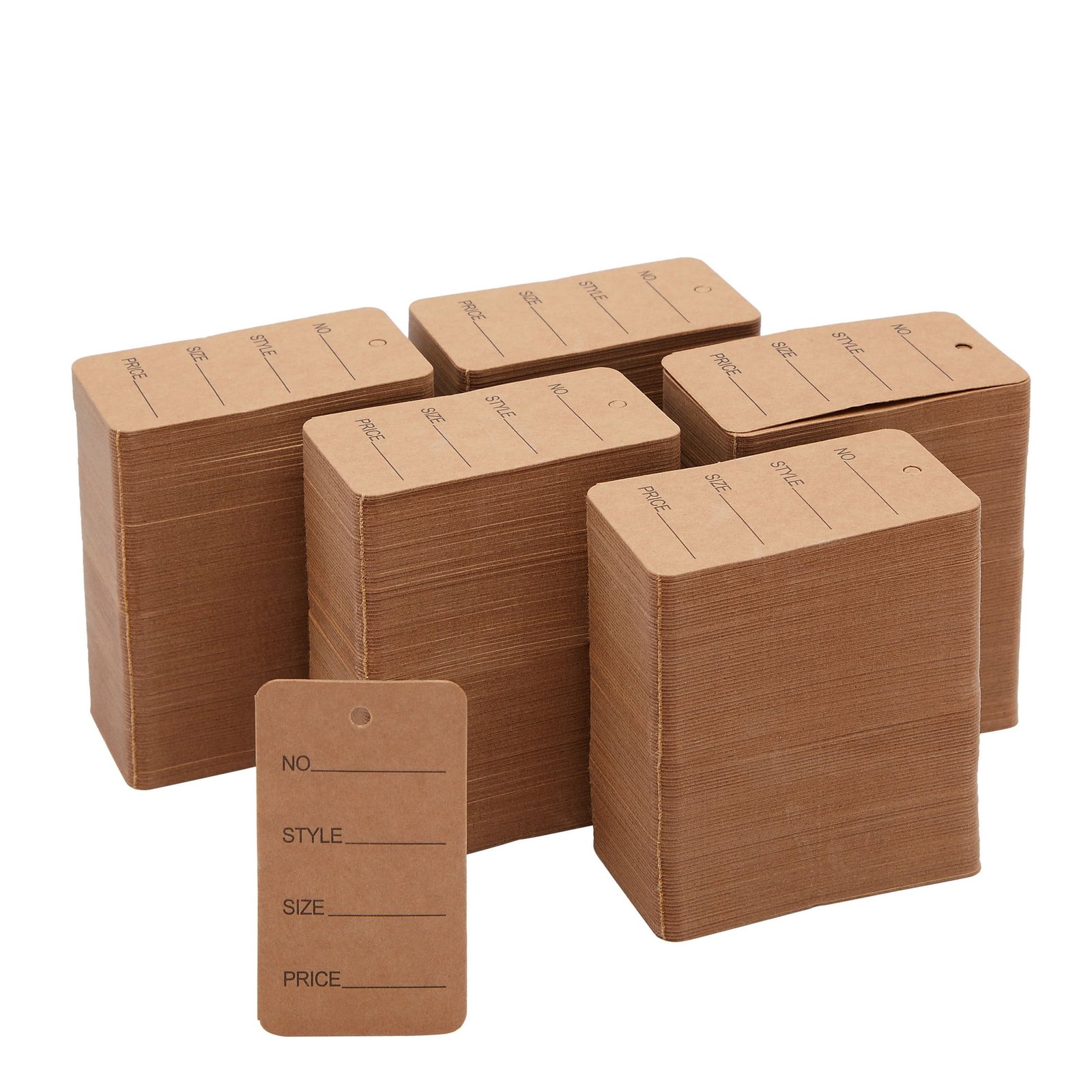
Control Quality With Checkpoints
VeeWen manages sampling, bulk production, in-line inspection, final quality checks, packing, and shipment coordination in one accountable workflow. Documented approvals give wholesale buyers clearer control over fit, workmanship, labeling, packaging, and consistency from first production run to reorder.
- Approved sample and pre-production confirmation checkpoints
- In-line and final inspection for workmanship and specifications
- Private-label labels, hangtags, polybags, and packing coordinated
Competitive Analysis of Dress Products for Wholesale: VeeWen vs. Typical Suppliers
Compare the development controls that turn a dress concept into an approved, repeatable wholesale program.
← Swipe left or right to view →
Competitive Analysis of Dress Products for Wholesale: Production Timeline
A documented VeeWen workflow that turns dress concepts into production-ready wholesale programs, with clear approvals at every decision point.
Clarify Design and Sourcing
Review tech packs, sketches or references; align fit, fabric hand feel, target price, decoration, trims and 100-piece-per-style MOQ requirements.
Develop Patterns and Samples
Create patterns, source suitable materials and produce samples for fit, drape, construction and finishing review before specifications are finalized.
Confirm Pre-Production Details
Approve graded measurements, color standards, labels, packaging, decoration placement and the pre-production sample to establish a documented bulk-production benchmark.
Manufacture and Inspect Bulk
Coordinate fabric, cutting, sewing and finishing while conducting in-line inspections to catch workmanship, measurement and shade issues before completion.
Complete Checks and Shipment
Perform final quality checks, pack approved goods with private-label details and coordinate shipment preparation for clear handoff to your logistics plan.
Competitive Analysis of Dress Products for Wholesale: Start Your VeeWen Program
Move from references to delivery with one production-minded partner and clear approval points at every stage.
Send Your References
Share a tech pack, sketches, reference samples or inspiration images, plus target quantities, price direction and sales-market requirements for your dress program.
Align Specifications and Quote
Confirm fabric, fit, measurements, trims, decoration, packaging and 100-piece-per-style MOQ; VeeWen then prepares a practical quotation and development plan.
Approve Development Samples
Review fit, hand feel, construction, color and branding details. Refine the sample until approved specifications provide a reliable baseline for bulk production.
Confirm Bulk Production
Approve the pre-production details, then VeeWen coordinates fabric sourcing, cut-and-sew manufacturing, in-line inspections and final quality checks against documented requirements.
Coordinate Packing and Delivery
Finalize labels, hangtags, polybags and carton requirements. Receive clear shipment coordination for packed bulk goods ready for your wholesale channels.
Documented Standards for Buyer Review

Applicable material certificates and scope documents can be reviewed against the selected fabric and production order.

GOTS-related material and chain documentation is matched to the selected program and verified for current scope before use.

Current social-compliance audit documentation can be supplied for buyer review and onboarding when applicable.
Responsible-sourcing and audit records can be reviewed with the VeeWen team for the relevant factory and order scope.

Order-specific material declarations and test documentation are reviewed for applicable REACH requirements; this neutral icon denotes documentation rather than an official REACH certification logo.
Competitive Analysis of Dress Products for Wholesale, Proven by Buyers
VeeWen corrected the graded measurements after two sample rounds and gave us a consistent fit across six sizes. Our first 300-piece dress order arrived ready for e-commerce photography and repeat ordering.
Their specification feedback exposed fabric and trim differences between competing wholesale quotes. We finalized three private-label dress styles at 100 pieces each, with approved labels, hangtags, and packing details documented before bulk production.
Communication was direct from reference images through the pre-production sample. VeeWen reduced our revision cycle from five weeks to three and delivered measurement records that made our second-season reorder much easier to release.
FAQ: Competitive Analysis of Dress Products for Wholesale
Clear answers on MOQ, sampling, timing, quality control, shipping and quote preparation for custom wholesale dress programs.
What should a competitive analysis of dress products for wholesale include before I choose a supplier?
Can VeeWen produce dresses with a 100-piece MOQ?
How does a competitive analysis of dress products for wholesale compare sampling costs and scope?
How long do custom wholesale dress samples and bulk orders take?
What payment terms should I expect for an OEM dress order?
Can VeeWen arrange shipping for wholesale dress orders?
How does VeeWen handle quality checks for custom dresses?
How should I assess IP protection in a competitive analysis of dress products for wholesale?
What do I need to send VeeWen for a wholesale dress quote?
Complete Buyer’s Guide to competitive analysis of dress products for wholesale
Use a practical decision framework to benchmark dress assortments, compare supplier capabilities, evaluate quality and cost criteria, and avoid sourcing mistakes that weaken margins, brand positioning, or delivery reliability.
1. What Is Competitive Analysis of Dress Products for Wholesale?
100-piece MOQ is a practical starting point for competitive analysis of dress products for wholesale: compare rival assortments, target customer, retail and wholesale price ladders, fabric weight, construction, color range, customization, and reorder terms. The aim is to identify a gap buyers will pay for, not merely copy a silhouette.
3 evidence sets should align: market listings show price and demand signals; approved samples reveal fit, opacity, shrinkage, seam quality, and decoration limits; supplier responses confirm MOQ, sampling, material availability, lead time, and quality checkpoints. A viable opportunity supports the required gross margin after freight, packaging, and expected returns.
2016-founded Dongguan VeeWen can translate those findings into documented dress specifications, samples, and production checkpoints for a 100-piece-per-style program.
2. Evolution of Wholesale Dress Product Competition
1990s wholesale dress buying centered on seasonal bulk orders, often 500+ pieces per style, with retailers accepting long replenishment cycles and limited color testing.
2010s e-commerce compressed trend feedback into weekly sales data. Global sourcing, 100-piece MOQ programs, and private-label packaging let brands test silhouettes, fabrics, and Pantone colorways before scaling.
2020s buyers also expect traceable material records, clearer social-compliance documentation, and made-to-order or small-batch options that reduce unsold inventory. A competitive analysis of dress products for wholesale must therefore benchmark the garment—fit, fabric, construction, and finish—alongside the factory’s sampling discipline, communication, quality checkpoints, and ability to repeat approved specifications.
3. Types of Competitive Analysis of Dress Products for Wholesale
Six methods make competitive analysis of dress products for wholesale usable at different sourcing stages. Start with competitor listings, quotations, reviews, supplier samples, and required market rules.
Assortment And Price
20–50 comparable SKUs reveal silhouettes, fabrics, size ranges, color counts, and price ladders. Compare landed cost with a 2.2–3.0× wholesale markup; output is a gap-and-margin target.
Customer And Channel
3 inputs—reviews, retailer orders, and marketplace listings—show who buys and where. Compare return triggers, size demand, and channel price tolerance; output is a prioritized buyer profile.
Supplier And Trend
2–3 supplier quotes expose MOQ, sample timing, construction options, and decoration limits. Compare seasonal sell-through and new silhouettes; output is a feasible trend brief.
Compliance Review
1 compliance checklist should cover fiber claims, restricted substances, labeling, and destination-market requirements. Compare documentation availability; output is a sourcing-risk screen before bulk approval.
4. Materials in Competitive Analysis of Dress Products for Wholesale
Compare like-for-like fabric specifications before judging a wholesale dress price. Fiber blend, GSM, construction, opacity, stretch, care, and expected wash life determine whether a low quote supports the intended retail position.
| Fabric | Dress Category | Retail Position | Key Tradeoff |
|---|---|---|---|
| Cotton, 180–240 GSM | T-shirt, shirt dress | Mid-market | Opaque, durable; less fluid drape |
| Rayon, 120–160 GSM | Midi, wrap dress | Contemporary | Fluid; needs shrinkage control |
| Polyester satin | Slip, occasion dress | Value fashion | Lustre, low cost; limited breathability |
| Linen-cotton blend | Summer shift dress | Premium casual | Cool hand; wrinkles |
| Stretch knit | Bodycon, casual dress | Core basics | Recovery drives fit durability |
| Recycled polyester | Active or occasion dress | Sustainable capsule | Verify certification and hand feel |
Specification Checks
120–160 GSM suits lined rayon or satin slips; 180–240 GSM gives cotton and knit dresses more coverage. Request shrinkage, pilling, colorfastness, and shade-band results before approving bulk.
Sampling Priorities
2 wash cycles expose rayon growth, linen-blend wrinkling, and knit recovery issues. Compare drape on the approved size sample, not only a fabric swatch.
5. Customization and Decoration Options
At 100 pieces per style, custom fit blocks, grading, Pantone colors, labels, hangtags and polybags establish a private-label dress line. One approved sample should lock placement, shade, hand feel and wash behavior.
| Method | Dress Fabric Fit | Impact | Risk |
|---|---|---|---|
| Screen print | Cotton jersey | High | Cracking |
| Digital or transfer | Polyester blends | Detailed | Peeling |
| Embroidery | Stable woven | Premium | Puckering |
Silhouette And Grading
Three fit points—bust, waist and hip—should be graded from a confirmed base size; speculative grading creates returns. Premium stories justify custom seams, linings and branded trims.
Print And Embroidery

120–180 GSM jersey accepts screen print, digital print or heat transfer; test stretch and opacity. Dense embroidery can distort rayon, satin and lightweight woven dresses.
Wash And Packaging
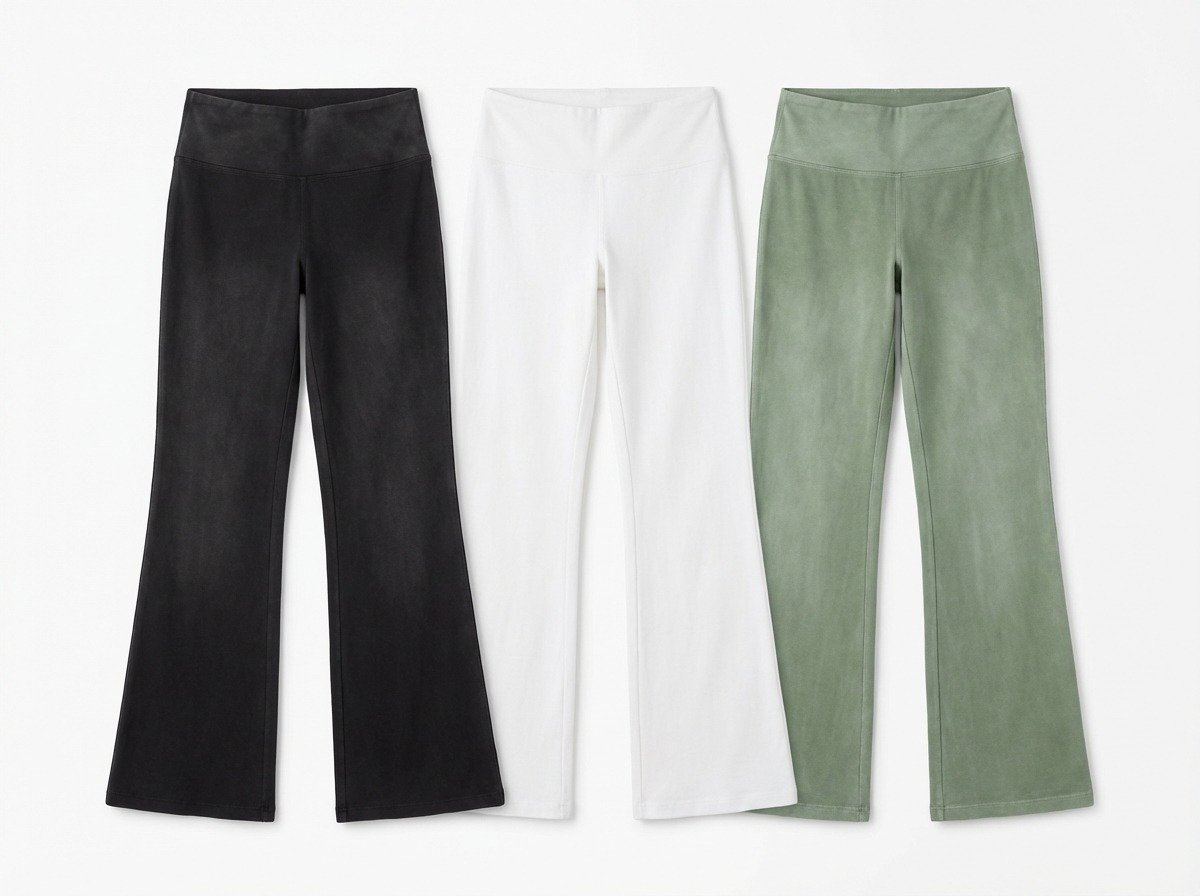
One wash trial is essential: pigment and enzyme effects alter shrinkage and shade. Entry tiers benefit from printed labels; premium tiers can add woven labels, hangtags and custom mailers.
6. Construction Quality in Wholesale Dress Competitor Analysis
Competitive analysis of dress products for wholesale should compare construction after handling, laundering, and wear—not only showroom appearance. A sealed sample and measured spec sheet expose whether a low unit price survives repeat orders.
Seams And Shape
10–12 stitches per inch is a practical benchmark for many woven dress seams; inspect balanced tension, clean overlock coverage, and secure back-tacks.
3-point measurement checks should compare bust, waist, hip, length, and dart placement against the approved size chart.
- Check hems for even turnback and no roping.
- Pull-test gathers for thread breakage or uneven distribution.
- Confirm lining hangs independently without twisting.
Wear And Wash Tests
3 wash cycles reveal shrinkage, seam torque, color bleeding, pilling, and closure failure that a new sample can conceal.
AQL inspection standards, approved shade bands, and wear testing distinguish durable value from an attractive first impression.
- Zip closures smoothly through repeated cycles.
- Test snaps, buttons, and hook-and-eye attachment.
- Inspect pressing marks, loose threads, and raw edges.
7. How to Choose a Dress Manufacturer
Score China-based OEM, ODM, and private-label factories against the requirements uncovered in your competitive analysis of dress products for wholesale. A weighted scorecard makes trade-offs visible before sampling.
| Criterion | Weight | Evidence |
|---|---|---|
| Dress capability | 25% | Comparable samples |
| Development support | 25% | Fit revisions |
| Quality and documents | 25% | Inspection records |
| Timing and communication | 25% | Written plan |
Match Category Capability
3 comparable dress samples reveal more than a catalog: assess pattern balance, lining, zipper application, grading, and fabric control.
100-piece MOQs can suit a focused launch, but confirm capacity by style complexity and color count.
Test Development Control
1 approved sample should confirm fit, fabric, trims, Pantone shade, and construction before bulk. Ask who owns pattern revisions, fabric sourcing, in-line inspection, final checks, and export coordination.
Verify Operating Evidence
2 working days is a practical response benchmark for technical questions. Request compliance documents when required, plus recent export-market references and a realistic sampling-to-bulk lead-time plan.
8. Common Competitive Analysis of Dress Products for Wholesale Mistakes
A $7 ex-factory difference can disappear after freight, duty, rejects, and delayed launch costs. Competitive analysis of dress products for wholesale should compare a documented, sellable program—not a competitor photo or sample alone.
Price And Positioning
3 quotes should use identical fabric, trim, packing, Incoterm, and quantity. Map the retail gap before copying a bestseller: fit, occasion, fabric hand, or delivery speed must justify your offer.
Specifications And Timing
100-piece MOQs require written color, size-ratio, lead-time, and tolerance terms. Verify fabric claims with supplier records or test reports; confirm graded measurements and a sealed pre-production sample before bulk.
Samples Are Not Bulk Proof
1 approved sample proves only that sample. Request bulk fabric shade bands, decoration strike-offs, in-line checks, and final measurement inspection to catch production variation before shipment.
9. Steps to Launch a Competitive Wholesale Dress Line
A 100-piece-per-style launch works best when commercial decisions are locked before sampling. Use the competitive analysis of dress products for wholesale to turn competitor observations into approved, production-ready specifications.
Brief And SKU Plan
3–5 comparable competitors should define target price, silhouettes, size range, color count, and channel. Record findings in a market brief and SKU matrix.
Develop And Cost
1 tech pack per SKU should specify graded measurements, Pantone colors, fabric GSM, trims, artwork, and packing. Approve fabric and trim swatches, then review the sample, revised costing, and purchase order.
Confirm And Deliver
1 pre-production sample becomes the bulk reference before cutting. Schedule in-line and final inspections, prepare product photography and SKU data, then confirm carton marks, delivery window, and freight documents.
10. Pricing Competitive Wholesale Dress Products
100 pieces is VeeWen’s standard MOQ; use these planning ranges for an FOB quote before freight and duties. Compare like-for-like fabric, construction, approved decoration, labels, polybags, and Incoterm.
2.5x to 4x landed-cost markup is a practical target-margin check. In competitive analysis of dress products for wholesale, request each supplier price the same tech pack and sample specification.
| Quantity tier | Estimated FOB unit price | Sample/development | Bulk lead time |
|---|---|---|---|
| 100–299 pieces | US$12–28 | US$80–200/style | 25–35 days |
| 300–999 pieces | US$9–22 | US$80–200/style | 25–35 days |
| 1,000+ pieces | US$7–18 | US$80–200/style | 30–45 days |
Competitive Analysis of Dress Products for Wholesale Starts Here
Send your tech pack, sketches, reference samples, or inspiration images to VeeWen for a production-minded custom quote from 100 pieces per style.