
Custom Shirt Design for Production-Ready Brands
OEM, ODM and private-label custom shirt design with a 100-piece-per-style MOQ, from fabric sourcing and sampling to packed bulk goods.
Featured Products for custom shirt design Development
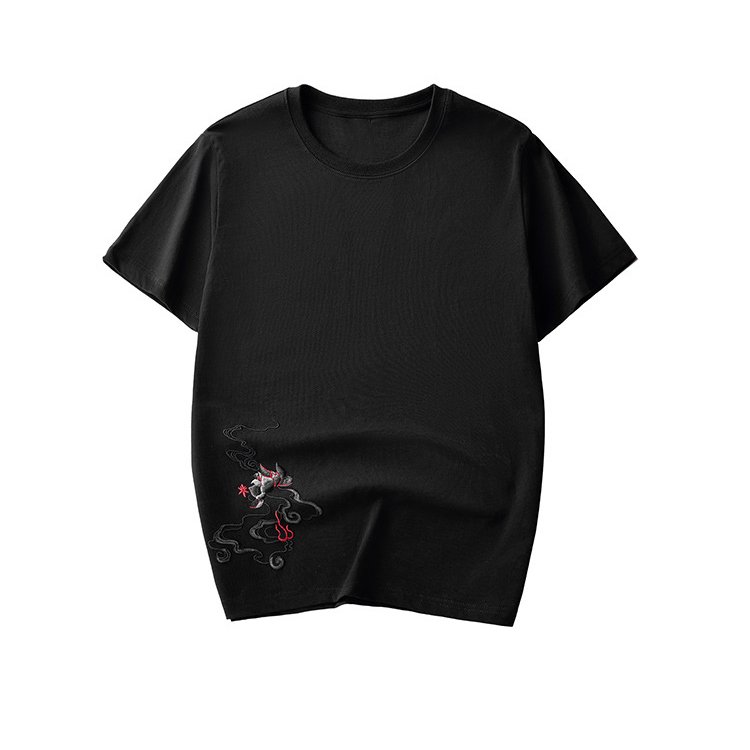


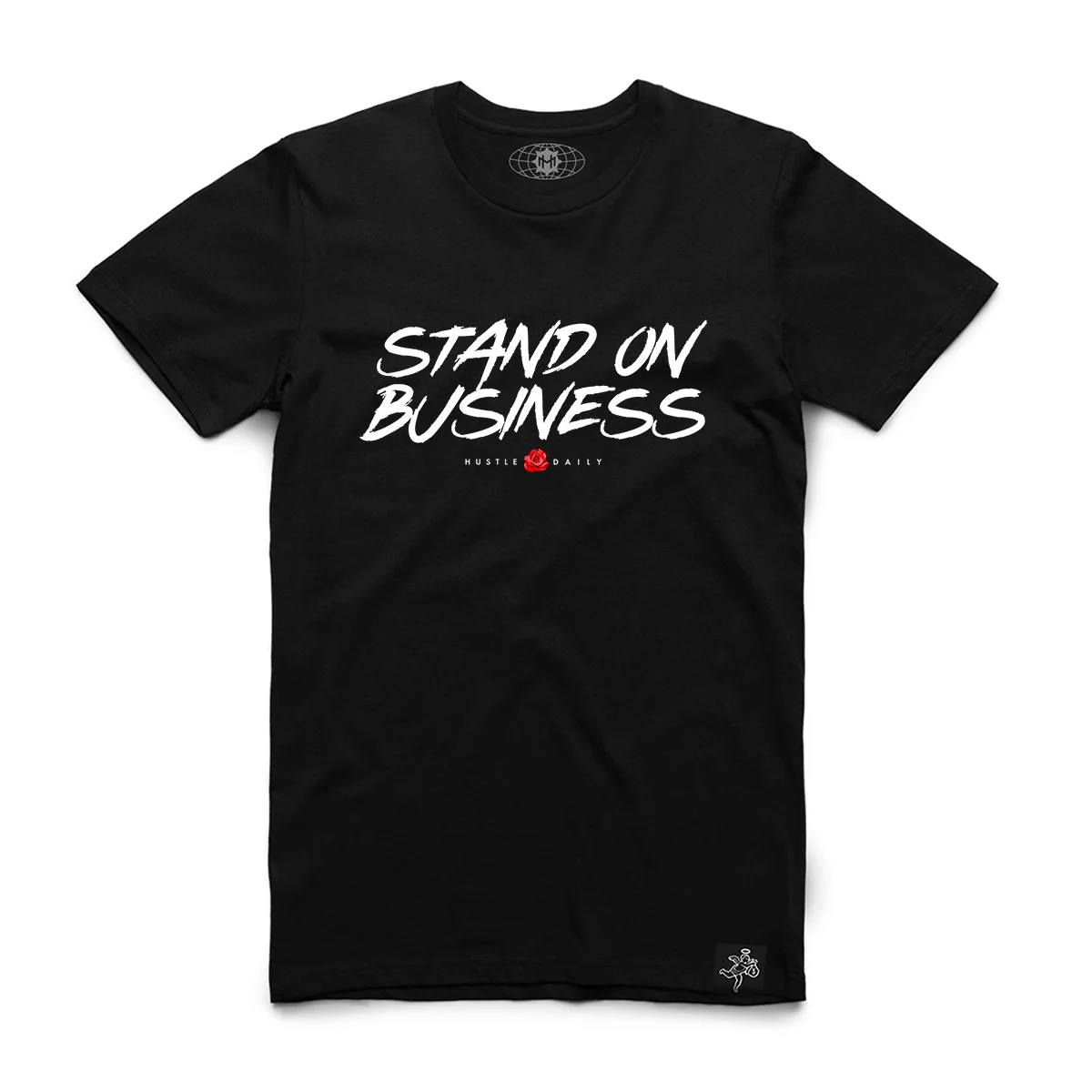


Related Product Catalogue and Quotation


Custom Shirt Design Built for Production-Ready Brand Programs
VeeWen turns visual direction into repeatable specifications, approved samples, and accountable bulk production for menswear and streetwear brands.
100-Piece Style MOQ
Launch a focused custom shirt design drop from 100 pieces per style while establishing specifications ready for scalable reorders.
Full-Category Development
Develop shirts alongside tees, outerwear, bottoms, and coordinated sets through one production partner for complete apparel collections.
Specification-Led Sampling
Translate tech packs, sketches, or references into fit blocks, graded measurements, material choices, and samples for practical approval.
Decoration That Fits
Match screen print, embroidery, patches, washes, and branded trims to your garment weight, drape, visual direction, and budget.
Documented Quality Checkpoints
Confirm details at sampling, pre-production, in-line inspection, final quality checks, packing, and shipment coordination before bulk goods move.
More Custom Shirt Design Options and Guides
Compare adjacent product categories, manufacturing options and practical buyer resources from the VeeWen architecture.

Custom Shirts & Polos
Custom shirts & polos from a 100-piece-per-style MOQ, with OEM, ODM, private-label development and documented QC. Send your tech pack to request a quote.
Explore Category
Baseball Jersey Shirts Custom
Baseball jersey shirts custom manufacturing from 100 pieces per style, with OEM development, labels and decoration options. Request a custom quote today.
Explore CategoryCustom Polo Shirts
Custom polo shirts from 100 pieces per style, with OEM development, fabric sourcing, decoration and private-label packing in one workflow. Request a quote.
Explore Category
Custom Dress Shirts
Custom dress shirts from 100 pieces per style, with OEM development, private labels and documented approval checkpoints. Send your tech pack to request a quote.
Explore CategoryCustom Embroidered Polo Shirts
Custom embroidered polo shirts with a 100-piece-per-style MOQ, private-label trims, and approved sampling for global brands. Request a custom quote today.
Explore Category
Custom Shirts
Custom shirts from a 100-piece MOQ, with OEM development, private labels, sampling and bulk QC under one partner. Request a custom quote today.
Explore Category
Custom Clothing Manufacturing
Custom clothing manufacturing from 100 pieces per style, with OEM, ODM, sampling and private-label finishing. Send your tech pack to request a quote.
Explore Category
Apparel Manufacturing Capabilities
Apparel manufacturing capabilities for OEM, ODM and private-label collections from 100 pieces per style, from sampling to packed bulk goods. Request a quote.
Explore CategoryCustom Shirt Design Materials for Fit, Weight & Wear
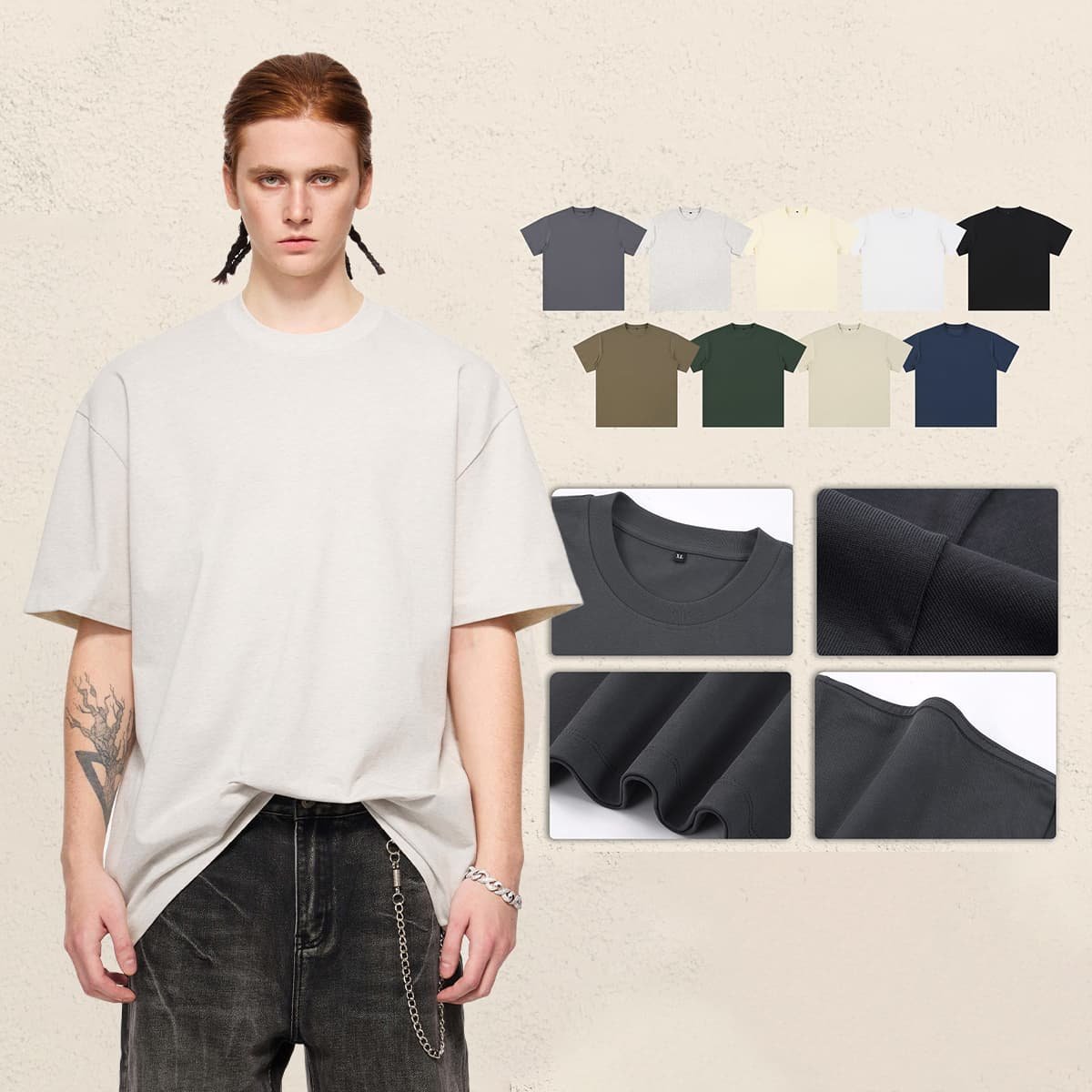
Cotton Poplin
A crisp, lightweight woven cotton for clean button-downs, uniform shirts and refined casual styles. Its smooth surface supports sharp collars and print clarity, while the plain-weave construction delivers breathable everyday wear.

Oxford Cotton
A textured, durable cotton weave suited to classic shirts, overshirts and work-inspired styles. The slightly fuller hand gives structure without feeling stiff, and its basket-weave surface stands up well to repeat laundering.

Linen Blend
An airy, naturally textured fabric for resort shirts, relaxed short sleeves and warm-weather collections. Blending linen with cotton or rayon can soften the hand, improve drape and help manage the characteristic wrinkle effect.

Cotton Twill
A medium-weight diagonal weave used for structured overshirts, utility shirts and durable workwear programs. It offers a substantial hand and dependable abrasion resistance, making it suitable for patch pockets, embroidery and heavier trims.

Rayon Viscose
A soft, fluid fabric for draped camp-collar shirts, printed vacation styles and fashion-led silhouettes. Its smooth hand and strong color presentation suit all-over artwork, while fabric weight is selected to balance movement and opacity.

Stretch Cotton
Cotton blended with elastane for fitted shirts, uniforms and active everyday styles requiring easier movement. Controlled stretch improves comfort through the shoulders and sleeves, while construction and recovery are reviewed during fit sampling.
Custom Shirt Design Decoration & Finishing

Screen Printing
Screen printing applies layered inks for strong color coverage and dependable wash durability. Water-based, plastisol, puff, high-density, discharge, reflective, and foil options help custom shirt design programs achieve distinct graphic depth and texture.
DTF Transfers
DTF transfers reproduce detailed multicolor artwork with flexible placement and consistent results across smaller production runs. The finish sits on the garment surface, so VeeWen reviews artwork scale, fabric stretch, and hand feel before approval.

DTG Printing
DTG printing is suited to photographic artwork, gradients, and short-run color variation on compatible cotton-rich shirts. Pretreatment and fabric color affect vibrancy, while proper curing supports a soft feel and reliable wash performance.

Flat Embroidery
Flat embroidery builds durable stitched logos, lettering, and small chest details with a premium dimensional finish. Stitch density, backing, and placement are reviewed carefully because dense embroidery can affect drape, especially on lighter-weight shirt fabrics.
Garment Washing
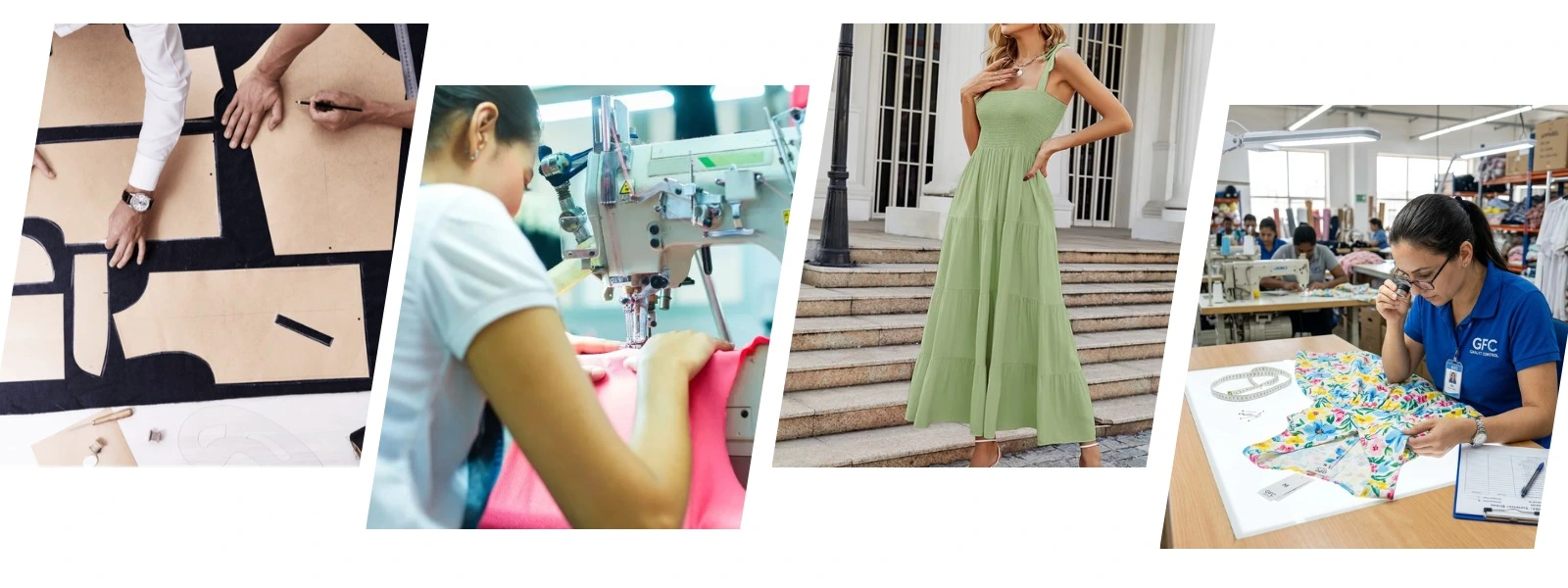
Pigment dye, enzyme wash, acid wash, stone wash, snow wash, and vintage fading create character beyond a standard dyed shirt. Each wash direction can change shrinkage, shade variation, and hand feel, requiring sample confirmation before bulk production.
Custom Shirt Design, Finished With Your Brand

Woven Brand Labels
Add woven main labels, size labels and care labels to custom shirt design programs. Placement, fold style and material are reviewed during sampling so branding remains comfortable, durable and consistent across the size run.


Zippers And Pulls
Select zipper types, finishes and custom pulls for overshirts, zip shirts or layered streetwear pieces. VeeWen reviews function, color match and trim placement before bulk production to support reliable daily wear.

Buttons And Snaps
Specify buttons or snap closures by material, finish, size and color for shirts, workwear and outer layers. Practical trim selection helps balance your intended look, garment weight, fastening performance and target price.

Drawcords And Tips
Add drawcords, tipped ends and cord locks where a shirt-inspired hoodie, overshirt or utility style requires adjustment. Options are matched to the garment fabric, hardware finish and streetwear direction during development.

Retail Ready Packing
Coordinate polybags, size stickers, folding instructions and other private-label packing requirements after final quality checks. Clear packing specifications help protect finished garments and support smoother receiving at your warehouse or fulfillment partner.
About VeeWen Custom Shirt Design
Founded in Dongguan in 2016 by ChangKeng Luo, VeeWen helps labels turn custom shirt design concepts into production-ready apparel. Our primary focus is menswear and streetwear, where fit, fabric weight, finishing and repeatable specifications shape how a garment performs in the market.
We combine OEM manufacturing, ODM development, private-label execution and cut-and-sew customization in one accountable workflow. Start with a tech pack, sketch, reference sample or idea; we coordinate fabric sourcing, pattern development, sampling, fit review, decoration testing, bulk production, quality checks, packing and shipment support.
VeeWen pairs focused shirt expertise with full-category flexibility for men, women and children. With a standard 100-piece-per-style MOQ, brands can develop focused drops while retaining access to printing, embroidery, washes, trims, labels and packaging details that make each collection distinctly theirs.

Custom Shirt Design Capabilities Behind Every Approved Sample
Tech Packs Made Production Clear
VeeWen translates tech packs, sketches, reference samples, and visual ideas into workable custom shirt design specifications. Before sampling, we clarify measurements, construction, decoration placement, labels, and target cost so the development team and your brand are aligned.
- Review garment measurements and construction details
- Confirm artwork scale, placement, and decoration method
- Identify labeling, trim, and packaging requirements
- Flag production trade-offs before sampling

Patterns Built for Consistent Fit
A strong shirt program starts with a fit block that can be repeated across sizes. Our team develops patterns around body width, shoulder shape, sleeve pitch, collar proportions, and graded measurements, then uses fit feedback to refine the approved sample.
- Develop patterns from your intended silhouette
- Adjust fit through sample review feedback
- Grade measurements across the size run
- Document approved specifications for reorders
Materials Matched to Your Intent
Fabric recommendations are based on the shirt’s intended structure, hand feel, print or embroidery method, wash direction, price target, and end use. We explain practical effects such as how weight changes drape or how finishing can affect shrinkage and shade variation.
- Source poplin, twill, denim, linen blends, and more
- Match fabric weight to desired structure and wear
- Assess compatibility with printing, embroidery, and washes
- Balance material choices against target pricing
Bulk Execution Under Controlled Checkpoints
Once the pre-production sample is approved, VeeWen manages material coordination, cutting, sewing, decoration, inspection, private-label packing, and shipment preparation in one workflow. With a standard 100-piece-per-style MOQ, brands can launch focused runs with clear, documented control points.
- Confirm pre-production details before bulk starts
- Conduct in-line and final quality checks
- Coordinate labels, hangtags, polybags, and trims
- Prepare packed goods for shipment coordination

Why Brands Choose VeeWen for Custom Shirt Design
Clear specifications, approved samples and accountable production checkpoints help turn your shirt concept into repeatable bulk goods.
← Swipe left or right to view →
Custom Shirt Design: From Concept to Packed Bulk Goods
A documented workflow that moves approved specifications into controlled bulk production and shipment-ready packaging.
Clarify Design Direction
Review tech packs, sketches, references or ideas; confirm fit block, measurements, target fabric, decoration requirements, trims and 100-piece-per-style MOQ.
Source Materials and Sample
Recommend fabrics by weight, hand feel and end use, then develop patterns, test artwork or washes, and produce samples for fit review.
Approve Production Specifications
Finalize graded measurements, colors, labels, packaging and pre-production details. Approved samples create the documented benchmark for consistent bulk manufacturing.
Cut, Sew and Decorate
Cut panels, assemble garments and apply selected printing, embroidery or finishing techniques while monitoring construction, placement, shade and workmanship during production.
Inspect, Pack and Coordinate
Complete final quality checks, pack garments with private-label details, and coordinate shipment documentation and international logistics for ready-to-receive bulk goods.
Start Your Custom Shirt Design Program
Move from a visual concept to approved bulk goods with one accountable OEM partner.
Send Your Concept
Share a tech pack, sketch, reference sample, inspiration images, measurements, or initial custom shirt design idea for a practical development review.
Confirm Specifications
Review fabric, fit block, construction, decoration, labels, packaging, target quantity, lead-time considerations, and quotation before VeeWen begins sampling your shirt program.
Approve Your Sample
Assess the prototype for fit, hand feel, color, wash, print or embroidery placement, then confirm revisions and pre-production specifications for bulk.
Launch Bulk Production
Approve the final sample and VeeWen coordinates material preparation, cut-and-sew manufacturing, in-line inspection, final quality checks, packing, and shipment coordination.
Documented Standards for Buyer Review

Applicable material certificates and scope documents can be reviewed against the selected fabric and production order.

GOTS-related material and chain documentation is matched to the selected program and verified for current scope before use.

Current social-compliance audit documentation can be supplied for buyer review and onboarding when applicable.
Responsible-sourcing and audit records can be reviewed with the VeeWen team for the relevant factory and order scope.

Order-specific material declarations and test documentation are reviewed for applicable REACH requirements; this neutral icon denotes documentation rather than an official REACH certification logo.
What B2B Buyers Say About VeeWen Custom Shirt Design
Our oversized shirt sample was approved after two fit rounds, with the shoulder drop and body width aligned across five sizes. The measurement sheet made the 300-piece reorder straightforward and consistent.
VeeWen turned our reference images into three custom shirt design samples within the agreed development window. Their team flagged fabric shrinkage before bulk production, which helped us avoid a costly size-label correction.
Communication stayed clear from artwork testing through packed cartons. We launched a 600-piece workwear shirt program with custom woven labels and hangtags, and every production update gave our logistics team what it needed.
Custom Shirt Design FAQ for B2B Buyers
Clear answers on MOQ, sampling, production, payment, shipping and specifications for OEM and private-label shirt programs.
What is the MOQ for custom shirt design orders?
What do I need to submit to start a custom shirt design project?
Can you make a sample before my custom shirt design bulk order?
How long does custom shirt design sampling and bulk production take?
Can VeeWen help if I only have shirt sketches or inspiration images?
What payment terms apply to OEM shirt orders?
Do you arrange international shipping and export packing?
How do you protect my designs and brand information?
The Complete Buyer’s Guide to custom shirt design
Use this decision framework to define your product, compare fabrics and decoration methods, vet OEM partners, control costs, and avoid sourcing mistakes before launching a scalable private-label shirt program.
1. What Is custom shirt design?
100 pieces is a practical starting MOQ for custom shirt design: it means specifying the garment itself, not only uploading artwork to a blank tee. A buyer can control silhouette, fabric weight, fit block, grading, neck rib, stitching, trims, print or embroidery, labels, hangtags, and packing.
OEM builds an approved specification; ODM adds manufacturer-led product development; private label applies the buyer’s brand to the finished program. Use print-on-demand for low-risk graphic tests on standard blanks; use a manufacturer when fit, fabric, wash, repeatable sizing, custom components, or bulk packaging must be controlled.
2. Evolution of Custom Shirts
1950s uniform and promotional shirts prioritized recognizable logos, simple screen prints, and repeatable sizing. Streetwear later made fit, fabric weight, shoulder drop, and washes part of the product identity.
By the 1990s, teamwear and branded apparel demanded color consistency, durable decoration, and reliable reorders. Creator merchandise then raised expectations for faster artwork changes, smaller launches, and private-label finishing.
Since 2016, VeeWen has supported development from reference images or tech packs through approved samples and bulk goods. Digital artwork, Pantone references, and a 100-piece-per-style MOQ let global buyers test custom shirt design without sacrificing documented specifications.
3. Types of custom shirt design
Six shirt routes solve different launch problems. Start with the silhouette closest to your customer’s daily use, then control fabric, trims, and decoration complexity before expanding.
| Route | Typical Buyer | Design And Fabric | Complexity |
|---|---|---|---|
| T-shirt | Streetwear label | Fit; 180–300 GSM jersey | Low |
| Polo | Retail or team | Collar; pique knit | Medium |
| Button-up | Fashion label | Collar; poplin or twill | High |
| Overshirt | Menswear brand | Layering; twill | Medium |
| Performance | Sports team | Stretch; polyester blend | Medium |
| Uniform | Corporate buyer | Branding; durable blend | Medium |
Streetwear Foundations

Two core routes suit graphic-led labels: T-shirts establish fit identity, while overshirts add layering and higher perceived value.
Smart Casual Options

Two polished routes serve retail and hospitality: polos balance knit comfort with collars, while button-ups depend on precise collar, placket, and cuff construction.
Functional Programs

Two utility routes prioritize repeatable specifications: performance shirts need stretch and moisture management; uniforms require logo consistency, durability, and size control.
4. Fabrics for custom shirt design
160–220 GSM jersey suits breathable everyday custom shirt design. Specify knit structure before approving hand feel, shrinkage, print method, and wear target.
| Fabric | Typical GSM | Best Use |
|---|---|---|
| Cotton jersey | 160–220 | Tees, DTG |
| Organic cotton | 160–220 | Premium basics |
| Cotton blend | 180–240 | Workwear tees |
| Polyester | 140–180 | Sports shirts |
| Rayon/viscose | 120–180 | Draped shirts |
| Performance knit | 150–220 | Activewear |
Cotton And Organic Cotton

100% ring-spun cotton jersey feels soft and breathes well. Organic cotton follows the same performance logic.
3–5% shrinkage is common without controlled finishing. Screen print and DTG both suit smooth jerseys.
Blends And Man-Made Fibers

Cotton-poly blends improve durability and reduce shrinkage. Polyester can feel slicker but dries faster.
Rayon or viscose adds fluid drape. Performance knits add stretch, wicking, or abrasion resistance.
Specify The Trade-Off

180 GSM fabric drapes lighter than 260 GSM fabric. Higher weight usually improves structure and longevity.
Dense embroidery can pull lightweight knits. Match decoration testing to the final fabric.
5. custom shirt design Decoration Options
Decoration should follow fabric, artwork, price, and quantity. For VeeWen’s 100-piece-per-style starting point, sample the chosen method on the actual shirt before bulk approval.
| Method | Color/artwork | Best quantity | Effect |
|---|---|---|---|
| Screen print | Simple to multicolor | 100+ | Durable, ink hand |
| DTG | Photographic cotton art | Small runs | Soft detail |
| DTF/transfer | Full color, versatile | Small to medium | Film texture |
| Embroidery/patch | Limited detail | Medium+ | Premium dimension |
| Sublimation | Full color polyester | Medium+ | No added hand |
| Woven label | Brand details | Any run | Permanent identity |
Choose By Artwork

1–4 solid Pantone colors favor screen printing; it delivers durable ink and the lowest unit cost at larger runs. DTG suits detailed cotton artwork, while DTF and heat transfer suit full-color, short-run placement graphics.
Build Brand Texture

3D embroidery, applique, and patches add dimensional brand value but can stiffen lightweight jersey; keep stitch density appropriate. Sublimation requires polyester-rich light garments, and woven labels give permanent identity without changing front artwork.
6. Construction Details That Signal Quality
A sample’s quality is decided before fabric reaches bulk cutting. For custom shirt design, approve measurable construction standards, not only appearance, at the pre-production stage.
Pattern And Fit
A graded spec should set chest, body length, shoulder, sleeve, and allowable tolerance for every size.
A fit sample should be checked on the intended body block; confirm balance, sleeve pitch, and placket alignment before grading.
Seams And Reinforcement
A 10–12 SPI lockstitch is a practical benchmark for many woven shirt seams; inspect straightness and secure back-tacks.
A 3–5 mm topstitch margin, reinforced side-seam stress points, and clean overlock trimming prevent a rushed appearance.
Collars And Finishing

A fused collar and cuff require compatible interlining; test collar roll, edge bubbling, and recovery after washing.
A pre-production sample should confirm button attachment, matched buttonholes, shrinkage allowance, pressing, loose-thread removal, and shade consistency.
7. Choosing a custom shirt design Manufacturer
100-piece MOQ programs need a factory that can repeat an approved fit, not merely print a logo. Vet China partners against the exact shirt category, decoration, wash, and export market you intend to sell into.
Verify Product And Development Fit
2-3 comparable shirt samples reveal more than a catalog: inspect seams, shrinkage, print registration, and graded measurements. Ask whether the factory can source the specified GSM fabric, provide Pantone approvals, and document sample-to-bulk changes.
- Which shirt programs match our fabric and fit?
- What is the sample timeline and revision process?
- Can you meet our 100-piece MOQ per style?
Audit Production Controls
7 checkpoints should cover pre-production approval, in-line inspection, final AQL checks, capacity, lead time, packing, and export documents. Confirm English response ownership, IP confidentiality, applicable compliance evidence, and freight or customs support before paying a deposit.
- Who owns communication and escalation?
- How are artwork files and patterns protected?
- Which inspection reports and export documents are supplied?
8. Common Buyer Mistakes to Avoid
At a 100-piece MOQ, small specification gaps multiply across every unit. VeeWen buyers avoid costly rework by converting assumptions into approved, documented checkpoints before bulk production.
Lock the Specification
One complete tech pack should state measurements, stitch details, Pantone colors, artwork size, and placement. Missing data invites inconsistent samples; approve graded specs and a revision log.
Test Fabric And Artwork
180 GSM versus 240 GSM changes structure, shrinkage, and target cost. Test print files at production size and wash-test decorated samples before approving color and hand feel.
Control Timing And Quality
Two sample rounds often expose fit, trim, and wash issues that one approval misses. Confirm trim costs, realistic lead times, AQL inspection terms, and final packing requirements in writing.
9. Launching Your Shirt Brand Step by Step
A 100-piece MOQ lets a new label validate one focused custom shirt design without committing to a broad range. Treat each approval as a production gate, not an informal conversation.
Define The Customer
Week 1: provide target wearer, price point, competitor references, color direction, and mood board. VeeWen translates these inputs into feasible silhouettes and construction notes.
Build The Specification
Week 2: submit a tech pack, sketch, or reference sample with Pantone colors and size range. The factory returns a quotation, material options, measurement chart, and development plan.
Approve Development Gates
Before bulk: review the prototype for fit, then confirm wash, print or embroidery, and revised measurements. Lock fabric, GSM, trims, artwork placement, labels, packing, and graded specs before the pre-production sample.
Produce And Release
After pre-production approval: bulk follows documented specifications, with in-line and final inspection. Approve carton marks, polybags, quantities, and shipment documents before goods leave.
10. custom shirt design Pricing and Costs
100 pieces is VeeWen’s standard starting MOQ, so each quote should separate sample, pattern, print-screen, embroidery-file, and bulk costs. A simple tee costs differently once colorways, Pantone matching, labels, and custom polybags enter the specification.
180–240 GSM jersey generally adds structure and fabric cost; 260–320 GSM changes both consumption and sewing handling. Screen-print color count, embroidery density, washes, YKK-equivalent trims, and order volume can move the unit cost more than the silhouette alone.
| Quantity | Unit-price drivers | Setup costs | Typical lead time |
|---|---|---|---|
| 100–199 | Fabric, decoration | Sampling; screens/files | 25–45 days |
| 300–499 | Lower fabric waste | Shared setup | 25–40 days |
| 500+ | Volume efficiency | Amortized setup | 30–45 days |
Start Your Custom Shirt Design Production Plan
Send your tech pack, sketch or reference images for practical material guidance, sampling options and a clear 100-piece MOQ quote.