
Custom Shirts Built for Your Label
Develop custom shirts with OEM, ODM and private-label support, from fabric sourcing and sampling to bulk production, starting at 100 pieces per style.
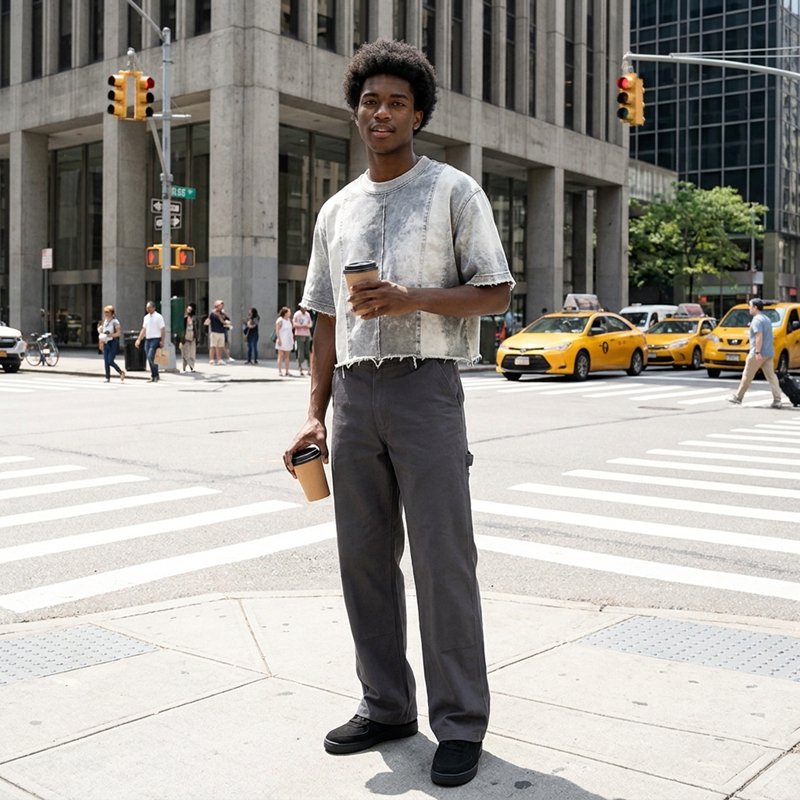
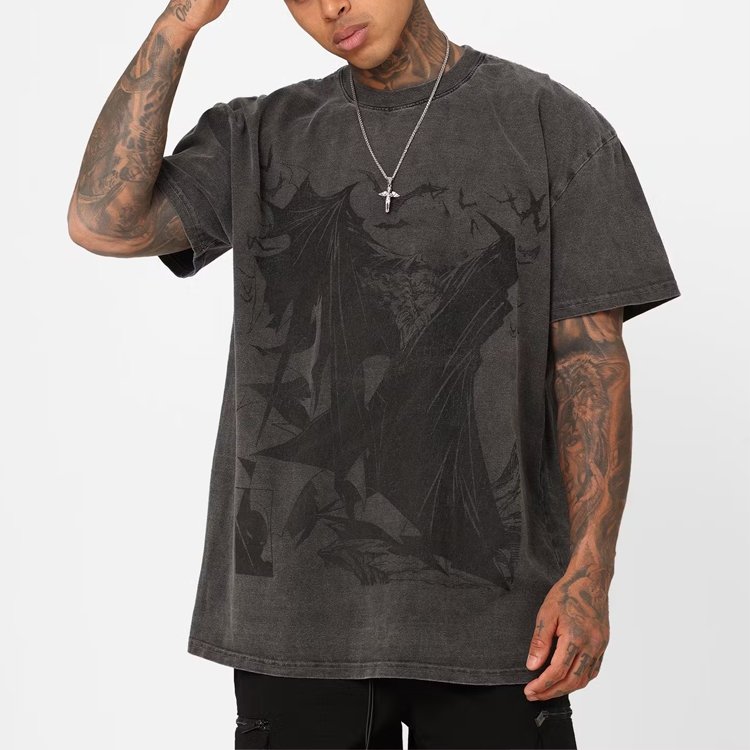
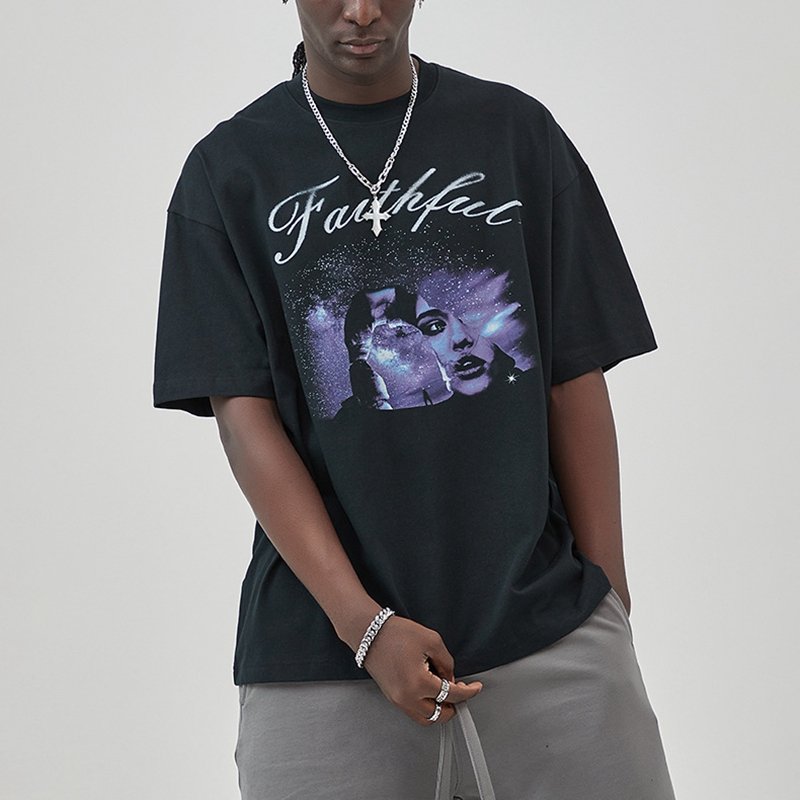
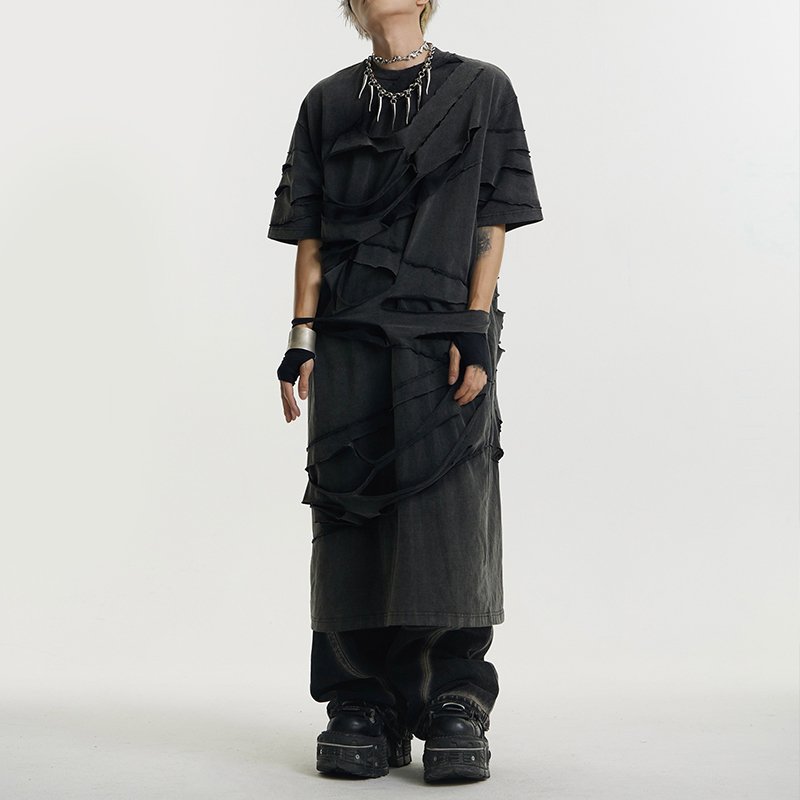
Featured Products for custom shirts Development









Related Custom Shirts Catalogue and Quotation





Why Source Custom Shirts From VeeWen
A production-minded partner for focused shirt programs, from first brief through shipment-ready bulk goods.
100-Piece Style MOQ
Launch a focused custom shirts drop with a standard 100-piece-per-style MOQ while keeping specifications ready for repeat orders.
OEM, ODM, or Private Label
Bring a tech pack, sketch, sample, or idea; VeeWen adapts the development route to your brand’s needs.
Practical Development Support
Align fabric, fit block, measurements, trims, and decoration details before sampling so your shirt program is production-ready.
Complete Brand Details
Coordinate woven labels, care labels, hangtags, buttons, packaging, and other private-label components within one accountable workflow.
Documented Quality Checkpoints
Use approved samples, pre-production confirmation, in-line inspection, and final checks to maintain consistent bulk-shirt specifications.
Shipment-Ready Coordination
VeeWen manages packing and shipment coordination after production, helping international buyers move approved custom shirts into their supply chain.
More Custom Shirts Options and Guides
Compare adjacent product categories, manufacturing options and practical buyer resources from the VeeWen architecture.

Custom Shirts & Polos
Custom shirts & polos from a 100-piece-per-style MOQ, with OEM, ODM, private-label development and documented QC. Send your tech pack to request a quote.
Explore Category
Custom Dress Shirts
Custom dress shirts from 100 pieces per style, with OEM development, private labels and documented approval checkpoints. Send your tech pack to request a quote.
Explore Category
Custom Shirt Design
Custom shirt design starts at 100 pieces per style, with OEM sampling, fabric sourcing and private-label production managed in China. Request a custom quote.
Explore Category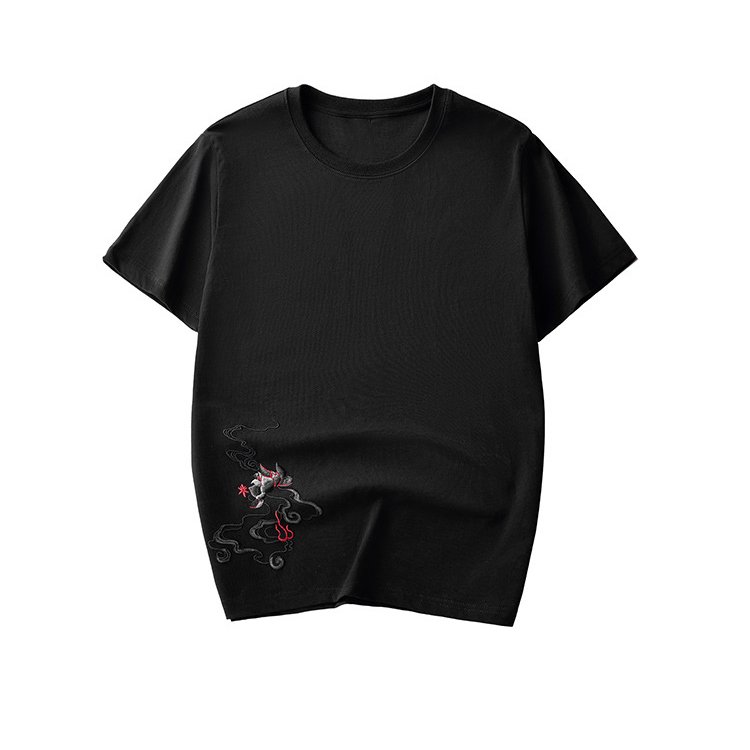
Custom Embroidered Polo Shirts
Custom embroidered polo shirts with a 100-piece-per-style MOQ, private-label trims, and approved sampling for global brands. Request a custom quote today.
Explore Category
Baseball Jersey Shirts Custom
Baseball jersey shirts custom manufacturing from 100 pieces per style, with OEM development, labels and decoration options. Request a custom quote today.
Explore Category
Custom Polo Shirts
Custom polo shirts from 100 pieces per style, with OEM development, fabric sourcing, decoration and private-label packing in one workflow. Request a quote.
Explore Category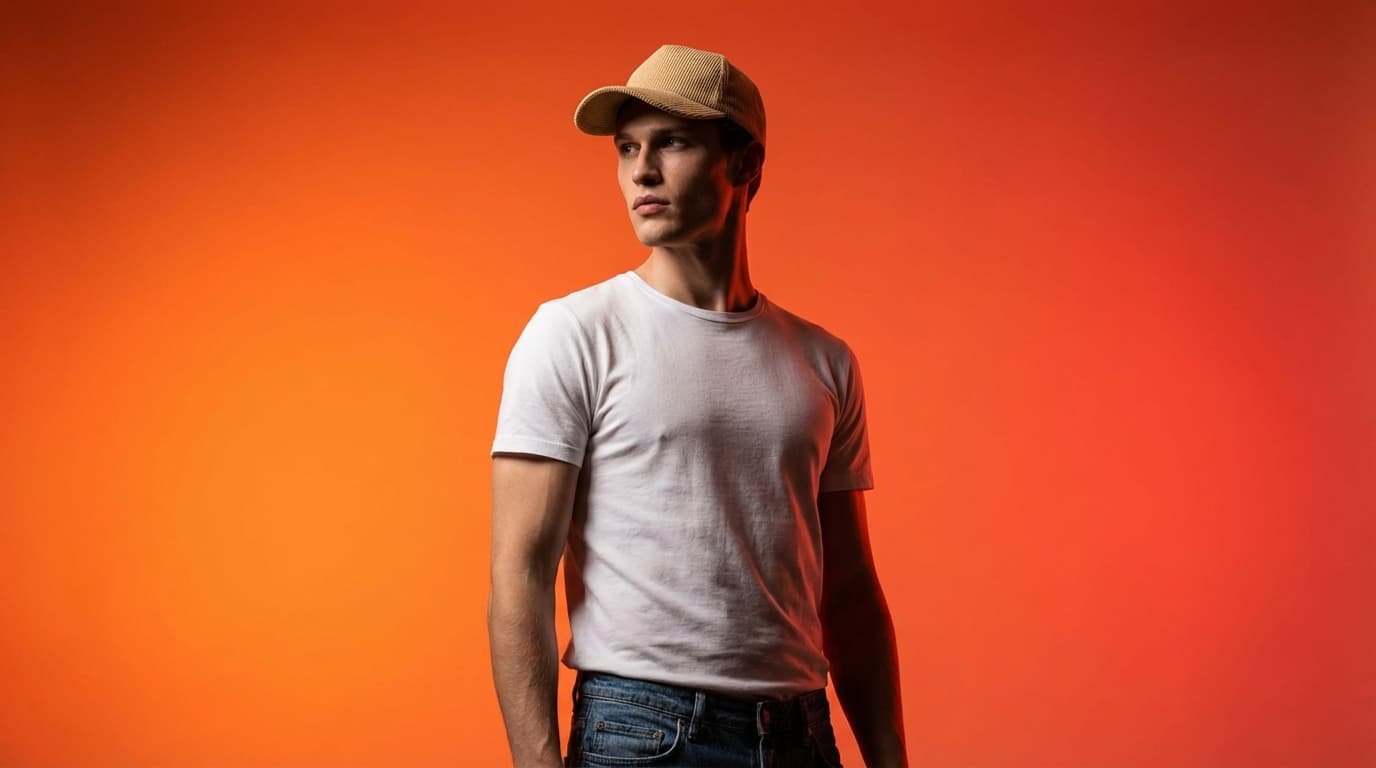
Custom Clothing Manufacturing
Custom clothing manufacturing from 100 pieces per style, with OEM, ODM, sampling and private-label finishing. Send your tech pack to request a quote.
Explore Category
Apparel Manufacturing Capabilities
Apparel manufacturing capabilities for OEM, ODM and private-label collections from 100 pieces per style, from sampling to packed bulk goods. Request a quote.
Explore CategoryFabrics We Source for Custom Shirts
Cotton Poplin
Crisp, smooth and breathable, cotton poplin suits clean button-downs, uniforms and lightweight woven shirts. Its plain weave gives a polished surface and reliable structure, though lighter qualities can show wrinkles more readily.
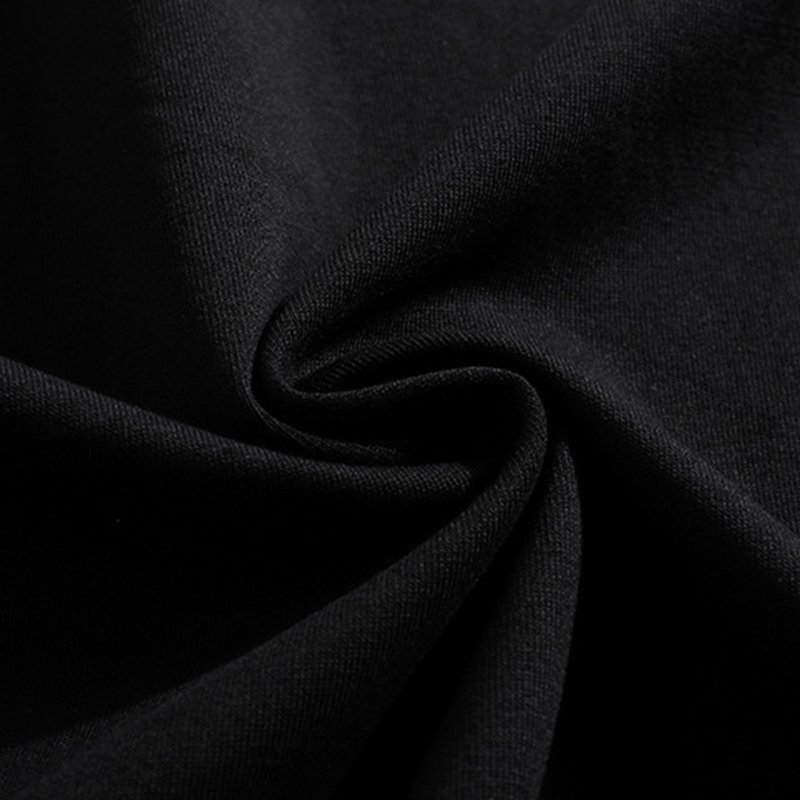
Cotton Twill
Cotton twill has a soft diagonal texture, durable hand feel and more body than poplin. It works well for overshirts, work shirts and utility-led custom shirts, with fabric weight influencing drape and structure.

Linen Blends
Linen blends create a dry, breathable hand feel for resort shirts and warm-weather collections. Blending linen with cotton or rayon can improve softness and reduce excessive creasing while retaining an airy texture.

Denim Shirting
Denim shirting brings authentic texture and hard-wearing character to western shirts, overshirts and streetwear layers. Lighter ounce weights improve wearability, while washes may introduce shrinkage and shade variation to manage.

Rayon Viscose
Rayon and viscose offer a fluid, cool-touch drape suited to camp-collar shirts, printed resort styles and relaxed silhouettes. Their softer construction benefits from considered seam and wash specifications to maintain shape.

Performance Blends
Polyester, nylon and stretch-blend fabrics support teamwear, corporate shirts and active-inspired styles requiring moisture management or easy movement. Stretch percentage affects recovery and fit, while synthetic content can alter print and hand-feel choices.
Custom Shirts: Printing, Embroidery and Garment Finishes
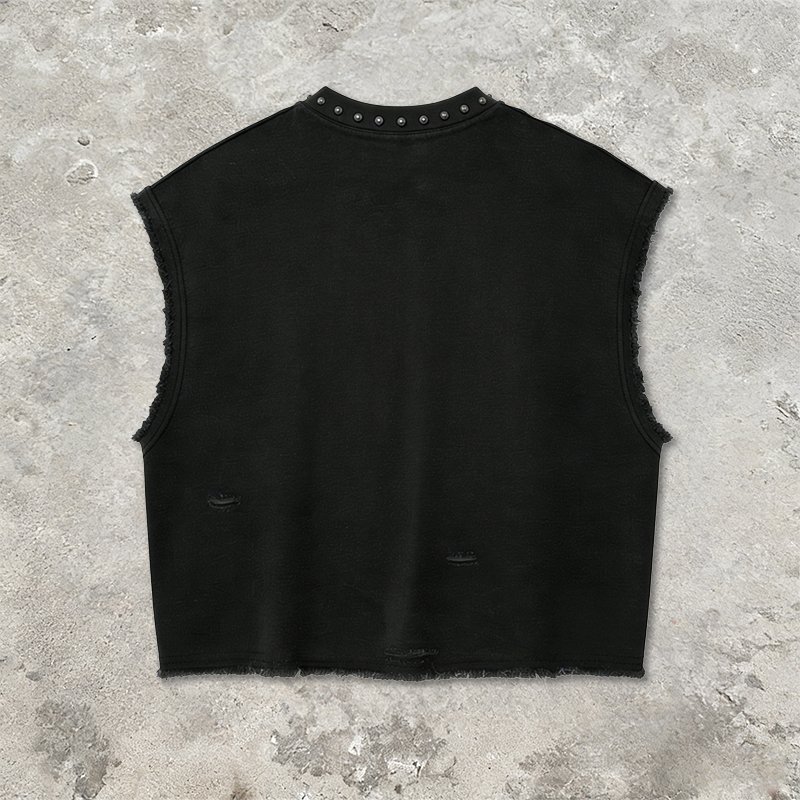
Screen Printing
Screen printing applies durable ink layers for bold logos, artwork and large graphics on custom shirts. Water-based, plastisol, puff and high-density options create different hand feels, opacity and visual dimension.

Flat Embroidery
Flat embroidery stitches logos and refined artwork directly into the garment for a premium, long-wearing finish. Stitch density, backing and placement are reviewed to protect drape, especially on lighter shirt fabrics.

Heat Transfers
Heat transfers deliver detailed, full-color graphics with controlled placement and clean edges. DTF and other transfer methods suit smaller runs, complex artwork and custom shirts requiring sharp color reproduction.
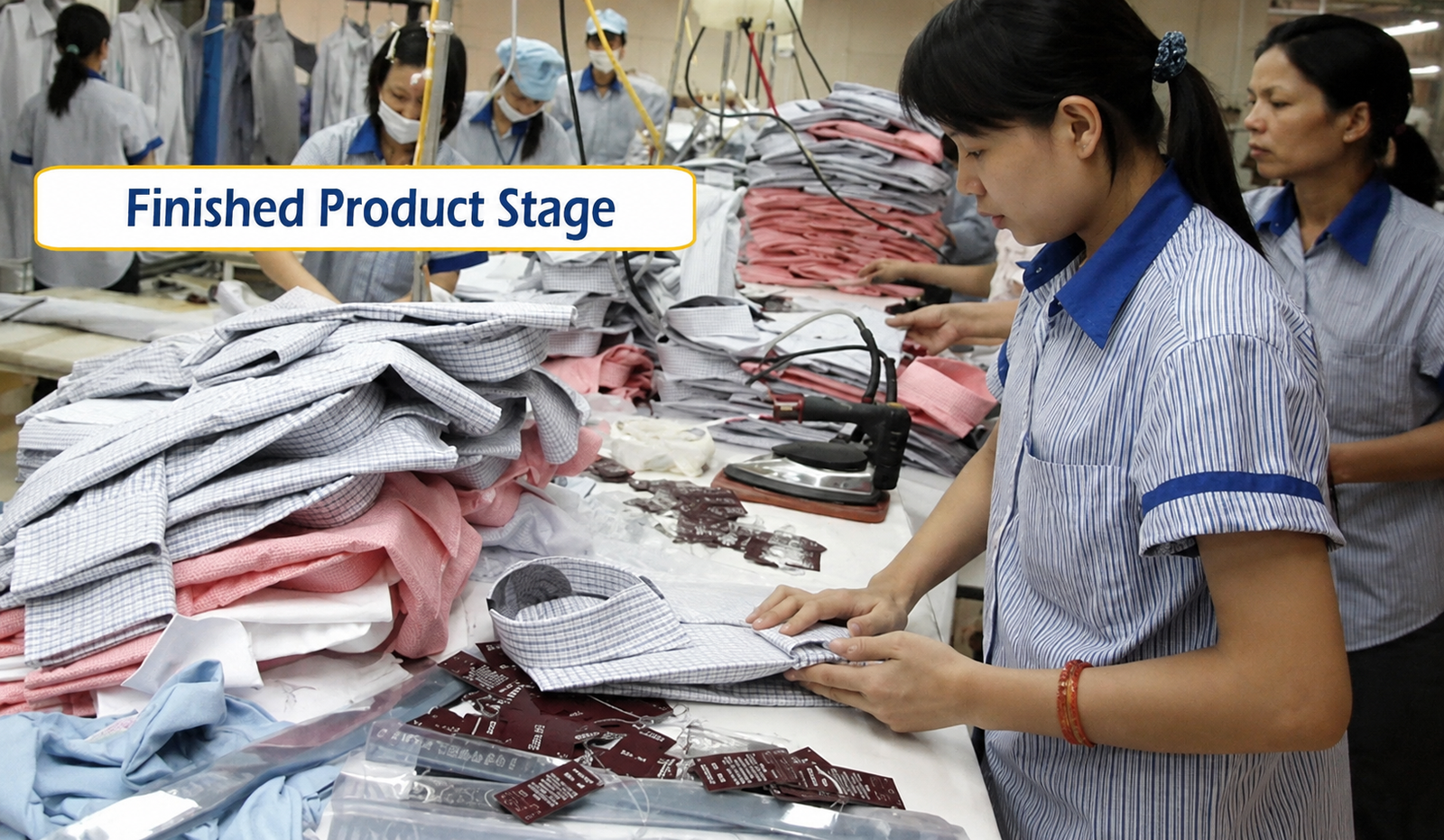
Garment Washing
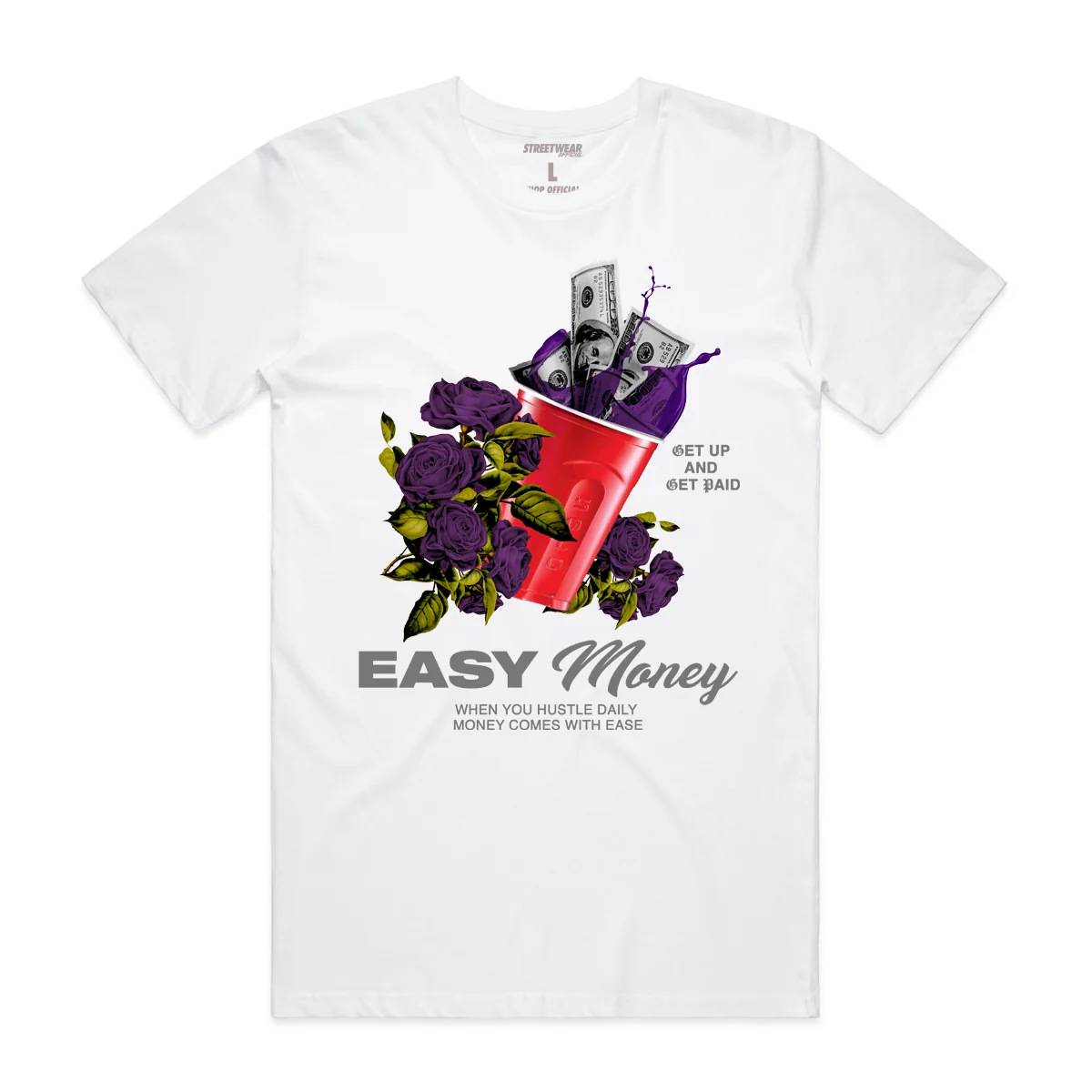
Garment washing builds a softened, lived-in character through enzyme, pigment, acid, stone or vintage-fade treatments. VeeWen reviews shrinkage, shade variation and garment construction before bulk approval.
Specialty Effects
Specialty effects add distinctive texture and visibility through reflective details, foil, discharge printing, applique, chenille or patches. Sampling confirms adhesion, color response and durability before the production run begins.
Custom Shirts, Finished With Your Brand


Zippers and Pulls
Add exposed, concealed or contrast zippers for work shirts, overshirts and utility styles. Branded zipper pulls and selected hardware help reinforce your label while supporting the garment’s intended function.

Drawcord and Tipping
Specify cotton, flat or round drawcords with contrast tipping, metal ends or molded aglets. These details work especially well on shirt jackets, hooded layers and streetwear-inspired custom shirts.

Woven Brand Labels
Coordinate woven neck labels, size tabs and care labels with your approved logo, fiber content and market requirements. Clear label placement supports a polished retail presentation and repeatable production specifications.


Hangtags and Packaging
Complete your custom shirts with branded hangtags, polybags, barcode stickers and protective packing details. Packaging is coordinated after final sample approval to protect garments and keep fulfillment presentation consistent.
About VeeWen Custom Shirts
Founded in Dongguan in 2016 by ChangKeng Luo, VeeWen helps brands turn custom shirts and broader menswear or streetwear concepts into production-ready collections. We work from tech packs, sketches, reference samples, or early ideas, translating visual direction into clear specifications that factories can execute consistently.
Our team supports OEM, ODM, private-label, and cut-and-sew programs across men’s, women’s, and kids’ apparel. For custom shirts, that means fabric sourcing, pattern development, sampling, fit review, decoration, labels, packaging, bulk production, and shipment coordination managed through one accountable workflow.
VeeWen stands apart through practical production guidance and a standard 100-piece-per-style MOQ. We explain how fabric, fit, washes, embroidery, and trims affect structure, cost, timing, and repeatability, then rely on approved samples and documented quality checkpoints to keep every order aligned with your brand.

Custom Shirts Built for Repeatable Fits
Pattern Blocks That Hold Fit
VeeWen translates your shirt brief into production-ready patterns with fit blocks, graded measurements and construction details aligned before bulk cutting. This gives custom shirts a repeatable silhouette across sizes, colors and future reorder programs.
- Review body width, shoulder position, sleeve shape and length
- Set size grading before pre-production approval
- Confirm collar, placket, cuff and hem construction
- Use approved samples as the bulk-production reference

Fabric and Trims Matched
Fabric and component choices are selected around the intended hand feel, structure, wash direction, target price and end use. We help buyers balance poplin, twill, denim, linen blends and stretch fabrics with buttons, labels and packaging details.
- Compare fabric weight, opacity, drape and shrinkage considerations
- Match interlining and trims to the shirt construction
- Coordinate private-label woven labels, care labels and hangtags
- Clarify color, wash and component approvals before production

Decoration Tested Before Bulk
For printed, embroidered or washed custom shirts, VeeWen tests the decoration method against the selected fabric and garment construction before bulk production. Early testing helps prevent avoidable issues with drape, registration, shade variation or finish performance.
- Assess screen print, transfer, DTF or embroidery suitability
- Check embroidery density against fabric weight and drape
- Review wash effects for shrinkage and shade variation
- Approve placement, artwork scale and decoration samples

Documented Quality Checkpoints
Quality control is built into the workflow from sample approval through final packing. VeeWen uses confirmed specifications, in-line inspection and final checks to keep shirt programs aligned with the approved standard before shipment coordination.
- Verify measurements, stitching and construction during production
- Inspect decoration, color consistency and visible finishing details
- Check labels, folding, polybags and carton packing requirements
- Coordinate final approval details before goods are packed

Custom Shirts: VeeWen vs. Typical Suppliers
Built for clearer development decisions, approved specifications and shipment-ready bulk goods.
← Swipe left or right to view →
Custom Shirts: From Development Brief to Packed Bulk Goods
A production-minded workflow that turns approved specifications into shipment-ready custom shirts with documented checkpoints at every stage.
Clarify Brief and Materials
We review your tech pack, references or ideas, confirm fit direction, recommend fabrics and trims, and align construction, target hand feel and price.
Develop Patterns and Samples
Patterns, graded measurements and prototype samples translate the brief into a wearable shirt, with fit review and revisions completed before production approval.
Confirm Decoration and Preproduction
We test printing, embroidery, washes and labels, then approve colors, placement and pre-production details to lock repeatable specifications for bulk manufacturing.
Cut, Sew and Decorate
Approved materials move through cutting, sewing and decoration in a coordinated production flow, with workmanship, measurements and trim application checked in line.
Complete Final Quality Checks
Finished custom shirts receive final inspection for appearance, measurements, decoration, labeling and packing accuracy before approved goods are released for shipment preparation.
Pack and Coordinate Shipment
We organize private-label packaging, polybags and carton details, then coordinate shipment requirements so your bulk goods leave production ready for delivery.
Start Your Custom Shirts Project
Move from a brief or reference image to approved bulk goods with one production-minded partner and a 100-piece-per-style MOQ.
Send Your Brief
Share a tech pack, sketch, reference sample, inspiration image, sizing direction, or initial idea for custom shirts. VeeWen clarifies fit, fabric, decoration, and private-label requirements.
Confirm Quote and Sample
Review the recommended materials, construction details, lead-time considerations, pricing, and MOQ. VeeWen develops a sample so you can assess fit, hand feel, artwork, and workmanship.
Approve Production Details
Confirm the revised sample, graded measurements, colorways, labels, packaging, trims, and decoration placement. Pre-production approval creates a documented specification for consistent bulk manufacturing.
Launch Bulk Manufacturing
VeeWen coordinates fabric sourcing, cutting, sewing, decoration, in-line inspection, final quality checks, packing, and shipment preparation for your approved custom shirt order.
Documented Standards for Buyer Review

Applicable material certificates and scope documents can be reviewed against the selected fabric and production order.

GOTS-related material and chain documentation is matched to the selected program and verified for current scope before use.

Current social-compliance audit documentation can be supplied for buyer review and onboarding when applicable.
Responsible-sourcing and audit records can be reviewed with the VeeWen team for the relevant factory and order scope.

Order-specific material declarations and test documentation are reviewed for applicable REACH requirements; this neutral icon denotes documentation rather than an official REACH certification logo.
What B2B Buyers Say About Working With VeeWen
Our first custom shirts sample round came back with clear fabric options and measurement notes. We approved the fit after two revisions and launched a 300-piece overshirt run without having to coordinate separate pattern and production suppliers.
VeeWen translated our reference images into a consistent size spec for three shirt styles. The approved fit held through a 600-piece reorder, which cut our internal quality-review time by about 30% compared with our previous supplier.
We needed private-label work shirts for a regional team rollout, including woven labels, embroidery, and individual packing. VeeWen delivered the 240-piece order to the approved sample standard, and our client signed off with no replacement request.
Custom Shirts FAQ for OEM Buyers
Clear answers on MOQ, samples, approvals, payment and delivery for private-label shirt programs.
What is the MOQ for custom shirts?
Can I order custom shirts from a sketch or reference image?
How much does a custom shirt sample cost?
How do I approve the fit before bulk production?
What is the lead time for custom shirts production?
What payment terms do you offer for OEM shirt orders?
Can you ship custom shirts internationally?
How do you protect my custom shirt designs and brand details?
The Complete Buyer’s Guide to custom shirts
Use this decision framework to compare custom shirts styles, fabrics, decoration methods, quality standards, supplier capabilities, pricing, and launch requirements—while avoiding sourcing mistakes that undermine fit, margins, delivery, and brand consistency.
1. What Are custom shirts?
100-piece programs make custom shirts a production specification, not merely a logo on a blank. A buyer can define silhouette, fabric, Pantone color, trims, artwork, labels, and packaging before approving a sample.
OEM produces a buyer’s established design; ODM develops from a factory-ready concept; private label applies the buyer’s identity to an agreed product. Made-to-order is produced against confirmed demand, while print-on-demand usually decorates pre-made blanks one unit at a time.
2016-founded VeeWen supports brands that need a repeatable fit block and accountable development from pattern through packed bulk goods. Choose custom production when differentiation, size consistency, fabric weight, or branded presentation matters; choose blanks or generic wholesale for low-risk, fast tests where those controls are secondary.
2. Evolution of custom shirts
1900s tailored shirts and military or workplace uniforms established the sourcing basics: repeatable patterns, durable seams, standardized sizing, and clear insignia placement. Mid-century screen printing then made graphic runs practical, shifting shirts from utility garments to promotional and team identifiers.
1990s streetwear turned oversized fits, heavyweight jersey, bold graphics, and limited drops into brand signals. Digital tech packs, Pantone references, and faster sample revisions now let buyers translate those signals into production specifications.
2020s private-label buyers increasingly expect 100-piece MOQ options, rapid sample feedback, lower-impact material choices, and packaging that supports a distinct story. For custom shirts, the commercial advantage comes from approving fabric, fit, decoration, and labels as one repeatable product system.
3. Types of custom shirts
Seven core shirt types cover most launch assortments. Match the silhouette and finish to sales channel, climate, use case, and the level of brand detail customers will notice.
Tees And Polos
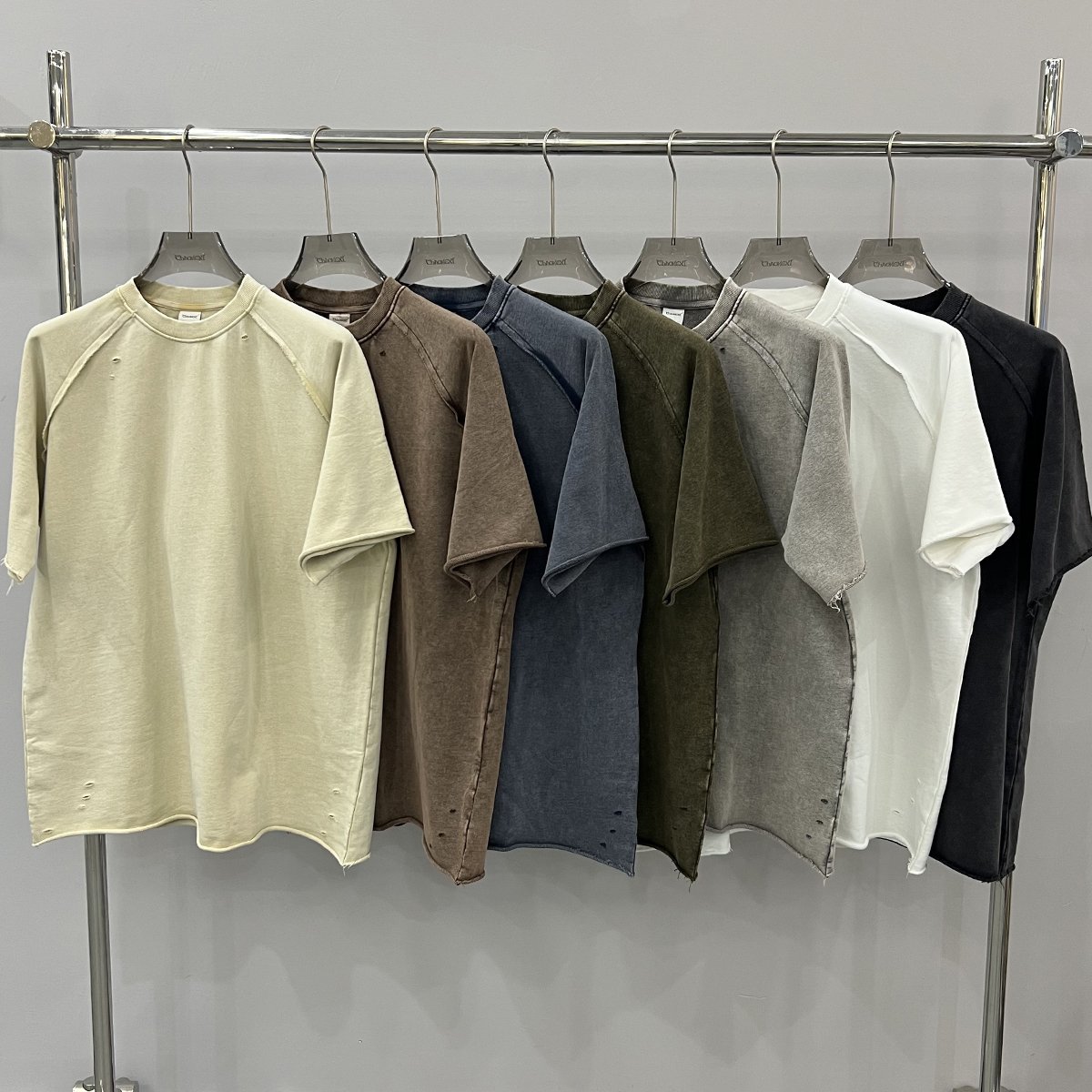
180–260 GSM tees suit streetwear drops; oversized blocks favor dropped shoulders and screen print, while polos need collar recovery and embroidery.
Wovens And Overshirts

Poplin button-ups target polished retail; twill overshirts and work shirts suit layering, using chest pockets, woven labels, patches, or garment wash.
Jerseys And Performance Tops
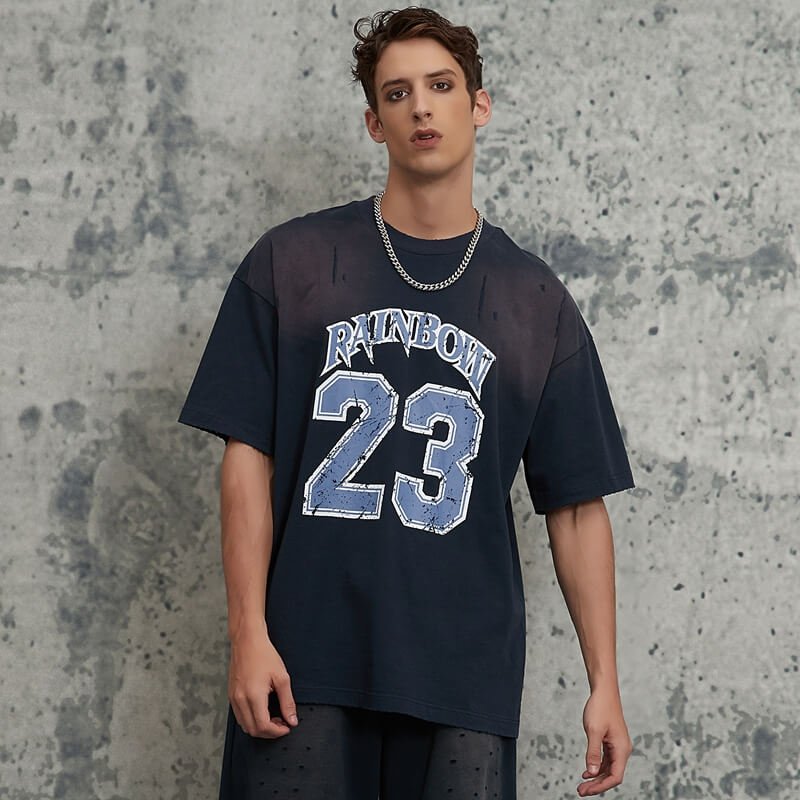
Jerseys serve teams and fanwear through sublimation, numbers, and tackle twill. Performance tops need moisture-managing polyester, athletic sleeve mobility, and heat transfers.
4. custom shirts Materials and Fabrics
140–200 GSM jersey suits printed tees; 110–160 GSM poplin or linen suits woven shirts. Specify structure first, because knit stretch and woven stability change fit, shrinkage, and decoration results.
| Material | Typical GSM | Benefits | Limitations | Best Use |
|---|---|---|---|---|
| Cotton | 160–220 | Breathable; prints well | May shrink | Graphic tees |
| Organic cotton | 160–220 | Traceable option | Higher cost | Premium tees |
| Combed cotton | 160–220 | Smooth hand | May shrink | Detailed prints |
| Polyester | 140–180 | Durable; quick-dry | Less breathable | Sportswear |
| Viscose | 120–180 | Soft drape | Lower wet strength | Draped shirts |
| Linen | 120–160 | Cool; breathable | Wrinkles | Summer wovens |
| Cotton-poly | 160–220 | Stable; durable | Print migration risk | Uniforms |
Knits Versus Wovens

180 GSM cotton jersey feels soft and breathable but can shrink; stabilize before print approval. 130 GSM poplin holds a cleaner collar and placket.
Fiber And Blend Trade-Offs

Combed and organic cotton offer smoother hand feel; organic status requires transaction documentation. Polyester improves durability and transfer performance, while viscose drapes softly and linen breathes with visible creasing.
Approve Production Specs
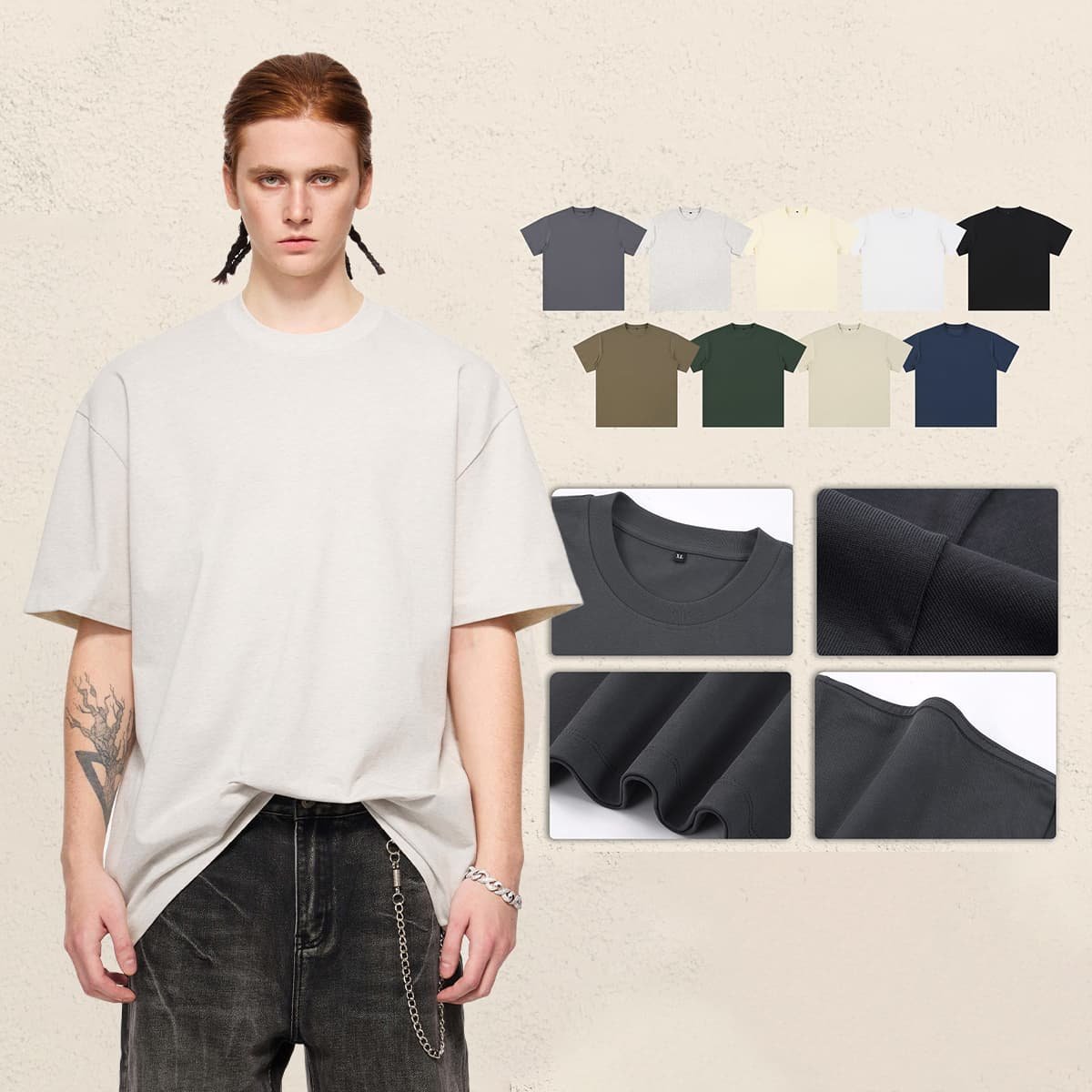
100-piece programs need an approved fabric swatch, GSM tolerance, shrinkage target, and wash method. Test screen-print opacity on dark cotton and migration risk on polyester.
5. custom shirts Customization Options
At VeeWen’s 100-piece-per-style baseline, choose decoration after fixing artwork, fabric, placement and target margin. Approval samples should verify color, hand feel and wash behavior before bulk production.
| Method | Setup | Detail | Durability | Best Fit |
|---|---|---|---|---|
| Screen print | Screens | Flat colors | High | 100+ pcs |
| DTG/DTF | Low | Photo detail | Medium-high | Complex art |
| Embroidery | Digitizing | Textured | High | Small placements |
Match Artwork To Method

1–3 spot colors suit screen print; photographic gradients favor DTG or DTF. Sublimation requires polyester-rich light garments, while all-over print needs panels printed before sewing.
Protect Margin And Drape

100+ pieces can absorb screen setup; DTF and heat transfer suit variable artwork with low setup. Dense embroidery is durable but can stiffen lightweight shirts and is best kept off high-stretch areas.
Finish The Private Label
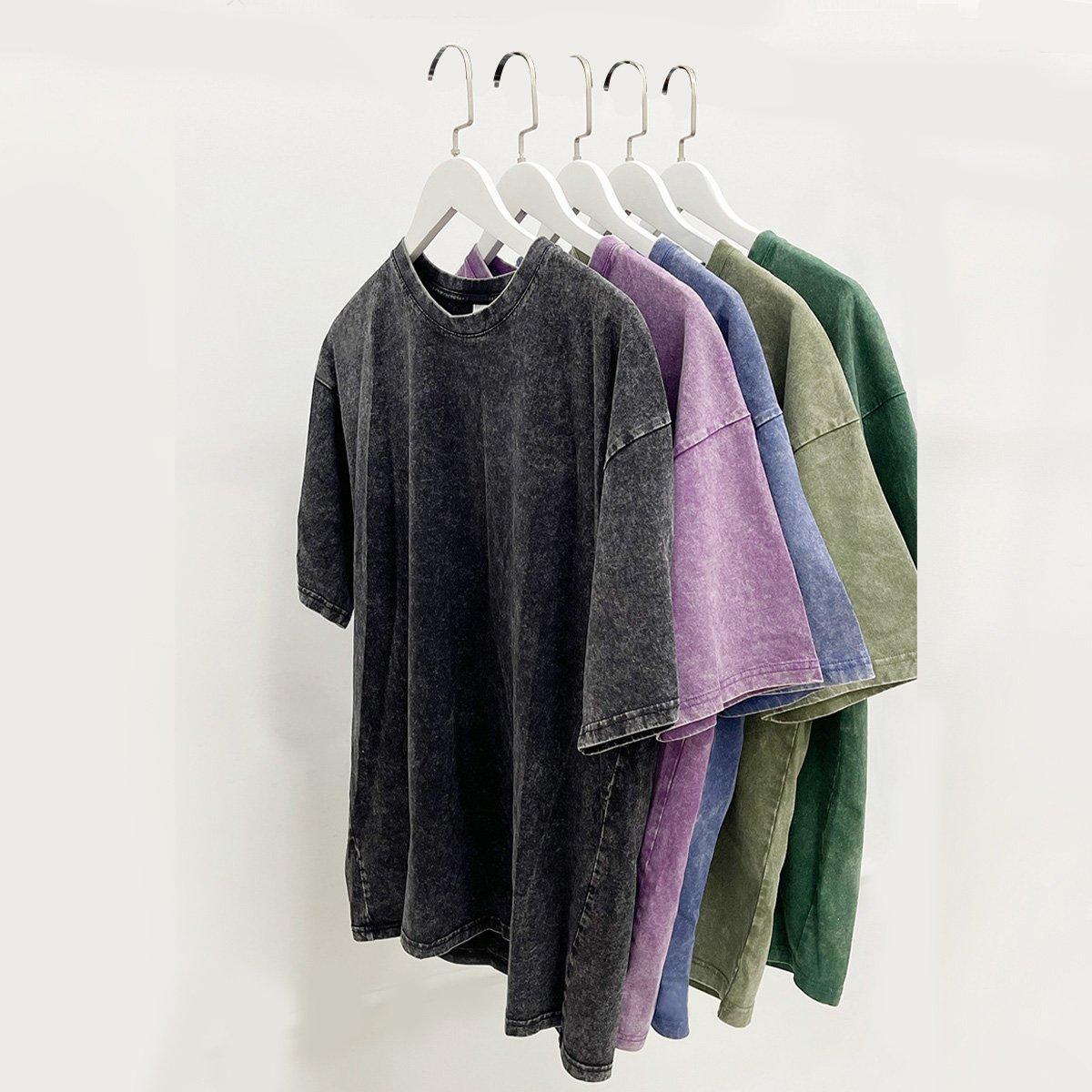
2 approved references—Pantone artwork and placement dimensions—reduce label and packaging errors. Garment dye, enzyme wash or acid wash add character but require shrinkage and shade approvals.
6. Construction Quality for custom shirts
100-piece runs still need production controls: fabric is inspected for flaws, shade, and usable width before cutting. An approved sample and written specification pack lock the fit, construction, colors, and repeat-order standard.
Pattern And Shape
1 graded pattern must preserve chest, length, sleeve, and collar proportions across every size. Neckline recovery, collar shape, shoulder tape, and stated measurement tolerances should be checked against the approved sample.
Seams And Stability
8–12 stitches per inch is a common apparel range, but seam type must suit the fabric and stress point. Reinforcement at shoulders, side seams, plackets, and hems helps prevent distortion after wear and washing.
Wash And Final QC
3 wash tests can reveal shrinkage, twisting, and colorfastness risks before bulk approval. Final QC should verify measurements, shade consistency, stitching, labels, packing, and defects against the signed specification.
7. How to Choose a Manufacturer
Choose on evidence, not a catalog. For custom shirts, ask what proves the supplier can repeat your fabric, fit, decoration, packing, and delivery requirements.
Match Product Expertise
Request recent samples matching your collar, placket, fabric weight, and print or embroidery method. A streetwear factory may handle 240 GSM jersey better than a formal shirting specialist.
Audit Development Control
Confirm a sample sequence: pattern, fit sample, revised sample, and approved pre-production sample. VeeWen’s 100-piece-per-style MOQ can suit focused launches, provided measurements and Pantone standards are signed off.
Verify Production Evidence
Ask which processes are in-house and which are subcontracted, then request inspection records, realistic lead times, export documentation support, and buyer references. Verify claimed OEKO-TEX, GOTS, WRAP, or BSCI status directly with the certificate holder.
8. Common custom shirts Sourcing Mistakes
100-piece programs leave little room to recover from unclear decisions. Before bulk production, convert each assumption into an approved specification, sample, test, or landed-cost line.
Price Before Capability
Three quotes can hide different fabric weights, trims, and inspection scope. Choosing the lowest quote can produce substitutions; compare like-for-like BOMs and confirm MOQ, production window, and quality checkpoints.
Samples And Specifications
One approved pre-production sample is the practical bulk reference. Vague tech packs, missing graded measurements, or untested fabric invite fit, shrinkage, and shade disputes; approve construction, wash, and fabric test results first.
Print, Labels, And Landed Cost
Two-color artwork may suit screen printing, while small variable runs may suit DTF. Unsuitable methods can crack or stiffen the print; test artwork, verify care and fiber-label rules, and budget freight, duties, and destination taxes.
9. Steps to Launch Your Shirt Brand
A 100-piece-per-style minimum rewards a focused capsule: one fit block, two colorways, and clear price positioning. Before quotations, define customer, target retail price, size range, decoration, and delivery date.
Build The Product Brief
Two reference shirts, a flat sketch, Pantone colors, measurements, artwork placement, and fabric target turn an idea into a quotable brief. List intended retail price and country of sale.
Sample And Approve
One development sample should test fit, hand feel, print or embroidery, wash shrinkage, and construction. Revise the tech pack, approve graded measurements, then sign off a pre-production sample before bulk cutting.
Prepare Delivery And Launch
Final approvals should cover labels, hangtags, polybags, carton marks, inspection points, freight method, and launch photography. Plan product pages, size charts, inventory receipt, and merchandising before goods leave China.
10. custom shirts Pricing and Cost
100 pieces is VeeWen’s standard MOQ per style, so development, fabric allocation and setup costs are spread across fewer units than a 500-piece run. Final custom shirts quotes follow the approved specification.
7–21 days is a typical bulk-production window after pre-production approval; sampling, freight and complex washes can extend it. Confirm Incoterms separately.
| Quantity tier | Indicative FOB unit price | Typical lead time | Best fit |
|---|---|---|---|
| 100–199 pcs | US$8–18 | 14–21 days | Poplin or Oxford; one-color print |
| 200–499 pcs | US$6–15 | 14–21 days | Private label; modest embroidery |
| 500+ pcs | US$5–12 | 21–30 days | Multiple colors, trims or wash |
| Cost variables | Fabric GSM, decoration colors, labels, packaging, sample and freight | Quoted separately | Specs determine final cost |
Ready to Develop Your Custom Shirts?
Send your tech pack, sketches, references, or initial idea to VeeWen for a production-focused quote and clear next steps.