










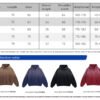





This pullover hoodie concept is built around a controlled tension: substantial 450gsm terry gives the garment body, while vintage washing and distressing create irregular surface character. Hardware plating must support that treatment visually and physically, without becoming brighter, weaker, or more distracting than intended.
Separate surface treatment from hardware appearance
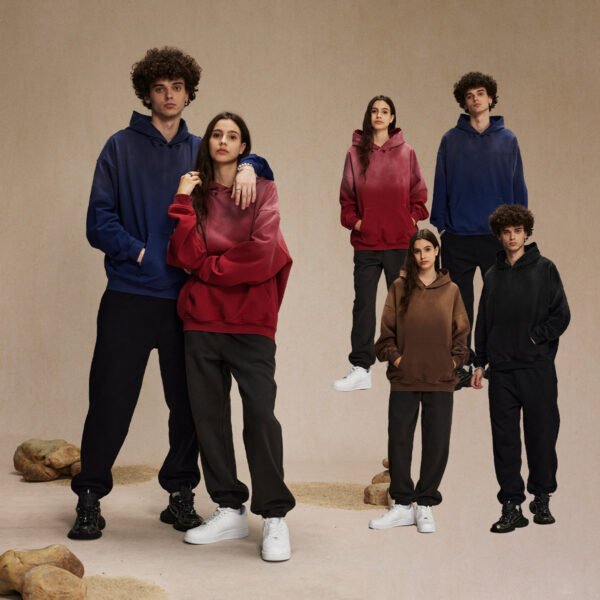
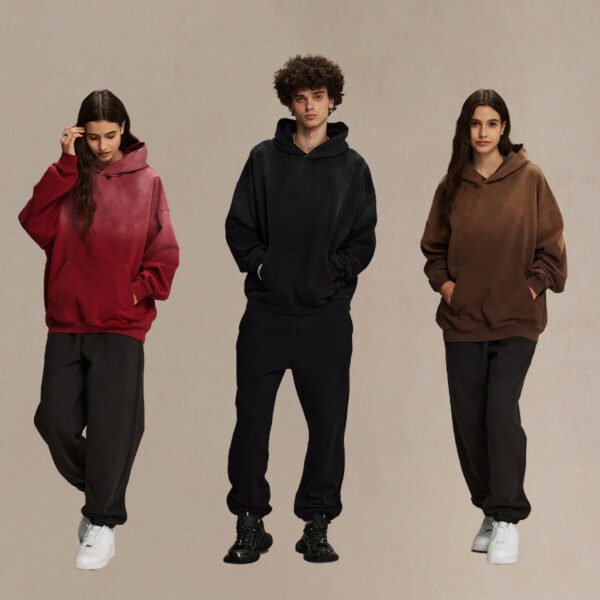
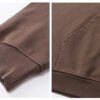
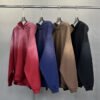
The source wording establishes a vintage wash and distressed direction, while the images show tonal variation and worn-looking surfaces across multiple hoodie colors. Those effects should be defined separately from hardware plating so treatment intensity does not accidentally dictate metal appearance.
A bright plated finish can create a sharp contrast against aged terry, while a muted finish may integrate more naturally but lose intentional definition. The buyer should choose whether hardware reads as a deliberate accent or a quiet construction detail.
Protect heavy terry through treatment control
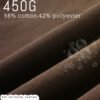
At 450gsm, the stated terry reference suggests a substantial hand and significant material presence, but the source does not confirm fiber composition or final performance. Washing and distressing should therefore be assessed for shrinkage, surface change, and seam stability before approval.
The trade-off is visual age versus structural control. More abrasion can strengthen the vintage story, yet excessive treatment may weaken pocket edges, cuffs, waistband ribs, or drawcord areas. A treatment limit should be documented by location, not described only as overall mood.
Coordinate plating with visible garment hardware
The supplied images visibly show hood drawcords and finished garment edges, but they do not establish exact eyelet or cord-end specifications. If hardware is added, plating color and scale should be judged beside each garment shade, especially darker navy, burgundy, brown, and black.
For VeeWen's workflow, hardware approval should follow a paired review: untreated construction first, then treated garment with plated components installed. This reveals whether washing dulls, scratches, stains, or visually overwhelms the selected hardware finish.
Use color to expose treatment variation
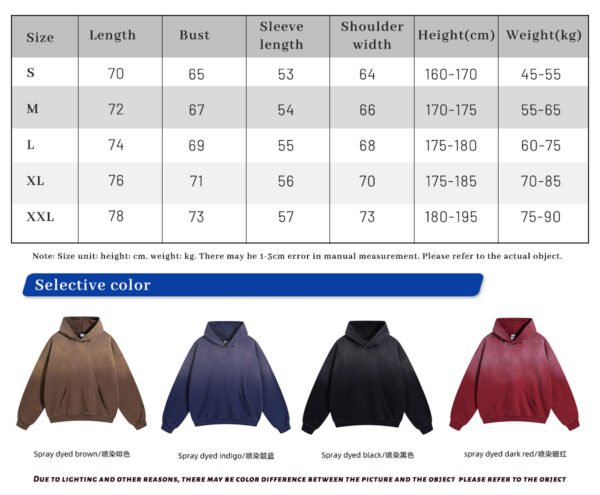
The image set presents the hoodie concept across navy, burgundy, red, brown, and black tones, giving the program a broad visual range. Dark shades may hide minor abrasion differences, while red and lighter brown can make uneven fading or residue more noticeable.
Each color should receive the same treatment logic but not necessarily identical visual expectations. The development record should define acceptable contrast, edge wear, and tonal movement per shade, preventing one color from becoming substantially more distressed than the approved family.
Engineer the trim zones around movement
Hood openings, cuffs, waistband ribs, and kangaroo pockets are movement zones that can react differently from the main body during washing. Hardware placement near these areas must avoid snagging, sharp contact, or concentrated distortion after treatment.
A robust plating specification should include appearance, surface smoothness, and placement tolerance, while the garment specification records treatment boundaries. VeeWen's sample review can then isolate whether a problem comes from metal selection, sewing, washing, or abrasion.
Make post-treatment approval the decision gate
The buyer should assess the finished sample after the planned wash and distress process, not approve plating from a clean trim card alone. The final appearance depends on contact between terry surface, dye behavior, abrasion, hardware, and pressing.
Approval should require agreement on hardware tone, distress locations, wash intensity, trim placement, and acceptable variation across colors. Once those decisions are recorded, VeeWen can carry the selected pairing into grading and production documentation with fewer interpretation gaps.
Buyer Questions
Is 450gsm composition verified?
The source wording verifies a 450gsm thick terry reference, but it does not provide fiber percentages. Composition, blend details, and final fabric test requirements remain To Confirm.
Why review hardware after washing?
Washing and distressing can alter surface contrast, scratch plating, expose sharp edges, or change trim integration. Post-treatment review shows the actual commercial appearance and handling risk.
Are all shown colors required?
No. The images provide color-direction evidence only. The buyer should select the final palette, then approve shade standards and treatment behavior separately for each production color.
What is the commercial minimum?
The exact commercial minimum is MOQ: 100 pieces per style. Final color quantities, size ratios, trim choices, and treatment instructions should be confirmed during development.
Approve the Treatment and Hardware Pairing
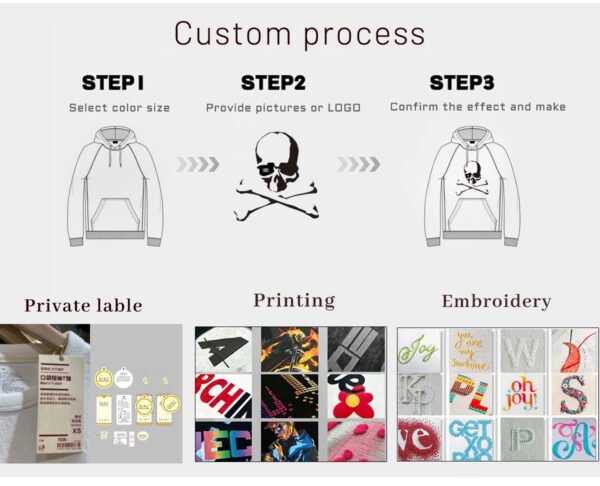
Share the target color palette, distress boundaries, plating preference, and fabric reference so VeeWen can build a post-treatment sample gate around appearance and trim stability.



Reviews
There are no reviews yet.