

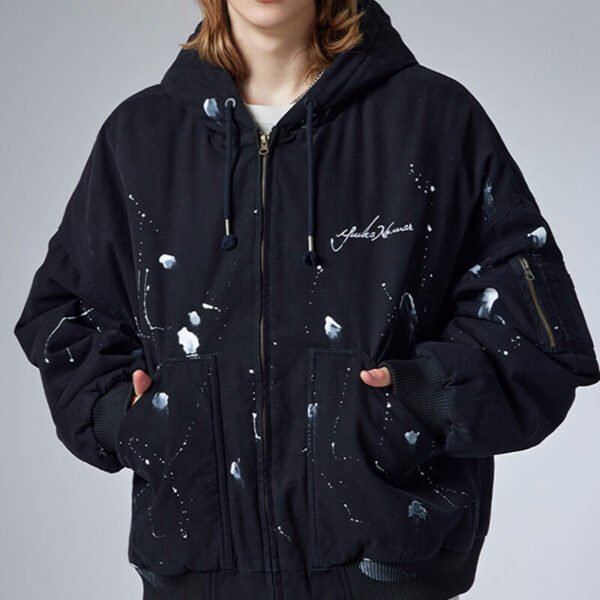
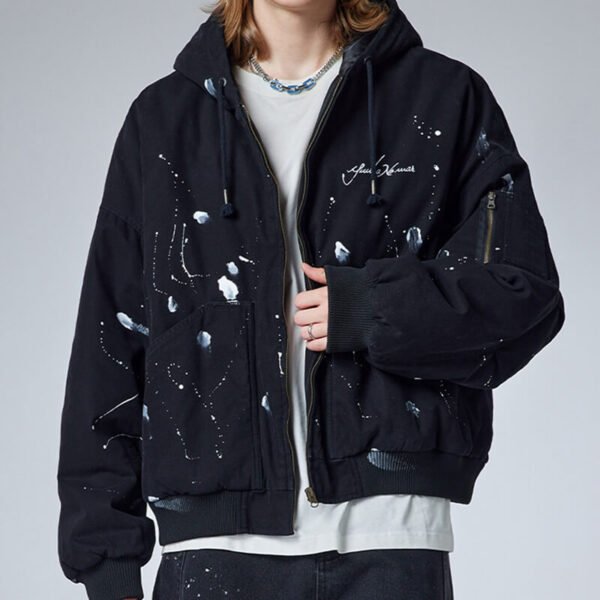
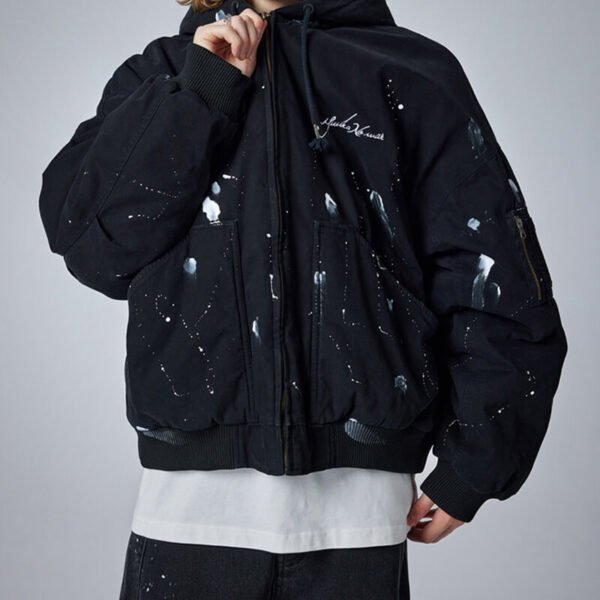
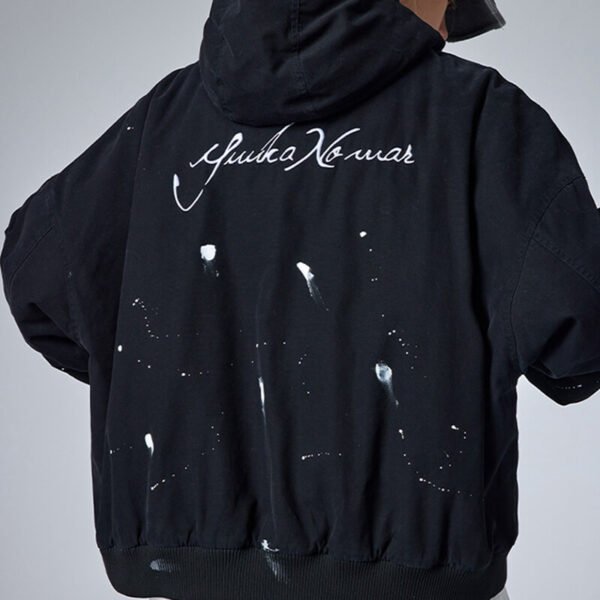

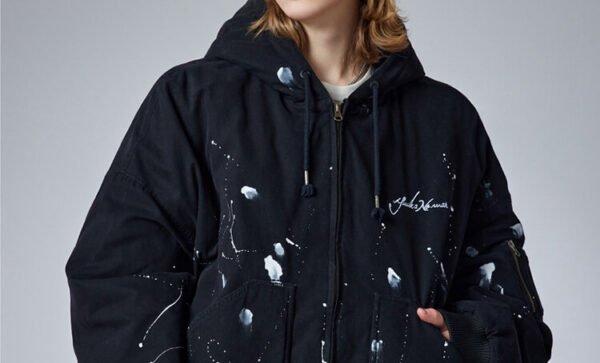


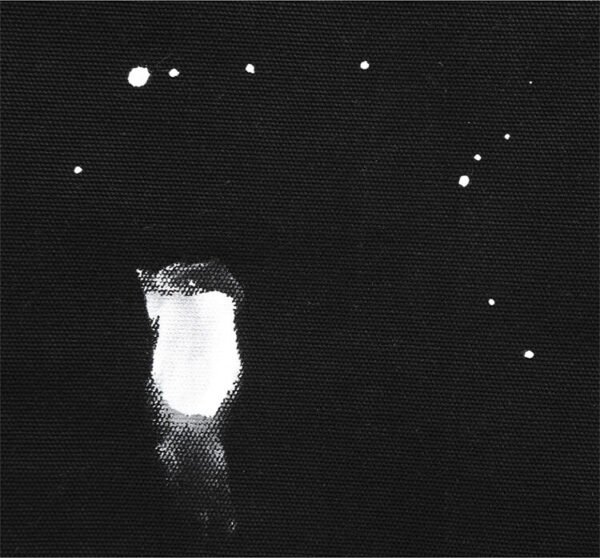
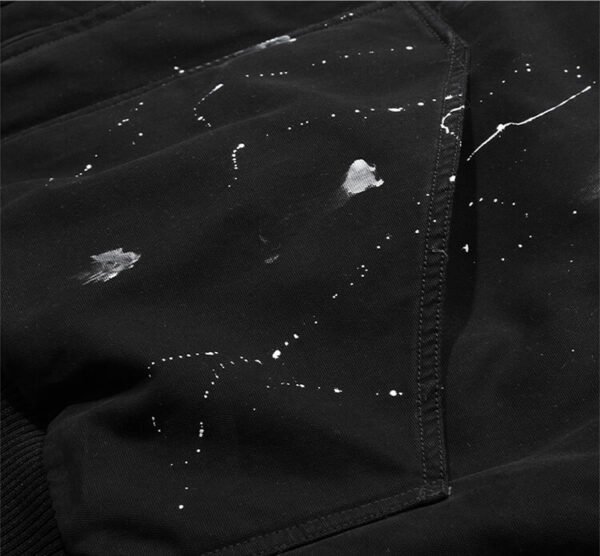
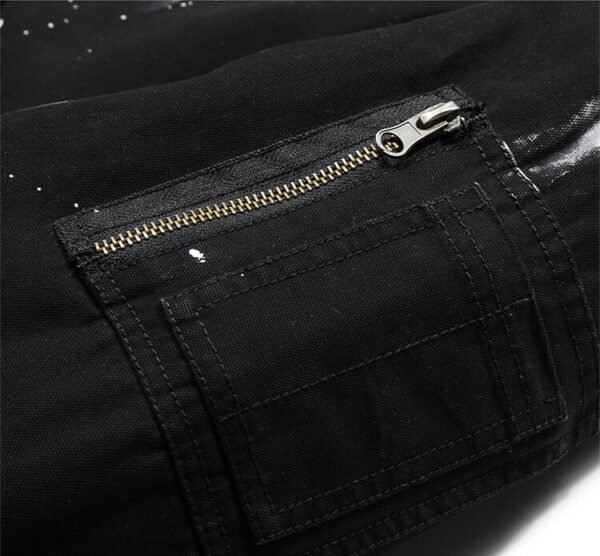
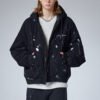

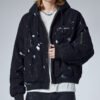
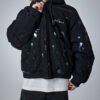
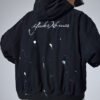

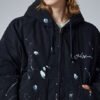

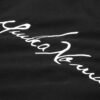
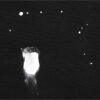
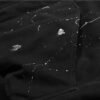
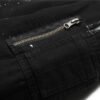
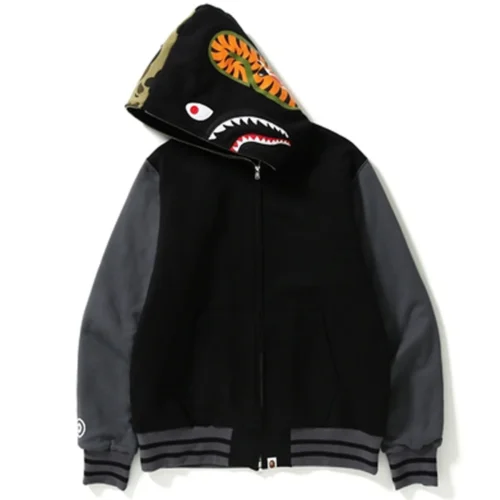
This custom hooded flight jacket uses controlled irregular artwork as a production variable, not a decorative afterthought. The black body, scattered light marks, utility pockets, and ribbed edges create a strong visual system that must remain balanced across panels, sizes, and repeat orders.
Artwork Scale Must Follow the Garment Map
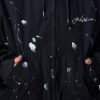
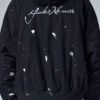
The reference shows splash marks distributed across the torso, sleeves, and lower pockets, with no single panel carrying the entire story. That distribution makes artwork scale a garment-level decision because pocket doors, seams, and zippers interrupt visual continuity.
VeeWen development should convert the approved reference into a panel map identifying mark size, density, and placement by body section. The map should distinguish deliberate variation from uncontrolled drift, giving production and inspection teams a shared visual target.
Irregularity Needs Measurable Tolerance
An irregular effect can look expressive in a sample yet lose balance when marks shift toward one sleeve or disappear beneath a pocket. The visible contrast between sparse and concentrated areas therefore requires an agreed tolerance range, especially around high-attention front panels.
The buyer should review a marked sample with acceptable and unacceptable placement examples before approving bulk work. This checkpoint protects the intended handmade impression while recognizing that exact duplication of every mark is neither practical nor visually necessary.
Panel Boundaries Change Perceived Density
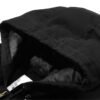
The hood, center zipper, sleeve zipper, and large lower pockets divide the jacket into separate visual fields. A splash mark crossing one boundary may appear fragmented, while a mark placed too close to hardware can become visually noisy or partially hidden.
Sampling should assess the artwork on the fully assembled garment, not only on flat cut panels. VeeWen can use the approved construction layout to check how closures, pocket layers, and ribbed edges redistribute the apparent density before production confirmation.
Size Grading Requires Artwork Logic
A boxy silhouette with roomy sleeves changes available surface area as sizes increase or decrease. If artwork remains fixed without a grading rule, smaller sizes may appear overcrowded while larger sizes may look underdeveloped, weakening the consistency of the product family.
The development file should define whether artwork scales, repeats, or holds selected anchor points across sizes. VeeWen's workflow can connect graded pattern measurements with the artwork map, allowing the buyer to approve representative size samples before releasing the full size range.
Construction Frames the Visual Effect
Ribbed cuffs and hem create strong dark borders around the splash treatment, while the hood and pocket construction add layered depth. These elements are not neutral backgrounds; they determine where artwork can finish cleanly and where visual marks may become concealed.
The technical review should separate shell artwork from rib and hardware decisions, then inspect their interaction on the assembled sample. This keeps the splash scale legible without forcing marks into seams, closures, or edge zones where they may lose definition.
VeeWen Workflow Turns Reference into Approval Gates
For this style, VeeWen's product-development workflow should begin with an artwork placement brief, continue through mapped pattern panels and an assembled sample, and end with a buyer-approved tolerance sheet. Each gate answers a different repeatability question before the next commitment.
The final approval package should show front, back, sleeve, pocket, and detail views alongside the selected size references. That record gives production a controlled interpretation of the visual source while leaving room for the measured irregularity that defines the garment.
Buyer Questions
How should splash artwork be approved for production?
Approve a panel map showing mark scale, density, placement zones, and acceptable variation, then review the assembled sample before confirming bulk production artwork.
Can the artwork remain irregular across repeat orders?
Yes, if irregularity is defined through controlled density and placement tolerances rather than exact duplication, with retained approval images for future production reference.
What should be checked on graded sizes?
Check whether anchor points, mark density, and pocket relationships remain balanced across representative sizes, since fixed artwork can appear crowded or sparse after grading.
What is the commercial minimum for this style?
The commercial minimum is MOQ: 100 pieces per style. Final artwork, measurements, materials, and construction details remain subject to approval.
Approve the Splash Map Before Sampling
Send the target artwork, size range, and preferred shell direction to VeeWen for a mapped development review. Confirm placement tolerances and assembled-sample checkpoints before moving toward MOQ: 100 pieces per style.


Reviews
There are no reviews yet.