


Built around neckline control, this pullover hoodie uses a visibly structured hood opening, set-in ribbed hem, and clean shoulder-to-neck transitions to frame the face while protecting comfort. The development priority is rib recovery: maintaining a stable opening after wear, washing, and repeated hood movement.
Neckline Shape Sets the Approval Standard
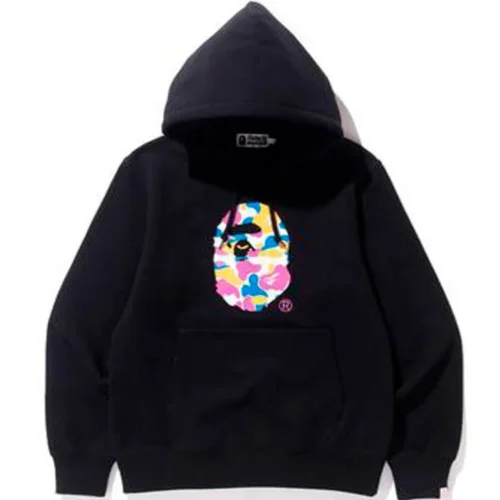
A pullover hood concentrates visual attention around the neck, so a loose or uneven rib opening can make the garment appear careless before comfort is assessed. Here, the centered hood seam and balanced opening provide a clear reference for checking neckline symmetry during sampling.
The neckline should be developed as a controlled interface between hood, rib, and front body. Confirm the opening circumference, rib height, seam allowance, and attachment tension together, because changing one variable can alter the hood's resting position and the perceived face-framing effect.
Rib Recovery Protects Repeat Wear
Recovery matters when the wearer pulls the hood on and off, stretches the opening over the head, or layers the garment beneath outerwear. A neckline that does not return can expose construction irregularities, shift the hood backward, and weaken the deliberate centered appearance shown in the image.
VeeWen development should compare the rib's relaxed measurement with its post-stretch measurement, then inspect recovery after repeated handling. The checkpoint is not maximum tightness; it is a balanced return that keeps the opening stable without producing binding, rippling, or excessive pressure at the throat.
The Hood Seam Must Support the Rib
The hood's visible center seam runs toward the opening and appears aligned with the garment center, making seam placement part of the neckline argument. If the seam twists or the opening is attached unevenly, the hood can rotate, undermining both comfort and the intended graphic balance.
During pattern review, align the hood panels, opening curve, and neckline rib before approving decorative details. Evaluate the garment on a form and a fit model, since fabric tension around the head changes the hood's drape and may reveal distortion that a flat inspection misses.
Tonal Graphics Preserve Neckline Visibility
The raised chest lettering is dark against a dark body, so it adds texture without competing strongly with the hood opening. This restrained surface treatment keeps the neckline silhouette legible, allowing buyers to judge shape, rib proportion, and front balance without a loud contrast effect.
The decoration should remain secondary to the neckline engineering. Confirm whether the relief is produced through foam print, embroidery, applique, or another method, then review hand feel, edge definition, and local stiffness to ensure the chest treatment does not pull the front body upward.
Relaxed Volume Requires Controlled Openings
The broad body, long sleeves, and kangaroo pocket suggest a relaxed volume that benefits from a stable upper anchor. When the neckline expands unpredictably, the lower garment can look oversized rather than intentional, especially as the hood settles behind the shoulders during movement.
Fit approval should therefore link neck opening measurements to shoulder slope, hood depth, sleeve balance, and pocket placement. Decide whether the target customer prefers a close frame or an easy entry opening, then preserve that choice consistently across sizes through graded rib and hood specifications.
VeeWen Workflow Converts the Argument
At VeeWen, begin with a neckline-focused technical brief identifying opening measurements, rib dimensions, hood seam alignment, and the required recovery observation. Use the supplied image as a visual reference for proportion, while recording every change in the fit sample comments and approval file.
Before bulk release, review the approved sample after controlled stretching and laundering simulation, then compare the neckline against the agreed measurements and photographs. The buyer checkpoint is written approval of shape, comfort, recovery, and decoration interaction, with composition and finish recorded as confirmed or To Confirm.
Buyer Questions
What is the primary development risk for this hoodie?
The primary risk is neckline deformation, because repeated hood movement can change opening shape, hood position, comfort, and the garment's visual balance.
Is the cotton composition verified for production?
No. Cotton appears in the source wording, but composition, blend ratio, fabric weight, and testing requirements must be confirmed before costing.
Which decoration method should buyers approve?
Buyers should approve the decoration method after reviewing relief, hand feel, wash behavior, edge definition, and interaction with the front body.
What is the commercial minimum for this style?
The commercial minimum is MOQ: 100 pieces per style, with final requirements confirmed through the approved development specification and production review.
Approve the Neckline Before Finalizing the Style
Send your target measurements, size range, fabric direction, and decoration preference for a neckline-led development review. VeeWen can then prepare the approval checkpoints required for MOQ: 100 pieces per style.



Reviews
There are no reviews yet.