


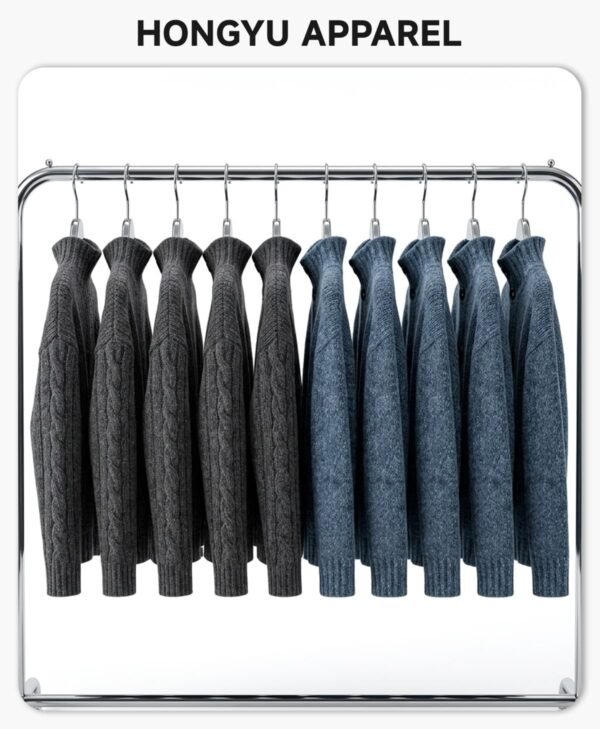



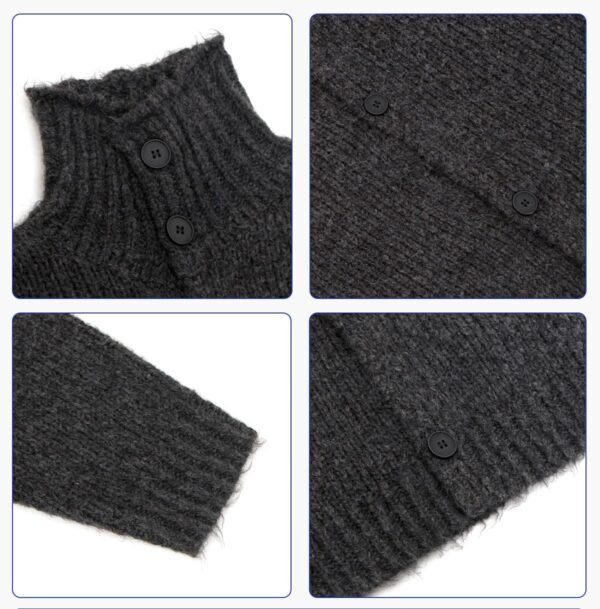


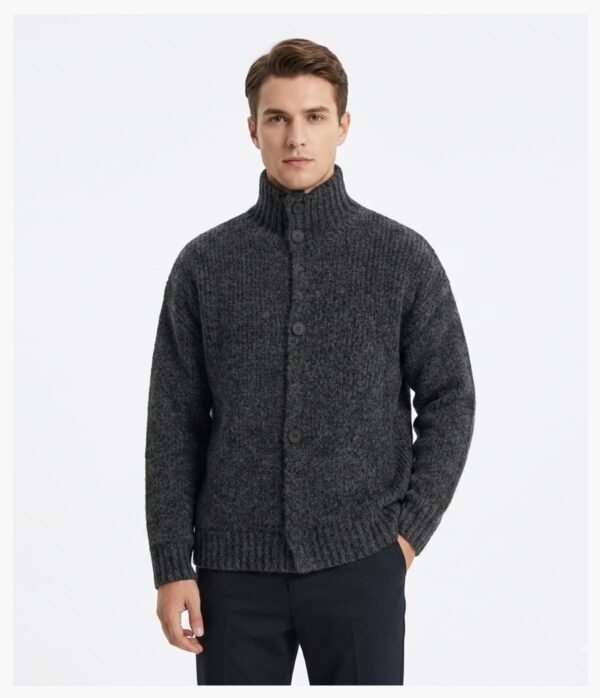




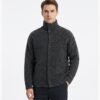

This custom mock neck knit cardigan is developed around directional stretch control and textured pattern placement. The supplied image shows a structured button front, dense rib boundaries, and a pronounced tweed-like surface, making panel orientation essential to consistent drape, visual balance, and repeatable private-label production.
Stretch Direction Sets the Cardigan's Shape
A textured knit does not behave uniformly in every direction. The cardigan image shows a vertical body structure, dense rib at the hem, and a raised surface, so the cutting plan should preserve the intended lengthwise recovery through the front and sleeves.
During development, VeeWen can map course and wale direction against the approved measurements, then assess how the mock neck, button placket, and pocket openings respond after handling. The checkpoint is dimensional appearance, not a generic stretch claim, because composition and recovery remain To Confirm.
Pattern Placement Must Follow the Surface
The close-up image reveals a strongly visible knit texture rather than a flat jersey appearance. If the surface has directional character, reversing panels may create tonal or tactile differences, especially around the front opening, sleeves, and pocket areas.
A production marker should therefore identify the face, top edge, and approved orientation for every major component. VeeWen's sample review should compare adjacent panels under consistent lighting, confirming that texture flow supports the intended vintage-inspired appearance without overstating unverified fabric technology.
Mock Neck and Rib Boundaries Need Coordination
The mock neck is visually substantial, while the cuffs and hem appear tighter and denser than the body. That contrast creates shape retention at the edges, but it also makes rib width, attachment tension, and seam transition highly visible.
VeeWen's development workflow should measure the rib sections separately from the body and confirm how they join after pressing or steaming. The approval sample should verify neckline comfort, placket stability, sleeve opening balance, and whether edge recovery complements the chosen stretch direction.
Button Front Placement Controls Balance
The image places dark buttons along a centered front opening, with the placket interrupting the textured body. Small placement errors can become prominent because the surface pattern and vertical construction lines are both visible to the buyer.
For sampling, VeeWen should establish a front-center reference line before positioning buttonholes, buttons, and pocket entries. The buyer should approve spacing, hardware scale, and placket width together, ensuring the visual rhythm remains stable across charcoal and any approved alternate color.
Color Changes Can Expose Orientation Errors
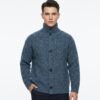
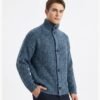
Charcoal gray is the primary visual reference, while blue is shown as an alternate. Darker shades can soften surface variation, whereas lighter or more saturated colors may reveal differences caused by panel direction, yarn blending, or finishing response.
VeeWen should treat each color as a separate appearance approval while retaining one construction standard. The buyer decision is whether the same directional marker and placement tolerance remain acceptable across colors, with shade, yarn specification, and final finishing recorded as To Confirm.
Approval Checkpoint for VeeWen Development
VeeWen can take the approved reference through measurement confirmation, knit-panel orientation review, prototype assembly, and pre-production comments focused on stretch behavior and pattern continuity. This workflow is specific to the cardigan's visible surface and edge structure.
Before releasing the style at MOQ: 100 pieces per style, the buyer should approve a measured sample, orientation-marked cutting plan, rib dimensions, front alignment, and color references. The final checkpoint is a shared standard for visual continuity and shape response, not an assumed material certification.
Buyer Questions
What material is this cardigan made from?
The image shows a textured knit surface, but fiber composition and yarn specification are not supplied. VeeWen should confirm them through the approved development sample and technical specification.
Why does stretch direction matter for this cardigan?
Directional knit behavior can change body length, sleeve drape, neckline recovery, and placket stability. Confirming orientation helps preserve the intended silhouette across repeated production panels.
Can the cardigan be developed in additional colors?
Yes, color development can be discussed, while each shade requires separate approval because yarn appearance, texture visibility, and perceived panel direction may change between colorways.
What should buyers approve before production?
Approve measurements, rib dimensions, panel orientation, button placement, pocket positioning, color references, and the visual tolerance for texture continuity before placing MOQ: 100 pieces per style.
Approve the Directional Knit Standard
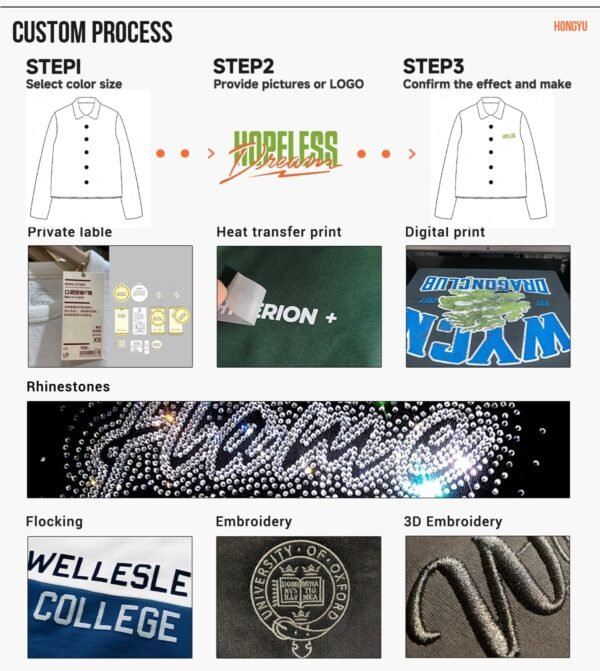
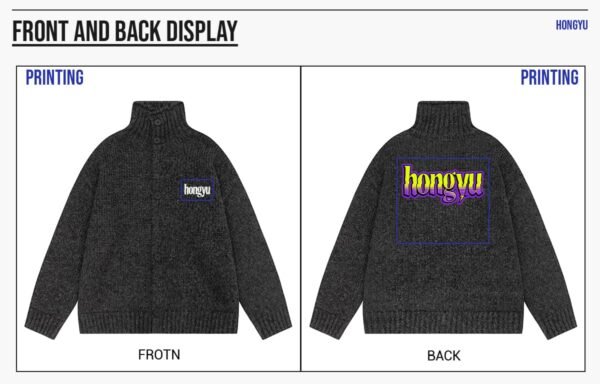
Send your target measurements, color references, and label requirements to VeeWen for a focused cardigan development review. Approve the orientation-marked sample and construction checkpoints before moving toward MOQ: 100 pieces per style.


Reviews
There are no reviews yet.