






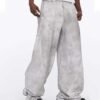


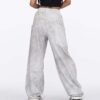


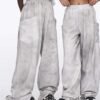
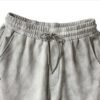

This custom vintage washed cargo pant is built around mobility review, but the supplied armhole axis belongs to upper-body construction. For this trouser, the meaningful translation is seat, crotch, and upper-thigh freedom, tested against the visible wide leg, elastic waist, pocket, and wash character.
Translating the Supplied Mobility Axis
Armholes and underarms are upper-body construction terms, so they cannot directly define a trouser block. The correct technical translation is movement through the seat, crotch, rise, and upper thigh, where insufficient ease restricts walking, sitting, and squatting.
This distinction should remain visible in the development record because it prevents a mislabeled checkpoint from passing unnoticed. The buyer should approve a trouser mobility block that preserves the intended relaxed appearance without allowing excessive fabric collapse through the front rise.
What the Main Image Establishes
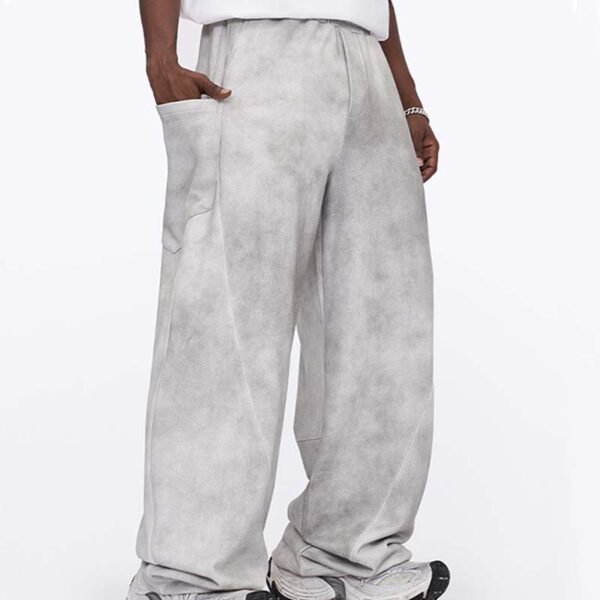
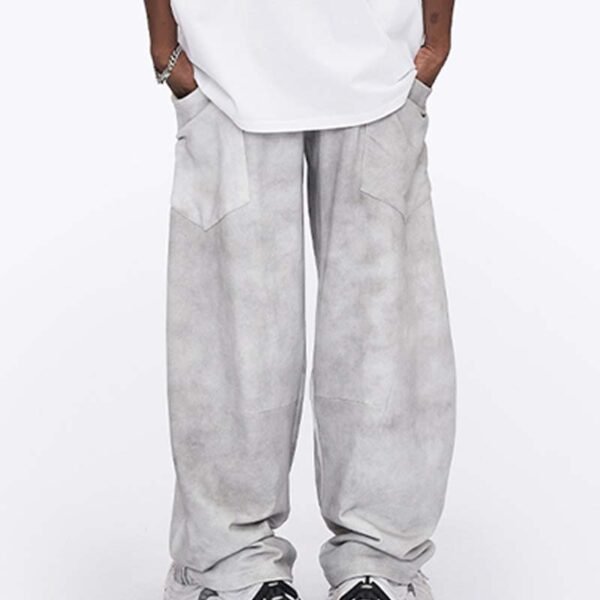
The supplied image shows light gray pants with a mottled washed surface, elasticated waist, roomy legs, a side cargo pocket, and articulated-looking seam lines. These visible details support a casual utility direction, but they do not verify composition, GSM, measurements, or wash chemistry.
The broad leg suggests generous movement volume, yet width alone does not guarantee comfort. Crotch extension, rise balance, pocket placement, and seam direction determine whether the garment moves naturally or pulls across the body during active wear.
Seat and Crotch Engineering
A relaxed trouser needs enough seat and crotch allowance to accommodate sitting without forcing the waistband downward or creating diagonal strain lines. The first sample should therefore be assessed in walking, seated, and crouched positions, not only on a static mannequin.
More room can improve mobility but may weaken the intended silhouette through excess folds and a dropped appearance. Less room creates a cleaner front but increases restriction risk. The approval target is controlled ease that supports movement while retaining the wide-leg profile.
Cargo Pocket and Seam Interaction
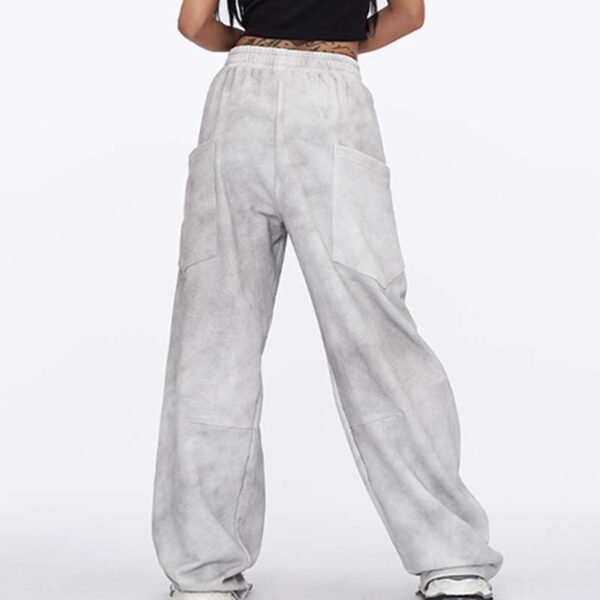
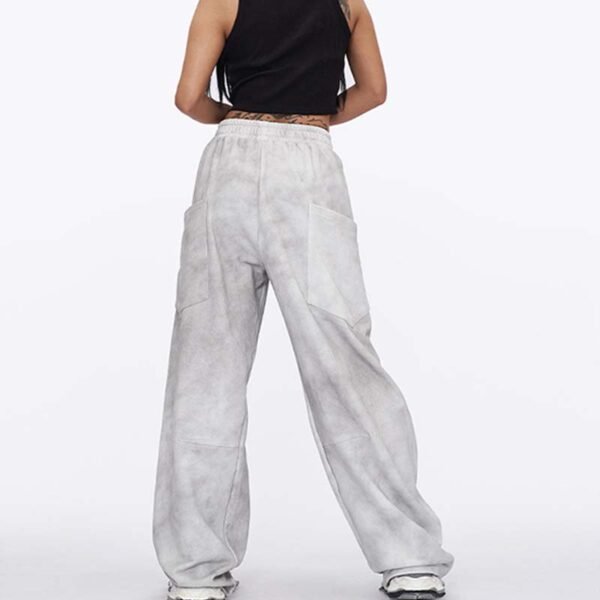
The visible side pocket adds functional volume near the upper leg, while the surrounding seam lines create additional directional structure. Pocket bag size, opening angle, and reinforcement placement can influence how the thigh flexes and how the fabric settles.
A larger pocket may improve utility but can add weight and distort the outer leg when filled. A cleaner, lighter pocket package may preserve drape but reduce carrying capacity. The buyer should define the intended load before finalizing pocket geometry and seam tolerances.
VeeWen Development Workflow
VeeWen should document this style using a mobility block that replaces the inapplicable armhole terminology with measured rise, crotch, seat, thigh, and knee checkpoints. The sample should retain the visible wash direction, elastic waist reference, cargo pocket position, and relaxed leg balance.
Once movement and appearance are reviewed, the approved pattern and wash standard should become the production reference. The 100-piece-per-style minimum applies after the buyer confirms those decisions, including acceptable tonal variation and the final measurement tolerance framework.
Buyer Approval Checkpoint
Approve the trouser when the wearer can walk, sit, and bend without crotch strain, pocket interference, or waistband displacement. Inspect the front and side views together, because mobility corrections can change the visual balance of the wide leg.
If the wash appears uneven beyond the agreed direction, resolve the shade standard before production approval. The final decision should balance relaxed movement, useful pocket architecture, stable waist comfort, and consistent vintage character across the garment.
Buyer Questions
How is the armhole axis handled for pants?
Armhole and underarm construction are not trouser terms, so the review is translated into seat, crotch, rise, thigh, and knee mobility checkpoints.
Is the fabric composition confirmed?
No. The supplied evidence shows appearance and construction cues only; fiber content, GSM, stretch, and finishing details require confirmation from the selected fabric specification.
What movement tests should buyers request?
Review walking, sitting, crouching, and pocket access on a physical sample while checking waistband stability, crotch comfort, seam pull, and leg balance.
What is the commercial minimum?
The exact commercial minimum is MOQ: 100 pieces per style, with final production proceeding after specifications, sample approval, and order details are confirmed.
Approve the Mobility Block
Share target measurements, pocket requirements, wash direction, and wearer movement priorities. VeeWen can translate the brief into a tested trouser block before confirming production specifications.



Reviews
There are no reviews yet.