
Apparel Product Specifications for 100-Piece MOQ Production
VeeWen turns your tech packs, references and concepts into production-ready apparel product specifications, samples and bulk goods.
Featured Products for apparel product specifications Development





Related Product Catalogue and Quotation


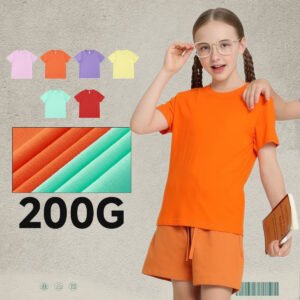


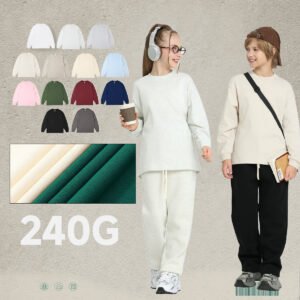


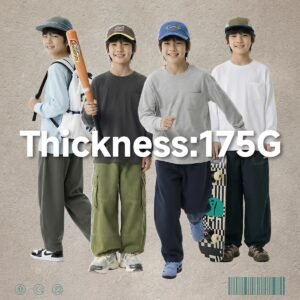


Apparel Product Specifications, Built for Consistent Bulk Results
VeeWen turns each approved decision into a practical production standard for menswear, streetwear and full-category apparel programs.
Clear Fit Standards
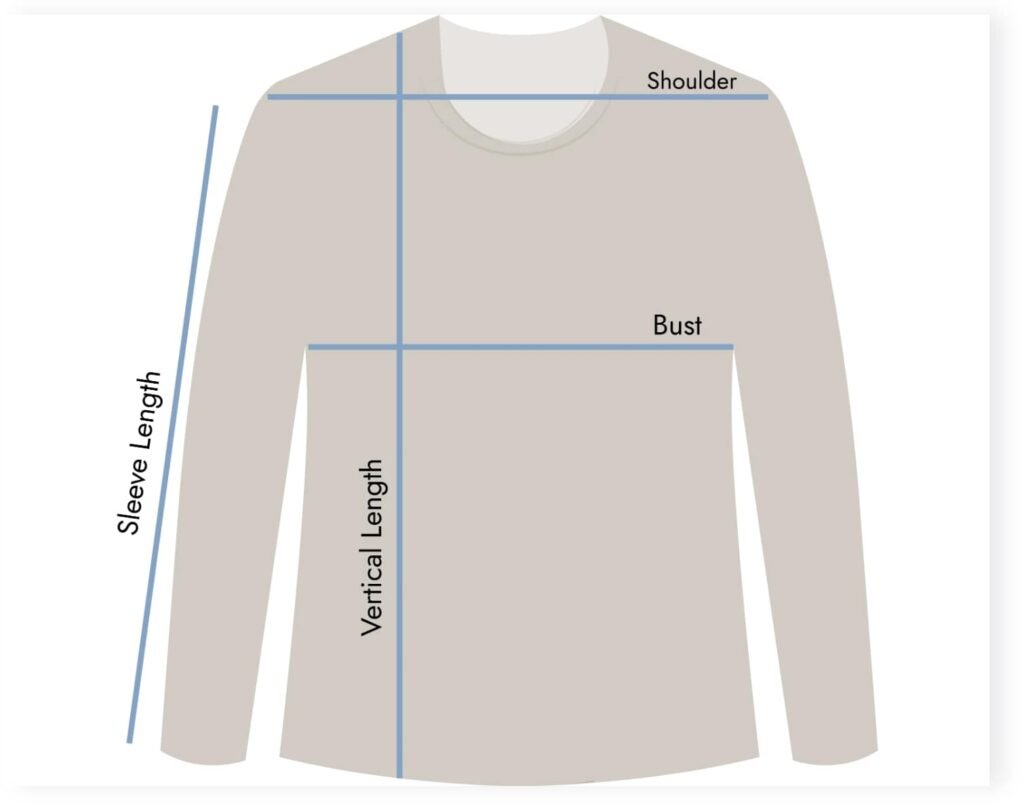
Define fit block, graded measurements, shoulder drop, rise and inseam early, so every size follows the approved garment direction.
100-Piece MOQ
Launch focused styles from 100 pieces per style, giving emerging labels room to test demand without losing specification control.
Sampling Before Bulk
Review fit, fabric, decoration and construction through samples before bulk production, then confirm the details that protect consistency.
Material Guidance
Choose fabrics around weight, hand feel, wash effect, performance needs, target price and intended end use for each garment.
Documented Checkpoints
Move from approved sample to pre-production confirmation, in-line inspection, final quality checks and packing with clear production checkpoints.
Direct Production Communication
Discuss revisions, trade-offs and timelines directly with a production-minded team that keeps your apparel product specifications actionable.
Explore Apparel Styles & Specifications
Continue to every direct child page in this Studio architecture section.

Plus Size Clothing Vendors
Plus size clothing vendors for OEM and private-label programs from 100 pieces per style, with fit-led sampling and trim support. Request a custom quote today.
Explore Category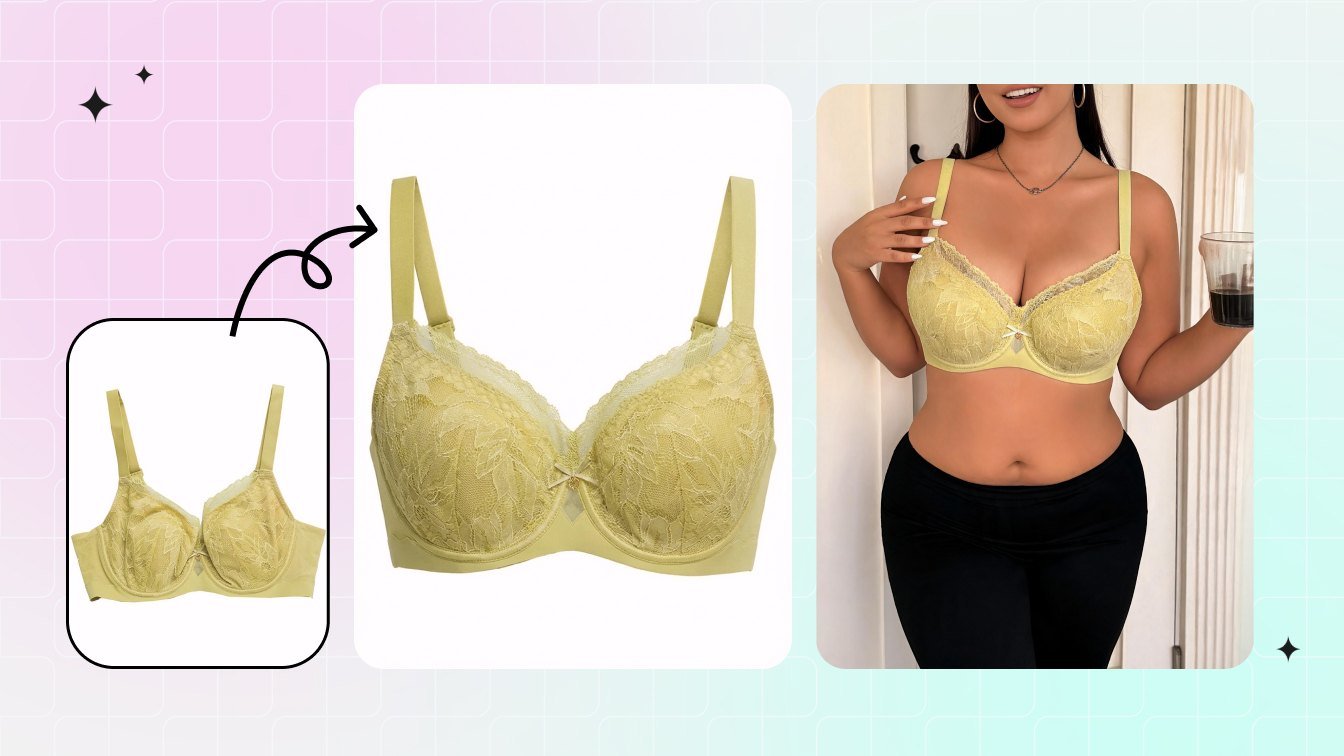
Plus Size Clothing Vendors List
Plus size clothing vendors list for private-label sourcing with a 100-piece-per-style MOQ and full OEM development. Request a custom quote for your next collection.
Explore Category
Plus Size Clothing Vendors in China
Plus size clothing vendors in china with 100-piece-per-style OEM, ODM and private-label production. Send your tech pack to request a custom quote today.
Explore Category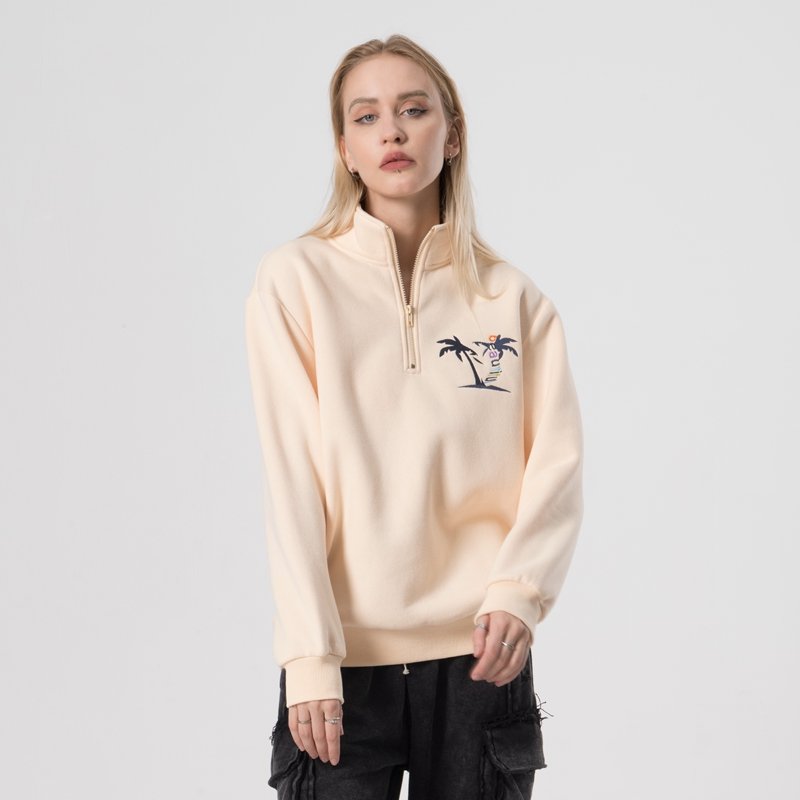
Womens Apparel Manufacturers
women’s apparel manufacturers with OEM, ODM and private-label production from 100 pieces per style. Send your tech pack and request a custom quote today.
Explore Category
Plus Size Clothing Vendors for Boutiques
Plus size clothing vendors for boutiques with a 100-piece-per-style MOQ, custom fit development and private-label finishing. Request a custom quote today.
Explore Category
Ladies Clothing Manufacturers
Ladies clothing manufacturers for private-label collections from 100 pieces per style, with OEM development and sampling. Request a custom quote today.
Explore Category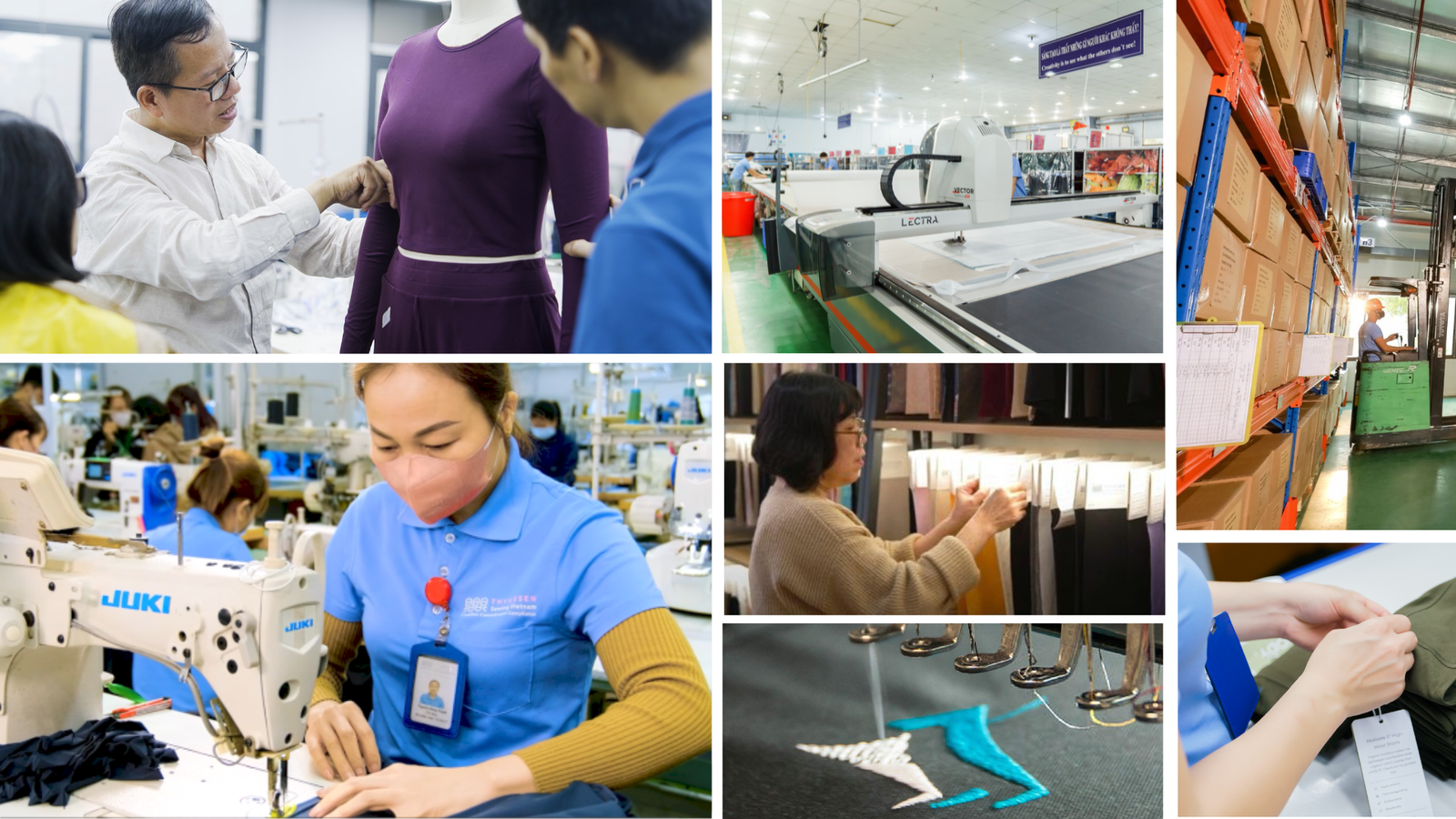
Overseas Clothing Suppliers
Overseas clothing suppliers for OEM, ODM and private-label apparel from 100 pieces per style, with sampling, QC and packing in one workflow. Request a quote.
Explore Category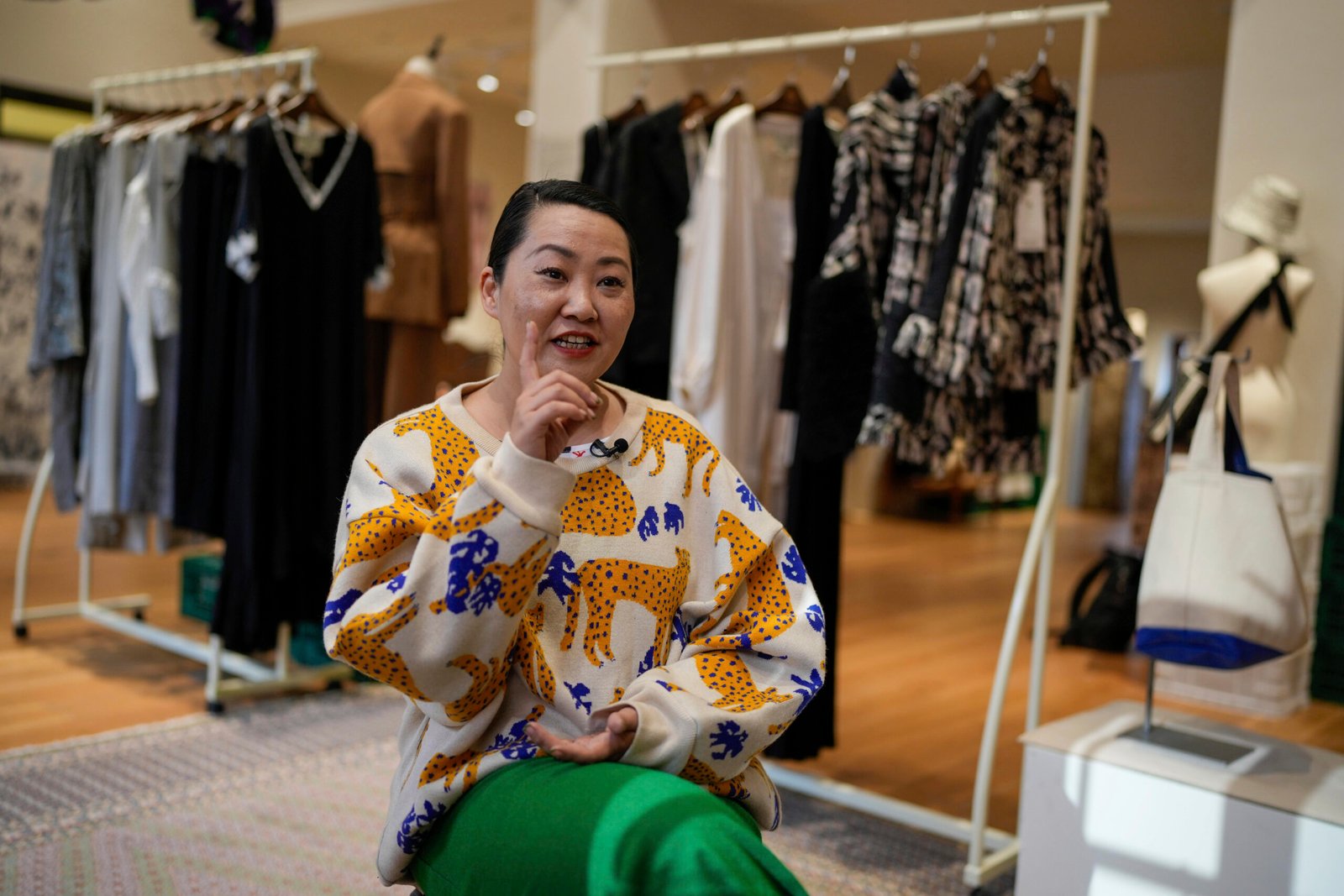
Ladies Clothing Manufacturers China
Ladies clothing manufacturers china with OEM, ODM and private-label production from 100 pieces per style. Send your tech pack to request a custom quote.
Explore Category
Local Vs Overseas Sourcing Ethnic Apparel Comparison
Local vs overseas sourcing ethnic apparel comparison for B2B buyers: compare 100-piece MOQ, sampling and production control with VeeWen. Request a quote.
Explore Category
Dri Fit Clothing Manufacturers
Dri fit clothing manufacturers for 100-piece OEM runs, with performance fabric sourcing and sample-to-bulk coordination. Request a custom quote today.
Explore Category
Fitness Clothing Manufacturing for UK Brands
Fitness clothing manufacturing for UK brands from a 100-piece MOQ, with OEM development, private labels and production-ready sampling. Request a quote.
Explore Category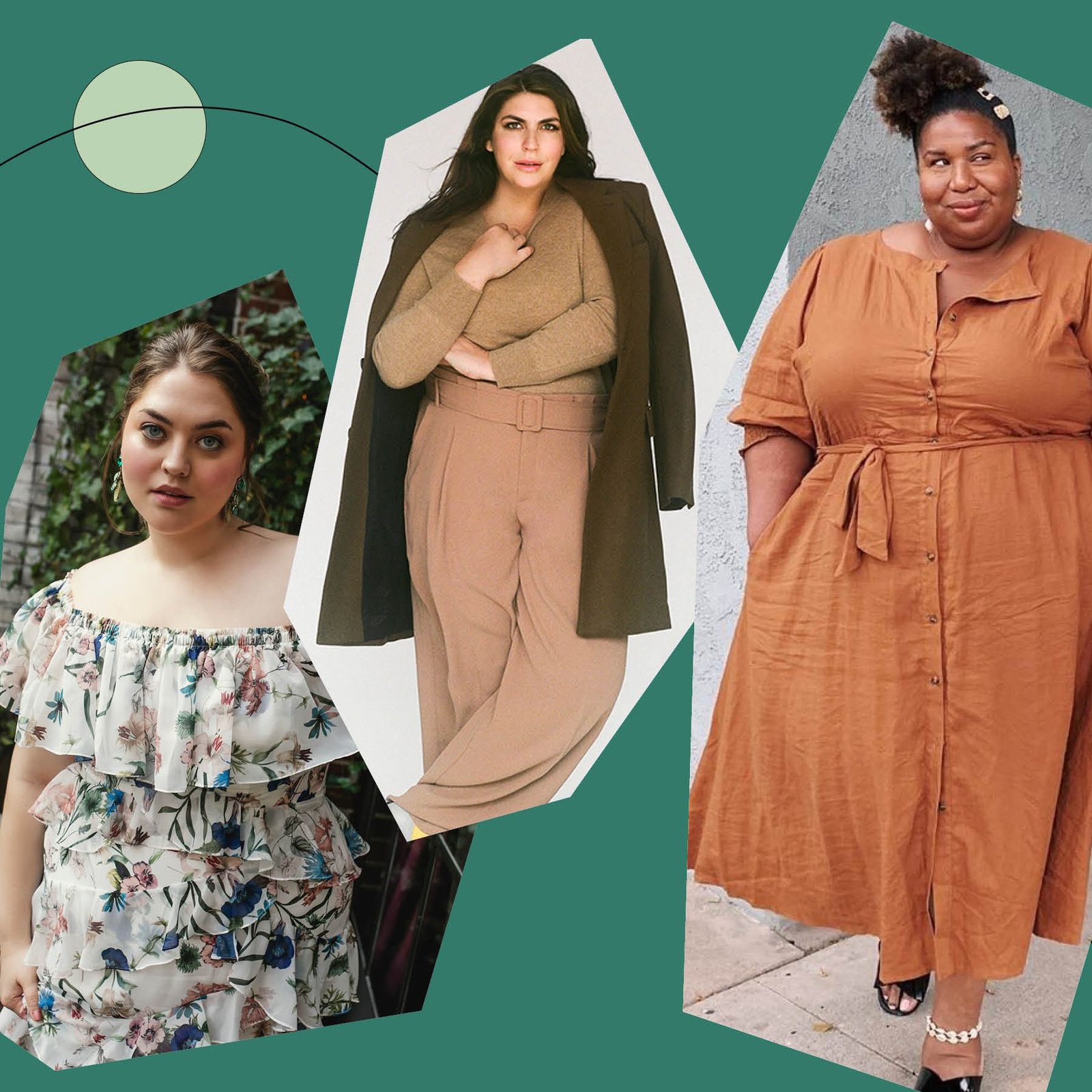
Plus Size Apparel Manufacturers
Plus size apparel manufacturers at VeeWen provide OEM/ODM production from 100 pieces per style, with fit, fabric and private-label support. Request a quote today.
Explore CategoryMaterials We Source for Apparel Product Specifications
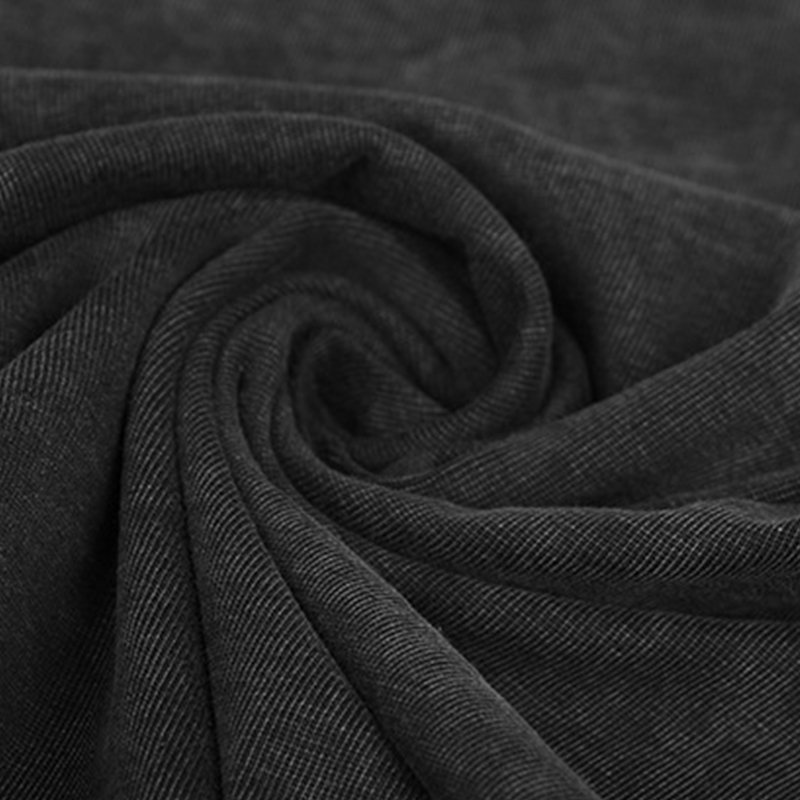
Heavyweight Cotton Jersey
Dense, dry-hand cotton jersey for oversized tees, boxy T-shirts and premium basics. Commonly specified from 220–300 GSM, it provides structure, opacity and a substantial drape for streetwear silhouettes.
French Terry
Loopback cotton-blend fabric suited to hoodies, crewnecks, shorts and coordinated sets. Typically 280–420 GSM, it balances breathable comfort with enough body for clean rib finishes and relaxed fit blocks.

Brushed Fleece
Soft, insulating fleece for cold-weather hoodies, sweatpants and zip styles. Its brushed inner face adds warmth and a plush hand feel; higher weights improve structure but can increase bulk at seams.

Cotton Twill
A durable woven fabric for cargos, workwear, overshirts and structured shorts. Twill’s diagonal construction supports abrasion resistance and shape retention, while stretch-blend options improve movement without losing utility styling.

Performance Nylon
Lightweight nylon or nylon-blend fabric for windbreakers, track jackets and active outerwear. It offers a crisp hand feel, quick-dry performance and dependable wind resistance; coatings can add water repellency.
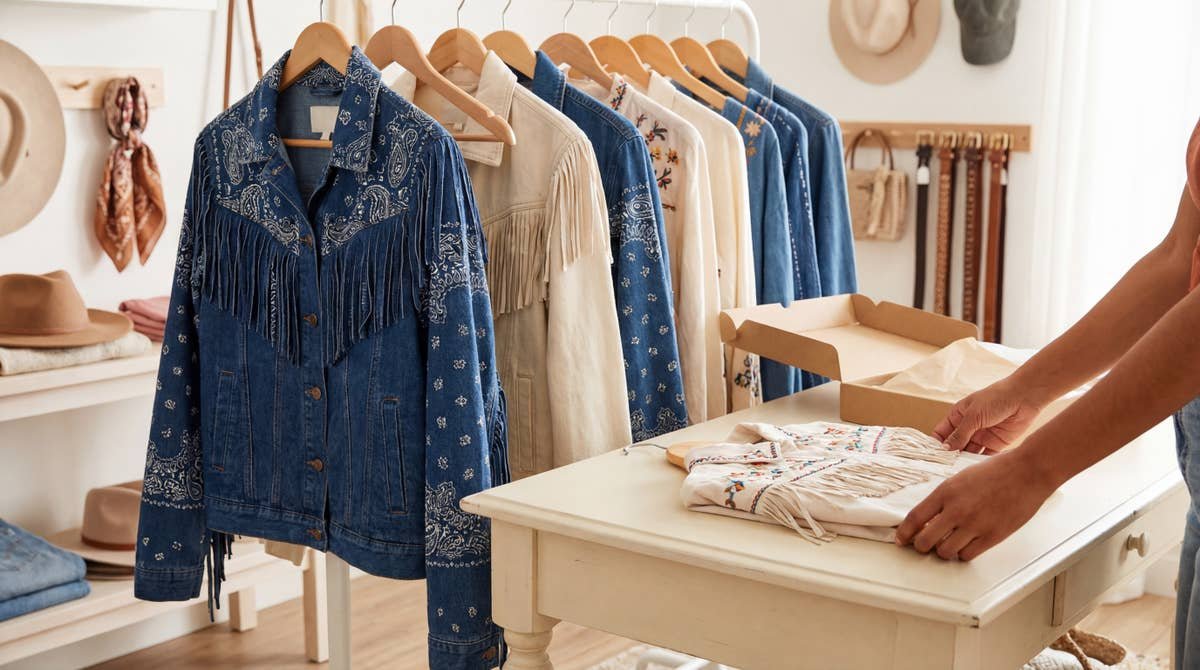
Denim Fabric
Reliable denim for jeans, jackets, skirts and workwear-inspired pieces. Fabric weight, stretch content and wash direction determine final structure, recovery and shade variation, so these details should be confirmed before bulk production.
Apparel Product Specifications for Print, Embroidery and Wash
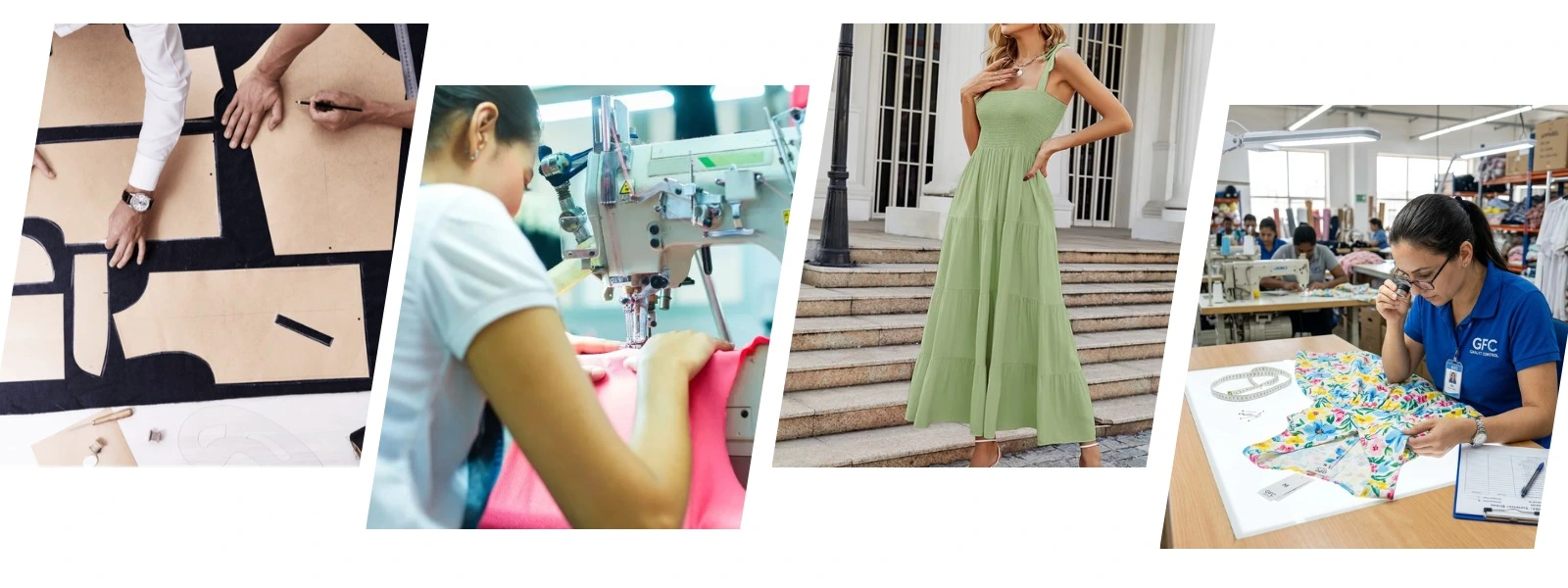
Screen Printing
Screen printing delivers solid color, sharp artwork and dependable wash durability on tees, hoodies and jerseys. Specify ink type, placement, print dimensions and special effects such as puff, high-density, discharge or reflective finishes.

Heat Transfer
Heat transfers suit detailed graphics, small runs and multi-color artwork where clean edges matter. VeeWen can match the transfer method to fabric stretch, garment color and expected laundering performance for a polished branded result.


Patch Application
Woven, embroidered, chenille, rubber and silicone patches create distinct private-label identity. Define patch size, edge treatment, attachment method and placement so the finished detail stays secure and visually balanced through regular wear.

Garment Washing
Enzyme, pigment, acid, stone and snow washes shape color depth, softness and vintage character. VeeWen confirms wash samples because shrinkage, shade variation and surface texture must align with approved apparel product specifications.
Private-Label Trims for Apparel Product Specifications
Woven Brand Labels
Custom woven main labels establish brand identity at the neckline, waistband or side seam. Choose dimensions, fold style, yarn colors and placement to suit tees, hoodies, outerwear and coordinated sets.


Zippers and Pulls
Specify zipper type, tape color, metal finish and branded puller details for hoodies, jackets, cargos and bags. The selected hardware affects garment appearance, function, cost and the production confirmation timeline.
Drawcord and Tipping
Custom drawcords, aglets and contrast tipping finish hoodies, joggers, shorts and outerwear with a controlled streetwear look. Material, thickness and color are reviewed against the garment weight and intended use.

Rubber Logo Patches
Rubber, silicone, woven or embroidered patches create a durable branded focal point on sleeves, chest panels, caps and outerwear. Patch size, backing and attachment method are confirmed during sampling for clean bulk application.
Care and Size Labels
Care labels and size labels document fiber content, wash instructions, sizing and brand information for your target market. We align artwork, placement and label material with the garment construction and packaging requirements.
About VeeWen: Apparel Specifications Built to Produce
Founded in Dongguan in 2016 by ChangKeng Luo, VeeWen helps menswear and streetwear brands turn creative direction into production-ready apparel product specifications. We work directly from tech packs, sketches, reference samples or early concepts, translating fit, fabric, finish and branding details into practical development decisions.
Our full-category capability supports collections for men, women and children, with OEM, ODM, private-label and cut-and-sew services under one workflow. From fabric sourcing and pattern development through sampling, bulk production, quality checks, packing and shipment coordination, buyers have one accountable production partner.
What sets VeeWen apart is a production-minded approach at a 100-piece-per-style MOQ. We explain the trade-offs behind fabric weight, washes, decoration density and trims, then build confidence through documented specifications, approved samples and transparent checkpoints—not unsupported claims.
Turn Apparel Product Specifications Into Bulk-Ready Programs
Clarify the Production Brief
Start with a tech pack, sketch, reference sample, inspiration image, or product idea. VeeWen converts creative direction into usable apparel product specifications, identifying construction details, measurements, materials, trims, and approval points before sampling begins.
- Practical fit-block and construction discussions
- Measurement points and graded size expectations
- Material, trim, label, and packaging requirements
- Clear sample and pre-production approvals

Build Fabric and Fit
For menswear and streetwear programs, fabric weight, hand feel, shrinkage, and recovery shape the final garment. VeeWen recommends suitable materials, develops patterns, and reviews fit so oversized tees, hoodies, pants, and outerwear perform consistently across sizes.
- Fabric sourcing matched to use and target price
- Pattern development from approved measurements
- Fit review for body width, shoulder drop, rise, and inseam
- Wash and shrinkage considerations documented early

Test Decoration and Finishing
Printing, embroidery, washes, and trims are tested before they become bulk commitments. This helps confirm how decoration density affects drape, how washes shift shade and measurements, and how finishing choices support the intended streetwear or menswear product.
- Screen print, DTF, DTG, transfers, and embroidery options
- Garment dye, enzyme, acid, and vintage wash directions
- Decoration placement and durability review
- Private-label patches, drawcords, zippers, and hangtags

Control Bulk Execution
After pre-production confirmation, VeeWen manages 100-piece-per-style MOQ bulk programs through in-line inspection, final quality checks, packing, and shipment coordination. Documented checkpoints keep approved apparel product specifications connected to the goods your customers receive.
- Pre-production sample confirmation before bulk
- In-line checks against approved requirements
- Final inspection, labeling, and polybag packing
- Shipment coordination for international B2B buyers
Why Choose VeeWen for Apparel Product Specifications
Production-ready specifications, approved samples, and clear checkpoints for focused OEM runs.
← Swipe left or right to view →
Apparel Product Specifications: From Tech Pack to Shipment
A documented, production-minded workflow that keeps fit, materials, decoration and packing decisions aligned before bulk production begins.
Review Specs and Materials
We review your tech pack, references or concept, clarify construction details, and recommend fabrics based on hand feel, weight, performance, price and intended use.
Develop Patterns and Samples
Our team develops patterns, prepares samples and reviews fit, graded measurements, shrinkage, wash behavior and decoration placement with you before approval.
Confirm Pre-Production Details
Approved apparel product specifications are locked into a pre-production checkpoint covering fabrics, trims, labels, colors, artwork, packaging and bulk production requirements.
Cut, Sew and Decorate
We coordinate cutting, sewing, printing, embroidery, washes and finishing according to approved samples, with practical attention to construction, drape and visual consistency.
Inspect, Pack and Coordinate
Finished goods receive final quality checks, then move into agreed private-label packing, polybags and carton preparation before shipment coordination for your destination.
Work Through Your Apparel Product Specifications With VeeWen
Move from concept to approved bulk goods with clear checkpoints, practical recommendations, and a 100-piece-per-style MOQ.
Send Your Product Brief
Share a tech pack, sketch, reference sample, inspiration images, or initial concept with target quantities, sizes, fabric direction, decoration, and private-label requirements.
Review Quote and Sample Plan
Confirm material options, construction details, MOQ, pricing, lead-time considerations, and a sampling plan that translates your apparel product specifications into a workable program.
Approve Production Details
Review the sample, fit, graded measurements, print or embroidery tests, wash effects, trims, labels, and packaging before approving the final pre-production direction.
Launch Bulk Manufacturing
VeeWen coordinates bulk production, in-line inspection, final quality checks, packing, and shipment preparation so approved specifications carry through to finished goods.
Documented Standards for Buyer Review

Applicable material certificates and scope documents can be reviewed against the selected fabric and production order.

GOTS-related material and chain documentation is matched to the selected program and verified for current scope before use.

Current social-compliance audit documentation can be supplied for buyer review and onboarding when applicable.
Responsible-sourcing and audit records can be reviewed with the VeeWen team for the relevant factory and order scope.

Order-specific material declarations and test documentation are reviewed for applicable REACH requirements; this neutral icon denotes documentation rather than an official REACH certification logo.
Client Results From Clear Apparel Product Specifications
VeeWen helped us turn our oversized tee concept into a usable size spec with consistent shoulder drop and body width. After two sample rounds, we approved a 300-piece run and reordered the same fit block for our next colorway.
Our previous supplier left too many decisions open during sampling. VeeWen documented fabric weight, print placement and wash expectations clearly, which cut our hoodie sample revisions from five rounds to two and made the production handoff far smoother.
We needed 120 uniforms across six sizes with branded embroidery and packaging ready for our event team. The measurement chart and trim approvals gave us confidence before bulk production, and every delivered size matched the approved sample closely.
Apparel Product Specifications FAQ for OEM Buyers
Clear answers on MOQ, sampling, pricing, payment, shipping and confidential product development with VeeWen.
What is the minimum order quantity for custom apparel product specifications?
What do I need to send for an apparel product specifications quote?
Can you help if my apparel product specifications are incomplete?
How long does custom apparel sampling and bulk production take?
What affects the price of an OEM apparel order?
What payment terms do you offer for custom clothing production?
Can VeeWen arrange international shipping for apparel orders?
How do you protect my designs and private-label information?
Complete Buyer’s Guide to apparel product specifications
Use this practical framework to define production-ready specifications, compare supplier capabilities, control quality and costs, and avoid the documentation mistakes that delay sampling, weaken consistency, or inflate manufacturing risk.
1. What Are apparel product specifications?
1 specification package is the production blueprint that converts a brand’s design intent into sample, bulk, and quality-control instructions. It records style sketches, fit block, graded measurements, fabric composition and GSM, Pantone colors, trims, construction, decoration placement, labels, packaging, and acceptable tolerances.
100-piece MOQ development becomes more predictable when every requirement is written and version-controlled. Clear apparel product specifications let buyers approve the target fit, hand feel, wash effect, decoration method, cost drivers, size range, and inspection criteria before a factory cuts the first sample.
2. Evolution of apparel product specifications
Before 2000, many factories worked from marked-up samples, faxed measurements, and paper tech packs; interpretation often changed between sample room and production line. That system slowed fit correction and made remote approvals hard to trace.
By the 2010s, global sourcing teams increasingly used shared digital tech packs, graded measurement tables, Pantone references, BOMs, and revision histories. Clear apparel product specifications let a designer, merchandiser, and China supplier review the same construction, trim, and labeling requirements before sampling.
At a 100-piece MOQ, this discipline matters as much as it does for large orders. Standardized files shorten feedback loops, support compliance documentation and consistent e-commerce listings, and give smaller private-label brands a repeatable baseline for reorders.
3. Types of apparel product specifications
Nine documents turn a visual idea into executable apparel product specifications. Buyers usually provide the brief and brand assets; VeeWen can develop missing production documents from approved decisions.
Concept And Technical Pack
At concept stage, the product brief defines customer, target price, fit, fabric direction and references.
Before sampling, a technical pack records style views, callouts and revision-controlled instructions.
- Product brief: buyer or designer
- Tech pack: buyer, designer, or factory
Materials, Sizing And Construction
Before sample approval, the bill of materials lists fabric, trim, color, supplier standard and consumption.
Across sizes, measurement charts, graded specifications and construction sheets control tolerances, seam types and stitch details.
- BOM: development and purchasing
- Size charts: pattern and fit teams
- Construction sheet: sample room and production
Artwork, Packing And Quality
Before decoration testing, artwork files specify Pantone colors, placement, dimensions and print or embroidery method.
At bulk release, packaging specifications and a quality checklist align labeling, packing, inspection points and approval standards.
- Artwork: brand or graphic designer
- Packaging: buyer and factory
- Quality checklist: buyer and production team
4. apparel product specifications for fabrics
Start apparel product specifications with fiber percentage, construction, GSM, finish and Pantone reference. Set allowable shrinkage, stretch recovery, hand feel, performance tests and approved lab-dip or bulk standard before sampling.
| Product | Fabric Direction | Critical Requirement |
|---|---|---|
| Tees | 100% cotton jersey, 180–260 GSM | Shrinkage and hand feel |
| Hoodies | French terry, 320–450 GSM | Rib recovery and weight |
| Activewear | Polyester-spandex knit | Stretch recovery and wicking |
| Uniforms | Poly-cotton twill | Abrasion and colorfastness |
| Streetwear | Heavy jersey or brushed fleece | Structure and wash effect |
Specify Measurable Fabric Details

100% cotton alone is incomplete: state combed ring-spun jersey, 240 GSM, compact finish and 3% maximum lengthwise shrinkage.
Pantone TPX, width, weight tolerance, pilling, colorfastness and wash method prevent a correct-looking sample becoming inconsistent bulk goods.
Match Material To Positioning

240 GSM jersey supports structured tees; 320 GSM French terry gives hoodies body without fleece bulk. Polyester-spandex activewear needs moisture management and recovery testing, while uniform twill prioritizes abrasion resistance and colorfastness.
5. apparel product specifications for decoration
Decoration specifications turn artwork into repeatable bulk output. At VeeWen’s 100-piece-per-style MOQ, approve decoration against the actual fabric and wash, not a digital mockup.
| Method | Look | Garment | Setup And MOQ | Cost | Wash |
|---|---|---|---|---|---|
| Screen print | Opaque, bold | Jersey, fleece | Screens; efficient volume | Low-medium | High |
| Embroidery | Textured, premium | Caps, fleece, twill | Digitizing; denser designs | Medium-high | High |
| Heat transfer | Detailed, photographic | Smooth knits, jerseys | Minimal setup; short runs | Medium | Medium-high |
| Appliqué or patch | Layered, dimensional | Sweats, jackets | Cut parts and sewing | Medium-high | High |
| Woven label | Fine brand detail | Most garments | Loom sampling | Low | High |
Artwork And Placement
1 file set should include vector artwork, Pantone references, print dimensions, and placement coordinates from neckline, center front, or side seam.
1 approval sample should confirm color, registration, texture, and scale on the graded base size.
Branding Components

2 trim drawings should define label fold, patch backing, appliqué edge finish, stitch color, and attachment location.
1 specialty brief should identify puff, reflective, foil, discharge, or silicone effects and acceptable variation.
Durability Approval
5 wash cycles provide a practical early check for cracking, peeling, bleeding, embroidery distortion, and label loss.
1 sealed pre-production sample should match the approved artwork, placement, garment wash, and packing records.
6. Key garment construction quality elements
Dependable construction is specified through measurable checkpoints, not a request for ‘premium quality.’ For VeeWen programs, approve these points on the sample before bulk cutting.
Seams And Reinforcement
8–12 stitches per inch suits most jersey seams; specify overlock, coverstitch, or flatlock by seam location.
2–3 bar tacks at pocket corners, fly ends, and stress points prevent early failure.
Recovery, Trims And Wash
1×1 rib necklines and cuffs should recover after stretch testing; record allowed torque, shrinkage, and measurement tolerances.
YKK-equivalent zippers, thread matched to shell color, clean thread trimming, and an approved wash standard turn subjective expectations into inspection criteria.
7. How to choose an OEM manufacturer
100-piece MOQ programs require evidence that a factory can repeat your fit, fabric, and finishing—not merely quote them. Compare the approved sample against written apparel product specifications before placing bulk.
Match Product Specialization
3 comparable styles reveal whether the supplier understands your category’s fit block, GSM, wash, and decoration limits. Request recent sample photos and measurement reports.
- Relevant menswear or streetwear styles
- Fabric and trim swatches
- Decoration test panels
Verify Development Controls
1 sample-room review should confirm pattern revision, graded spec sheet, Pantone approval, and pre-production sample sign-off. Ask who records changes and checks measurements in-line.
- Tech pack revision log
- Approved size set
- QC inspection checklist
Confirm Delivery Readiness
2 lead-time questions—material booking and bulk completion—expose sourcing and planning discipline. Request export references, compliance documents where required, packing photos, and a clear communication owner.
- Fabric supplier traceability
- Decoration capacity
- Export carton specifications
8. Common apparel specification mistakes
Eight recurring errors turn an otherwise usable tech pack into sampling delays, shade disputes, or costly rework. Before development, convert every visual preference into a measurable, approved instruction.
Fabric And Color Gaps
180 GSM cotton is incomplete without composition, knit type, finish, and shrinkage target. Attach a Pantone reference or approved swatch; screen colors are not production standards.
- Check: fabric spec, wash, color standard, shrinkage allowance.
Measurement And Artwork Conflicts
A 1–2 cm tolerance chart prevents contradictory point-of-measure notes from reaching the pattern room. Supply editable vector artwork, placement dimensions, color separations, and approved print scale.
- Check: one graded measurement sheet and one final artwork file.
Approval And Packing Changes
After bulk approval, changing trims, labels, or carton instructions can interrupt material booking and packing flow. Confirm polybag, barcode, folding, carton marks, and revision control before production starts.
- Check: sign a dated final specification and packing sheet.
9. Steps to launch a specified apparel line
At VeeWen’s 100-piece-per-style minimum, launch control begins before fabric is booked. The brand owns approvals; the factory documents each approved decision and executes against it.
Define The Development Brief
1 target customer, fit block, size range, colorways, reference images, measurement chart, BOM, artwork, labels, packing, and target price form the working brief. Approve the quotation before material sourcing.
Sample Through Bulk Approval
2 sample gates matter: prototype confirms construction; fit sample confirms measurements, hand feel, wash, and decoration. After revisions, sign a pre-production sample; no bulk cut should proceed without written approval.
Inspect And Preserve Records
3 checkpoints—material arrival, in-line sewing, and final inspection—catch variance before shipment. Retain the signed tech pack, graded measurements, approved swatches, artwork files, sample photos, QC report, and packing specification for repeat orders.
10. apparel product specifications pricing
100 pieces is VeeWen’s standard MOQ, so fabric minimums, pattern setup, and sampling are spread across fewer garments. A 280 GSM cotton tee, garment wash, or multi-location print raises factory price before shipping.
2 quotes should separate ex-factory price from landed cost: freight, duty, insurance, and destination handling can materially change delivered cost. Compare fabric composition and GSM, construction, decoration method, labels, packaging, sample charges, payment terms, and production window.
| Quantity | Indicative unit-price driver | Typical lead-time effect |
|---|---|---|
| 100 pieces | Setup-heavy | Sampling plus 25–35 days |
| 300 pieces | Setup spread wider | Steadier material booking |
| 500+ pieces | Lower unit cost | Easier production consolidation |
Send Your Apparel Product Specifications to VeeWen
Share a tech pack, reference sample or initial concept for a production-minded OEM quotation with a 100-piece-per-style MOQ.