
Competitive Analysis of Dress Products for Wholesale Buyers
Compare dress programs with VeeWen: 100-piece MOQ, OEM, ODM, and private-label development from sampling through packed bulk goods.
Featured Products for competitive analysis of dress products for wholesale buyers Development


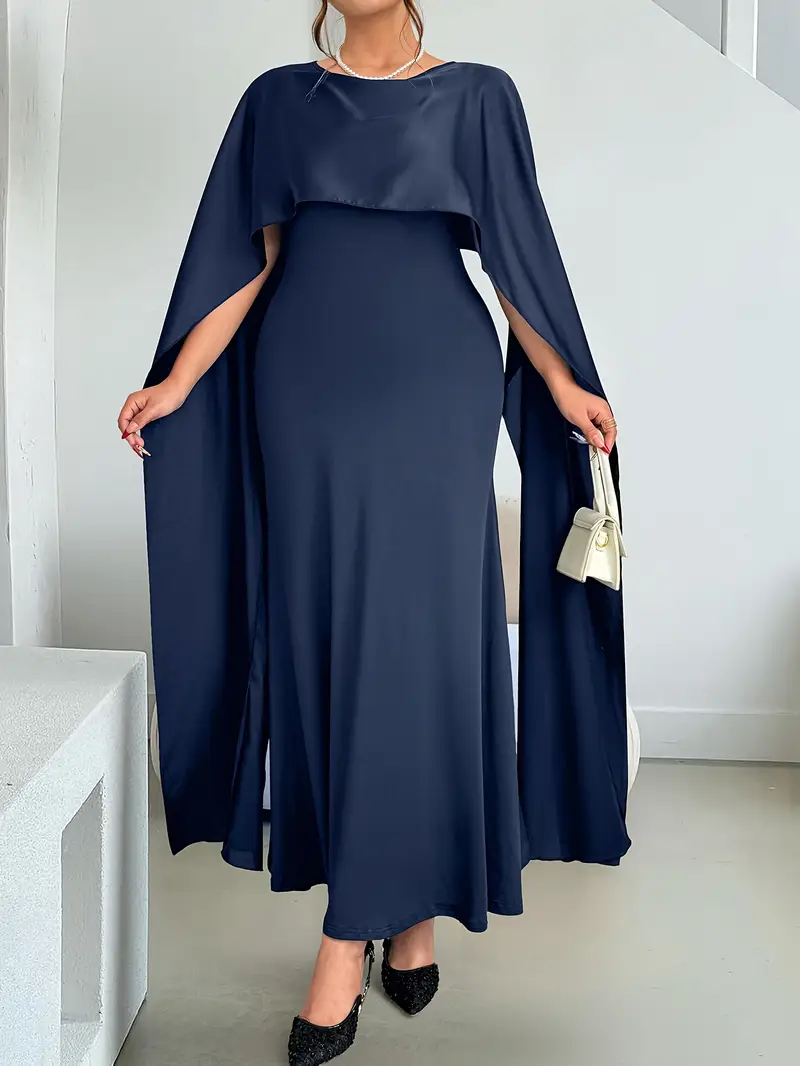


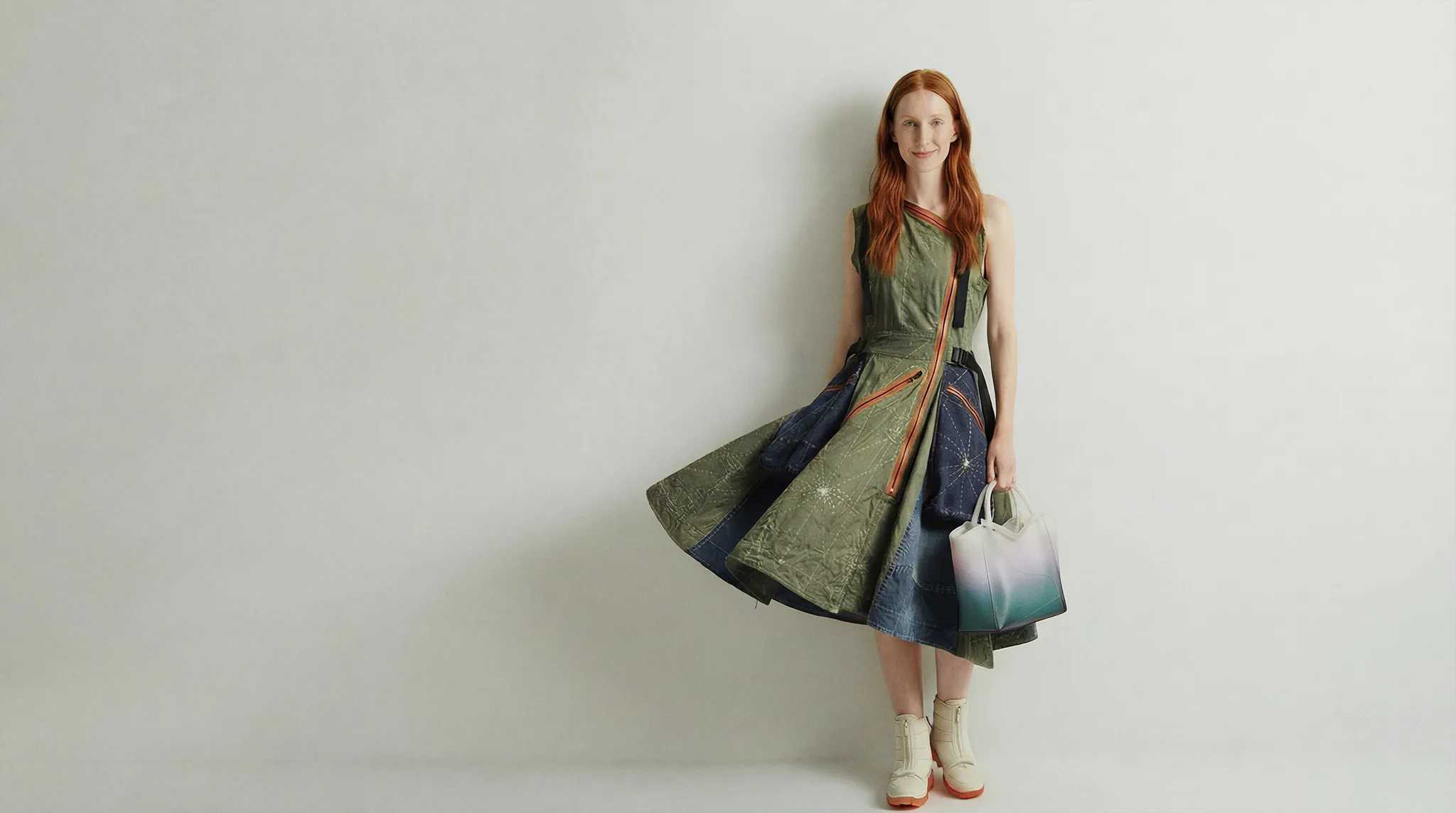


Related Dress Product Catalogue and Quotation




Competitive Analysis of Dress Products for Wholesale Buyers Starts With Production Control
VeeWen gives wholesale buyers a practical development path from dress concept to approved, private-label bulk goods.
100-Piece Style MOQ
Test a focused dress program with a standard 100-piece-per-style MOQ while preserving repeatable specifications for future wholesale reorders.
Production-Ready Specifications
Translate reference images, sketches, or tech packs into clear measurements, fabric direction, construction details, and graded size requirements.
Sampling Before Bulk
Review fit, hand feel, decoration, and finishing through samples before confirming bulk production, reducing avoidable sourcing surprises.
Transparent Checkpoints
Stay aligned through documented approvals, in-line inspection, final quality checks, packing review, and direct production-minded communication.
Private-Label Execution
Coordinate labels, hangtags, care instructions, trims, packaging, and dress finishing details through one accountable OEM and ODM workflow.
Full-Category Flexibility
Develop dresses alongside complementary apparel for women, men, or children when your collection requires a broader production partner.
More Competitive Analysis of Dress Products for Wholesale Buyers Options and Guides
Compare adjacent product categories, manufacturing options and practical buyer resources from the VeeWen architecture.

Wholesale Dresses & Skirts
Wholesale dresses & skirts manufactured from 100 pieces per style, with OEM development, private labels and coordinated collection sourcing. Request a quote.
Explore Category
Wholesale Winter Dresses
Wholesale winter dresses with a 100-piece-per-style MOQ, private-label trims and sample-led development. Request a custom quote for your next collection.
Explore Category
Chinese Dress Wholesale
Chinese dress wholesale with a 100-piece-per-style MOQ, OEM development and private-label finishing for global apparel buyers. Request a custom quote today.
Explore Category
Wholesale Fashion Womens Clothing
Wholesale fashion womens clothing starts at 100 pieces per style with OEM development, private labels and production coordination. Request a quote now.
Explore CategoryDress Clothes Wholesale
Dress clothes wholesale with OEM, ODM and private-label support from 100 pieces per style. Develop samples, approve specs and request a custom quote today.
Explore Category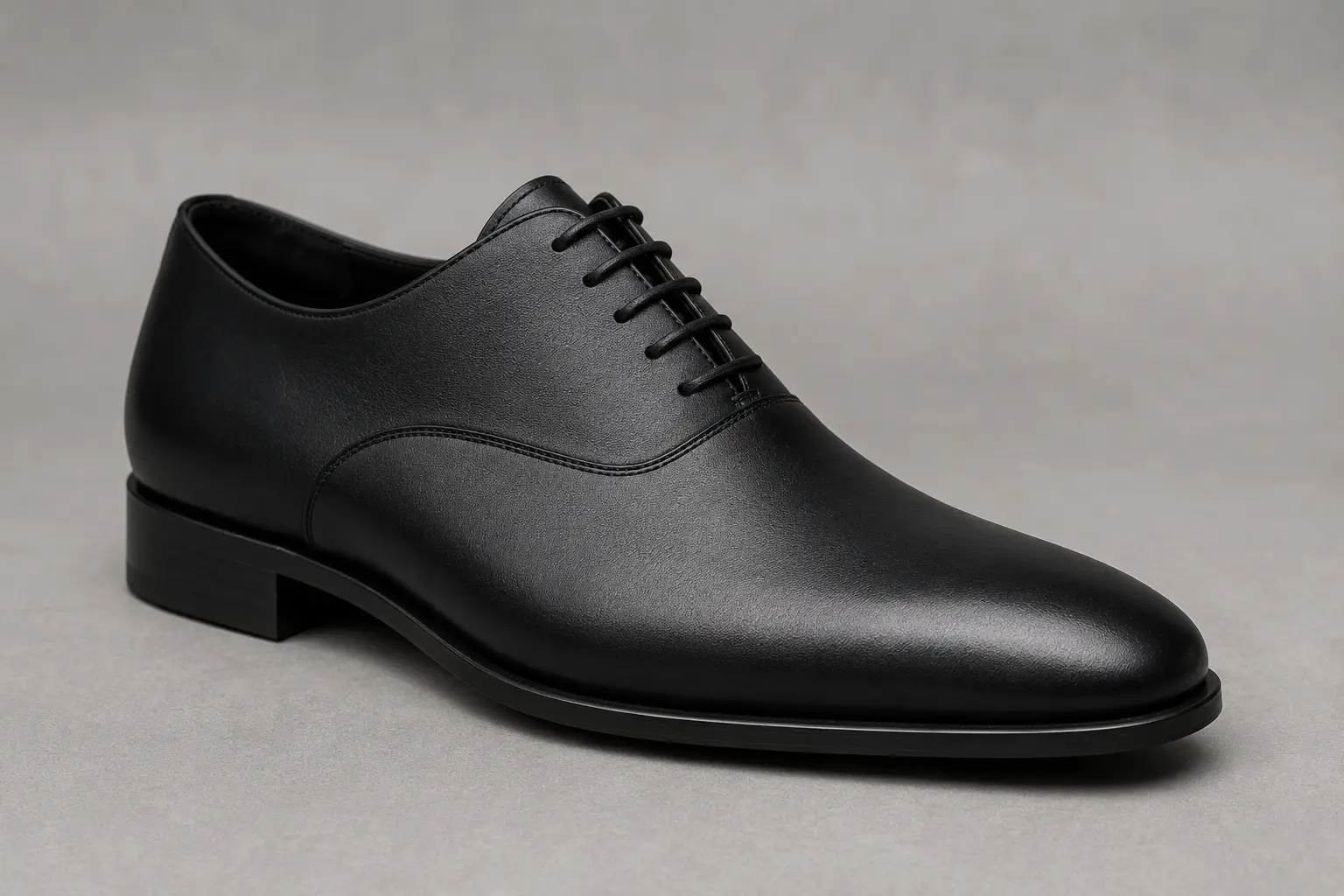
Wholesale Mens Dress Shoes
Wholesale mens dress shoes with 100-piece-per-style MOQ and private-label development for brand-ready collections. Request a custom quote today.
Explore Category
Bandage Dress Wholesale
Bandage dress wholesale with a 100-piece-per-style MOQ, private-label development and production coordination from China. Request a custom quote today.
Explore Category
Bandage Dress Production for UK Wholesalers
Bandage dress production for UK wholesalers starts from 100 pieces per style, with OEM development, samples and private-label finishing. Request a quote.
Explore CategoryCompetitive Analysis of Dress Products for Wholesale Buyers: Materials That Match Hand Feel and End Use
Satin Weave
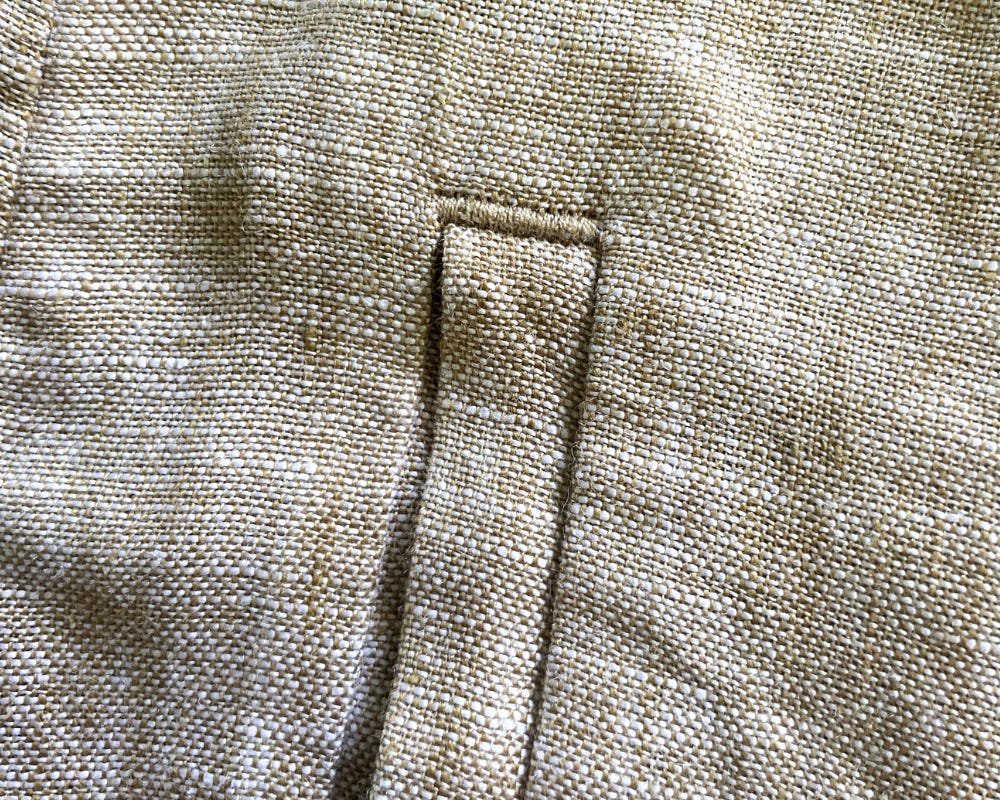
Smooth, lustrous satin creates fluid occasion dresses, slips and elevated evening styles. Its soft hand and reflective surface photograph well, while fabric weight and filament content determine opacity, drape and seam stability.

Viscose Rayon
Viscose and rayon blends offer a cool, soft hand for draped day dresses, wrap styles and printed collections. Their fluid movement supports feminine silhouettes, but shrinkage control and wash testing are essential before bulk approval.
Cotton Blends
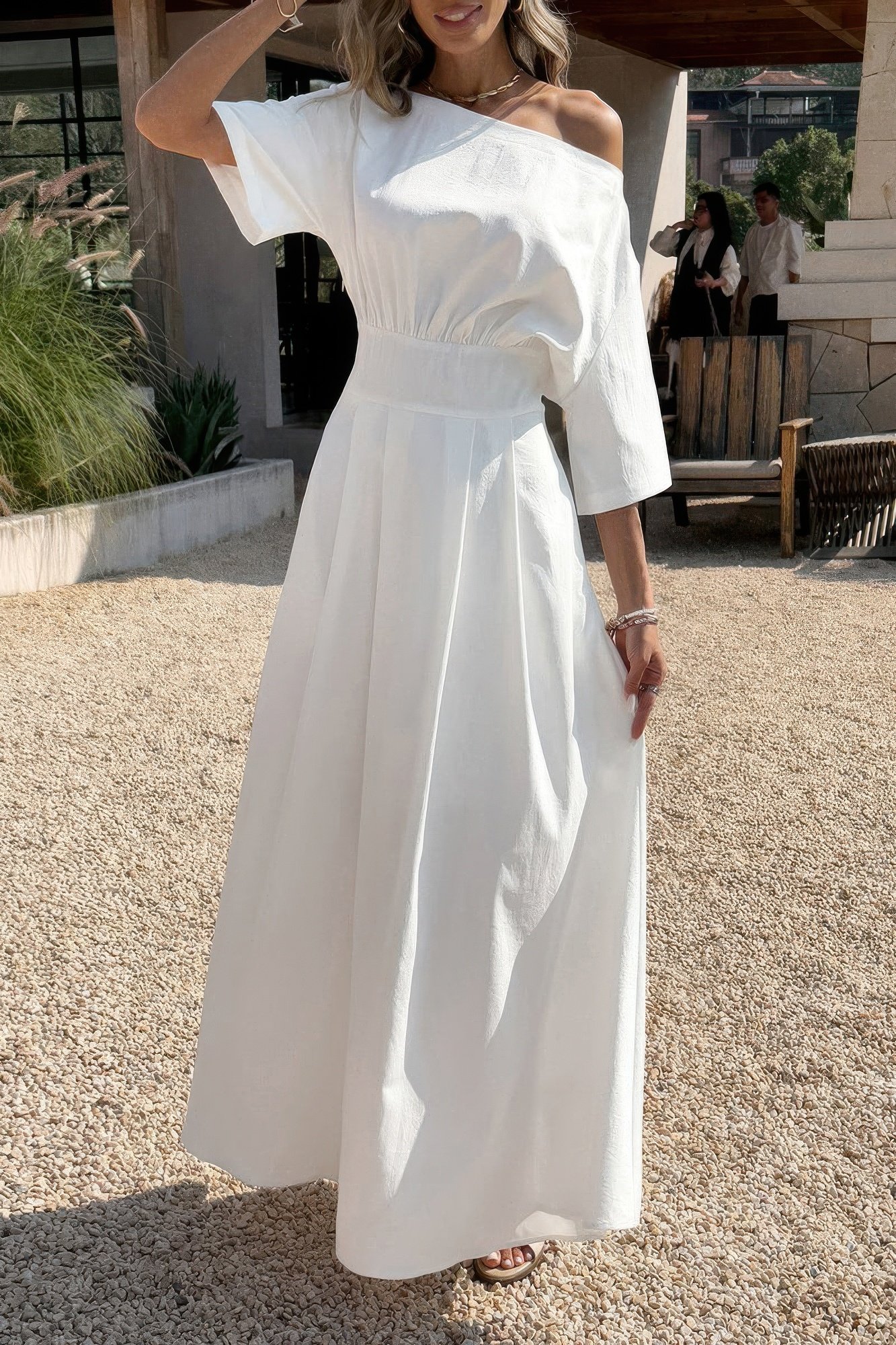
Cotton blends provide breathable comfort for shirt dresses, casual midi styles and uniform programs. A cotton-polyester or cotton-spandex construction can improve wrinkle recovery, durability and controlled stretch while retaining a familiar natural hand feel.

Cotton Poplin
Crisp cotton poplin suits structured shirt dresses, tiered styles and clean resort silhouettes. Its tightly woven, lightweight surface delivers definition and print clarity, with fabric weight influencing opacity and the garment’s overall shape.

Stretch Knit
Stretch knit fabrics work well for bodycon dresses, ribbed basics and travel-focused programs. Their flexible construction follows the body comfortably; fiber content, recovery and grams per square meter should be matched to the intended fit.
Performance Stretch Blends
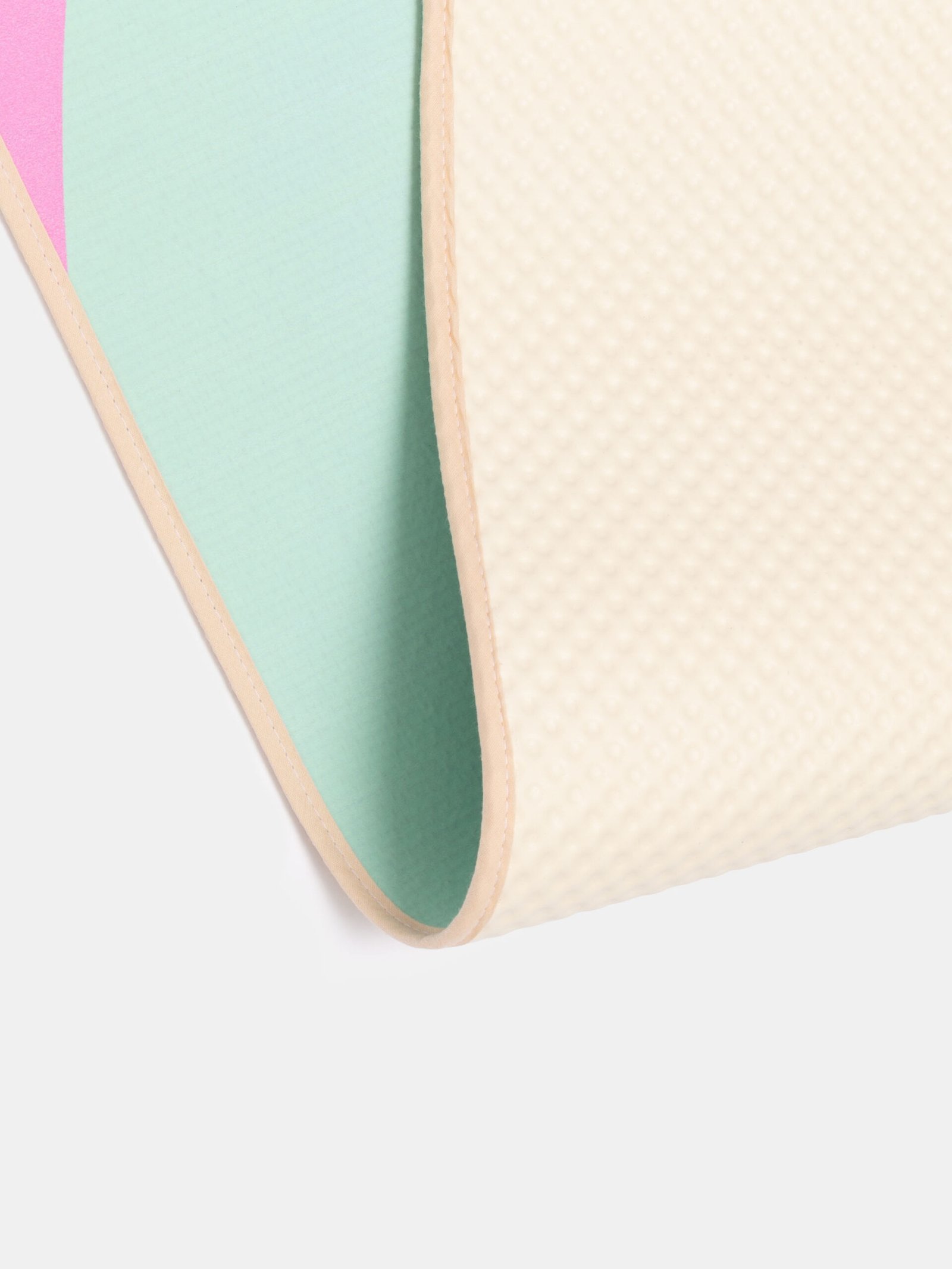
Polyester or nylon stretch blends support active dresses, teamwear and versatile e-commerce styles. They offer resilient shape retention and quick-drying performance, while elastane percentage affects compression, recovery and long-term garment comfort.
Dress Decoration and Finishing for Competitive Analysis of Dress Products for Wholesale Buyers

Flat Embroidery
Stitched artwork adds a refined, durable raised detail for logos, florals, and placement motifs. VeeWen tests stitch density and backing against dress fabric so embroidery retains shape without pulling or weighing down the garment.

Screen Printing
Screen printing delivers opaque, repeatable color on cotton, jersey, and selected blends for bold graphics or branded placements. Ink selection is matched to stretch, hand feel, and wash requirements to help the print remain clear through wear.
Digital Transfers
DTF and heat-transfer graphics reproduce detailed artwork, gradients, and small-run variable designs with sharp color. They suit targeted dress placements, though film feel and heat sensitivity should be reviewed during sampling for each fabric.

Sublimation Printing
Sublimation bonds color into compatible polyester fabrics, producing lightweight all-over artwork with no surface ink layer. It is effective for performance dresses and bold repeat prints, while fabric composition and base color determine the final result.

Garment Dyeing
Garment dyeing creates a softened, lived-in color character after the dress is sewn. It can enhance casual cotton programs, but shrinkage, seam shade variation, and trim compatibility need approval before bulk production.

Wash Effects
Enzyme, pigment, acid, and vintage wash effects build texture, fading, or a worn visual direction for selected dress styles. VeeWen reviews fabric weight and construction because each wash can affect shade, hand feel, and measurements.
Dress Trims and Accessories for a Finished Branded Program

Branded Buttons
Add resin, corozo-look, shell-look, covered, or metal buttons to shirt dresses, dresses with plackets, and outer layers. Button size, color, hole pattern, and placement are reviewed against the fabric weight and intended use.
Drawcord Details
Use custom drawcords, tipped ends, and cord locks on waist-adjustable dresses, hooded pieces, and sport-inspired styles. VeeWen aligns cord material and hardware with drape, wash direction, and safety requirements.
Woven Labels
Create neck labels, hem flags, and side-seam labels with your logo, size information, and fiber details. Woven label dimensions and fold style are chosen to sit cleanly without irritating the wearer.


Retail Packaging
Coordinate polybags, size stickers, tissue, branded inserts, and carton marking for a shipment-ready dress program. Packaging is matched to folding method, garment protection needs, retailer requirements, and the final packing workflow.
About VeeWen, Your Production Partner
Founded in Dongguan in 2016 by ChangKeng Luo, VeeWen helps brands turn concepts into production-ready apparel. Menswear and streetwear remain our primary focus, while our full-category supply chain gives wholesale buyers practical flexibility for women’s, children’s and dress programs.
For a competitive analysis of dress products for wholesale buyers, VeeWen provides one accountable workflow from sketches, reference samples or tech packs through fabric sourcing, pattern development, sampling, fit approval, bulk production, quality checks, private-label packing and shipment coordination.
What distinguishes VeeWen is production-minded guidance. We explain how fabric weight, wash direction, decoration density and trims affect structure, cost, lead time and consistency, then document approved specifications for repeatable orders. OEM, ODM, private-label and cut-and-sew programs begin at 100 pieces per style.

Core Capabilities Behind Production-Ready Dress Programs
Clarify the Design Intent
VeeWen turns sketches, reference samples, inspiration images and tech packs into a practical dress specification before sampling begins. This makes competitive analysis of dress products for wholesale buyers more actionable by comparing construction, fit, finish and price drivers on the same production basis.
- Translate visual references into measurable garment details
- Define fit block, length, shaping and graded size requirements
- Flag construction choices that affect cost or production timing

Build Repeatable Dress Patterns
Pattern development converts a one-off design direction into a repeatable size run. Our team reviews neckline balance, bust shaping, waist placement, sleeve pitch, hem shape and seam allowances so approved samples can support consistent bulk production and future reorders.
- Develop patterns from approved specifications or samples
- Review fit through sample feedback and graded measurements
- Confirm pre-production details before bulk cutting
Match Materials to Performance
Fabric selection is evaluated against the intended hand feel, drape, opacity, stretch, wash behavior, target price and end use. VeeWen recommends suitable cotton, rayon, viscose, satin, knit, linen-blend and performance options while explaining the trade-offs behind each choice.
- Compare fabric weight, drape and coverage requirements
- Assess shrinkage, color variation and care expectations
- Align material choices with target pricing and wear occasion
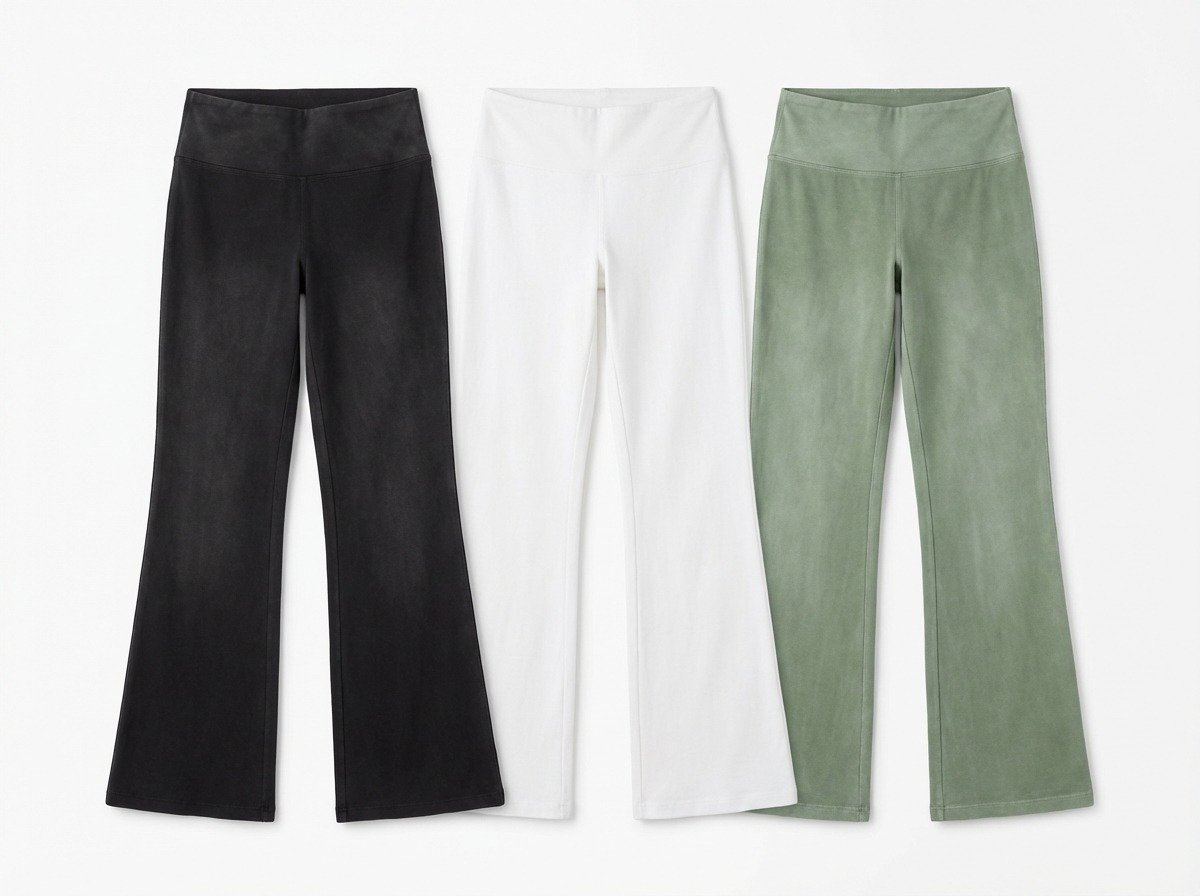
Test Decoration, Then Document Quality
Print, embroidery, wash and trim details are tested before bulk confirmation, helping buyers avoid finish-related surprises. Documented in-line inspections and final quality checks verify approved specifications, labeling, packing and presentation for wholesale-ready dress programs from a 100-piece-per-style MOQ.
- Test decoration placement, density and garment compatibility
- Check workmanship, measurements and finishing during production
- Verify labels, hangtags, polybags and final packing details

Competitive Analysis of Dress Products for Wholesale Buyers: Why VeeWen
Compare a production-minded workflow for custom dress programs, from specifications and samples to labeled bulk goods.
← Swipe left or right to view →
Our Wholesale Dress Production Process
A documented workflow that turns approved dress specifications into production-ready bulk goods, with practical checkpoints for quality, labeling and delivery coordination.
Clarify Design Requirements
We review your tech pack, sketches or reference samples, then confirm dress silhouette, fit targets, size range, target price, trims and delivery priorities.
Source Fabrics and Trims
VeeWen recommends fabrics by hand feel, drape, weight and end use, then aligns colors, linings, zippers, labels and private-label packaging details.
Develop Patterns and Samples
Our team builds patterns, produces development samples and records fit feedback, construction revisions, decoration tests and approved measurements before pre-production confirmation.
Confirm Bulk Production Details
After sample approval, we lock fabric, graded specifications, color standards, wash expectations, labeling placement, packing method and production checkpoints for your order.
Cut, Sew and Inspect
Bulk cutting and sewing follow approved specifications, with in-line inspection focused on workmanship, measurement consistency, fabric appearance and finished dress construction.
Finalize, Pack and Ship
Final quality checks verify garments and packaging before labels, hangtags and polybags are applied; VeeWen then coordinates shipment-ready packing with your delivery requirements.
How to Work With VeeWen on Competitive Analysis of Dress Products for Wholesale Buyers
Move from concept comparison to approved bulk goods with one production-minded partner.
Send Your Product Brief
Share a tech pack, sketches, reference samples, inspiration images, target quantity, price range, and required dress fit, fabric, trim, or labeling details.
Review Recommendations and Quote
Assess VeeWen’s fabric, construction, decoration, wash, and packaging recommendations alongside a clear quotation, MOQ guidance, and practical production trade-offs.
Approve Development Samples
Review samples for silhouette, measurements, hand feel, color, decoration, and finishing. Confirm revisions before approving specifications and the pre-production direction for bulk.
Monitor Controlled Bulk Production
VeeWen coordinates sourcing, manufacturing, in-line inspection, final quality checks, private-label packing, and shipment preparation, with documented checkpoints through packed bulk goods.
Documented Standards for Buyer Review

Applicable material certificates and scope documents can be reviewed against the selected fabric and production order.

GOTS-related material and chain documentation is matched to the selected program and verified for current scope before use.

Current social-compliance audit documentation can be supplied for buyer review and onboarding when applicable.
Responsible-sourcing and audit records can be reviewed with the VeeWen team for the relevant factory and order scope.

Order-specific material declarations and test documentation are reviewed for applicable REACH requirements; this neutral icon denotes documentation rather than an official REACH certification logo.
Competitive Analysis of Dress Products for Wholesale Buyers: Verified Development Results
Approved customer evidence will be added here once a buyer confirms the sample outcome, including the number of fit revisions, final size range, and approval timeline for the dress program.
This card will document a verified fit-consistency result, such as the graded size run, measurement tolerance review, and number of approved samples completed before bulk production.
A confirmed reorder or launch-readiness outcome will be featured here, with verified details on the 100-piece-per-style program, packaging approval, and production handoff milestone.
Competitive Analysis of Dress Products for Wholesale Buyers: FAQ
Clear answers on MOQ, samples, approvals, payments, shipping and quote preparation for custom wholesale dress programs.
Can I order 100 dresses per style from VeeWen?
How does competitive analysis of dress products for wholesale buyers help me compare MOQ and pricing?
How long do custom dress samples take, and what do they cost?
What payment terms are available for wholesale dress orders?
What should a competitive analysis of dress products for wholesale buyers include for shipping costs?
Do I need a complete tech pack to request a custom dress quote?
How are dress fit and measurements approved before bulk production?
How does VeeWen protect my designs and private-label details?
What information do you need to quote a wholesale dress program accurately?
Competitive Analysis of Dress Products for Wholesale Buyers: Complete Guide
Use a practical decision framework to benchmark dress assortments, assess supplier capabilities, compare cost and quality signals, and avoid sourcing mistakes that delay launches or weaken brand positioning.
1. Competitive Analysis of Dress Products for Wholesale Buyers Defined
100-piece MOQ is a useful starting benchmark, but competitive analysis of dress products for wholesale buyers is broader than comparing unit quotes. It maps the target customer against rival assortments, retail price ladders, fabric and construction expectations, color breadth, and reorder potential.
4 core supplier variables—minimums, sampling and bulk lead times, customization scope, and communication reliability—determine whether a dress concept can launch repeatedly. A structured benchmark exposes trade-offs between a lower price, a 20–40 day production window, fit consistency, trims, and private-label execution before an OEM, ODM, or private-label partner is selected.
2. Evolution of Wholesale Dress Competition
1960s wholesale dress buying centered on seasonal trade shows, printed catalogs, and large forward orders; buyers accepted long calendars because sell-through data arrived slowly.
1990s barcode systems and offshore sourcing widened assortment, while retailers began comparing landed cost, delivery reliability, and factory consistency across borders.
2010s e-commerce made search, reviews, and weekly sales data part of the competitive analysis of dress products for wholesale buyers. Demand now favors faster replenishment, traceable materials, custom color and trim execution, and smaller entry runs—such as VeeWen’s 100 pieces per style—supported by approved samples and documented quality checkpoints.
3. Types of Competitive Analysis of Dress Products for Wholesale Buyers
Six analysis lenses turn competitor observations into sourcing decisions. Review comparable dresses by season, market tier and sales channel before committing a 100-piece style MOQ.
Assortment And Customer Fit
Three comparator brands reveal silhouette count, size range, color depth and sell-through cues. Collect product pages, reviews and campaign imagery to select blocks for the intended customer.
- Benchmark hemlines, sleeves and occasions
- Map entry, mid and premium shoppers
Price And Channel Economics
Two price points matter: wholesale cost and retailer shelf price. Capture listed prices, promotions, marketplace fees and freight assumptions to set a viable margin and channel tier.
- Compare boutique, DTC and marketplace pricing
Supplier And Trend Evidence
Six supplier checks include MOQ, sample quality, fabric access, grading, decoration and inspection. Compare approved samples, lead-time commitments and current runway or search data before choosing a manufacturing partner.
- Verify capabilities with physical samples
- Use trend evidence to time production
4. Competitive Analysis of Dress Products for Wholesale Buyers: Fabrics
80–260 GSM is a practical comparison band for wholesale dresses. Compare drape, opacity, care, and failure risk before matching a fabric to price tier.
| Material | GSM | Ideal Use | Buyer Trade-Off |
|---|---|---|---|
| Cotton | 140–180 | Shirt dress | Soft; shrink risk |
| Linen | 150–220 | Summer dress | Crisp; wrinkles |
| Viscose/Rayon | 110–160 | Draped midi | Soft; weak wet |
| Polyester | 90–150 | Printed dress | Durable; less breathable |
| Satin/Chiffon | 80–140 | Occasion dress | Fluid; sheer/snags |
| Knit/Stretch Blend | 180–260 | Bodycon | Recovery; pilling risk |
Hand Feel And Drape

110 GSM chiffon moves fluidly but usually needs lining. 220 GSM knit holds shape yet reads less formal.
Opacity And Care

150 GSM linen feels breathable but wrinkles quickly. Viscose drapes softly, while wet-strength loss requires careful wash testing.
Commercial Match
100-piece programs favor repeatable fabrics and approved shade standards. Polyester supports entry pricing; lined satin and chiffon increase material and sewing cost.
5. Dress Customization and Decoration Options
At VeeWen’s 100-piece-per-style starting point, competitive analysis of dress products for wholesale buyers separates recognizable private-label choices from costly complexity. Approved samples should lock appearance and repeatability before bulk.
| Option | Impact | Sample Need | Cost Driver |
|---|---|---|---|
| Silhouette and grading | High | Fit sample | Pattern revisions |
| Print or embroidery | High | Decoration sample | Colors and stitch count |
| Labels and packaging | Medium | Approval sample | Component MOQ |
Fit And Color
Two fit samples can validate silhouette changes, graded measurements, and shoulder balance before production. Pantone matching needs a fabric lab dip, especially after washing.
Branding That Lasts

Screen prints suit broad artwork; embroidery and appliqué add texture but can stiffen lightweight dresses. One decoration sample checks adhesion, stitch density, and wash durability.
Trims And Packs
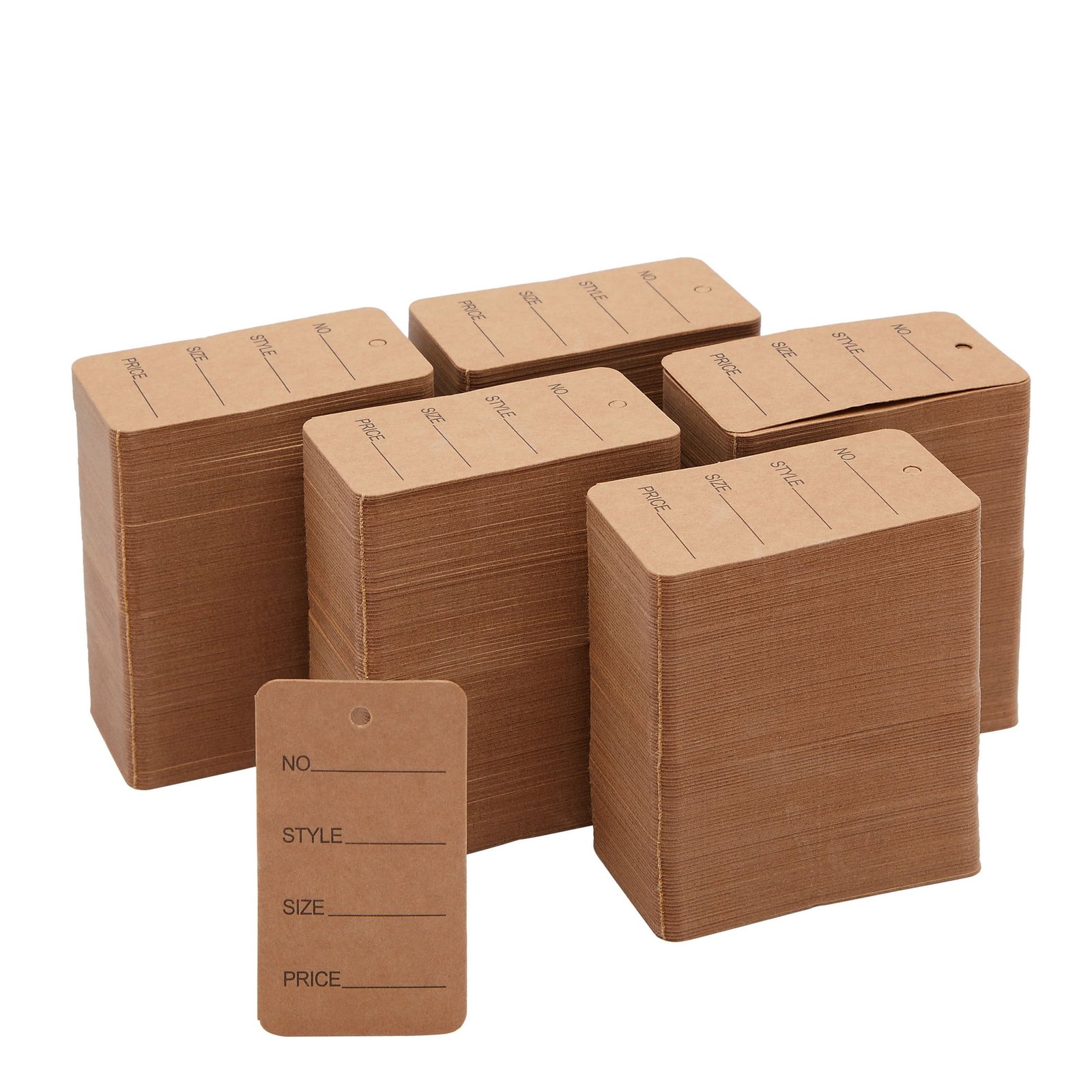
Custom woven labels, hangtags, zipper pulls, and packaging create recognition at low visual risk. 100-piece branded-trim runs may require higher component minimums and longer sampling.
6. Key Dress Construction Quality Elements
Benchmark the actual production sample, not the sales photo. For competitive analysis of dress products for wholesale buyers, record construction results against the same size, wash method, and measurement spec.
Seams And Components
Inspect 8–10 stitches per inch, even seam allowances, secure hems, smooth lining, zippers, and buttonholes. Skipped stitches, puckering, loose thread tails, or wavering topstitching indicate weak process control.
- Check zipper operation ten times
- Confirm buttonhole spacing and bartacks
- Inspect lining at armholes and vents
Performance And Appearance
Test shrinkage after one approved care cycle and assess colorfastness against rubbing and wash exposure. Check print placement, elastic recovery, and shade consistency; twisting, cracking, or poor rebound should block approval.
Grading And Approval
Set graded measurements and tolerances before bulk, commonly ±1 cm for key garment points. Convert each result into a signed checklist; repeated size drift, unmatched panels, or undocumented repairs are escalation flags.
7. How to Choose a Dress Manufacturer
100-piece MOQs can suit focused dress drops, but capability matters more than a low entry point. Vet China-based OEM, ODM, and private-label suppliers through evidence, not sales promises.
Verify Dress Specialization
3 recent dress samples should show clean linings, balanced hems, and stable closures. Ask which fabrics, silhouettes, and size ranges the factory routinely develops.
Test Development And Control
1 approved pre-production sample should match the tech pack, Pantone, measurements, and trim list. Request fabric swatches, graded specs, inspection checkpoints, and relevant OEKO-TEX, GOTS, WRAP, or BSCI documentation.
Confirm Commercial Readiness
30% deposits and 70% balance terms are common, but confirm capacity, lead time, export experience, and defect-resolution terms in writing. Assess communication by how clearly they explain sample revisions, packing, and shipping milestones.
8. Common Competitive Analysis Mistakes Buyers Make
100-piece dress programs fail when buyers compare headline prices instead of matching specifications. Competitive analysis of dress products for wholesale buyers should expose assumptions before they become margin, fit, or delivery problems.
Match The Specification
1 tech pack should align fabric GSM, composition, trims, grading, print method, and packing before quotes are compared. Otherwise, the lowest quote may describe a cheaper garment; request a line-by-line costing sheet.
Create A Positioning Gap
3 competitor samples can reveal price bands, but copying them creates no reason to switch suppliers or retail brands. Define one defendable gap—fit block, fabric hand, wash, or size range—then sample it.
Approve And Verify Early
1 pre-production sample catches fabric, fit, decoration, and label errors before bulk cutting. Calculate freight, duty, testing, rejects, and reorder cost beyond MOQ, and verify certification or capacity claims with documents and approved checkpoints.
9. Steps to Launch a Competitive Dress Brand
A 90-day launch sequence turns competitor research into accountable choices. At every gate, retain approved evidence, not a competitor copy or unpriced mood board.
Define The Commercial Gap
1 target customer and five direct competitors define price, occasion, size range, and sales channel. 2 assortment choices identify unmet needs, never duplicate bestseller silhouettes.
Specify And Sample
1 tech pack locks Pantone colors, graded measurements, BOM, construction, labels, and packaging. 2 sample rounds test fit, shrinkage, decoration, and costing; seal a PP sample.
Approve Production Inputs
3 suppliers should quote MOQ, fabric availability, sample timing, inspection checkpoints, and Incoterms. 4 production approval requires bulk fabric, trims, packaging, and shipment instructions.
Prepare The Rollout
1 content set includes photographed samples, size charts, care copy, and channel deadlines. 2 rollout tests conversion, returns, sell-through, then informs reorder revisions.
10. Competitive Analysis of Dress Products for Wholesale Buyers: Pricing
100-piece minimums usually carry the highest unit cost because pattern, sampling, marker, and setup work are spread across fewer garments. The ranges below are illustrative ex-factory estimates for a straightforward woven dress; finalized specifications are required for a quote.
150–250 GSM fabric, lining, darts, concealed zippers, embroidery, print colors, branded packaging, and freight can materially change landed cost. Model target margin from delivered cost, not factory price; air freight and low-volume cartons can erase a planned 2.5–3.0× wholesale markup.
| Quantity Tier | Illustrative Unit Price | Typical Bulk Lead Time |
|---|---|---|
| 100 pieces | US$14–24 | 25–35 days |
| 300 pieces | US$11–19 | 30–40 days |
| 500 pieces | US$9–16 | 30–45 days |
| 1,000 pieces | US$8–14 | 35–50 days |
Start Your Competitive Analysis of Dress Products for Wholesale Buyers
Send your tech pack, sketch, reference sample, or product idea for OEM/ODM recommendations and a custom quote from VeeWen.