Dye migration in heat transfers occurs when heat mobilizes color from a dyed substrate and that color moves into an applied graphic, often changing light artwork after application. Polyester is a frequent concern, but no fabric photograph, fiber label, transfer claim, or lower-temperature setting validates a bulk run. Approval should be based on the actual garment, color, lot, finish, transfer, and documented press recipe.
What dye migration is—and what it is not
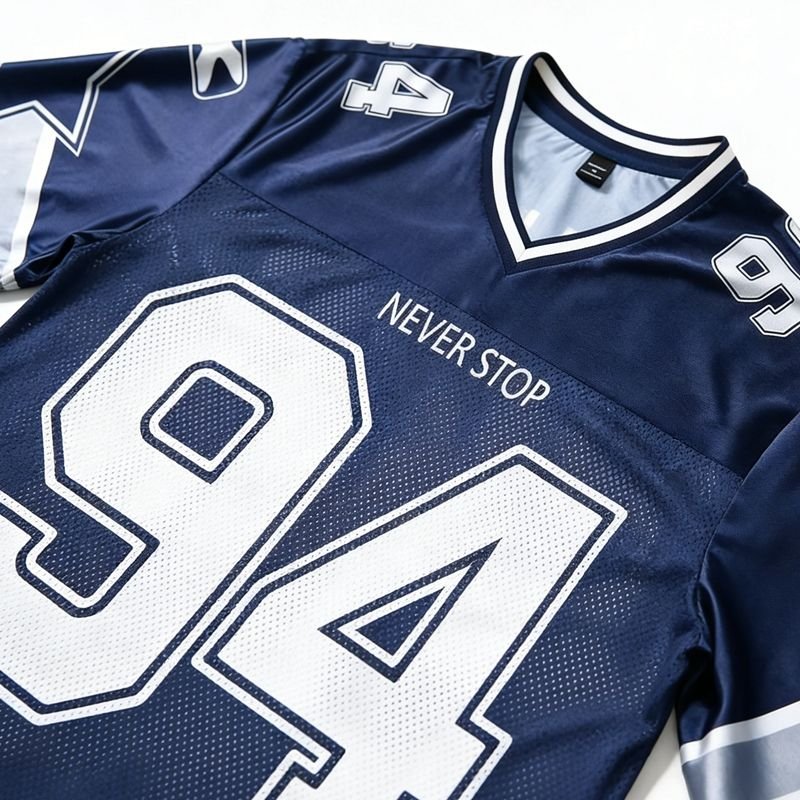
In heat-applied decoration, dye migration is unwanted color movement from the garment into the transfer or its printed layers after exposure to heat. A white logo on a dark jersey may develop a tint, but the same problem can alter pale inks, pastels, and light photographic areas. Polyester and polyester blends warrant deliberate evaluation because heat printing can activate garment dyes; the effect may not be apparent immediately and can become visible later. Transfer Express: 6 Ways to Avoid Dye Migration During Heat Printing
Treat migration as a substrate-and-process compatibility question, not as a defect that one material description can solve. A garment’s color, dye method, finish, knit or woven structure, stretch content, previous wash treatment, and lot can all change the risk profile. Sublimated or highly saturated graphics deserve particular caution because the visible color is part of the substrate itself.
Dye migration can occur while adhesion remains sound. Edge lifting or separation points to a bonding problem; cracks may also reflect a brittle graphic or inadequate stretch compatibility. Scorching is heat damage to the fabric’s surface or color. Crocking means color transfer through dry or wet rubbing; laundering-related staining is a separate exposure. Use crocking and wash color-transfer checks for those concerns, and record the observed failure before choosing a corrective sample.
Why polyester transfers need a real pre-production test
“Polyester” is not a complete decoration specification. A 100% polyester interlock, a polyester-spandex activewear knit, a recycled-poly shell, and a sublimated team jersey may each behave differently under the same press. A supplier’s prior success on a similar garment is useful context, but it does not replace testing the exact production substrate.
The risk can be especially visible where a pale graphic sits over a dark, bright, or patterned ground. BELLA+CANVAS notes that darker or brighter polyester shades can be more prone to the issue and recommends testing the actual material before committing to a larger purchase. BELLA+CANVAS: How to Avoid Dye Migration on Polyester
Get the approval inputs before choosing a transfer
Ask for physical swatches or complete garments from the intended production run whenever practical. The evaluation set should identify:
- Garment style, color name, and the fabric composition supplied for that style.
- The actual color and production lot or dye lot when that information is available.
- Fabric construction, finish, stretch content, and whether the panel is sublimated, garment dyed, coated, brushed, or washed.
- The exact artwork file, including ink colors, white areas, fine type, large solid coverage, and placement.
- The approved transfer product, including any base, blocker, adhesive, film, or ink system specified by its supplier.
- The transfer supplier’s current application instructions.
- The complete time-temperature-pressure-peel recipe proposed for production.
- The heat press identity and verification status, including whether its displayed settings have been checked against actual operating conditions.
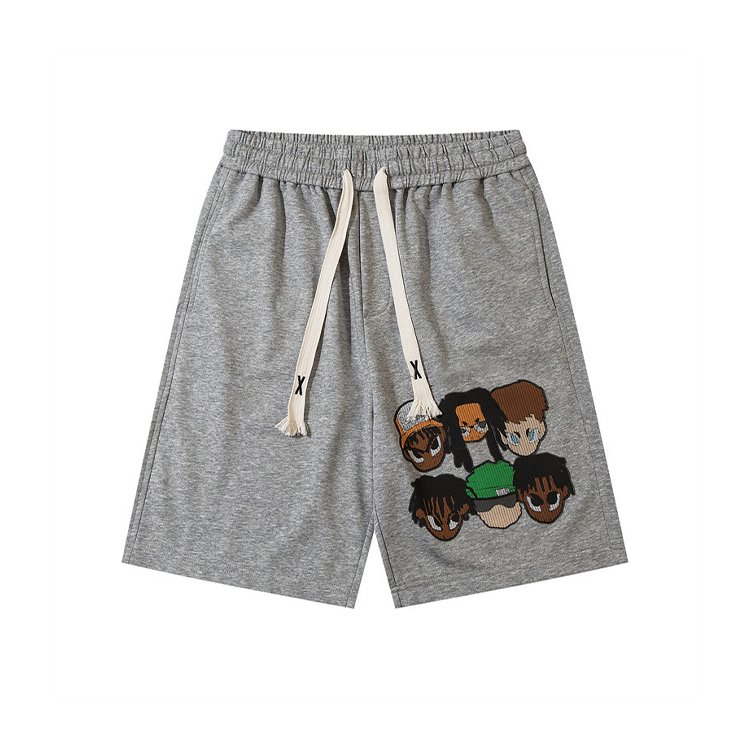
Do not infer fiber content, finish, or migration resistance from a product image. Do not substitute an alternate transfer because it seems comparable. If the garment color, fabric source, finish, artwork, or transfer changes, treat that as a new compatibility question and revisit approval.
Compare the available control strategies
The practical choice is not simply “low temperature versus blocker.” Each approach can solve one part of the problem while introducing another production tradeoff.
Lower-temperature-compatible transfer systems
A transfer designed to apply at a lower heat exposure can reduce the heat input that contributes to dye movement. Transfer Express identifies lower-temperature application as one mitigation approach for polyester decoration. Transfer Express: 6 Ways to Avoid Dye Migration During Heat Printing
For a buyer, the benefit is potentially less thermal stress on susceptible fabric and less risk of shine, distortion, or unwanted activation of dye. The tradeoff is that lower heat alone is not a validated process. The transfer still has to achieve the supplier’s required bond under the actual pressure, dwell, and peel conditions, on the actual garment. A softer or more elastic transfer may suit a stretch knit, while a different construction may better support large opaque artwork. Those are product-specific decisions, not universal rules.
Migration blockers or barrier layers
A blocker is intended to create a barrier between the colored substrate and the visible graphic layer. It may be incorporated into a transfer or used as part of a decoration system. This can be appropriate when a light image must sit over a challenging color or sublimated ground.
The tradeoff can be a heavier hand, reduced drape, lower stretch comfort, added graphic thickness, or a more demanding adhesion stack. A blocker also does not create a blanket promise that bleed cannot occur. BELLA+CANVAS specifically cautions that even materials described as dye-blocking may not work on every fabric, making garment-specific testing essential. BELLA+CANVAS: How to Avoid Dye Migration on Polyester
Artwork and garment choices
Sometimes the most robust solution is an art or product decision. Reducing large light fields, moving a mark away from a sublimated panel, selecting a darker graphic palette, or choosing a garment color with a lower observed risk may make the approved result easier to reproduce. This is not a reason to compromise a brand identity automatically; it is a way to compare design intent against production risk before sampling is locked.
A buyer decision framework
Choose the route by answering four questions in order:
- What must remain visually stable? Identify white, pale, or high-opacity areas that would make a color shift unacceptable.
- What must the garment feel and do? Define whether soft hand, stretch, recovery, breathability, abrasion resistance, or large coverage matters most.
- What is the actual substrate condition? Confirm the garment sample, color, lot, finish, and panel construction instead of relying on a category label.
- Which tested combination meets the approval standard? Compare the finished samples after the planned delayed review and relevant adhesion and wash checks.
A numbered workflow for approving polyester heat transfers
- Freeze the proposed build. Assemble the actual garment or fabric swatch, final artwork, transfer product, and supplier application instructions. Record the garment color, lot information available, and all relevant finish details.
- Define acceptance before pressing. Agree on what matters: acceptable graphic color, opacity, edge definition, surface appearance, stretch response where relevant, and adhesion. Note any areas where even slight discoloration would be unacceptable.
- Verify the production press. Confirm the press used for approval is representative of bulk production. Record the complete recipe: actual operating temperature, dwell time, pressure setting or method, peel method, cover-sheet arrangement, and any post-press steps. A displayed press setting is not, by itself, a verified process condition.
- Apply representative samples. Use the approved transfer on the exact garment color and construction. Place graphics where production placement will occur; a flat swatch may not represent the behavior of a seamed, textured, or highly elastic panel.
- Inspect immediately after application. Look for surface damage, gloss change, distortion, incomplete bonding, edge lift, and immediate discoloration. Immediate visual success is only the first checkpoint.
- Hold samples for delayed assessment. Label and store samples so they can be traced back to the garment, artwork, transfer, and recipe. Delayed review matters because migration can emerge after the initial press; both Transfer Express and ScreenPrinting.com describe delayed appearance as a possibility. Transfer Express ScreenPrinting.com: How to Test for Dye Migration Before You Print
- Evaluate the specified durability checks. Carry out wash and adhesion checks appropriate to the intended product and transfer supplier instructions. Record the method used, observations, and whether the graphic, fabric surface, and color remain acceptable. Do not present an in-house check as a named laboratory certification or a universal standard.
- Approve, revise, or escalate. Approval should identify the exact combination that passed: garment, color, lot, artwork revision, transfer, press, recipe, and evaluation record. If results are ambiguous, revise one controlled variable at a time—such as transfer construction or artwork coverage—then repeat the assessment. Do not move to bulk on the strength of a visually similar sample.
Buyer guide: how to source a printable polyester program
For an OEM, ODM, or private-label project, put decoration approval into the tech pack or pre-production approval file. The garment specification should connect fabric composition and finish to the final embellishment, not treat the transfer as a last-minute add-on. This is particularly useful for streetwear jerseys, activewear, color-blocked outerwear, and pieces with large chest or back logo hits.
RFQ questions to ask
Ask a prospective production partner these questions in writing:
- Can the decoration route be reviewed against the actual fabric, color, finish, and production artwork?
- Which transfer product is proposed, and what are its supplier instructions?
- What complete press recipe will be documented for sample and bulk production?
- How will press conditions be verified and kept traceable during production?
- What delayed visual assessment and adhesion or wash checks will be included in the approval process?
- If the fabric source, color lot, finish, artwork, or transfer changes, what triggers a re-test?
- Who signs the approved sample and retains the matching production reference?
For collection development, include the decoration placement in the graded size set and ensure seams, pockets, zippers, panel joins, and rib areas do not undermine a flat, repeatable press surface.
Red flags during quotation or sampling
Be cautious when a quote offers a universal temperature, guarantees that polyester will never bleed, or treats a product photograph as proof of compatibility. Other warning signs include undocumented transfer substitutions, missing peel instructions, an unverified press, no retained sample, and approval based only on immediate appearance.
Ask suppliers to connect terms such as “poly safe,” “low bleed,” or “dye resistant” to a named transfer product and the documented garment-transfer-recipe combination.
Compact buyer checklist
Before bulk release, confirm that you have:
- The final garment style, actual color, and representative lot or production sample.
- Confirmed composition and known finish information from the garment specification.
- Final artwork and placement, including all light and high-opacity elements.
- The approved transfer product and its supplier instructions.
- A documented, verified time-temperature-pressure-peel recipe.
- Immediate and delayed visual review notes.
- Recorded adhesion and wash-check observations appropriate to the program.
- A signed or otherwise traceable approval reference for production.
VeeWen supports full-category apparel development for labels that need the garment, embellishment, labels, and packaging considered as one production specification. Its standard commercial minimum is MOQ: 100 pieces per style. For decoration methods beyond transfers, see Garment Printing, or return to VeeWen to discuss a collection workflow.
FAQ
Does heat transfer work on polyester?
Yes, heat transfers can be used on polyester, but suitability depends on the exact transfer, garment construction, color, dye behavior, and documented application recipe. Approve the tested combination rather than polyester as a broad category.
How can a buyer stop dye migration?
A buyer cannot responsibly assume it can be eliminated in every case. Reduce risk by testing the actual garment and artwork, considering a lower-temperature-compatible transfer or a blocker where appropriate, documenting the press recipe, and conducting delayed review before bulk release.
What is the ideal DTF transfer temperature for polyester?
There is no universal ideal temperature. Use the transfer supplier’s current instructions, then verify the full time-temperature-pressure-peel recipe on the actual polyester garment. A lower setting may reduce heat exposure, but it is not evidence of adequate adhesion or migration resistance by itself.
Can you screen print on 100% polyester fabric?
Yes, but screen printing has its own migration and curing considerations. The same buyer discipline applies: validate the actual fabric, color, ink system, cure process, delayed appearance, and durability criteria before approving bulk.
When should a test be repeated?
Repeat it when a meaningful input changes: fabric source, garment color, lot information available, finish, artwork, transfer product, or press process. The original approval only supports the specific combination tested.
Start with an approval-ready sample
Request a Custom Quote with your garment specification, artwork, target fabric, and intended embellishment so the sample plan can document the decisions that matter before bulk production.