
Oversized Streetwear Fit Development for Production-Ready Collections
OEM, ODM and private-label oversized streetwear fit development with a 100-piece-per-style MOQ, from pattern and sampling through packed bulk goods.
Featured Products for oversized streetwear fit development Development


Related Product Catalogue and Quotation


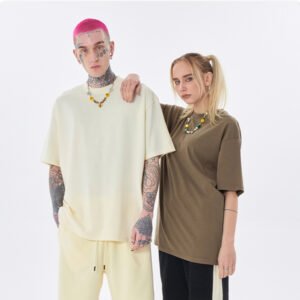
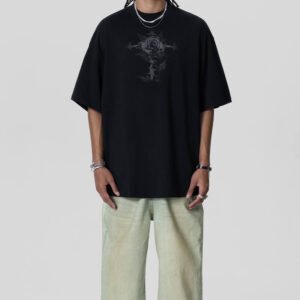


Oversized Streetwear Fit Development Built for Intentional Silhouettes
Translate your visual direction into repeatable specifications, approved samples and bulk-ready garments with one accountable production partner.
Practical Fit Blocks
Define shoulder drop, body width, sleeve pitch, length and graded measurements in clear garment terms before sampling begins.
Fabric Structure Guidance
Select jersey, terry or fleece weights that support the intended drape, structure, wash result and target price.
Decoration Testing
Test prints, embroidery and washes on samples to verify placement, density, shrinkage, hand feel and silhouette performance.
Flexible 100-Piece MOQ
Launch focused oversized streetwear drops from 100 pieces per style while establishing specifications ready for repeat orders.
Documented Approvals
Review fit samples, decoration details and pre-production confirmations through defined checkpoints before bulk manufacturing moves forward.
One Workflow, One Partner
Coordinate sourcing, patterns, sampling, private labels, quality checks, packing and shipment support through VeeWen’s integrated production workflow.
More Oversized Streetwear Fit Development Options and Guides
Compare adjacent product categories, manufacturing options and practical buyer resources from the VeeWen architecture.

Solutions for Streetwear Brands
Streetwear brand manufacturing from 100 pieces per style, with OEM, ODM and private-label development in one workflow. Request a custom quote today.
Explore Category
Limited Drop Streetwear Production
Limited drop streetwear production from 100 pieces per style, with sampling, private labels and QC in one workflow. Request a custom quote today.
Explore Category
Heavyweight Streetwear Production
Heavyweight streetwear manufacturer for OEM, ODM and private-label collections, with a 100-piece-per-style MOQ. Request a custom quote today.
Explore Category
Vintage Wash Streetwear Manufacturing
Vintage wash streetwear manufacturer for OEM and private-label drops from 100 pieces per style, with wash testing, sampling and QC. Request a quote today.
Explore Category
Streetwear Graphic Decoration
Streetwear printing and embroidery from 100 pieces per style, with OEM development, labels and bulk QC. Send your tech pack and request a quote today.
Explore Category
Custom Clothing Manufacturing
Custom clothing manufacturing from 100 pieces per style, with OEM, ODM, sampling and private-label finishing. Send your tech pack to request a quote.
Explore Category
Apparel Manufacturing Capabilities
Apparel manufacturing capabilities for OEM, ODM and private-label collections from 100 pieces per style, from sampling to packed bulk goods. Request a quote.
Explore Category
Apparel Manufacturing Solutions
Apparel manufacturing solutions with OEM, ODM and private-label production from 100 pieces per style. Send your tech pack and request a custom quote.
Explore CategoryMaterials That Hold an Oversized Streetwear Fit

Heavyweight Cotton Jersey
Dense cotton jersey gives oversized T-shirts a substantial, dry hand and clean body shape. Commonly specified at 240–320 GSM, it resists show-through while preserving shoulder drop and boxy proportions.

French Terry
French terry pairs a smooth face with unbrushed loops for structured hoodies, crews and coordinated sets. Its mid-to-heavy weight provides breathable warmth, while rib selections help maintain cuff and hem recovery.
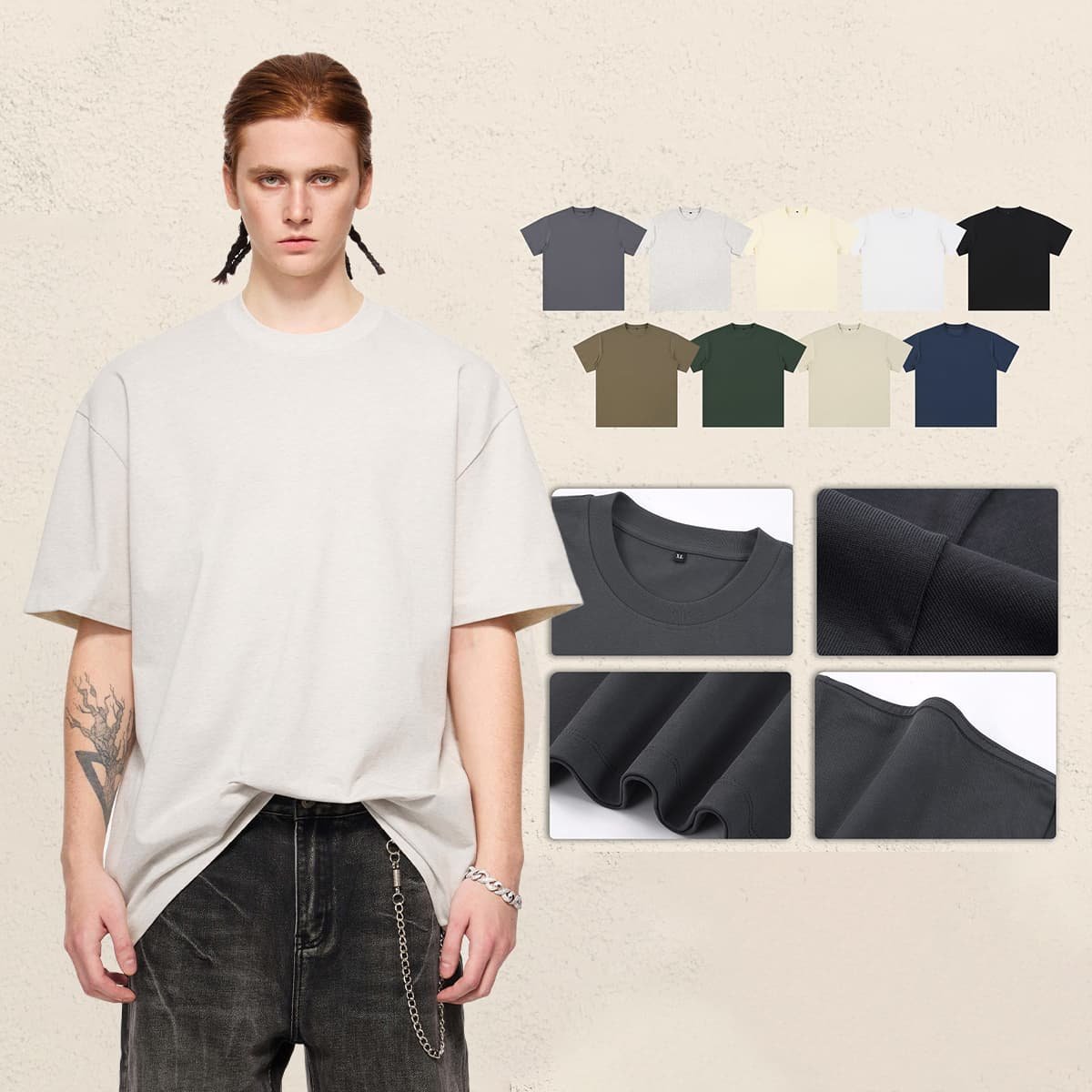
Brushed Cotton Fleece
Brushed fleece creates a soft, warm interior for heavyweight hoodies, sweatpants and winter layers. A 320–460 GSM construction adds volume and insulation; pre-shrink testing is important before approving graded measurements.

Rigid Denim
Rigid or low-stretch denim supports relaxed jeans, trucker jackets and workwear-inspired overshirts with a strong, authentic hand. Fabric weight and wash process affect drape, shrinkage, shade variation and finished dimensions.
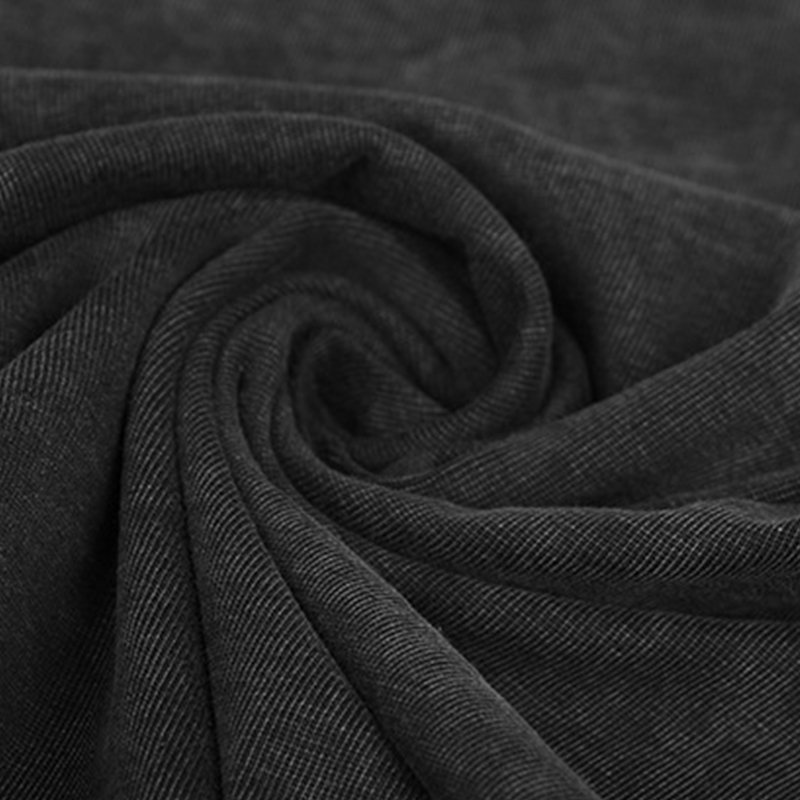
Heavyweight Cotton Twill
Cotton twill offers durable diagonal structure for cargo pants, utility shorts, overshirts and jackets. Its firm hand helps retain wide-leg and boxy shapes, while garment washing can soften the surface without losing definition.

Performance Blend Fabrics
Polyester, nylon and stretch-blend fabrics suit windbreakers, jerseys, active streetwear and technical outerwear. They deliver lighter weight, moisture handling or abrasion resistance; stretch percentage and lining choice influence silhouette control.
Oversized Streetwear Fit Development: Decoration and Finishing

Screen Print
Water-based, plastisol, puff and high-density screen prints create bold front, back or all-over graphics. Ink coverage and placement are reviewed against fabric weight so heavyweight tees and fleece retain their intended structure and hand feel.

Embroidery Application
Flat, 3D and chenille embroidery add tactile branding with a durable stitched finish. VeeWen reviews stitch density, backing and placement to prevent excess stiffness or distortion across oversized panels, pockets and heavyweight fleece.

Garment Dyeing
Pigment dye and garment-dye treatments create broken-in color and individual character after construction. Because dyeing can affect shrinkage, shade variation and rib recovery, fit samples should confirm the final oversized streetwear fit development specifications.

Vintage Wash
Enzyme, acid, stone and snow washes soften fabric and build faded, worn-in surface effects. Wash intensity is tested before bulk production because it can change garment weight perception, seam character, measurement tolerance and color consistency.
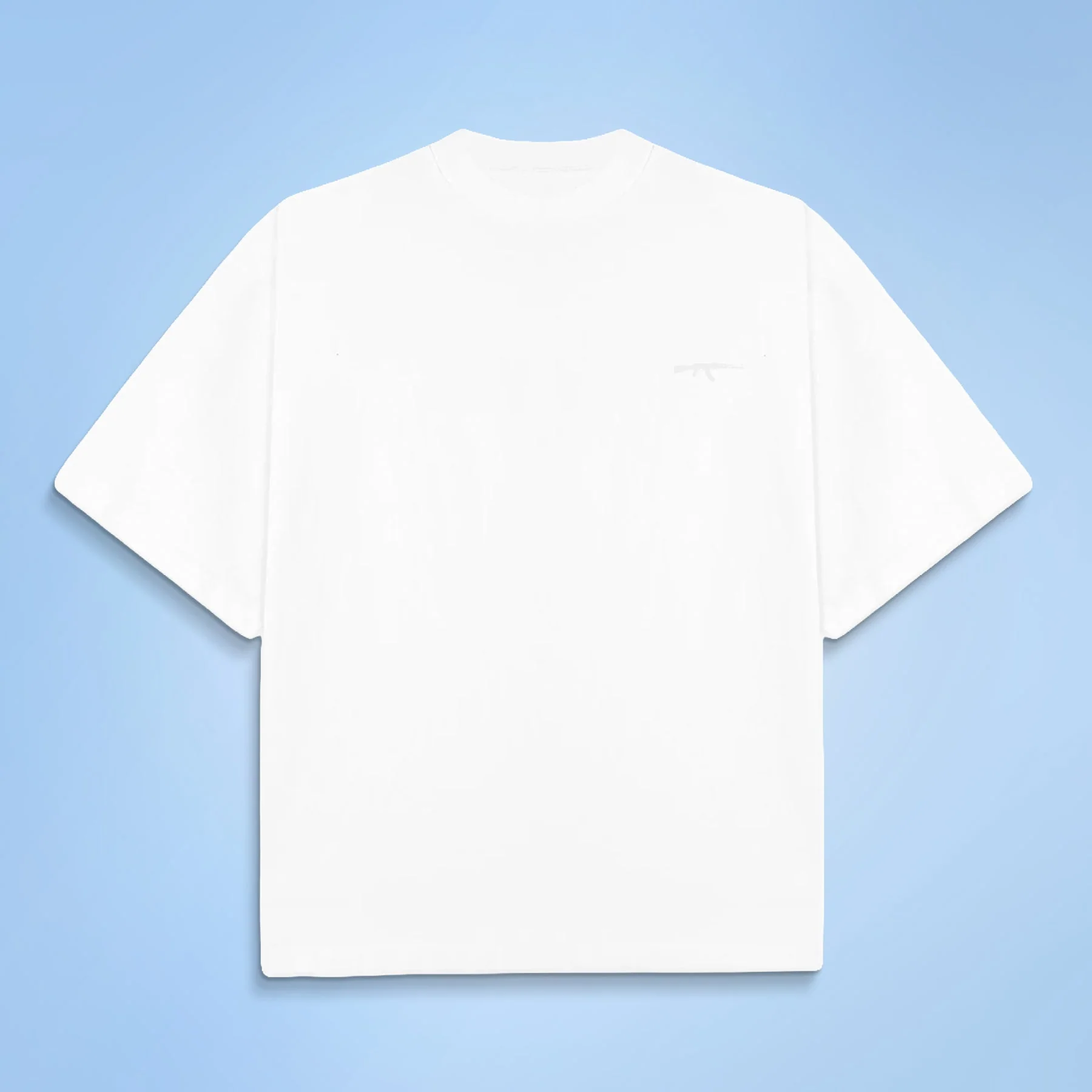
Heat Transfer
DTF, DTG, reflective, foil and heat-transfer graphics support detailed artwork, short-run variations and precise color placement. Transfer size and film coverage are selected carefully to preserve comfort, flexibility and natural drape on oversized garments.

Patch Finishing
Woven patches, applique, rubber or silicone badges and custom labels add layered private-label detail. VeeWen evaluates attachment methods, placement and material thickness so trims complement the garment without pulling, puckering or weighing down the silhouette.
Private-Label Accessories for Oversized Streetwear Fit Development
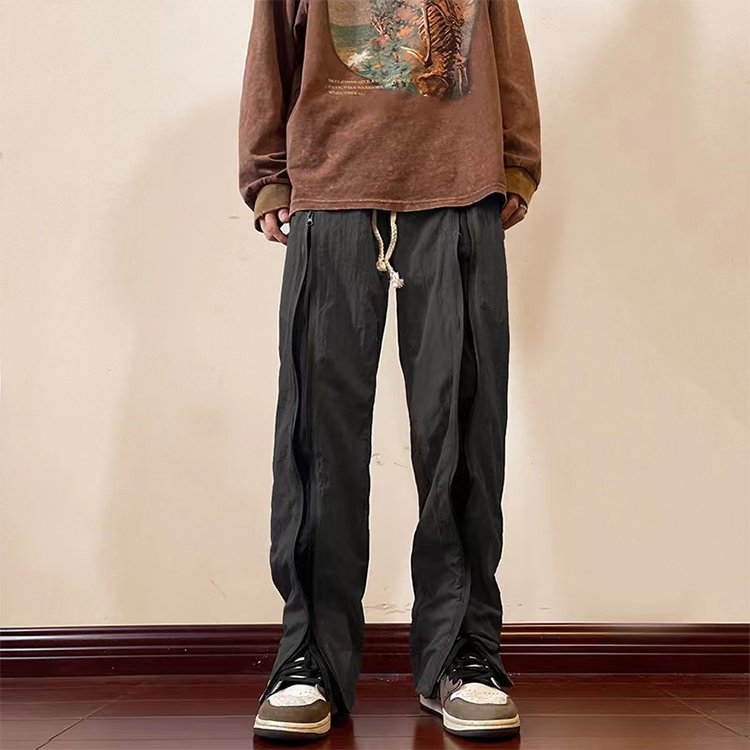

Zippers and Pullers
Choose coil, metal or waterproof zippers with custom pullers for zip hoodies, jackets, cargos and outerwear. Zipper selection is matched to garment weight, wash direction, pocket construction and daily wear requirements.

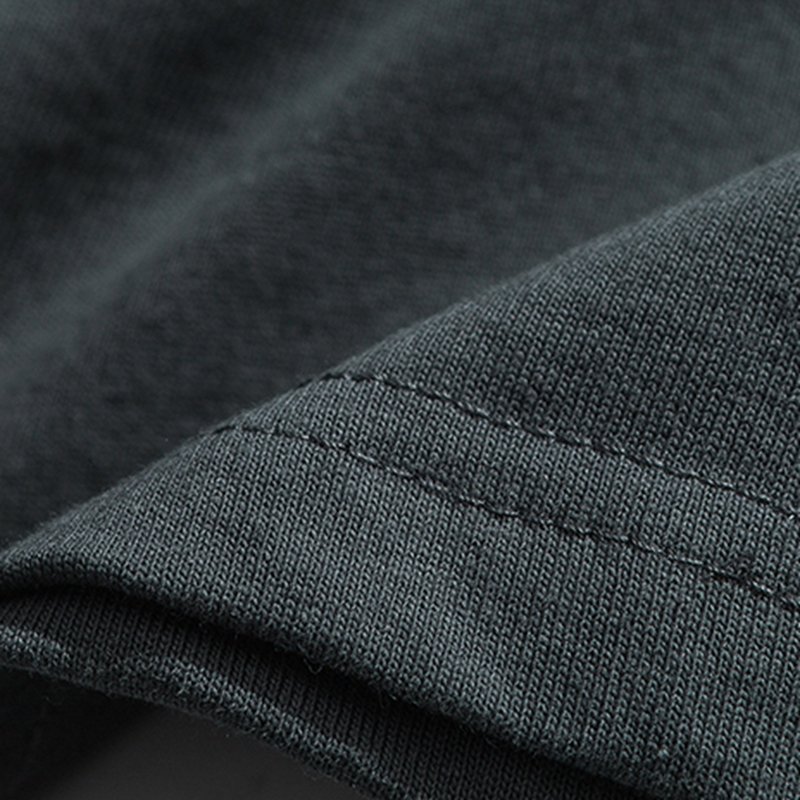
Custom Patch Details
Rubber, silicone, embroidered or woven patches add durable branding to tees, hoodies, varsity jackets, caps and bags. We assess patch size, attachment method and embroidery density so the detail supports rather than distorts the garment.
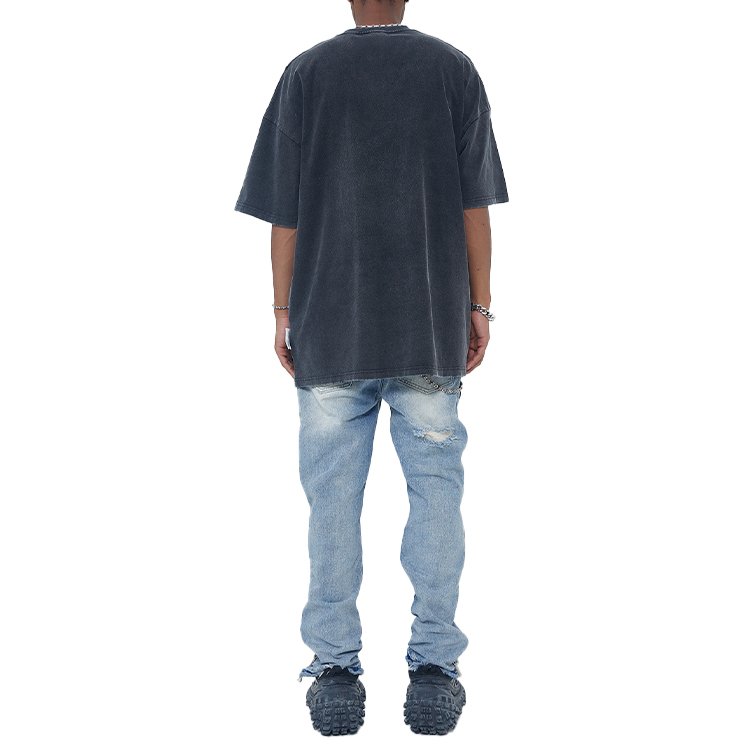
Branded Hangtags
Custom hangtags can carry logo artwork, sizing, product stories, barcodes and care information before retail delivery. Select paper stock, finish, string and attachment points that align with your collection’s price position and presentation.

Retail-Ready Packaging
Complete each private-label order with custom polybags, logo stickers, size labels and packing instructions. Packaging specifications are documented before bulk production to support accurate assortment control, presentation and shipment handling.
About VeeWen’s Oversized Streetwear Fit Development
Founded in Dongguan in 2016 by ChangKeng Luo, VeeWen helps labels turn menswear and streetwear direction into production-ready collections. Oversized streetwear fit development is handled as a practical manufacturing discipline, translating visual references into defined fit blocks, measurements, fabrics and approved samples.
Our one-accountable workflow combines OEM, ODM, private-label and cut-and-sew services with fabric sourcing, pattern development, sampling, decoration testing, bulk production, quality checks and packaging. With a standard MOQ of 100 pieces per style, emerging brands can develop focused drops without losing control of repeatable specifications.
Menswear and streetwear remain our primary focus, while our full-category capability supports apparel programs for men, women and children. VeeWen makes recommendations in production terms, explaining how fabric weight, wash effects, embroidery density and trims influence structure, drape, consistency and the production window.
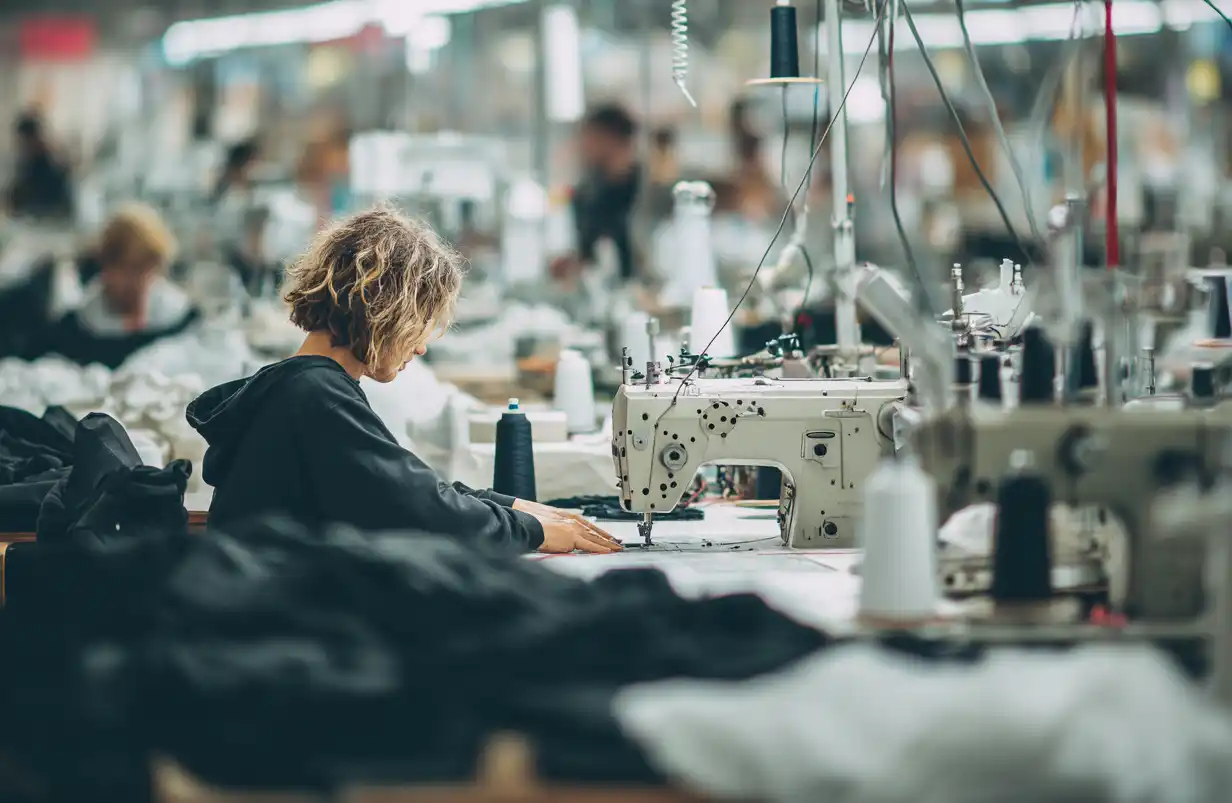
Oversized Streetwear Fit Development That Holds Up
Fit Blocks Built for Oversize
VeeWen turns visual references into production-ready oversized streetwear fit development, defining shoulder drop, body width, sleeve pitch, length, rib proportions and intended layering allowance before sampling begins. The result is a clear block that can be reviewed and repeated.
- Reference-led pattern clarification
- Practical garment measurement points
- Sample fit reviews before approval
- Cut-and-sew adjustments documented
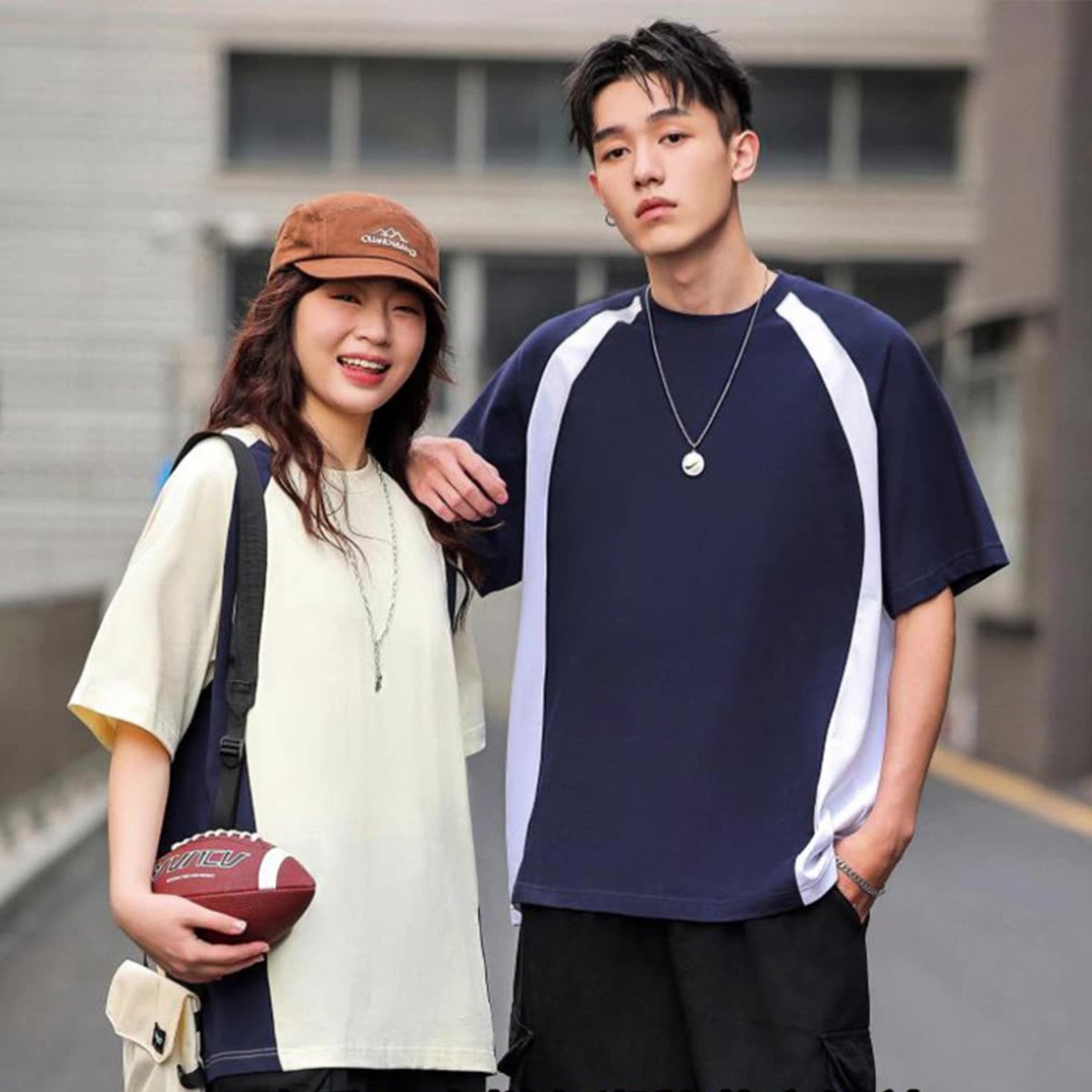
Fabric and Wash Decisions
Fabric weight, construction and finishing determine whether an oversized silhouette hangs cleanly or collapses. VeeWen recommends jersey, French terry, fleece and wash directions against your target hand feel, structure, shrinkage tolerance, shade variation and expected retail position.
- Weight matched to silhouette structure
- Wash shrinkage considered early
- Hand feel and drape reviewed
- Target cost discussed transparently

Decoration Tested on Garments
Print, embroidery and patches are evaluated on the actual garment direction, not treated as an afterthought. VeeWen tests placement, scale, ink coverage, embroidery density and wash interaction so graphic details support the fit, drape and intended streetwear finish.
- Screen print and transfer options
- Embroidery density checked for drape
- Placement tested on sample panels
- Wash effects reviewed with artwork

Grading and QC Documentation
Approved samples become the reference for graded measurements, construction details and quality checkpoints across the size run. This documentation helps VeeWen maintain consistent oversized proportions from pre-production confirmation through in-line inspection, final checks and packed bulk goods.
- Graded measurement specifications
- Approved sample as production reference
- In-line and final quality checks
- Repeatable standards for reorders

Oversized Streetwear Fit Development: Why VeeWen
A production-minded partner for specified fits, approved samples, and accountable bulk delivery.
← Swipe left or right to view →
Oversized Streetwear Fit Development: From Concept to Packed Bulk Goods
A documented, production-minded path from initial direction to shipment-ready private-label apparel.
Clarify Design and Fit
We review tech packs, sketches or references; define fit block, shoulder drop, body width, graded measurements, target price and intended finish.
Source Materials and Trims
Fabric, ribs, labels, hardware and packaging are matched to structure, hand feel, wash direction, decoration requirements and your approved streetwear specification.
Develop and Approve Samples
Patterns, samples and decoration tests turn oversized streetwear fit development into measurable production details before pre-production confirmation and bulk release.
Cut, Sew, and Decorate
Approved components move through cutting, sewing, printing, embroidery, washing and trim application, with production checkpoints aligned to the confirmed sample.
Inspect, Pack, and Ship
In-line inspection and final quality checks verify measurements, workmanship and presentation before private-label packing and practical shipment coordination for your order.
Start Your Oversized Streetwear Fit Development
Move from reference to repeatable bulk production with one production-minded partner.
Submit Your Direction
Send a tech pack, sketch, reference sample, inspiration image, or product idea. Define target fit, fabric direction, decoration, quantities, and intended price level.
Review Specifications and Quote
Clarify the fit block, dropped shoulder, body width, sleeve proportions, materials, washes, trims, and packaging. VeeWen then confirms practical options and quotation details.
Develop and Review Samples
Create patterns and samples for fit review, including graded measurements where needed. Assess fabric structure, rib recovery, wash shrinkage, decoration placement, and overall silhouette.
Approve Pre-Production Details
Confirm the approved sample, size specifications, colors, labels, hangtags, packing, and workmanship checkpoints before bulk manufacturing begins, reducing avoidable production changes.
Manufacture and Inspect Bulk
Produce from the confirmed specifications with in-line inspection, final quality checks, packing, and shipment coordination. Standard MOQ begins at 100 pieces per style.
Documented Standards for Buyer Review

Applicable material certificates and scope documents can be reviewed against the selected fabric and production order.

GOTS-related material and chain documentation is matched to the selected program and verified for current scope before use.

Current social-compliance audit documentation can be supplied for buyer review and onboarding when applicable.
Responsible-sourcing and audit records can be reviewed with the VeeWen team for the relevant factory and order scope.

Order-specific material declarations and test documentation are reviewed for applicable REACH requirements; this neutral icon denotes documentation rather than an official REACH certification logo.
Oversized Streetwear Fit Development That Supports Reorders
VeeWen turned our reference tee into a repeatable oversized block in two sample rounds. After approving the graded measurements, we placed a 300-piece first order with noticeably more consistent shoulder drop across all five sizes.
Their team flagged that our heavy back embroidery would pull the hoodie body out of shape, then adjusted the backing and placement. The final 180-piece drop kept the boxy fit we approved, and our reorder specs were already documented.
We needed coordinated tees, fleece shorts, and zip hoodies for a four-style launch at a 100-piece-per-style MOQ. VeeWen aligned fabric, wash, labels, and packing so the goods arrived ready for our retail allocation without last-minute sorting.
Oversized Streetwear Fit Development FAQ
Clear answers on MOQ, sampling, approvals, sourcing, payment and shipment for production-ready streetwear programs.
What is your MOQ for oversized streetwear fit development?
Can you develop an oversized streetwear fit from a sketch or reference garment?
How do you approve the fit before bulk production?
Which fabrics work best for an oversized streetwear fit?
How long do sampling and bulk production usually take?
What payment terms do you offer for custom apparel orders?
Can you arrange international shipping and packaging?
How do you protect my designs and product information?
The Complete Guide to oversized streetwear fit development
Use this decision framework to define silhouettes, fabrics, construction, sampling, and supplier capabilities for scalable production, compare OEM partners confidently, and avoid costly fit, grading, quality, and MOQ mistakes.
1. What Is Oversized Streetwear Fit Development?
100-piece MOQ programs still need a defined fit block: oversized streetwear fit development converts a brand’s silhouette into production-ready measurements, patterns, grading rules, and approved samples. VeeWen reviews shoulder drop, body width, sleeve pitch, length, rib recovery, and shrinkage before bulk production.
2XL is not automatically an oversized fit. Deliberate oversizing redistributes proportion—such as a wider chest with controlled body length and a lower shoulder—so the garment retains its intended balance across the size run.
1 approved measurement spec becomes a reusable commercial asset. Documented tolerances and sample checkpoints help maintain fit consistency on reorders, reduce revision cycles, and let a label develop coordinated tees, hoodies, and bottoms from a repeatable foundation.
2. Evolution of Oversized Streetwear Fits
1970s skatewear normalized roomy tees and durable pants, while 1980s hip-hop amplified baggier silhouettes as visual identity. Workwear added practical volume through wider legs, layered outerwear, and hard-wearing fabrications.
1990s Japanese street fashion refined that volume into deliberate balance: dropped shoulders, shorter or longer bodies, controlled sleeve lengths, and purposeful layering. Contemporary luxury later made oversized proportions acceptable across premium collections rather than only subcultures.
2020s social commerce rewards fits that read clearly in a three-second video or product image. Buyers now expect intentional oversized streetwear fit development, often with unisex grading, consistent shoulder drop, and enough structure to look designed—not simply sized up.
3. Types of Oversized Streetwear Fit Development
Five fit blocks give buyers a practical oversized streetwear fit development brief. Confirm chest width, body length, shoulder drop and sleeve proportions against a base size before grading.
Boxy Drop-Shoulder
Boxy blocks use a broad chest with shortened-to-standard body length. Dropped shoulders and fuller sleeves suit heavyweight tees, hoodies and sweatshirts.
Relaxed Standard
Relaxed standard fits add chest ease while retaining familiar body length. Moderate shoulder drop and controlled sleeves work for tees, polos and jerseys.
Extreme Wide-Body
Extreme wide-body fits prioritize chest width over length. Deep shoulder drop and wide sleeves suit fashion tees, hoodies and coordinated sets.
Cropped Oversized
Cropped oversized blocks pair a wide chest with reduced body length. Broad shoulders and compact sleeves suit tees, sweatshirts and women’s streetwear layers.
Longline Oversized
Longline fits extend body length while keeping generous chest ease. Dropped shoulders and elongated sleeves suit tees, tanks, hoodies and outerwear.
4. Fabrics for Oversized Streetwear Fit Development
Fabric behavior determines whether an oversized block stands away from the body or collapses softly. Approve the fabric before finalizing graded measurements, because finishing can shift both hand feel and dimensions.
| Fabric | Typical GSM | Silhouette | Best Season |
|---|---|---|---|
| Cotton jersey | 220–280 | Firm tee | Year-round |
| French terry | 300–420 | Structured soft | Spring/fall |
| Fleece | 320–450 | Bulky warm | Cold weather |
| Twill/denim | 240–360 | Architectural | Year-round |
Match Weight To Shape

220–280 GSM cotton jersey gives tees a firm, premium outline; ring-spun yarn feels cleaner than open-end.
300–420 GSM French terry supports hoodies across mild seasons; fleece adds warmth and bulk.
Control Shrinkage And Recovery
3–5% shrinkage is a practical allowance for cotton programs; wash-test length, width, twist, and shade before approval.
Cotton-poly blends improve recovery, while enzyme or pigment washes soften structure and increase variation.
Use Wovens Deliberately

240–360 GSM twill and denim create architectural overshirts, cargos, and jackets with less drape.
Sample with trims attached: dense embroidery, linings, and washes can change hang, seam torque, and retail positioning.
5. Customization and Decoration Options
At VeeWen’s 100-piece-per-style starting point, decoration must be specified with the fit sample. Large panels reward deliberate artwork scale, while drop shoulders need clear sleeve and chest placement.
| Option | Hand/Drape | Cost Or Minimum |
|---|---|---|
| Screen print | Moderate film | Economical by color |
| DTG | Softest print | Best for detailed art |
| Puff print | Raised, firmer | Extra print setup |
| Embroidery | Heavier, structured | Higher stitch cost |
Print And Drape

180–260 GSM jersey holds screen print and puff print well; puff adds raised stiffness, while DTG stays softer. Use broad back prints or centered chests, not shoulder seams.
Texture And Identity

6,000–10,000-stitch embroidery and appliqué add weight and cost, so place them on chests, pockets, or back yokes. Woven labels and neck prints keep branding low-bulk.
Wash And Trims
Enzyme, pigment, and distressed washes can alter shade and shrinkage; approve the finished sample. Branded drawcords, zipper pulls, and patches usually require component minimums above garment MOQ.
6. Construction Quality for Oversized Fits
Wide-body garments expose waviness, twisted side seams, and uneven hems because each defect spans more visible surface. For oversized streetwear fit development, approve construction details before bulk, not after wash tests.
Critical Construction Points
6–8 mm neck ribs need recovery testing after stretch; specify collar width, seam allowance, and topstitch placement. Match shoulder slope, panel notches, side-seam alignment, hem depth, cuff tension, and reinforcement at stress points.
- Record stitch type and stitches per inch
- State permitted skew and seam roping
- Call out bartacks or tape reinforcement
Tech Pack Tolerances
±1 cm is a practical tolerance for most body measurements, while collar opening and rib height often require tighter control. Document POM locations, graded measurements, stitch density, panel artwork, wash allowance, and inspection method.
7. Choosing Oversized Streetwear Fit Development Manufacturers
A 100-piece MOQ is only useful when the supplier can repeat an approved block. Evaluate oversized streetwear fit development through evidence, not mood boards or generic capability lists.
Pattern And Sampling
Ask for comparable fit blocks, sample photos, and who revises patterns after fit comments. Confirm sampling is handled before bulk approval.
- Request graded measurement charts
- Review shoulder-drop and sleeve-pitch changes
Fabric And Grading
Ask which 280–400 GSM fabrics are currently sourceable and how wash shrinkage is tested. Confirm size grading, tolerances, and shade-control records.
- Specify GSM and hand feel
- Approve wash test results
Bulk Control And Communication
Ask for in-line and final inspection checkpoints, defect-report handling, and one English-speaking production contact. VeeWen’s 100-piece minimum suits focused test drops.
- Approve pre-production sample
- Confirm packing specifications
8. Common Oversized Streetwear Fit Development Mistakes
Most oversized streetwear fit development failures appear after sampling, when a visually correct garment wears poorly. Lock proportions, finishing, and movement checks before approving bulk.
Proportions And References
Flat measurements alone can copy width but miss shoulder drop, sleeve pitch, and body balance. Supply front, side, and worn references with target measurements.
Wash, Fabric, And Grading

A 400 GSM fleece or enzyme wash can change shrinkage, drape, and shade. Test the silhouette in the intended fabric, set wash allowances, and fit-check every graded size.
Decoration And Movement

Dense embroidery or oversized prints can stiffen panels and distort drape. Test decoration placement, then approve samples only after reaching, sitting, and arm-lift checks.
9. Steps to Launch an Oversized Streetwear Line
Start with the wearer, price point and intended silhouette; involve the manufacturer before final artwork so fabric, pattern and decoration are feasible. A 100-piece-per-style MOQ supports a focused first drop when approvals are documented.
Brief And Tech Pack
1 brief should define target customer, reference images, size range, Pantone colors and measurement intent. Supply a tech pack or sketch; confirm the fit block before sampling.
Sample And Fit Gate
1 prototype tests body width, shoulder drop, sleeve pitch and shrinkage in the selected fabric. Mark revisions on a graded measurement sheet, then approve a sealed pre-production sample.
Bulk And Launch
100-piece orders should begin only after fabric, trims, labels and packing are approved. Use in-line checks and final inspection, while photographing approved samples for product pages and size guidance.
10. Oversized Streetwear Fit Development Pricing
100-piece orders are VeeWen’s standard starting point; the figures below are planning ranges, confirmed after fabric, artwork, and sample approval. A new fit block, print screens, embroidery files, or custom trims can add setup charges.
280–500 GSM fabric drives structure and cost: heavier French terry, brushed fleece, garment washing, dense embroidery, and complex grading raise both. Higher quantities usually lower unit cost, while approved Pantone shades, rib recovery, and zipper choices should be locked before bulk.
| Program / quantity | Estimated unit price | Sample or setup | Typical lead time |
|---|---|---|---|
| Oversized tee / 100–299 | US$6–12 | US$80–180 sample; US$30–80 screens | 25–35 days |
| Sweatshirt / 100–299 | US$13–24 | US$100–220 sample; decoration extra | 30–40 days |
| Hoodie / 300–500 | US$16–30 | US$120–250 sample; zipper or embroidery extra | 30–45 days |
Start Your Oversized Streetwear Fit Development
Send your tech pack, reference images or product idea for a custom sampling and bulk-production quote from VeeWen.