
Cut and Sew Clothing Manufacturing for Production-Ready Menswear
VeeWen delivers cut and sew clothing manufacturing from development and sampling through quality-checked, packed bulk goods, starting at 100 pieces per style.
Featured Products for cut and sew clothing manufacturing Development





Why Cut and Sew Clothing Manufacturing Gives You More Control
VeeWen turns your visual direction into documented garment specifications, approved samples and production-ready bulk goods from 100 pieces per style.
Custom Fit Blocks
Set shoulder drop, body width, sleeve pitch, rise and inseam around your intended silhouette—not a generic blank garment.
Fabric Weight Selection
Choose jersey, fleece, denim or performance fabrics by hand feel, structure, wash response, target price and end use.
Graded Size Specifications
Build consistent size runs with approved measurements and practical grading, helping each fit block remain reliable through repeat orders.
Washes and Decoration
Coordinate printing, embroidery, garment dye and wash effects early, so drape, shrinkage, shade variation and lead time are considered.
Private-Label Finishing
Complete each style with woven labels, care labels, hangtags, custom trims, patches and packaging aligned to your brand presentation.
100-Piece Style MOQ
Launch a focused menswear or streetwear drop from 100 pieces per style while establishing repeatable specifications for future production.
Explore Cutting & Sewing
Continue to every direct child page in this Studio architecture section.
Cut and Sew Clothing Manufacturers
Cut and sew clothing manufacturers for OEM, ODM and private-label collections, with a 100-piece MOQ per style. Request a custom quote from VeeWen.
Explore CategoryCut and Sew Apparel Manufacturing
Cut and sew apparel manufacturing from 100 pieces per style, with patterns, sampling, trims and QC coordinated in one workflow. Request a quote.
Explore CategoryCustom Cut and Sew Clothing Wholesale Supplier
Custom cut and sew clothing wholesale supplier services from 100 pieces per style, with OEM, ODM and private-label development. Request a custom quote today.
Explore Category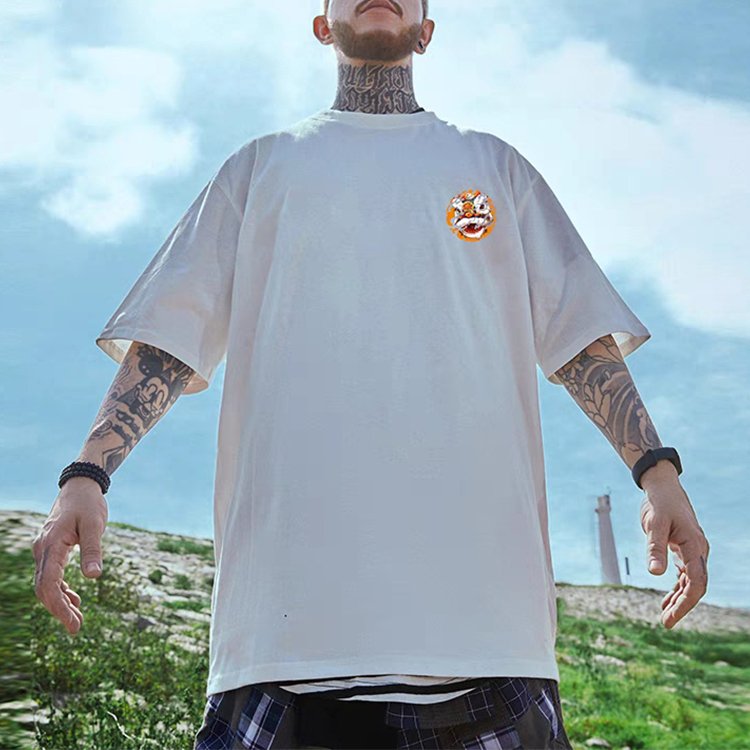
Best Cut and Sew Factories in La for Small Batch Apparel
Best cut and sew factories in la for small-batch apparel: develop OEM streetwear from 100 pieces per style with approved samples and QC. Request a quote.
Explore CategoryCut and Sew Clothing Manufacturing for Streetwear
Founded in Dongguan in 2016 by ChangKeng Luo, VeeWen was built to help menswear and streetwear brands move from a concept, sketch or reference sample to a collection ready for market. Our cut and sew clothing manufacturing approach keeps product development practical, direct and focused on the garment buyers need to sell.
We develop heavyweight tees, hoodies, cargo pants, denim, jackets, jerseys and coordinated sets, while supporting full-category apparel programs for men, women and children. Fabric sourcing, pattern development, sampling, fit review, decoration testing, bulk production, quality checks and private-label packaging are managed in one accountable workflow.
What sets VeeWen apart is the discipline behind repeatability. We turn visual direction into agreed fit blocks, graded measurements, material choices and documented checkpoints before bulk production begins. With a standard MOQ of 100 pieces per style, brands can launch focused drops without losing control of quality or future reorders.

Cut and Sew Clothing Manufacturing Details That Define the Garment
Pattern, Fit and Grading
VeeWen converts your reference, sketch or tech pack into a workable fit block, then confirms the measurements that make the silhouette repeatable from sample through bulk production.
- Set shoulder drop, body width and sleeve pitch for the intended silhouette
- Confirm rise, inseam and graded measurements across the size run
- Review fit samples before pre-production approval

Fabric and Wash Development
Fabric selection is matched to hand feel, structure, garment weight, target price and end use. Wash development is evaluated early because it can change shrinkage, shade variation, drape and final measurements.
- Source jersey, French terry, fleece, denim, twill and performance fabrics
- Compare pigment dye, enzyme, acid, stone and vintage wash directions
- Account for wash shrinkage before finalizing production specifications
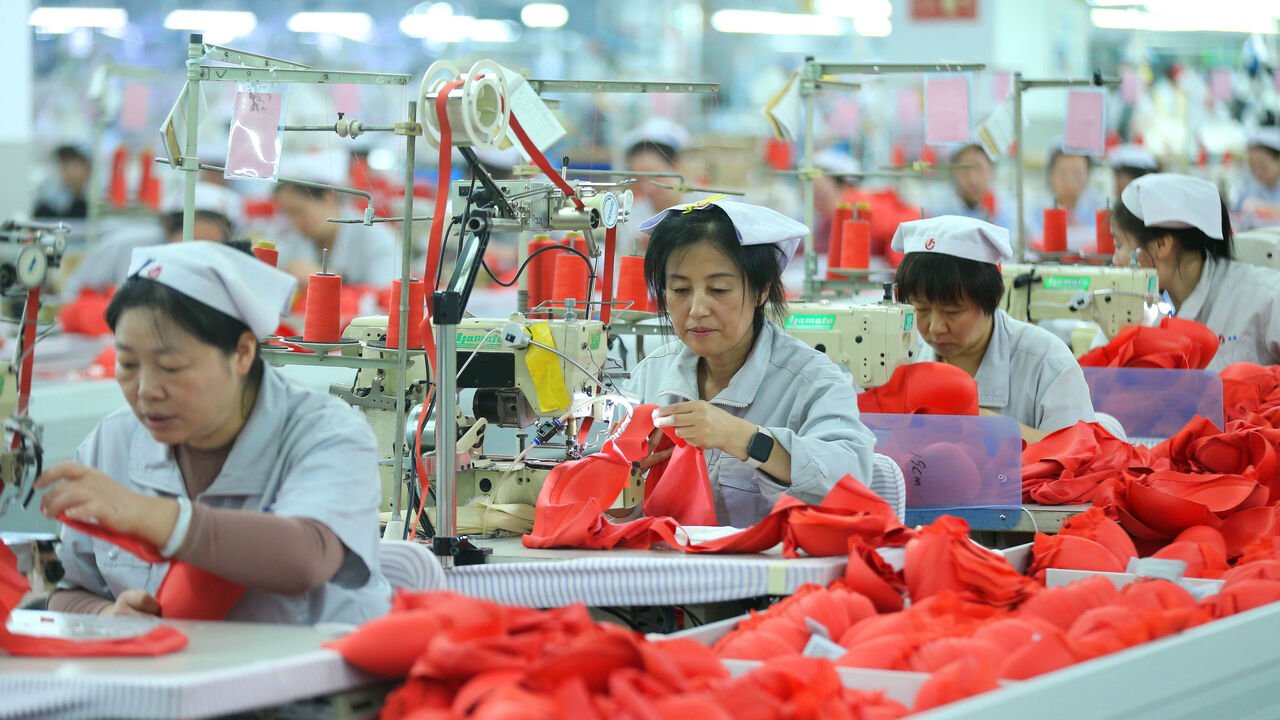
Print and Embroidery Testing
Decoration is tested on the actual garment and fabric direction, not treated as an afterthought. This helps protect drape, placement accuracy, wash performance and the visual impact of your graphics.
- Test screen print, water-based, puff, high-density, DTF and DTG options
- Evaluate embroidery density, backing and stitch coverage before approval
- Confirm artwork scale, placement and finish on production-relevant samples

Private-Label Finishing
Complete the program with labels, trims and packing that carry your brand through delivery. VeeWen coordinates these details within one cut and sew clothing manufacturing workflow, from approved sample to packed bulk goods.
- Coordinate main labels, care labels, size labels and hangtags
- Specify zipper pulls, buttons, drawcords, patches and custom trims
- Approve polybags, folding and packing details before bulk shipment

Cut and Sew Clothing Manufacturing With More Control
VeeWen keeps development, approvals and bulk handoff connected so your collection is built to one documented specification.
← Swipe left or right to view →
Cut and Sew Clothing Manufacturing: From Concept to Packed Bulk Goods
A documented, production-minded path from your initial brief to shipment-ready private-label apparel.
Brief and Technical Review
We review your tech pack, sketches, references or idea, then clarify fit block, measurements, fabric direction, decoration, trims and target pricing.
Materials and Pattern Development
Our team recommends suitable fabrics and develops patterns around structure, weight, shoulder drop, sleeve pitch, grading requirements and intended garment performance.
Sampling and Fit Approval
You review samples for fit, hand feel, construction, wash effect and decoration quality; revisions are documented until the specification is ready for approval.
Pre-Production Confirmation
Before bulk production, we confirm approved materials, color, measurements, artwork, labels, packaging details and production checkpoints for your 100-piece-per-style order.
Cutting, Sewing and Finishing
Cut and sew clothing manufacturing moves into bulk cutting, sewing, printing or embroidery, washes and finishing, with in-line checks throughout each production stage.
Inspection, Packing and Shipment
Finished goods receive final quality checks, then branded labels, hangtags and packing are coordinated before shipment preparation for your chosen delivery arrangement.
Start Your Cut and Sew Clothing Manufacturing Program
Move from a clear product idea to approved bulk goods through a practical, managed workflow built for menswear, streetwear and full-category collections.
Share Your Product Direction
Send a tech pack, sketches, reference sample or inspiration images. VeeWen clarifies the silhouette, intended market, target price and production requirements before development begins.
Confirm Materials and Specifications
Align fabric weight, measurements, fit block, trims, labels, decoration and wash effects. Our team explains practical trade-offs so your specifications support the intended garment outcome.
Review and Approve Samples
Evaluate the sample for fit, construction, hand feel and finishing. Refine details where needed, then approve the pre-production standard that guides your order.
Launch Managed Bulk Production
Begin bulk production from 100 pieces per style with in-line inspection, final quality checks, private-label packing and shipment coordination managed through one accountable partner.
What Buyers Achieved with VeeWen Cut and Sew Clothing Manufacturing
VeeWen converted our oversized tee references into a repeatable fit block across six sizes. The approved grading reduced our size-related returns by 18% during the first drop, and the 100-piece MOQ let us test the silhouette without overcommitting.
Our acid-wash hoodie program needed consistent color while preserving the vintage character. VeeWen sent revised wash samples before bulk approval, and all 420 units matched the launch standard closely enough for our retailer photography and online release.
The high-density chest print and sleeve embroidery held up after our wear-test cycle. VeeWen coordinated sampling, labels, and packing around a fixed team launch date, delivering 1,200 jerseys with enough time for fulfillment preparation.
Cut and Sew Clothing Manufacturing FAQ
Practical answers for brands planning custom apparel development with VeeWen.
Is cut and sew clothing manufacturing right for a new streetwear brand?
What is the minimum order quantity for cut and sew clothing manufacturing?
Do I need a tech pack to start cut and sew clothing manufacturing?
What artwork files should I provide for printing or embroidery?
How long do samples take, and what do they cost?
What fabrics can I choose for custom garments?
Can you combine garment washes with screen printing or embroidery?
Can you grade measurements and add private labels before bulk production?
What is the bulk lead time after sample approval?
The Complete Guide to cut and sew clothing manufacturing
Use this practical framework to compare cut-and-sew suppliers, assess fabrics and construction, control costs, and avoid sourcing mistakes before launching a private-label apparel collection from China.
1. What Is Cut and Sew Clothing Manufacturing?
2016-era streetwear production often starts before fabric is cut: cut and sew clothing manufacturing builds a garment from a pattern, selected fabric, graded measurements, sewing operations, finishing, and private-label trims.
100-piece MOQ programs suit labels testing custom oversized tees, hoodies, cargos, uniforms, or coordinated sets. Unlike printing a blank or buying ready-made wholesale stock, buyers control fit block, 180–320 GSM fabric choice, stitch details, washes, labels, and packaging.
1 approved sample turns a visual concept into repeatable bulk specifications. It benefits brands whose identity depends on distinctive proportions, materials, pockets, panels, or construction—not merely a logo on an existing garment.
2. Evolution of Cut-and-Sew Apparel Production
Before the 1990s, most labels relied on local workshops, where sampling, grading and bulk sewing stayed close to the designer. Global sourcing then separated design ownership from production, making OEM, ODM and private-label models practical for brands without their own factories.
By 2016, digital tech packs, Pantone references and sample approvals had made cross-border development far more controlled. A China-based partner can now convert fit blocks, wash references and trim specifications into repeatable bulk goods while coordinating materials and packaging.
At a 100-piece MOQ per style, a new streetwear label can test an e-commerce drop without committing to traditional 500- to 1,000-piece runs. The key is documented measurements, approved samples and clear reorder specifications as demand grows.
3. Types of Cut and Sew Clothing Manufacturing
Five production models split responsibility differently: OEM and contract manufacturing build your approved specifications, while ODM, private label, and full-package production add varying development support. At VeeWen, a 100-piece-per-style MOQ can suit a focused launch.
| Model | Design Ownership | Buyer Input | Best Fit |
|---|---|---|---|
| OEM | Buyer | Tech pack; approvals | Original collection |
| ODM | Supplier base | Colors; trims; branding | Fast market test |
| Private label | Supplier base | Labels; packaging | Low-risk launch |
| Full-package | Buyer or shared | Direction; approvals | Growing brand |
| Contract manufacturing | Buyer | Patterns; BOM | Established scale |
Original Collection Routes
OEM gives buyers design ownership and broad control; they supply a tech pack or references. Contract manufacturing is leaner: provide graded patterns, BOM, and approved materials.
Fast Test Routes
ODM starts from supplier-developed bases, shortening development for market tests. Private label adds your labels, packaging, colors, or selected trims to proven silhouettes.
Scalable Development Route
Full-package production coordinates materials, patterns, samples, bulk checks, and packing. Buyers retain brand direction but approve each milestone before production.
4. Fabrics for Cut and Sew Clothing
Fabric weight and fiber blend set the garment’s structure, comfort, durability, print result, cost, and available color minimums. For cut and sew clothing manufacturing, approve swatches and wash tests before locking fabric.
| Fabric | Typical GSM | Composition | Shrinkage | Best Use |
|---|---|---|---|---|
| Jersey | 180–260 | 100% cotton | 3–5% | Tees, prints |
| French terry | 280–360 | Cotton blend | 3–5% | Hoodies, joggers |
| Fleece | 300–420 | Cotton/poly | 2–4% | Warm sweats |
| Denim | 10–14 oz | Cotton | 2–5% | Jeans, jackets |
| Nylon | 90–160 | Nylon/spandex | Low | Shells, activewear |
Match Fabric To Silhouette
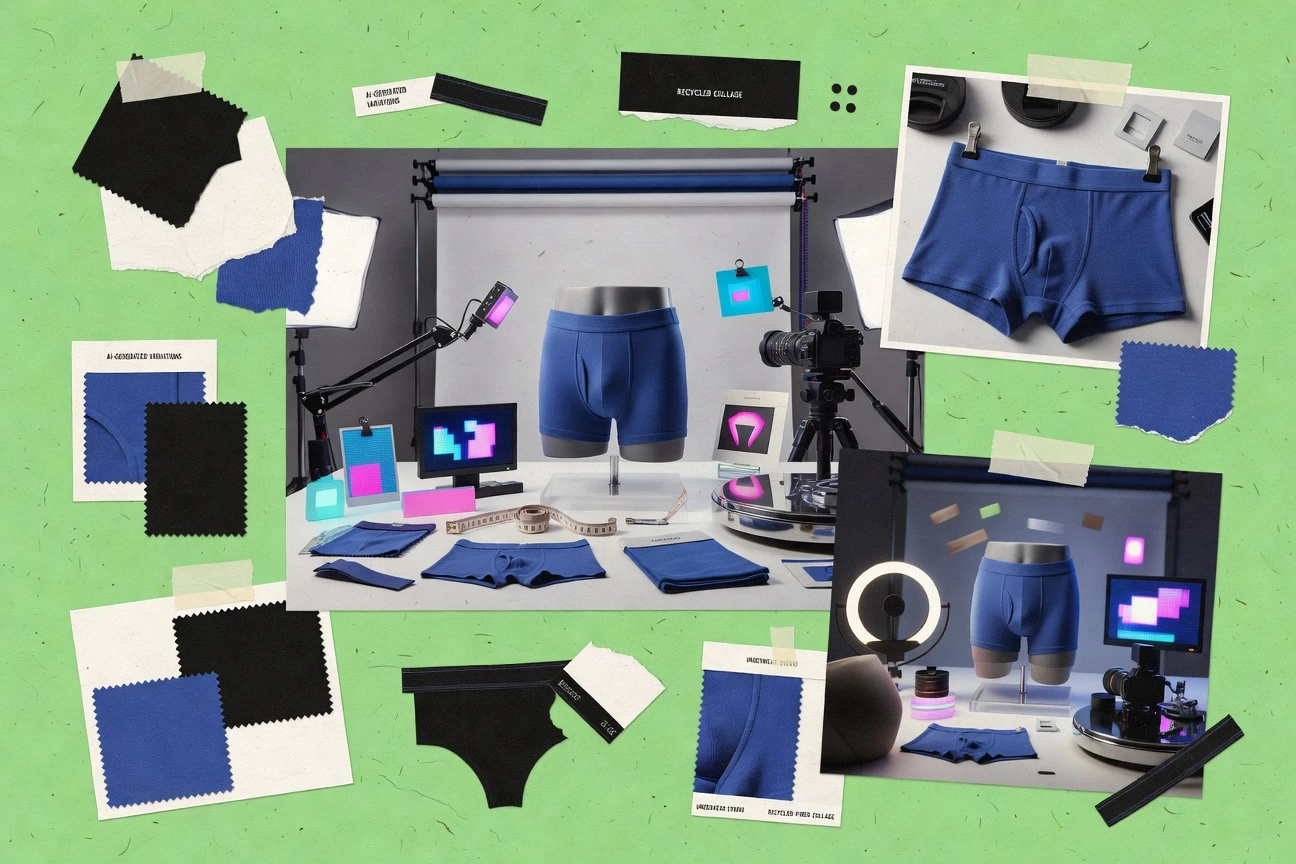
240 GSM cotton jersey holds an oversized tee shape better than 180 GSM jersey.
320 GSM French terry suits structured hoodies; brushed fleece adds warmth and bulk.
Plan For Production Variables
3–5% shrinkage is common in cotton after washing, so measurements need wash allowances.
100-piece style MOQ may require stock fabric or fewer custom colors; custom mills can raise minimums.
Test Decoration Compatibility

100% cotton gives screen prints a soft, reliable surface.
Nylon and performance blends need tested inks or transfers because heat, dye migration, and coating affect adhesion.
5. Customization and Decoration Options
At a 100-piece MOQ, the best custom details are those specified before sampling. Custom patterns, Pantone colorways, panels, trims, labels, and packaging must align with the garment’s construction and target cost.
| Method | Best Use | Effect | Cost Driver |
|---|---|---|---|
| Screen print | Bold graphics | Opaque, durable | Screens and colors |
| DTG | Detailed art | Soft color detail | Print area |
| Embroidery | Logos | Textured, premium | Stitch count |
| Heat transfer | Names, small runs | Crisp finish | Artwork setup |
| Puff ink | Streetwear graphics | Raised texture | Extra print pass |
| Appliqué | Varsity pieces | Layered dimension | Cutting and sewing |
Build Details Into The Pattern

Before fabric ordering, panel seams, appliqué placement, pockets, and all-over prints need pattern decisions. Washes also require shrinkage and shade-variation allowances before grading.
Choose Decoration By Garment

Screen printing suits repeat graphics; DTG favors detailed short runs. Embroidery, puff ink, heat transfers, and appliqué add dimension but can affect drape, setup time, or unit cost.
6. Construction Quality That Buyers Should Inspect
Construction quality becomes controllable when the approved sample, measurement chart, and inspection checklist define the same standard. In cut and sew clothing manufacturing, visual approval alone is insufficient.
Pattern And Grading
1 approved fit sample should confirm shoulder drop, body width, sleeve pitch, rise, and inseam before bulk cutting.
3 graded sizes should be measured against stated tolerances; inconsistent grade rules create size-run failures.
Stitches And Seams
8–12 stitches per inch suits many woven seams, while stretch garments need compatible stitch types and seam recovery.
2 high-stress areas—crotch and pocket openings—should receive bartacks or reinforcement where specified.
Fabric And Finishing

5–10% shrinkage can occur depending on fabric and wash, so test washed measurements before approving bulk.
1 collar test should check rib recovery, twisting, loose threads, shade variation, stains, and print placement.
Inspection Requirements
1 checklist should record measurement tolerances, allowable defects, packing details, and pass/fail criteria against the sealed sample.
100% final review is practical for visible defects; define acceptable defect tolerance before shipment.
7. Choosing a Cut and Sew Clothing Manufacturing Partner
A China supplier should be judged by documented development control, not catalog styling. For cut and sew clothing manufacturing, compare the same questions before approving samples or releasing a deposit.
| Question | Good Evidence | Risk Signal |
|---|---|---|
| Fabric sourcing | Swatches and mill details | Generic fabric names |
| Quality control | AQL plan and inspection photos | No defect standard |
| Capacity and lead time | Dated production schedule | Guaranteed dates without details |
Match Category Experience
3 recent, comparable styles reveal more than a broad product menu. Ask for construction photos, graded measurement sheets, and wash or decoration examples.
100-piece MOQ flexibility matters only when color, fabric, and trim limits are stated. Confirm how the factory handles reorders and size splits.
Test Development Communication
1 complete tech pack should receive a line-by-line response covering fabric, measurements, artwork, trims, and missing data.
7-14 days is a typical sampling discussion window, but request the actual calendar, revision process, and named contact.
Verify Production Controls
2 unannounced proof points beat polished photos: live video of the sample room and dated bulk inspection records.
OEKO-TEX, GOTS, WRAP, or BSCI may matter by market; verify certificates directly and ask which facility they cover.
8. Common Buyer Mistakes to Avoid
Most launch losses begin before cutting: an incomplete brief, an unapproved sample, or a price-only supplier choice. Lock measurable decisions before bulk production, especially at a 100-piece-per-style MOQ.
Specify The Garment
1 tech pack should state fabric GSM, Pantone, measurements, tolerances, construction, trims and artwork placement. Add reference photos; vague notes create inconsistent samples.
Approve Before Bulk
1 pre-production sample confirms fit, grading, shrinkage and decoration. Wash-test it, then approve it in writing before cutting.
Price The Full Program
3 quotes should compare fabric, print method, trims, packing and lead time—not unit price alone. Limit first drops to proven SKUs and define AQL, defect rules and measurement tolerances.
9. Steps to Launch a Cut-and-Sew Collection
A 100-piece first run works best when decisions are locked before bulk. Move from market position to shipment through documented approval gates.
Define The Product
Week 1: set customer, price, silhouettes, sketches, and a measurement-ready tech pack.
Two fabric options reveal GSM, shrinkage, hand feel, and cost before quotation.
Approve Development
Sample 1 tests fit, wash, print, trims, and marked measurement revisions.
One graded size chart plus Pantone labels, hangtags, care content, and packaging must precede pre-production approval.
Control Bulk Delivery
During bulk, inspect workmanship against the approved sample and AQL plan.
Before shipping, confirm quantities, carton counts, polybags, destination marks, packing list, and freight terms.
10. Cut and Sew Manufacturing Pricing and Costs
100-piece MOQ programs carry higher unit costs because pattern setup, sampling, markers and production changeovers are spread across fewer garments. Fabric weight, wash treatment, construction complexity, trims, print color count, embroidery stitches, labels, packaging and freight each change the quote.
2 approved references make pricing comparable: provide a tech pack or sample, fabric composition and GSM, Pantone colors, graded size ratio, decoration artwork, trim list, packaging and delivery destination. Sampling is a separate development cost; confirm it before bulk.
3 quantity tiers usually reduce unit cost, but extra colors, washes or custom hardware can lengthen the production window. Request quoted Incoterms and whether freight, duties and inspection are included.
| Order quantity | Unit-price direction | Typical lead-time implication |
|---|---|---|
| 100–299 pieces | Highest; setup spread thin | Sampling and confirmation dominate |
| 300–999 pieces | Lower; better fabric yield | More efficient bulk scheduling |
| 1,000+ pieces | Lowest relative unit cost | Allow time for materials and QC |
Start Your Cut and Sew Clothing Manufacturing Quote
Send your tech pack, sketches, reference garment or inspiration images for a custom development and production quotation from VeeWen.