
Clothing Manufacturing for Retailers, Built Around Your Collection
VeeWen delivers clothing manufacturing for retailers with OEM, ODM, private-label and cut-and-sew support from sampling through packed bulk goods.
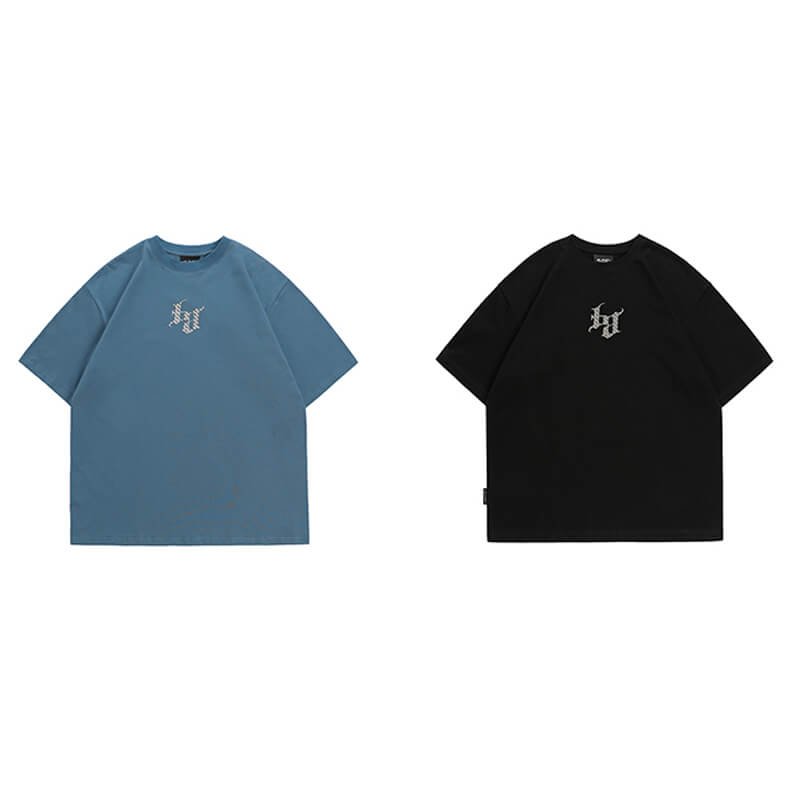
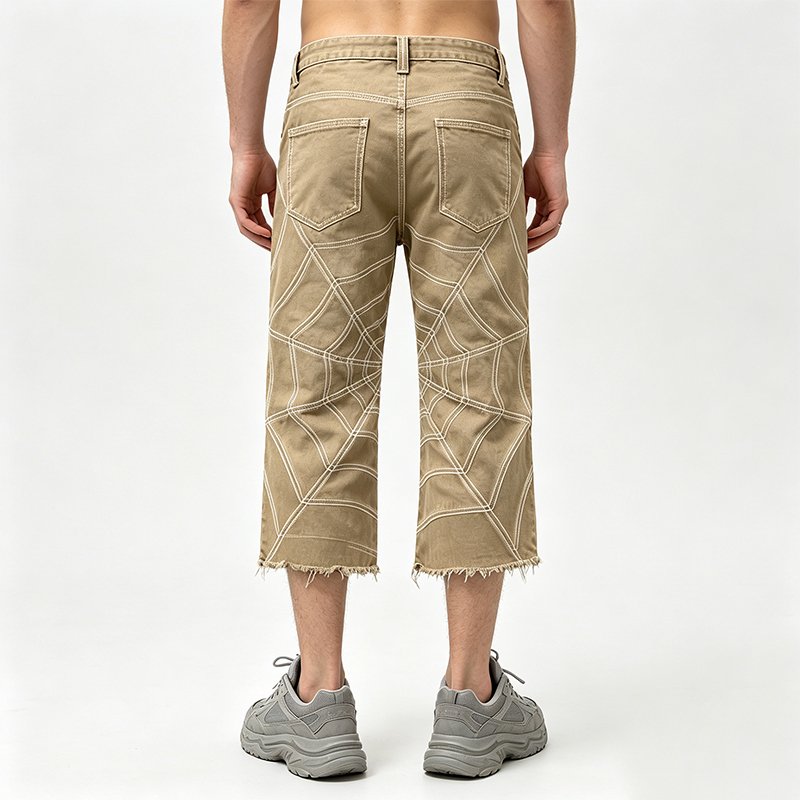
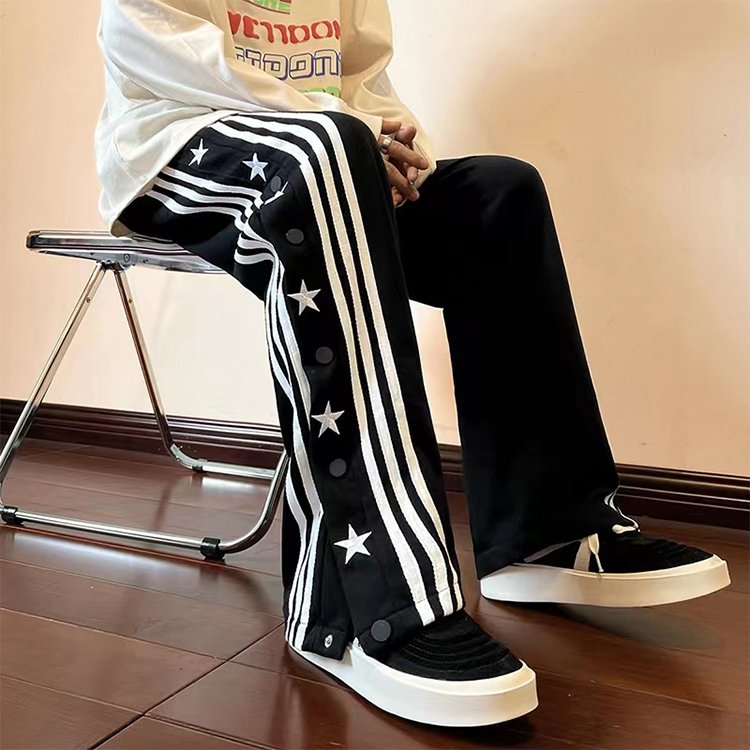
Featured Products for clothing manufacturing for retailers Development





Related Product Catalogue and Quotation





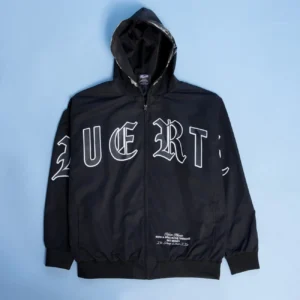


Clothing Manufacturing for Retailers, Built for Retail-Ready Production
VeeWen combines flexible order quantities, practical development guidance, and accountable execution in one production workflow.
100-Piece Style MOQ
Start focused drops at 100 pieces per style, then refine proven specifications for confident reorders without committing to oversized inventory.
Full-Category Development
Develop menswear and streetwear first, with flexible sourcing and construction support for complete men’s, women’s, and children’s apparel collections.
Production-Minded Advice
Get practical recommendations on fabric weight, wash effects, trims, and decoration choices so each design balances structure, cost, lead time, and wearability.
Approved Sample Checkpoints
Move into bulk only after fit, decoration, and pre-production samples are approved, supported by documented checkpoints and in-line quality inspection.
Private-Label Execution
Complete your retail presentation with labels, hangtags, packaging, custom trims, and branded hardware coordinated alongside cut-and-sew manufacturing in one workflow.
Explore Solutions for Retailers & E-commerce
Continue to every direct child page in this Studio architecture section.
Private Label Apparel for Retailers
Private label apparel manufacturer for retailers with 100-piece-per-style MOQs, tech-pack sampling, and packed bulk goods. Request a custom quote today.
Explore Category
Digital Retail Clothing Collections
Clothing collection manufacturer for digital retailers with 100-piece-per-style MOQ, private-label development and documented QC. Request a custom quote today.
Explore Category
Custom Packaging for Apparel Retail
Custom packaging for apparel retail with a 100-piece-per-style MOQ and private-label coordination from design through packed goods. Request a quote today.
Explore Category
Fast Reorder Apparel Production
Fast reorder apparel production with a 100-piece-per-style MOQ, approved specifications and dependable bulk continuity. Send your tech pack to request a quote.
Explore Category
Retail Apparel Assortment Development
Retail apparel assortment development with a 100-piece-per-style MOQ, from fabric and samples to private-label bulk production. Request a custom quote.
Explore CategoryMaterials Matched to Your Retail Collection
Cotton Jersey
Soft, breathable and versatile for T-shirts, polos and everyday basics. Weight can range from lightweight to heavyweight; higher GSM improves structure and opacity, while softer yarns create a smoother hand feel.

French Terry
A loop-backed cotton fabric suited to hoodies, sweatshirts and coordinated sets. Mid-to-heavy weights provide substance without excessive bulk, while the unbrushed interior offers breathable comfort for transitional seasons.

Rigid Denim
Durable denim for jeans, overshirts, trucker jackets and workwear-inspired pieces. Its firm hand builds a defined silhouette; wash treatments add character but can affect shrinkage, shade consistency and lead time.
Cotton Twill
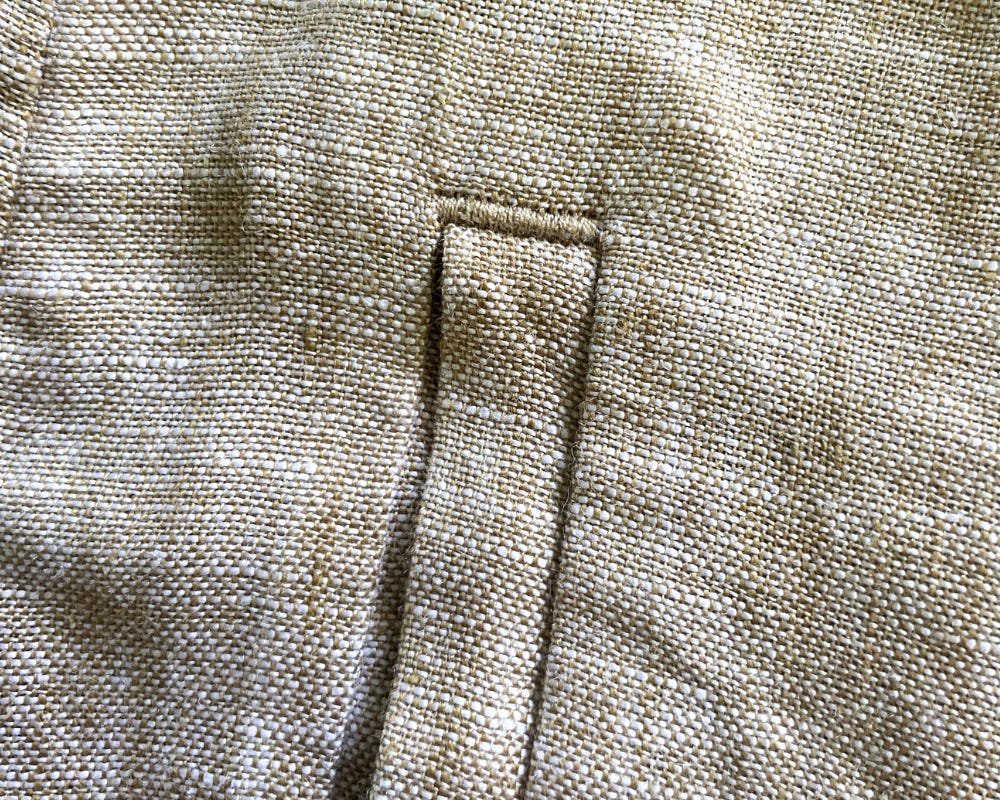
A structured woven fabric for cargos, chinos, uniforms and utility jackets. The diagonal weave improves durability and holds shape well; fabric weight determines whether the garment feels crisp, substantial or easier to layer.

Performance Blends
Polyester, nylon and stretch-blend fabrics support jerseys, activewear, windbreakers and technical outerwear. They offer quick-drying performance and movement; added elastane improves recovery but may require more controlled heat and print testing.
Clothing Manufacturing for Retailers, Built Around Your Visual Direction

Screen Printing
Screen printing delivers bold, consistent artwork on tees, hoodies and fleece. Water-based, plastisol, puff and high-density inks can be matched to the desired hand feel, opacity and raised visual effect.
Custom Embroidery
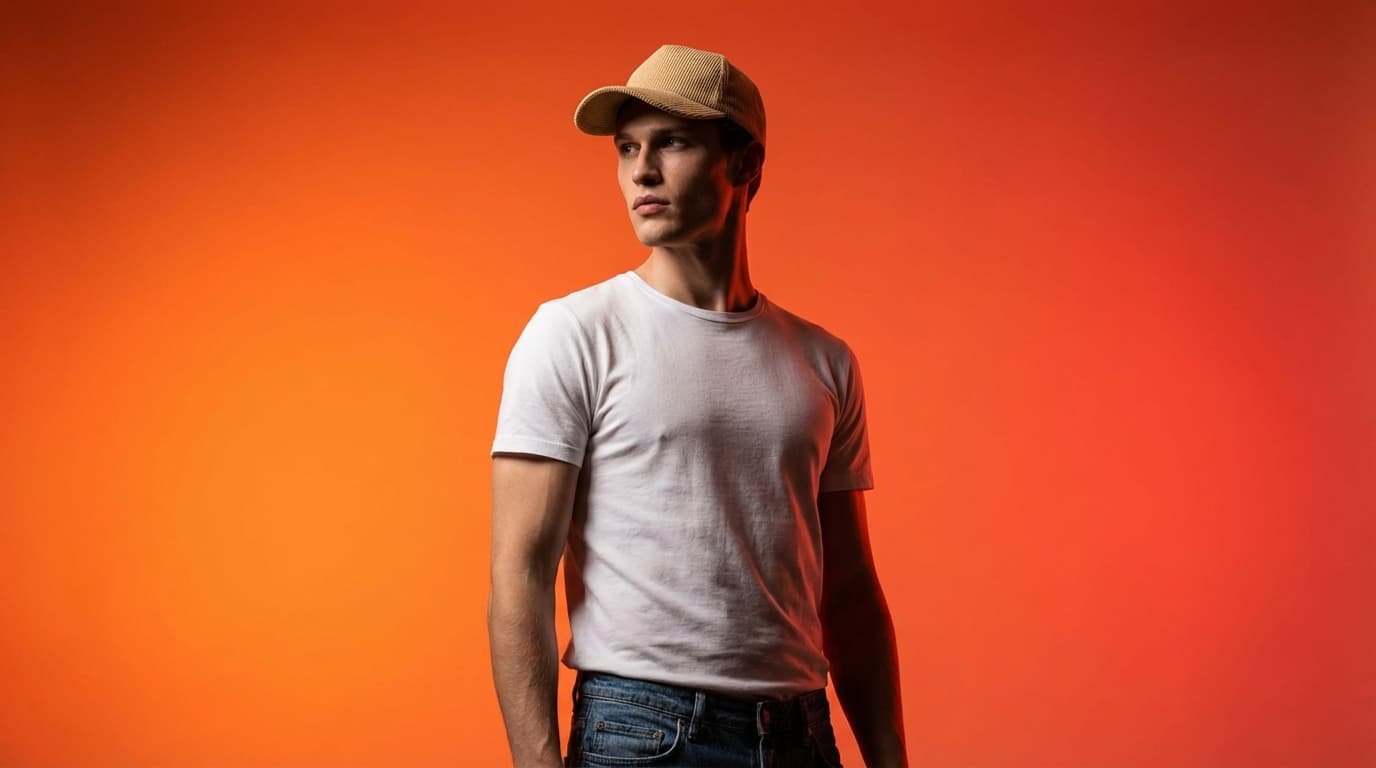
Flat, 3D and chenille embroidery add durable, premium dimension to caps, polos, jackets and sweats. Stitch density and placement are reviewed carefully because heavier embroidery can affect fabric drape and comfort.
Heat Transfers
DTF, heat transfers and reflective applications suit detailed graphics, short runs and precise placements. They create clean edges and strong color reproduction while giving retailers flexible options for performance fabrics and mixed-material garments.

Sublimation Printing
Sublimation fuses all-over color and artwork into compatible polyester fabrics without adding surface weight. It is well suited to jerseys, activewear and teamwear where breathable performance and vivid, long-lasting graphics matter.
Garment Washing
Enzyme, pigment, acid, stone and vintage washes build character into denim, tees and fleece. Samples confirm shrinkage, shade variation and final hand feel before bulk production, helping each retail drop stay intentional.
Retail-Ready Trims & Packaging for Clothing Manufacturing for Retailers
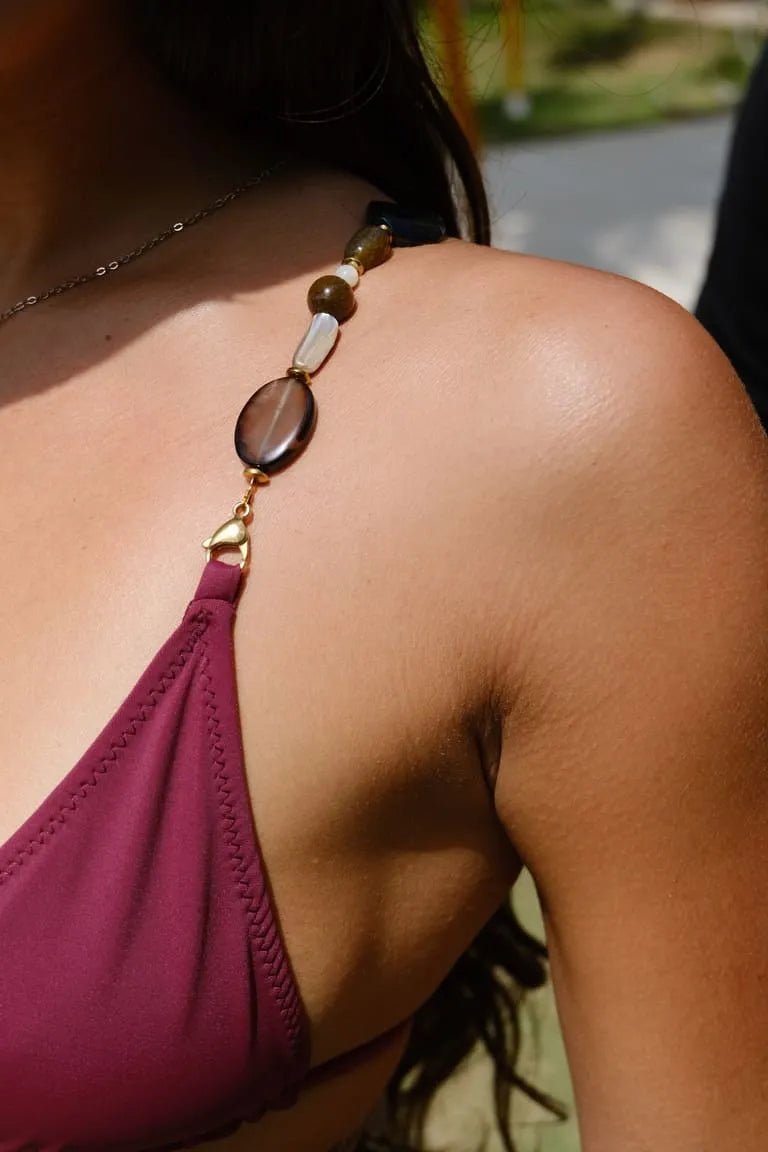
Woven Brand Labels
Custom woven main labels, size tabs and care labels establish consistent brand identification across T-shirts, hoodies, jackets and pants. We coordinate placement, fold style, color matching and attachment method during sample approval.

Custom Hangtags
Hangtags add retail-facing product information and a finished point-of-sale presentation. Choose your stock, shape, print treatment, string or pin attachment, then align artwork with garment size, price positioning and collection identity.
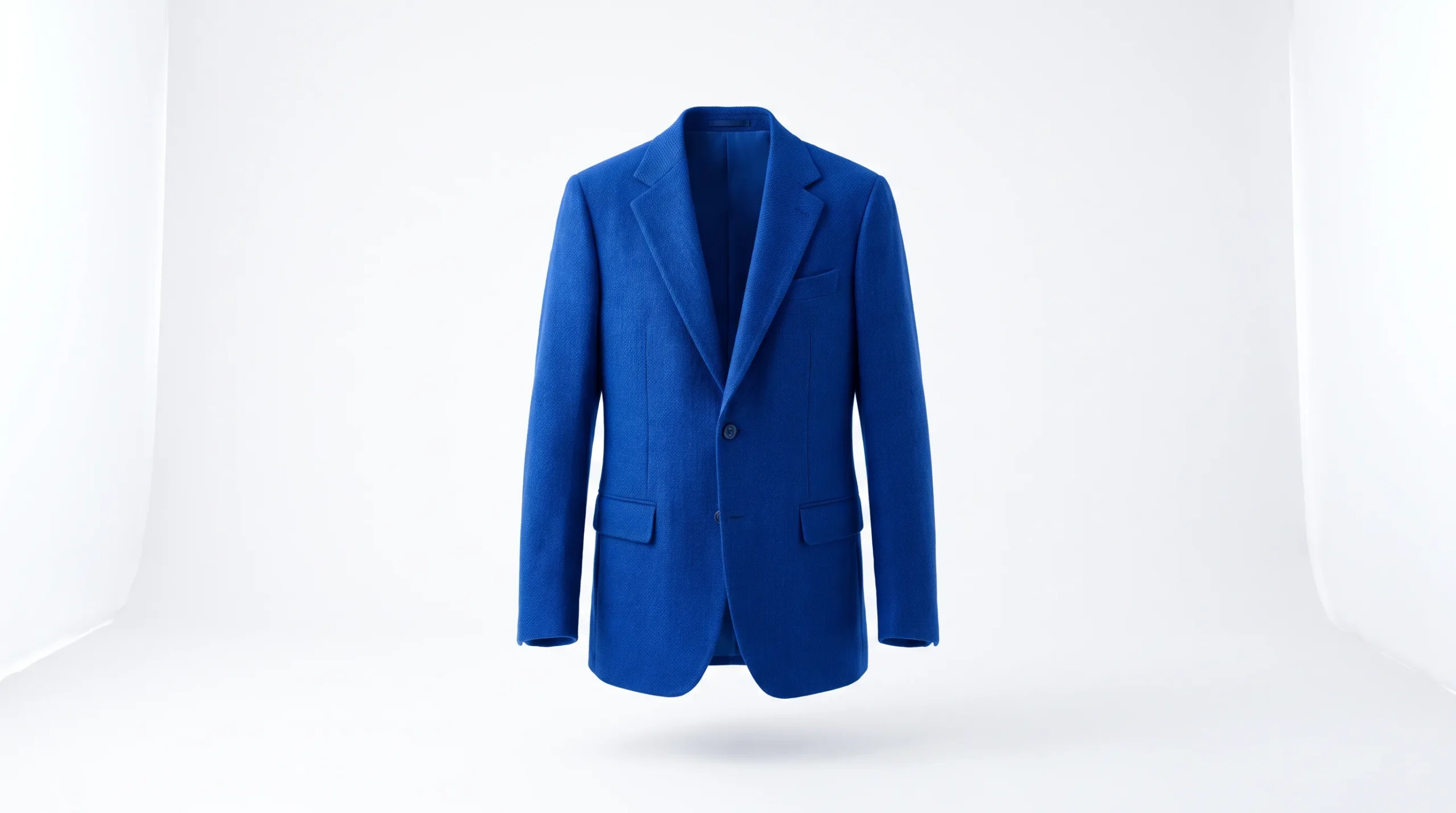
Zippers And Buttons
Select zipper pulls, snap buttons, metal hardware or custom buttons that suit the garment’s function and retail direction. Hardware choices are reviewed early because weight, finish and lead time can affect construction and production scheduling.
Drawcords And Tips
Custom drawcords, aglets and cord ends bring a controlled finish to hoodies, joggers and outerwear. Options can be matched to fabric weight, rib color and hardware direction while helping maintain a consistent streetwear silhouette.

Custom Logo Patches
Rubber, silicone, woven, embroidered and chenille patches create clear brand signatures on caps, outerwear, sweatshirts and bags. We test patch scale, placement and attachment method to protect drape, durability and visual balance.
Branded Retail Packaging
Complete the delivery with custom polybags, stickers, folding directions and packing details that support clean retail handling. Packaging specifications are confirmed alongside labels and hangtags to keep bulk goods consistent from factory to fulfillment.
About VeeWen
Founded in 2016 by ChangKeng Luo, Dongguan VeeWen Clothing Co., Ltd. helps global labels turn menswear and streetwear ideas into production-ready collections. We begin with your tech pack, sketch, reference sample, or concept and carry it through to packed bulk goods.
Our clothing manufacturing for retailers combines OEM, ODM, private-label, and cut-and-sew services in one practical workflow. Fabric sourcing, pattern development, sampling, fit review, decoration testing, bulk production, quality checks, labeling, and packaging are coordinated around the same approved specification.
VeeWen is built for direct, production-minded collaboration. With a standard 100-piece-per-style MOQ, we help emerging brands test focused drops while giving established buyers repeatable fit, material, trim, and finishing standards for future reorders.
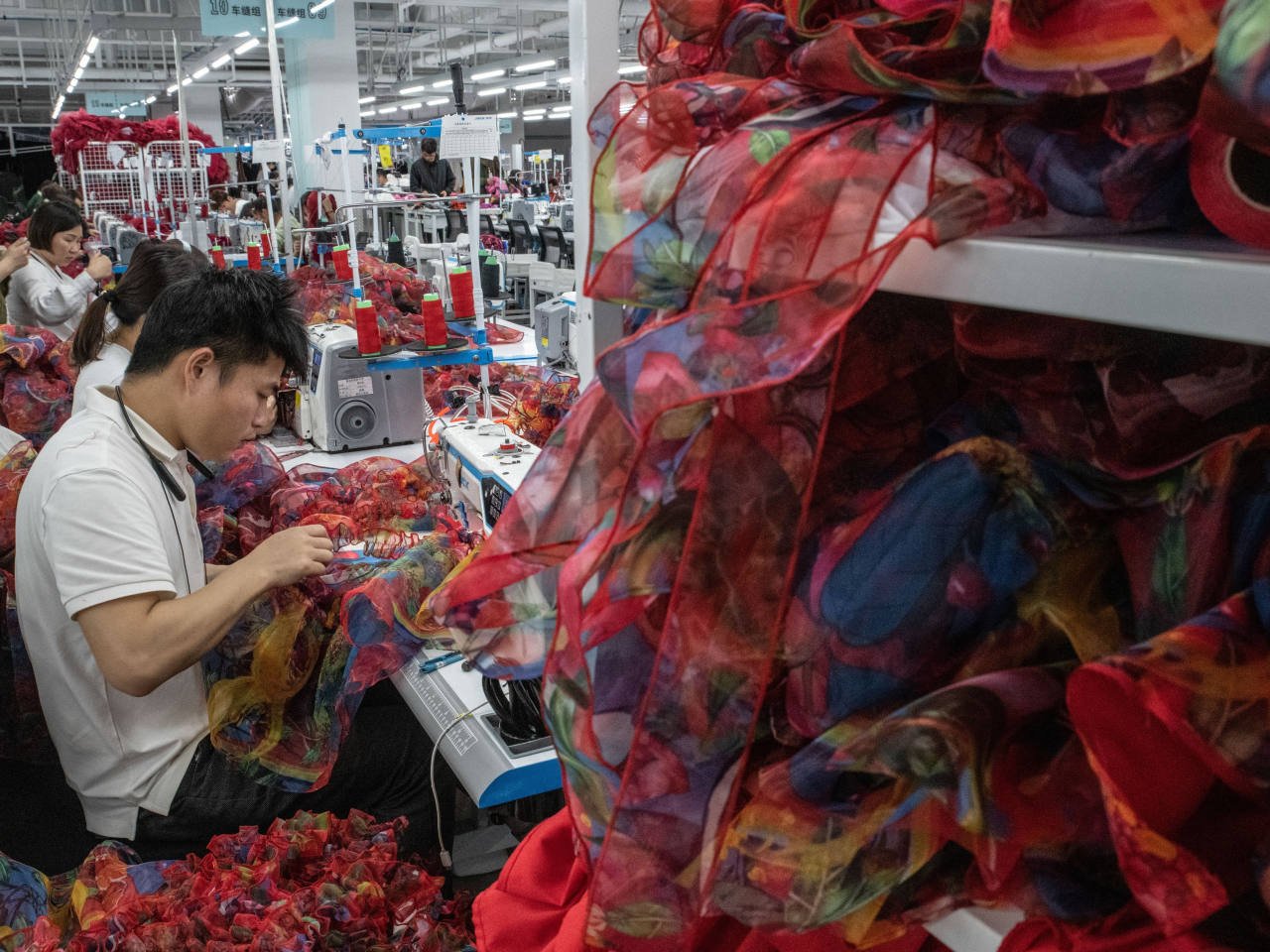
Clothing Manufacturing for Retailers, Made Repeatable
Development Built Around Fit
VeeWen turns tech packs, sketches, reference garments, or initial ideas into workable specifications for retailer collections. Our team clarifies fit blocks, graded measurements, shoulder drop, body width, rise, inseam, and construction details before sampling begins.
- Menswear and streetwear fit-block discussions
- Patterns developed for consistent size runs
- Sample review before bulk approval
- 100-piece-per-style MOQ for focused drops

Fabric Decisions With Context
Fabric selection is matched to the garment’s intended structure, hand feel, wash direction, target price, and end use. We source options across jersey, French terry, fleece, denim, twill, poplin, knits, and performance fabrics with clear production trade-offs.
- Weight and structure matched to silhouette
- Wash effects considered before bulk production
- Material options aligned with target pricing
- Full-category sourcing for complete collections

Decoration Tested Before Commitment
Print, embroidery, wash, and trim choices are tested during development so visual ideas translate reliably at scale. VeeWen explains practical effects on drape, shade variation, shrinkage, lead time, and garment performance before your pre-production sample is confirmed.
- Screen print, DTF, DTG, and heat transfers
- Flat, 3D, chenille, and applique embroidery
- Garment dye, enzyme, acid, and vintage washes
- Labels, patches, hardware, and packaging coordinated

Checkpoints That Support Reorders
For clothing manufacturing for retailers, repeatability depends on approved references and documented checks. VeeWen carries confirmed specifications through bulk production with in-line inspection, final quality checks, packing review, and shipment coordination for more dependable future reorders.
- Pre-production sample confirms bulk direction
- In-line checks identify issues early
- Final inspection before packed goods release
- Private-label packing details kept consistent

Why Retail Buyers Choose VeeWen for Clothing Manufacturing for Retailers
A production-minded partner for clear specifications, approved samples, and repeatable retail orders.
← Swipe left or right to view →
Clothing Manufacturing for Retailers, Step by Step
A documented workflow that turns your approved direction into retail-ready bulk goods with clear checkpoints from development through shipment.
Clarify Your Product Brief
Share a tech pack, sketch, reference sample, or concept. We confirm fit block, construction, target price, quantity, decoration, and private-label requirements.
Source Materials and Trims
We recommend fabrics, weights, colors, washes, labels, and hardware matched to your intended hand feel, structure, performance needs, and retail positioning.
Develop Patterns and Samples
Our team develops patterns and samples, then reviews fit, graded measurements, shrinkage, decoration placement, and construction details before production specifications are finalized.
Approve Pre-Production Details
Confirm the approved sample, artwork, trims, labels, packaging, and production specifications. This checkpoint aligns every bulk requirement before cutting begins.
Manufacture and Inspect Bulk
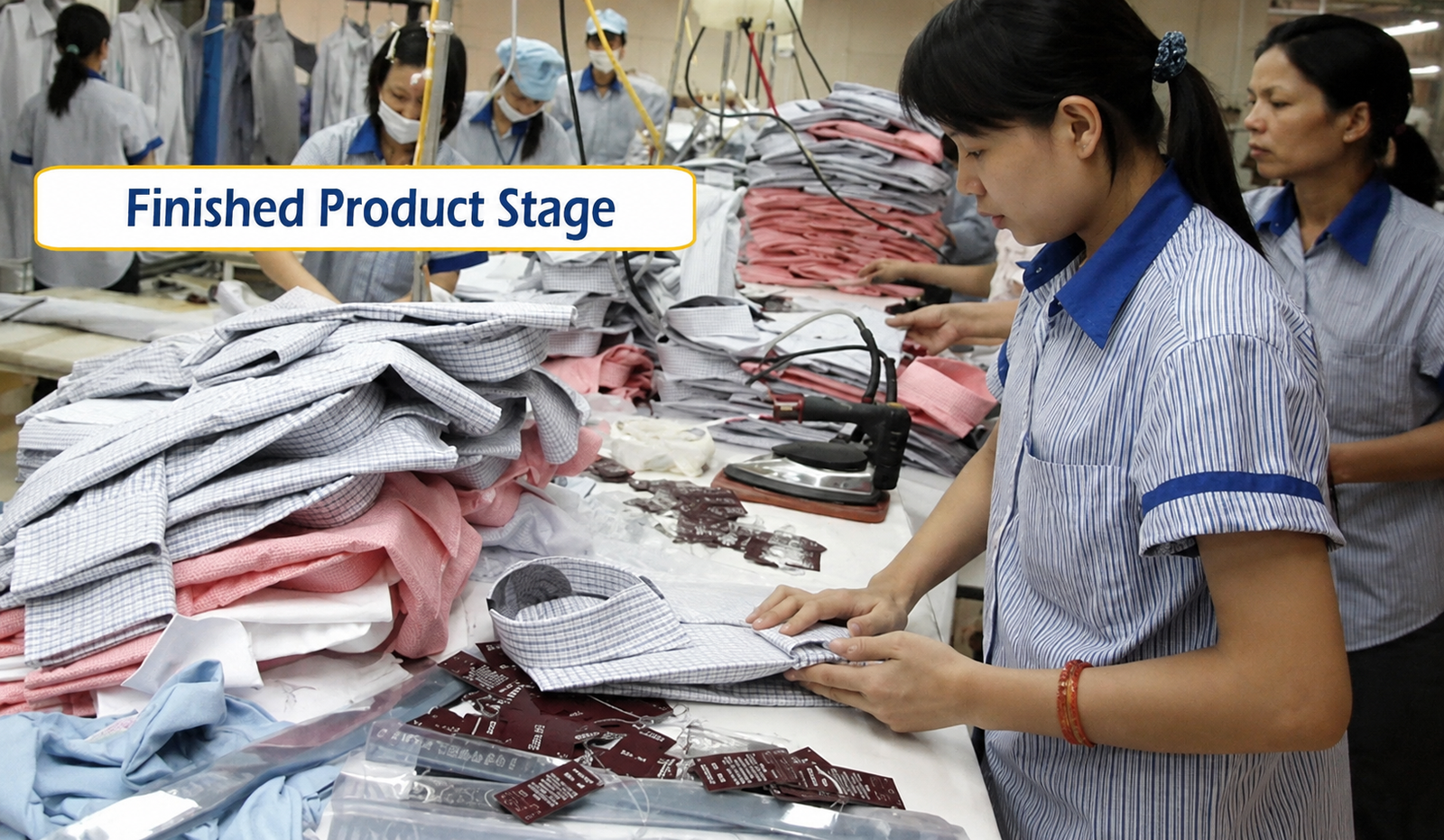
We coordinate cutting, sewing, decoration, washing, and in-line inspection. Final quality checks verify workmanship, measurements, appearance, and packing readiness across your order.
Pack and Coordinate Shipment
Finished goods are packed with your selected labels, hangtags, polybags, and carton details. We coordinate shipment preparation and communicate the final handoff clearly.
How Clothing Manufacturing for Retailers Starts
Move from product direction to retail-ready bulk goods through a clear, sample-led workflow built for 100-piece-per-style programs.
Send Your Product Direction
Share a tech pack, sketches, reference samples, inspiration images, or an initial idea. We clarify fit, materials, decoration, labeling, and target quantities.
Review Development and Pricing
Receive practical recommendations on fabric weight, construction, washes, trims, and production trade-offs, followed by a quotation aligned with your retailer program requirements.
Approve Your Production Sample
Review samples for fit, measurements, hand feel, artwork, and finishing. Confirm specifications before bulk production so the approved sample becomes the working production reference.
Launch Controlled Bulk Production
VeeWen coordinates bulk manufacturing, in-line inspections, final quality checks, private-label packing, and shipment preparation, keeping your collection documented and ready for retail delivery.
Documented Standards for Buyer Review

Applicable material certificates and scope documents can be reviewed against the selected fabric and production order.

GOTS-related material and chain documentation is matched to the selected program and verified for current scope before use.

Current social-compliance audit documentation can be supplied for buyer review and onboarding when applicable.
Responsible-sourcing and audit records can be reviewed with the VeeWen team for the relevant factory and order scope.

Order-specific material declarations and test documentation are reviewed for applicable REACH requirements; this neutral icon denotes documentation rather than an official REACH certification logo.
Clothing Manufacturing for Retailers: Client Feedback & Production Case Studies
Approved buyer testimonial pending: document the number of sampling revisions reduced, the final approved specifications, and the outcome of the first retail launch before publishing this client feedback.
Approved buyer case study pending: confirm the reorder quantity, measurement consistency across the size run, and any quality-check outcome that can be supported by production records.
Approved buyer testimonial pending: verify the number of launch styles, private-label details completed, and the delivery or replenishment result before this customer quote is published.
Clothing Manufacturing for Retailers FAQ
Practical guidance on MOQ, sampling, production planning, customization, shipping and protected product development with VeeWen.
What is the minimum order for clothing manufacturing for retailers?
Can I order samples before starting clothing manufacturing for retailers?
How long does clothing manufacturing for retailers usually take?
Can VeeWen manufacture custom menswear and streetwear for my brand?
What payment terms apply to a custom apparel order?
Do you arrange international shipping for retail orders?
How do you protect my designs and product information?
Can you handle labels, hangtags and retail-ready packaging?
Complete Guide to Clothing Manufacturing for Retailers
Use this practical framework to compare production models, fabrics, customization, quality controls, supplier credentials, and costs—so you can select a dependable China manufacturing partner and avoid expensive sourcing mistakes.
1. Clothing Manufacturing for Retailers Explained
100-piece MOQ is the practical threshold at which clothing manufacturing for retailers can turn a retail concept into repeatable, sellable inventory. The manufacturer converts approved specifications into graded patterns, sourced materials, samples, bulk production, inspection, and packed goods.
OEM means the buyer supplies the design and specifications; ODM begins with the manufacturer’s adaptable product base or development input. Private-label adds the buyer’s labels, hangtags, packaging, and branding, while wholesale-ready goods are pre-developed styles bought with limited changes.
2016-founded VeeWen can start from a tech pack, sketch, reference sample, or idea, then clarify fabric, fit, decoration, and measurements before bulk approval. The essential test is whether every decision is documented well enough to reproduce the garment across sizes and reorders.
2. Evolution of Retail Clothing Production
Before the 1970s, retailers commonly relied on local cut-and-sew workshops, where proximity simplified fit corrections but limited scale and fabric choice. Standardized mass production then lowered unit costs by concentrating machinery, labor, and repeatable patterns.
By the 1990s, globalized sourcing gave retailers access to specialized fabric mills, trim suppliers, and regional factories, but added approval and logistics handoffs. Tech packs, Pantone references, graded measurements, and pre-production samples became essential traceability tools.
Since the 2010s, digital pattern review, photo samples, and 100-piece private-label runs have made focused launches more practical. E-commerce now rewards manufacturers that can document specifications, customize trims, and replenish proven styles quickly without weakening fit or quality control.
3. Types of Clothing Manufacturing for Retailers
Five sourcing routes trade design control against cash, speed, and margin. For clothing manufacturing for retailers, choose the route matching demand proof and specification maturity.
| Route | Design Control | Development | MOQ | Speed | Best Fit |
|---|---|---|---|---|---|
| OEM cut-and-sew | Highest | Highest | 100+ | Slowest | Established brands |
| ODM customization | Moderate | Light | 100+ | Fast | New labels |
| Private label | Moderate | Light | 100+ | Fast | Retailers |
| Full-package | High | Managed | 100+ | Medium | Scaling brands |
| Stock/wholesale | Lowest | None | Case packs | Fastest | Test sellers |
New Labels
100-piece ODM or private-label runs reduce sampling expense. One approved base block accelerates launch.
Established Retailers
100-piece OEM programs protect fit and proprietary details. One sealed pre-production sample anchors repeat orders.
Margin And Risk
Two or more custom operations raise margin potential and development risk. One stock program trades differentiation for speed.
4. Clothing Manufacturing for Retailers: Fabric Selection
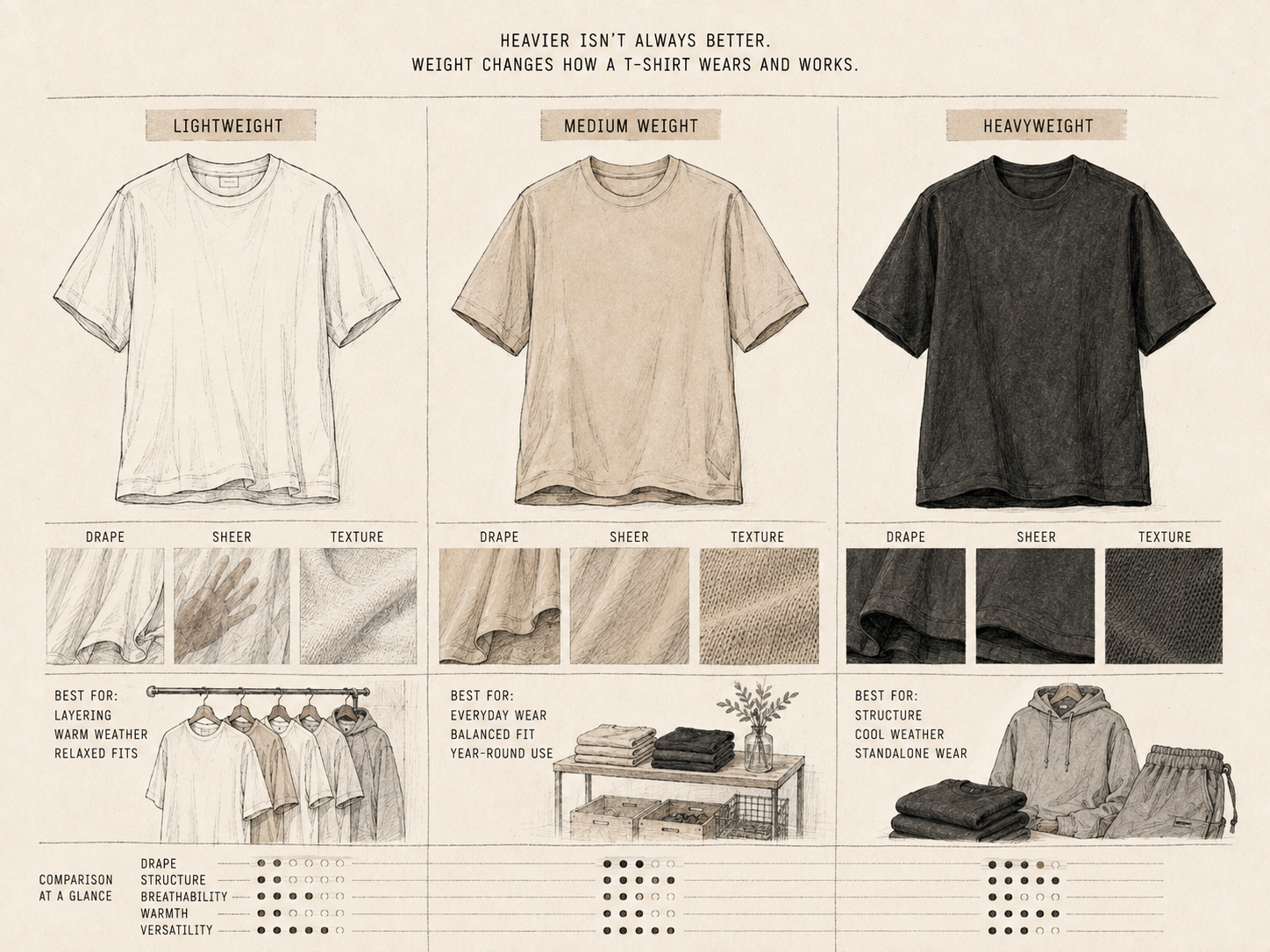
180–260 GSM jersey signals a premium tee; 320–450 GSM fleece adds structure and warmth. For clothing manufacturing for retailers, lock fiber content, GSM, color standard, and shrinkage tolerance before sampling.
| Fabric | Typical GSM | Best Garment | Buyer Trade-Off |
|---|---|---|---|
| Cotton jersey | 180–260 | T-shirts | Soft; may shrink |
| French terry/fleece | 320–450 | Hoodies | Structured; higher cost |
| Cotton twill | 240–320 | Cargos | Durable; less stretch |
| Denim | 300–420 | Jeans | Hardwearing; wash variation |
| Polyester performance | 140–220 | Jerseys | Quick-dry; print testing |
Positioning And Hand Feel

100% cotton offers breathable comfort and strong print results, but wash shrinkage needs approval. Cotton-poly blends reduce cost and improve shape retention.
Durability And Reorders
Twill and denim suit cargos, overshirts, and jeans; performance polyester suits jerseys and outerwear. Keep mill, dye lot, finish, and approved swatch documented for consistent reorders.
Decoration Compatibility

Water-based ink favors cotton; polyester needs low-bleed inks or transfers. Dense embroidery can pull lightweight jersey, while fleece supports patches and applique.
5. Customization and Private-Label Options
At VeeWen’s 100-piece per-style MOQ, lock fit blocks, grade rules, Pantone colors, fabric, labels, hangtags, and packing before sampling. Supply artwork and placement measurements early.
| Method | Setup | Minimum | Finish | Durability | Best For |
|---|---|---|---|---|---|
| Screen Print | Medium | 100 | Opaque | High | Tees |
| DTG | Low | 100 | Detailed | Medium | Cotton |
| Heat Transfer | Low | 100 | Sharp | Medium | Jerseys |
Fit And Materials
At development, specify chest width, shoulder drop, length, sleeve pitch, and tolerances by size. Source fabric by GSM, composition, hand feel, wash, and shrinkage target.
Branding And Decoration
Before sampling, send vector artwork, print dimensions, placement from HPS, thread colors, and patch construction. Embroidery, screen printing, DTG, heat transfer, and patches require garment-specific testing.
6. Construction Standards That Protect Retail Quality
Retail durability is decided before bulk cutting: seam type, stitch density, reinforcement, rib recovery and trim security must match the garment’s intended use. Put measurable acceptance criteria into every approval document.
Specify The Stitch Map
8–10 stitches per inch suits many knit seams; stress points need bartacks or twin-needle reinforcement. Request seam type, SPI, thread color and placement in the tech pack.
Lock Measurements And Wash Results
±1 cm is a practical tolerance for many key garment points, with larger allowances only where stated. Approve a washed pre-production sample showing shrinkage, shade variation and rib recovery.
Inspect Trims Before Release
100% final inspection should check label placement, loose threads, zipper function, colorfastness and packing. Include pull-test expectations, measurement points and defect limits in the QC checklist.
7. Choosing Clothing Manufacturing for Retailers
100-piece MOQs can suit a focused retail drop, but capability matters more than a low entry point. Compare suppliers against evidence, not email assurances.
| Check | Evidence | Question |
|---|---|---|
| MOQ | Style breakdown | Can colors split? |
| Sampling | Fit photos | Who signs off? |
| Quality | Inspection workflow | What happens on failure? |
Verify Production Fit
Three questions expose category depth: Which comparable styles have you sampled, what is your monthly capacity, and what is the realistic sample-to-bulk timeline?
Two requests matter: dated factory photos and reference samples showing stitching, wash, print, and grading quality.
Document Commercial Controls
Two checkpoints should be documented: in-line inspection and final AQL-based review. Request test reports, compliance documents, export destinations, customer case studies, and written payment terms.
One practical question reveals communication quality: Who approves changes, and how are delays or defects reported?
8. Common Retail Sourcing Mistakes to Avoid
A 100-piece first run exposes specification gaps quickly. The costliest retail errors are preventable when approvals, allowances, logistics, inspections, and ownership are documented before bulk cutting.
Price Before Product
1 low quote can omit fabric weight, trims, wash testing, or packing, causing costly substitutions. Compare like-for-like specifications, not unit price alone.
Approval And Specification Gaps
1 unapproved sample or vague tech pack invites fit drift and incorrect construction. Approve a sealed sample, graded measurements, stitch details, and tolerances before production.
2 mm tolerance decisions matter on neck widths, inseams, and print placement. Record acceptable variation and Pantone references; screens cannot confirm bulk color.
Logistics, Checks, And Assets
100 pieces per style may not cover freight, duties, carton minimums, or split-color demand. Cost landed freight early and confirm MOQ by style, color, and size.
1 skipped in-line check can multiply defects across the run. Use inspection checkpoints and protect artwork, patterns, labels, and files with access controls and written ownership terms.
9. Launching a Retail Apparel Line Step by Step
A focused first drop of 2–4 styles is easier to cost, fit-test, and replenish than a broad range. Set the customer, target retail price, launch date, and 100-piece-per-style commitment before development begins.
Define The Commercial Brief
Two price points per style—target retail and target ex-factory—keep design decisions commercial. Deliver sketches, size range, color count, required margin, and planned sales channel.
One decision gate: proceed only when the price architecture supports freight, duty, content, and returns.
Build Production Specifications
One tech pack should state graded measurements, fabric composition and GSM, Pantone colors, artwork placement, trims, labels, and packaging. A reference image alone cannot control fit or construction.
100% of open points should be closed in a production-ready specification before bulk approval.
Approve Samples And Bulk
One fit sample confirms the block; a revised sample confirms corrections; the pre-production sample becomes the bulk benchmark. Record measurements, shrinkage, wash shade, print, embroidery, and trim approvals.
During bulk, use in-line checks and final inspection before packed goods release. Plan reorder triggers from sell-through and available fabric lead time.
10. Clothing Manufacturing for Retailers: Pricing and Costs
100-piece orders carry the highest unit cost because pattern setup, cutting, and print screens are spread across fewer garments. A 280 GSM French-terry hoodie with two-color screen print costs more than a basic ring-spun jersey tee; washes, embroidery, custom hardware, polybags, and compressed lead times add further cost.
3x retail markup is a useful starting check: target landed cost at or below roughly one-third of the planned retail price, then add freight, duty, payment fees, and returns allowance. Confirm fabric, decoration, packaging, and approved sample specifications before comparing quotations.
| Illustrative estimate | 100 pcs | 300 pcs | 500 pcs |
|---|---|---|---|
| Basic 220 GSM tee, 1-color print | US$8–12 | US$6–9 | US$5–8 |
| 280 GSM hoodie, 2-color print | US$22–32 | US$18–27 | US$16–24 |
| Cost drivers | setup highest | better fabric yield | lowest unit setup share |
Start Clothing Manufacturing for Retailers With VeeWen
Send your tech pack, sketches, references, or product idea for a production-minded quote and a clear path to sampling.