
Retail Apparel Assortment Development, Ready From 100 Pieces
Turn menswear and streetwear concepts into quotable OEM, ODM and private-label collections with retail apparel assortment development from sampling to packed bulk goods.
Featured Products for retail apparel assortment development Development


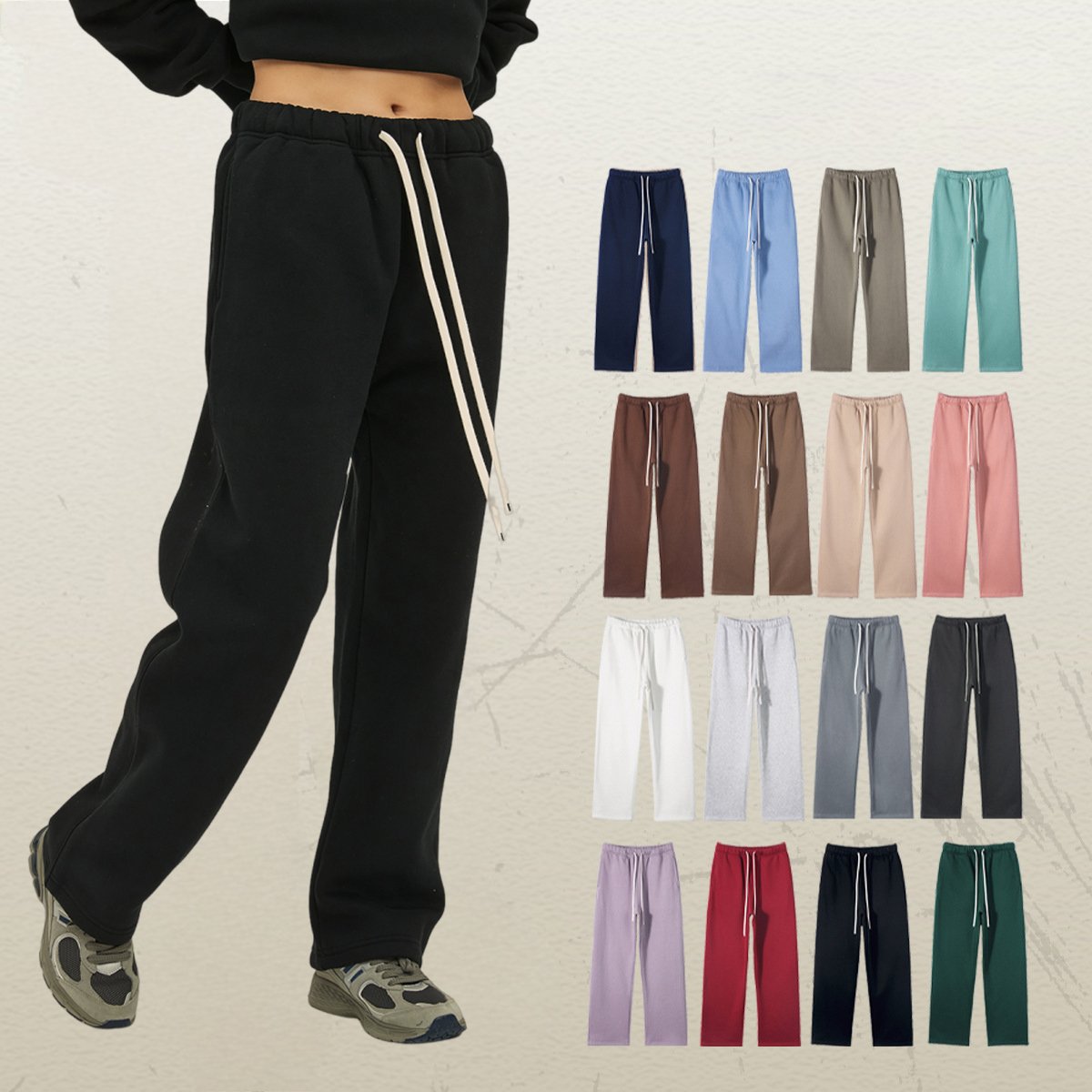


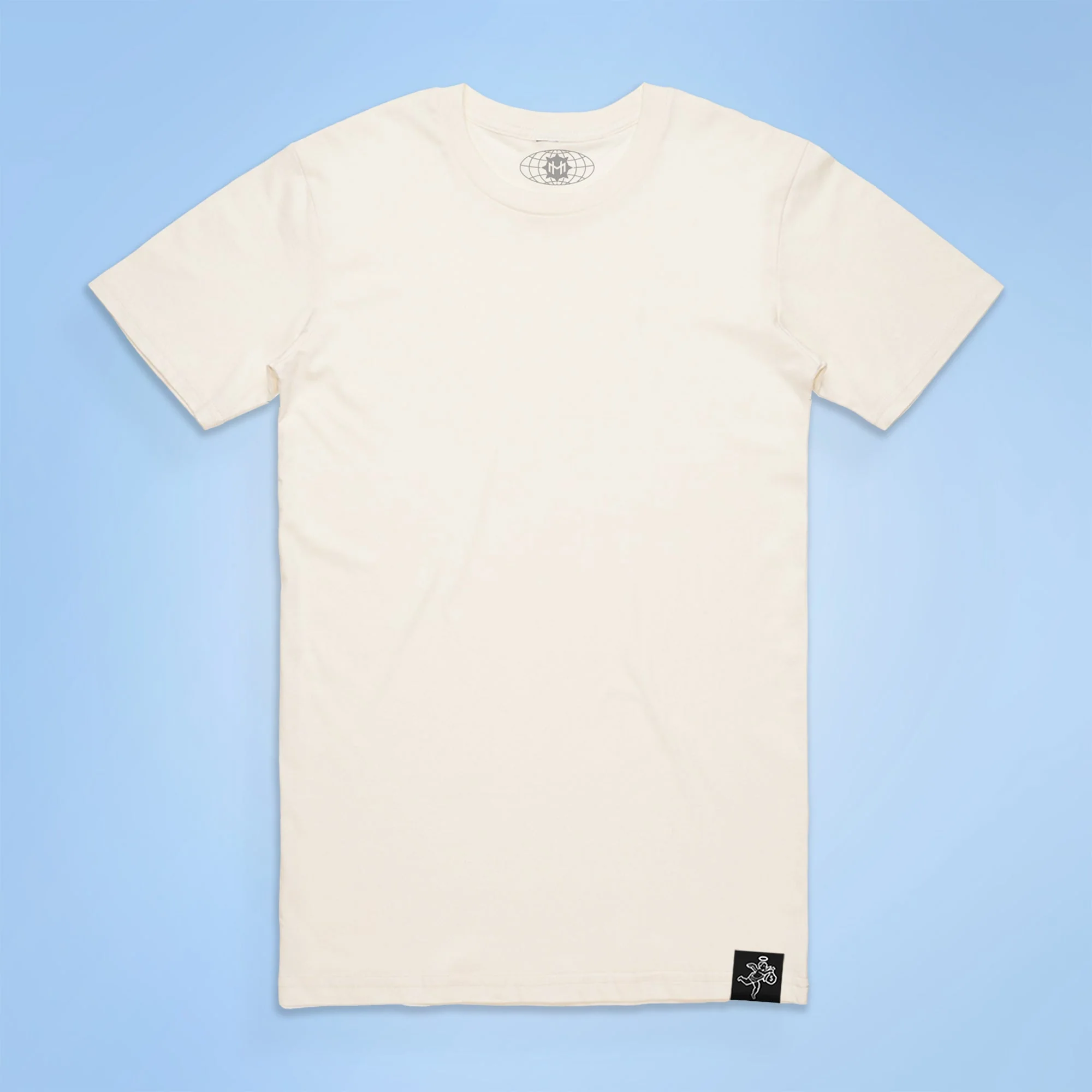
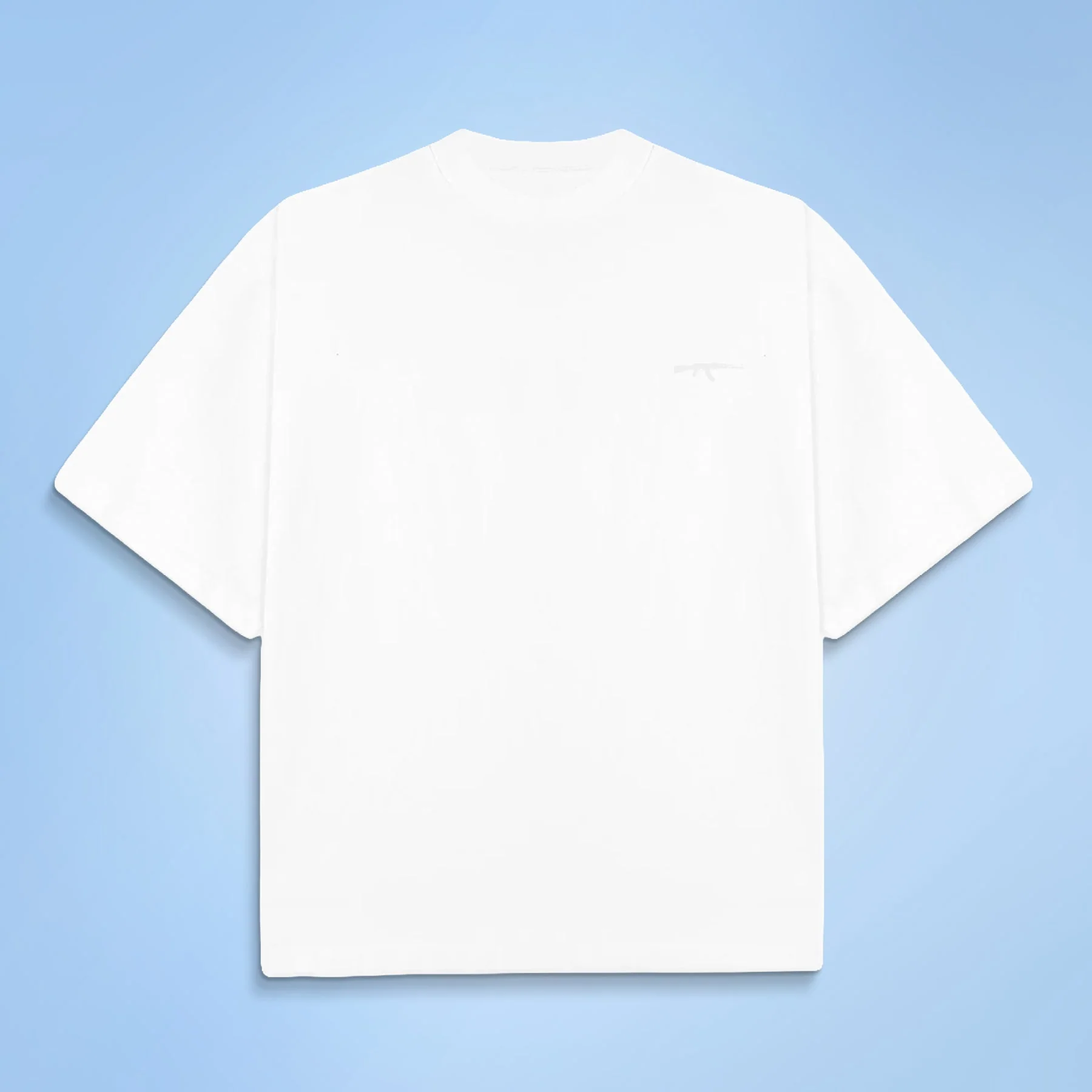


Related Product Catalogue and Quotation
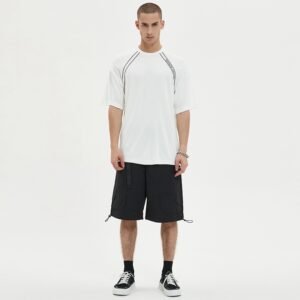

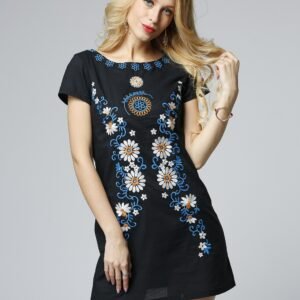





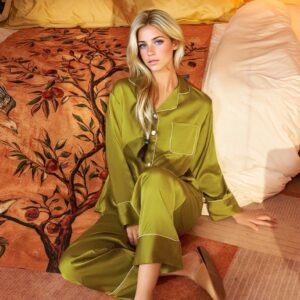


Retail Apparel Assortment Development Built for Reorders
Focused development support for brands that need clear approvals, practical production decisions, and dependable collection consistency.
100-Piece MOQ Flexibility
Launch focused drops with VeeWen’s standard 100-piece-per-style MOQ, then refine approved specifications for confident, consistent repeat orders.
Production-Minded Development
Translate tech packs, sketches, or references into practical fit blocks, fabric choices, decoration tests, and production-ready garment specifications.
Documented Approvals
Approved samples, pre-production confirmation, and quality checkpoints document each decision before bulk manufacturing, helping reduce costly surprises across the order.
One Accountable Workflow
Coordinate sourcing, patterns, sampling, bulk production, inspections, private-label packaging, and shipment planning through one accountable manufacturing partner in China.
Category-Specific Expertise
Develop menswear and streetwear alongside complete apparel programs, using category-specific guidance on weight, washes, trims, grading, and construction.
More Retail Apparel Assortment Development Options and Guides
Compare adjacent product categories, manufacturing options and practical buyer resources from the VeeWen architecture.
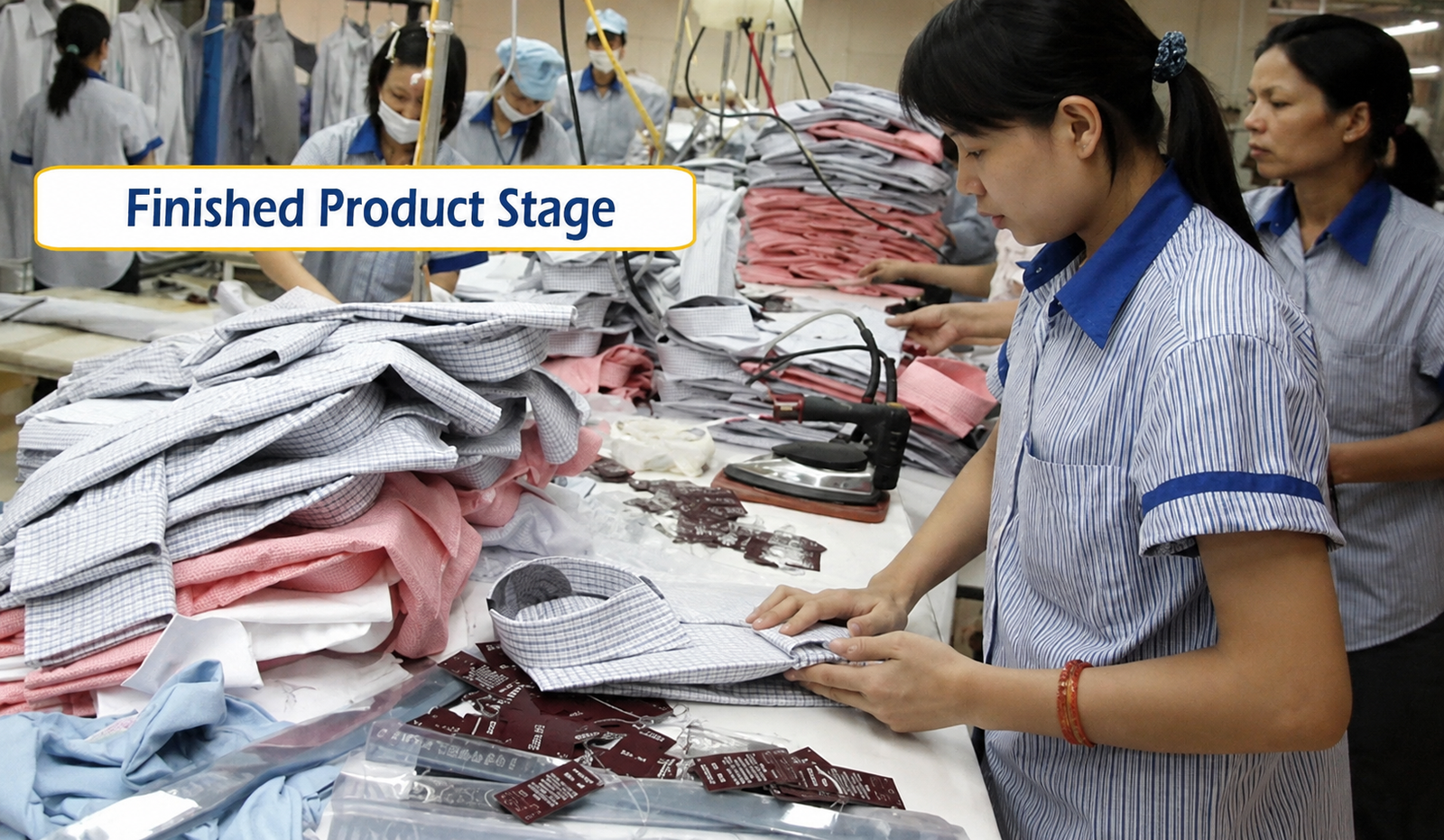
Solutions for Retailers & E-commerce
Clothing manufacturing for retailers from 100 pieces per style, with OEM, private-label and cut-and-sew support. Request a custom quote for your next collection.
Explore Category
Fast Reorder Apparel Production
Fast reorder apparel production with a 100-piece-per-style MOQ, approved specifications and dependable bulk continuity. Send your tech pack to request a quote.
Explore CategoryPrivate Label Apparel for Retailers
Private label apparel manufacturer for retailers with 100-piece-per-style MOQs, tech-pack sampling, and packed bulk goods. Request a custom quote today.
Explore Category
Digital Retail Clothing Collections
Clothing collection manufacturer for digital retailers with 100-piece-per-style MOQ, private-label development and documented QC. Request a custom quote today.
Explore CategoryCustom Packaging for Apparel Retail
Custom packaging for apparel retail with a 100-piece-per-style MOQ and private-label coordination from design through packed goods. Request a quote today.
Explore Category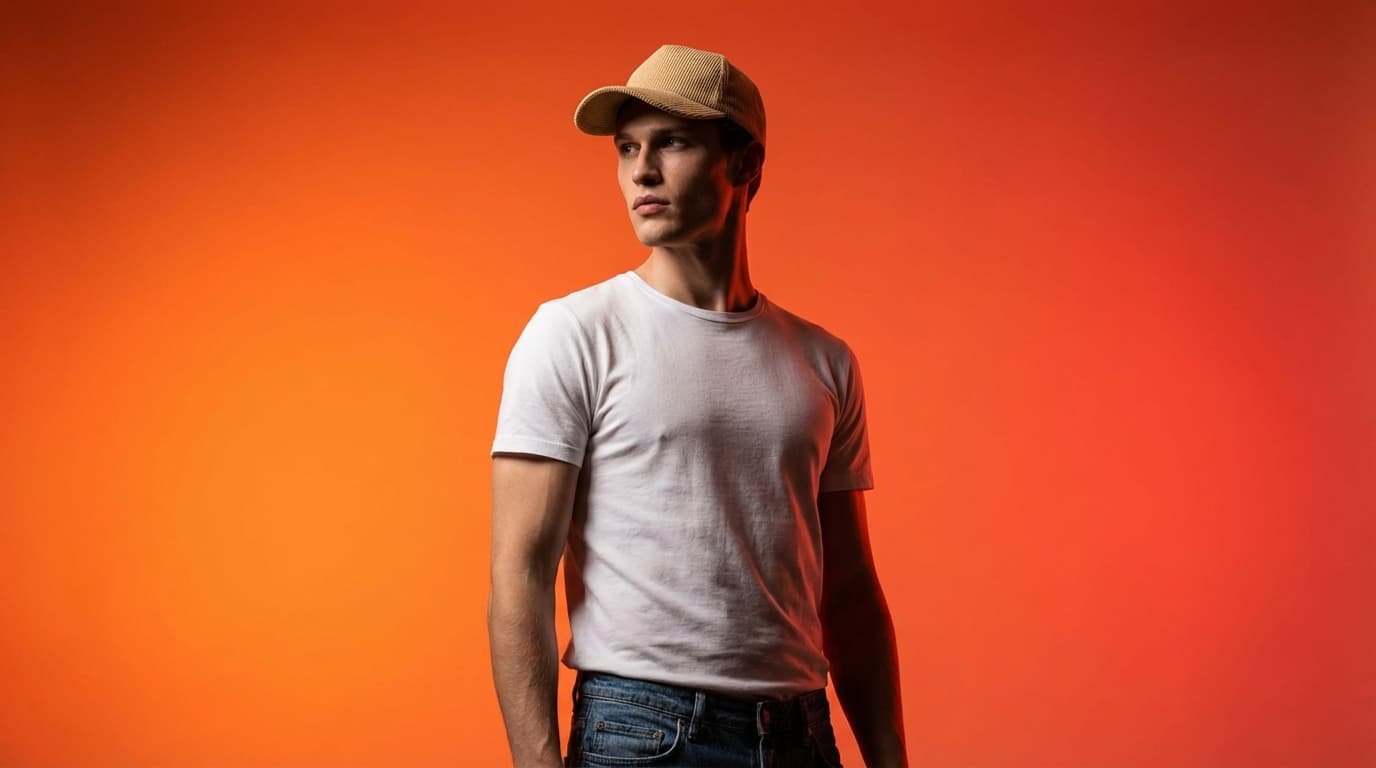
Custom Clothing Manufacturing
Custom clothing manufacturing from 100 pieces per style, with OEM, ODM, sampling and private-label finishing. Send your tech pack to request a quote.
Explore Category
Apparel Manufacturing Capabilities
Apparel manufacturing capabilities for OEM, ODM and private-label collections from 100 pieces per style, from sampling to packed bulk goods. Request a quote.
Explore Category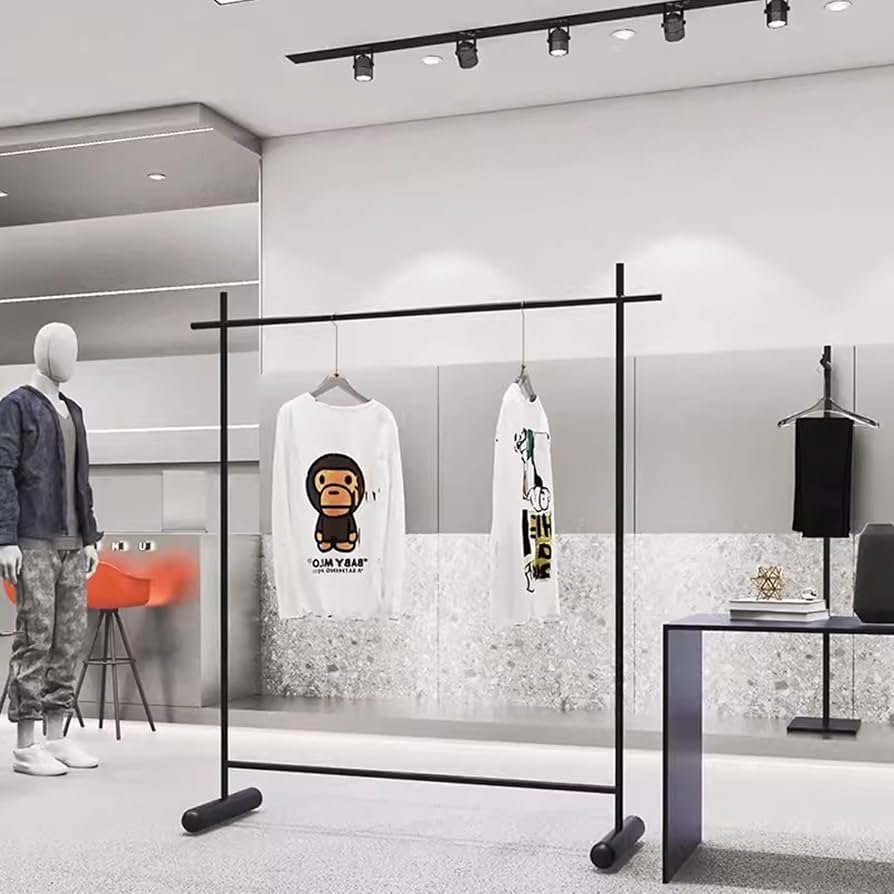
Apparel Manufacturing Solutions
Apparel manufacturing solutions with OEM, ODM and private-label production from 100 pieces per style. Send your tech pack and request a custom quote.
Explore CategoryMaterials for Retail Apparel Assortment Development
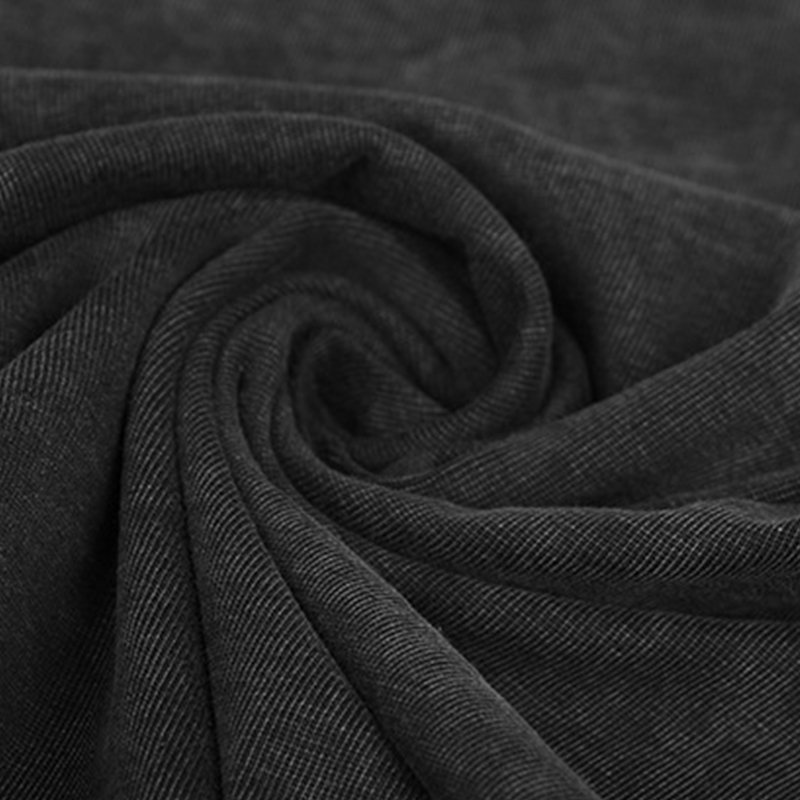
Heavyweight Cotton Jersey
A dense, structured knit for boxy tees, oversized T-shirts and premium basics. Typical weights of 240–320 GSM create a substantial hand feel, improved shape retention and a reliable base for prints or garment washes.

French Terry Fleece
Loopback French terry balances breathable comfort with enough body for hoodies, sweatshirts and coordinated sets. Usually 280–420 GSM, it supports relaxed streetwear silhouettes while offering a softer interior than conventional jersey.

Brushed Polar Fleece
A warm, plush knit used for colder-season hoodies, joggers and outerwear layers. Its brushed face traps air for insulation, while the fabric weight and pile height determine bulk, softness and how cleanly embroidery sits.

Cotton Nylon Twill
A durable woven option for cargo pants, workwear, overshirts and utility jackets. The twill construction gives diagonal texture and abrasion resistance; adding nylon improves strength while cotton keeps the hand feel grounded.

Stretch Performance Interlock
A smooth, stable knit for jerseys, activewear, polos and fitted lifestyle pieces. Polyester-spandex blends provide controlled stretch, moisture management and recovery, helping garments maintain their intended fit through movement and repeated wear.

Rigid Cotton Denim
A substantial woven fabric for jeans, jackets and workwear-inspired pieces. Denim weight, yarn character and wash treatment shape the final silhouette; rigid constructions deliver authentic structure, while enzyme or stone washes build worn-in character.
Retail Apparel Assortment Development: Print, Embroidery and Wash Options
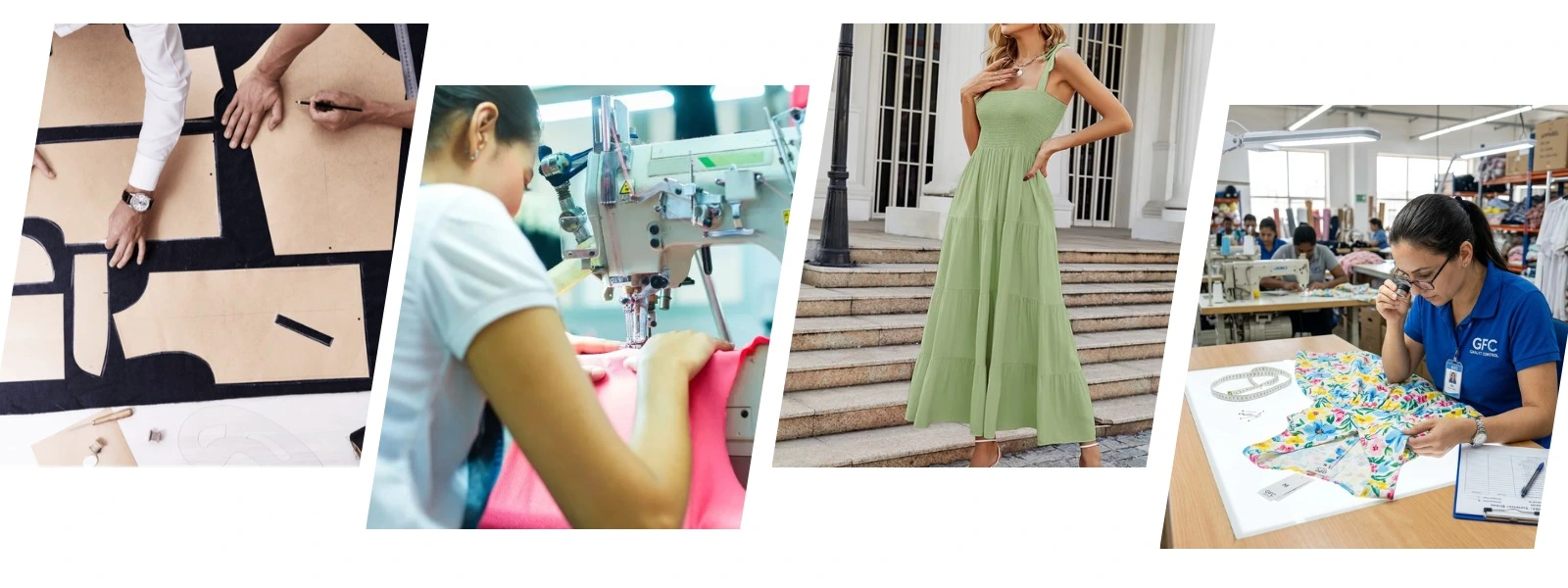
Screen Printing
Screen printing delivers bold, durable graphics for tees, hoodies and jerseys. Water-based inks keep a softer hand, while plastisol, puff and high-density inks add stronger coverage, dimension or texture to retail apparel assortment development.

Embroidery Application
Flat, 3D, chenille and applique embroidery create premium logo and patch details. Stitch density, backing and placement must suit the garment weight, because dense embroidery can affect drape on lightweight fabrics.

Heat Transfer
Heat transfers, DTF and reflective films support detailed, multicolor artwork with flexible placement. They are useful for small runs and performance garments, though material selection and care testing determine stretch recovery and long-term adhesion.
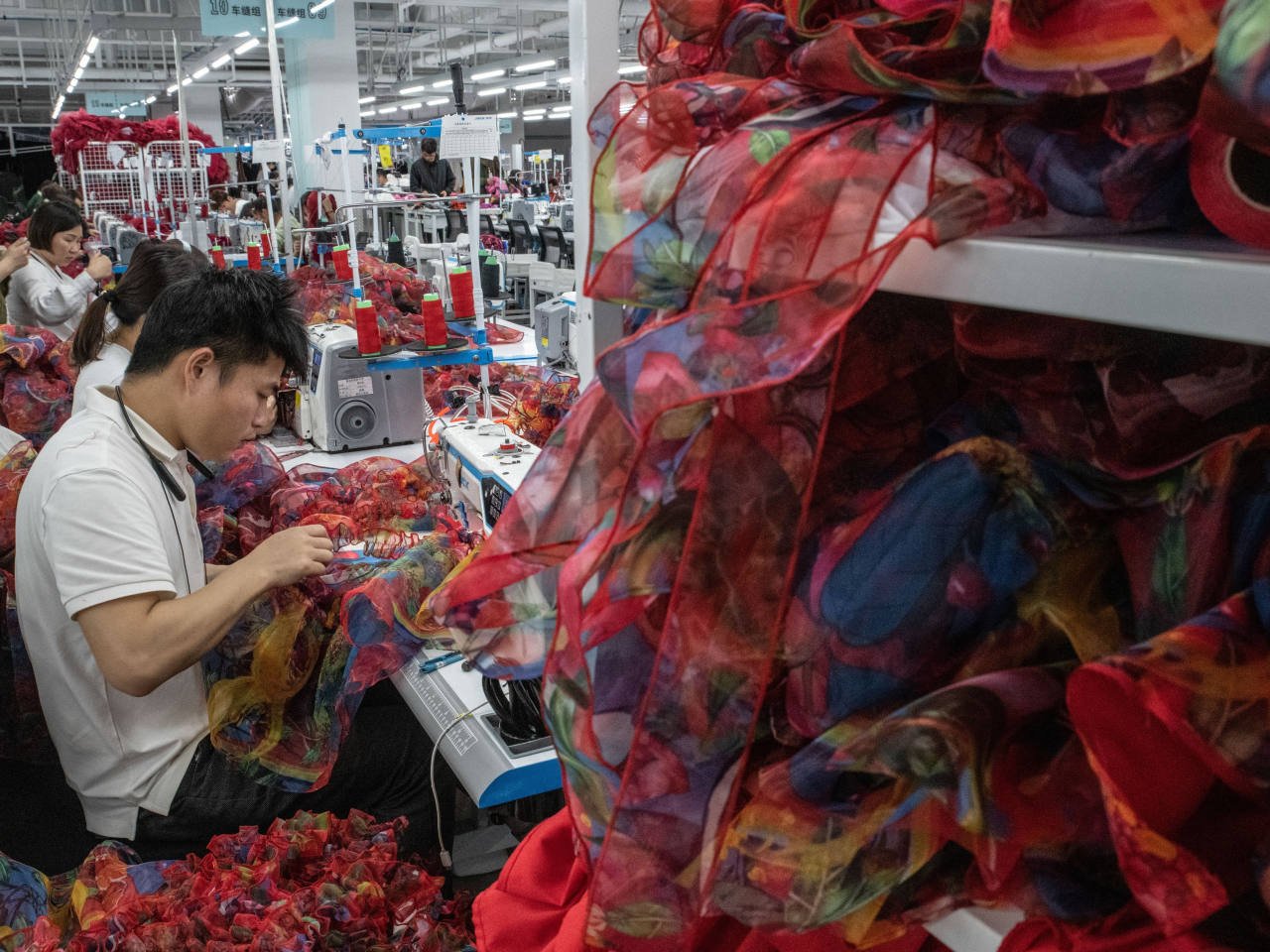
Garment Dyeing
Pigment dye and garment dye create lived-in color depth across finished garments. Buyers should allow for natural shade variation and controlled shrinkage testing, especially when matching coordinated separates or planning repeat production.
Vintage Washes
Enzyme, acid, stone, snow and distress washes build vintage character into denim, fleece and jersey. Each wash changes surface appearance and hand feel, so approved samples establish the acceptable fading, abrasion and size tolerance.
Retail Apparel Assortment Development With Private-Label Trims

Woven Brand Labels
Custom woven main labels give tees, hoodies, jackets and bottoms a consistent brand signature. Specify fold, size, yarn color, placement and soft hand feel to suit the garment’s fabric and neckline.

Zippers And Pulls
Choose zipper types and branded pulls for hoodies, outerwear, cargo pants and bags. Hardware selection affects both appearance and daily function, so specifications should match garment weight, pocket construction and intended use.
Drawcord And Tipping
Custom drawcords, aglets and contrast tipping add controlled detail to hoodies, joggers, shorts and jackets. Material, thickness and finishing are selected to complement the fabric weight while supporting a durable, polished result.
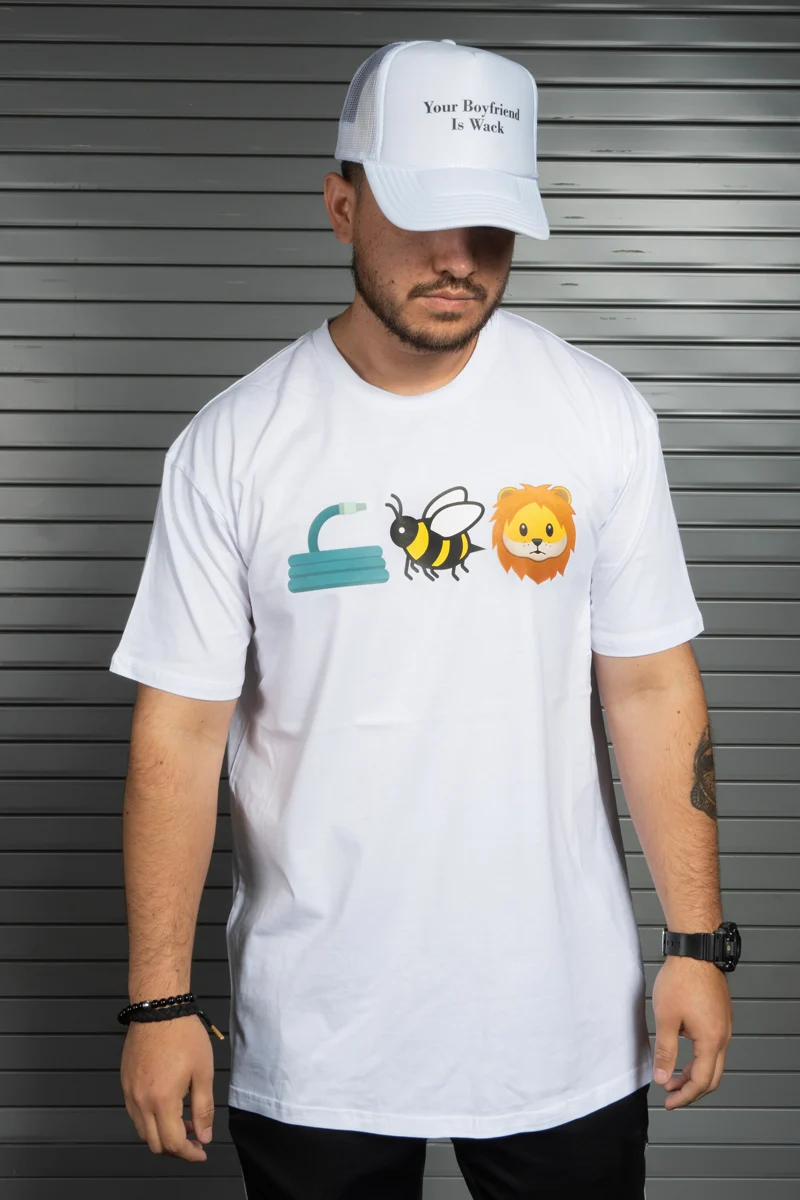
Patches And Badges
Woven, rubber, silicone, embroidered and chenille patches add dimensional branding to streetwear, uniforms and outerwear. Placement and attachment method are reviewed during sampling to protect drape, comfort and long-term wear.

Retail Packaging Components
Complete packed-goods details can include care labels, size labels, polybags, barcode stickers, tissue paper and carton markings. Defined packaging specifications help keep assortments organized for e-commerce fulfillment, wholesale delivery and retail receiving.
Retail Apparel Assortment Development Partner
Founded in Dongguan in 2016 by ChangKeng Luo, VeeWen helps global brands turn retail apparel assortment development ideas into production-ready collections. Our lead focus is menswear and streetwear, from oversized tees and hoodies to denim, outerwear, workwear and coordinated sets.
We combine OEM manufacturing, ODM development, private-label execution and cut-and-sew customization in one accountable workflow. Buyers can start with a tech pack, sketch, reference sample or visual direction, then move through fabric sourcing, pattern development, sampling, bulk production, quality checks, packaging and shipment coordination.
VeeWen remains flexible across men’s, women’s and kids’ categories while working from clear, documented specifications. With a standard 100-piece-per-style MOQ, we make practical recommendations on fit, fabric weight, decoration, washes and trims so approved samples can become consistent, repeatable reorders.
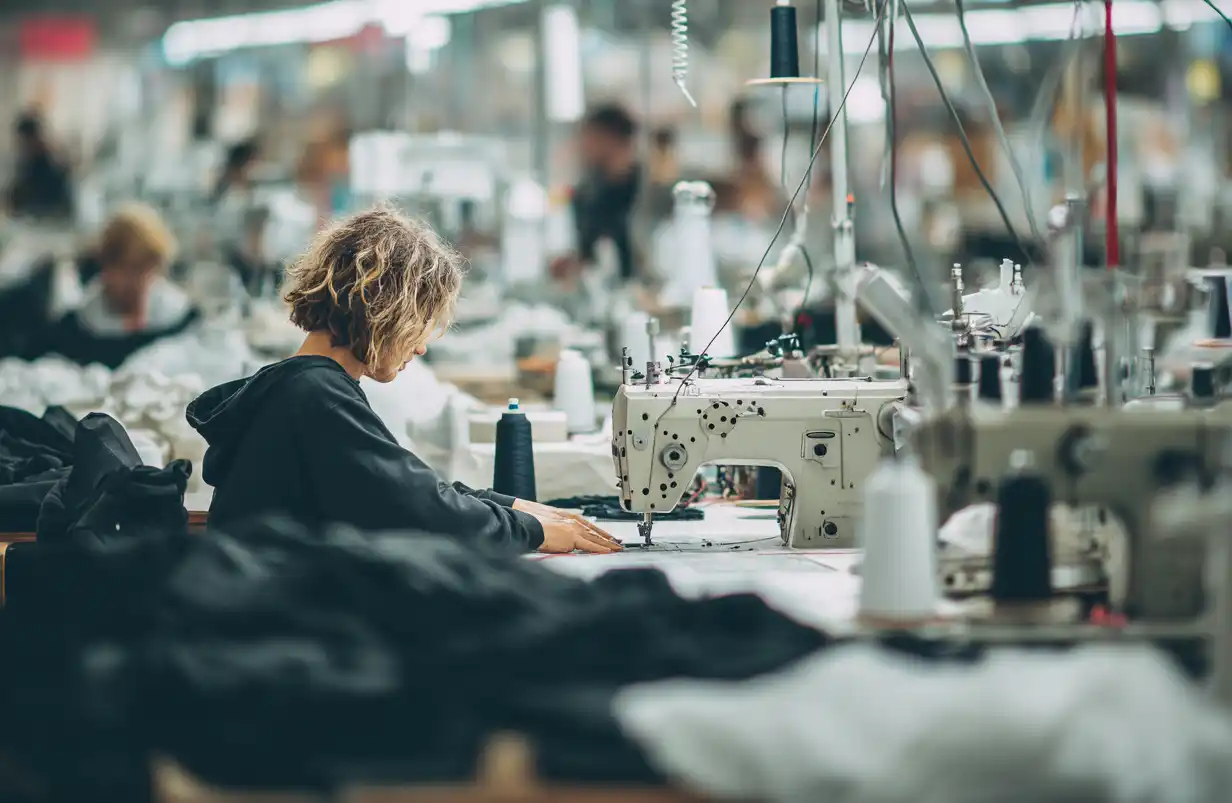
Retail Apparel Assortment Development, Made Production-Ready
Clarify the Collection Direction
VeeWen converts tech packs, sketches, reference garments and inspiration images into a workable retail apparel assortment development brief. We align category mix, target customer, fit intent, price direction and product priorities before sampling begins, so decisions are clear rather than assumed.
- Translate visual references into measurable garment details
- Review category balance for focused drops or broader collections
- Flag construction, trim and cost trade-offs early
- Create clear specifications for sampling approval

Build Fit Blocks That Repeat
Menswear and streetwear fit is resolved through practical pattern discussions, not vague style language. VeeWen develops fit blocks, graded measurements and sample revisions for tees, hoodies, bottoms and outerwear, helping each style hold its intended proportion across the size range.
- Set body width, shoulder drop and sleeve pitch
- Define rise, inseam and leg shape for bottoms
- Review samples against approved measurement points
- Establish repeatable blocks for future reorders

Test Materials and Decoration
Fabric, wash and decoration choices are tested against the garment’s intended hand feel, structure and end use. VeeWen advises how weight, shrinkage, embroidery density and print method affect drape, shade consistency, production timing and the final retail presentation.
- Match fabric weight and composition to the silhouette
- Test print, embroidery and patch placement
- Assess wash effects before bulk color approval
- Confirm labels, trims and private-label details

Control Bulk Through Packed Goods
After pre-production confirmation, VeeWen carries approved retail apparel assortment development specifications into bulk manufacturing. In-line inspections, final quality checks and packing coordination keep the collection aligned with the signed-off sample, from first production units through shipment-ready cartons.
- Confirm pre-production samples before bulk release
- Monitor workmanship and measurements during production
- Complete final checks before packing
- Coordinate polybags, hangtags and shipment-ready packaging
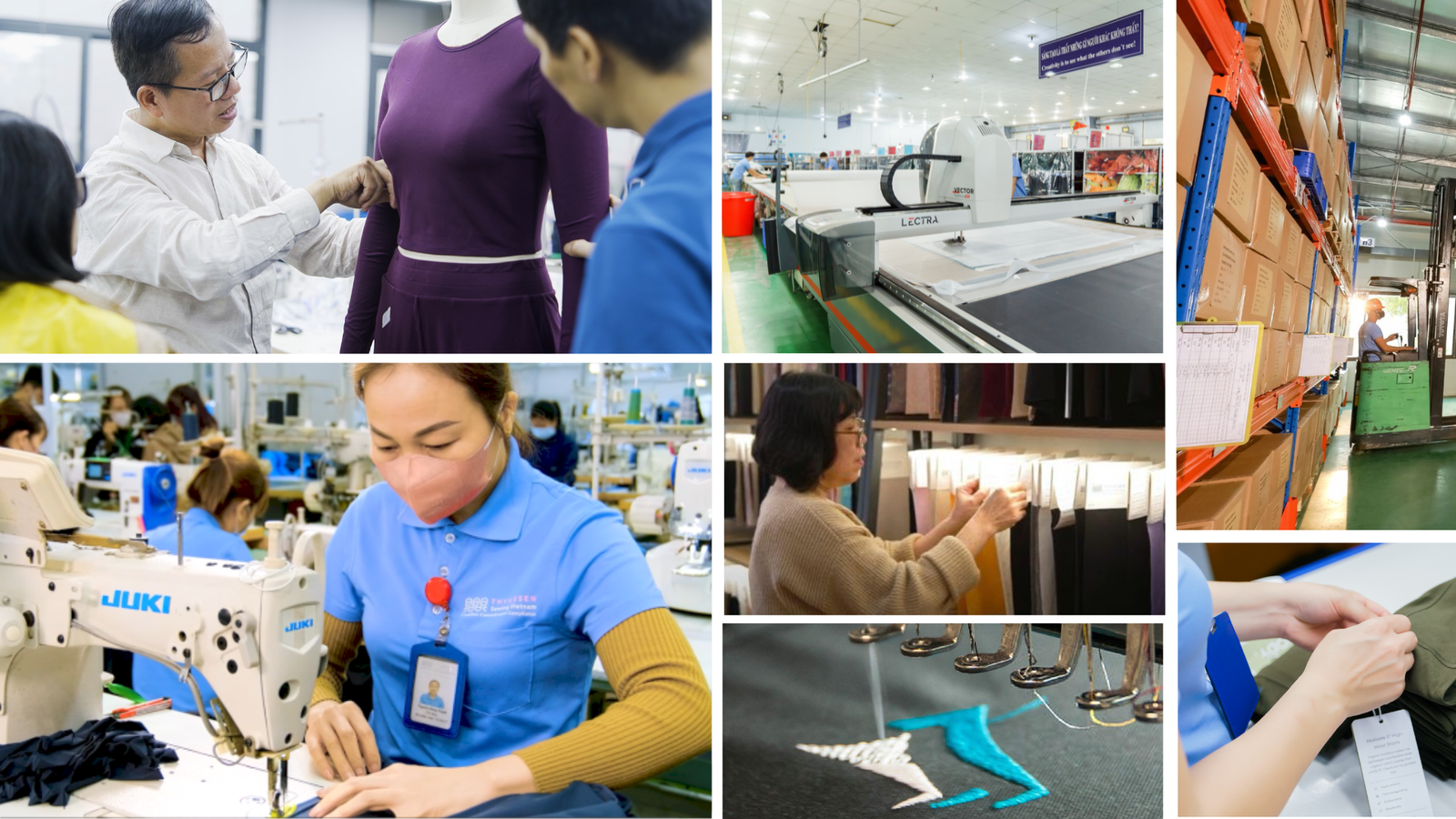
Retail Apparel Assortment Development Built for Better Supplier Control
Compare a production-minded partner with the common gaps that delay assortment launches and weaken reorders.
← Swipe left or right to view →
Retail Apparel Assortment Development Workflow
A documented path from initial product direction to packed, shipment-ready apparel.
Clarify Collection Requirements
Share tech packs, sketches, reference samples or inspiration images. We align category mix, fit blocks, target price, fabrics, quantities and private-label requirements.
Source Materials and Develop Patterns
VeeWen recommends materials based on hand feel, weight, wash and end use, then develops patterns, graded measurements and construction details for approval.
Sample and Review Fit
Review development samples for silhouette, shoulder drop, body width, sleeve pitch, decoration placement and wash behavior before confirming production-ready specifications.
Confirm Details Before Bulk
Approve the pre-production sample, colors, trims, labels, packaging and decoration tests. This checkpoint locks the agreed standard for your 100-piece-per-style order.
Produce, Inspect and Pack
Bulk manufacturing follows approved specifications with in-line inspection and final quality checks, then garments receive labels, packaging and packed-goods confirmation.
Coordinate Shipment Handover
Receive packing details and shipment coordination support so your finished assortment moves from factory-ready goods toward your selected delivery arrangement.
Start Retail Apparel Assortment Development
Move from references or a tech pack to approved specifications and production with a clear, documented workflow.
Share Your Product Direction
Send a tech pack, sketches, reference samples, inspiration images, or a product idea, plus target quantities, sizing, price range, and required delivery timing.
Review Quote and Sample Plan
Confirm recommended fabrics, construction, decoration, MOQ, estimated pricing, and the sampling route. VeeWen clarifies practical trade-offs before development begins.
Approve Production Specifications
Review sample fit, measurements, materials, washes, artwork, labels, and packaging. Document revisions and approve the final pre-production specifications for your assortment.
Launch Bulk Production
VeeWen coordinates bulk manufacturing, in-line inspections, final quality checks, packing, and shipment preparation, keeping your approved collection specifications consistent across the order.
Documented Standards for Buyer Review

Applicable material certificates and scope documents can be reviewed against the selected fabric and production order.

GOTS-related material and chain documentation is matched to the selected program and verified for current scope before use.

Current social-compliance audit documentation can be supplied for buyer review and onboarding when applicable.
Responsible-sourcing and audit records can be reviewed with the VeeWen team for the relevant factory and order scope.

Order-specific material declarations and test documentation are reviewed for applicable REACH requirements; this neutral icon denotes documentation rather than an official REACH certification logo.
Retail Apparel Assortment Development That Supports Reorders
VeeWen turned our reference images into a 6-style streetwear capsule with clear graded measurements. We approved the second sample round and placed a 720-piece bulk order with the same fit specifications ready for our next drop.
Their team flagged where our oversized hoodie specs would affect rib recovery and shrinkage before sampling. That saved us one development round, and our 300-piece first run arrived with measurements consistent across all five sizes.
We needed tees, cargo pants and a varsity jacket from one production partner at a 100-piece-per-style MOQ. VeeWen kept fabrics, trims and packaging organized, then repeated our 1,200-piece reorder without rebuilding the specifications.
Retail Apparel Assortment Development FAQ
Clear answers on MOQ, sampling, approvals, private-label details and shipping for production-ready apparel collections.
What is the minimum order quantity for retail apparel assortment development?
Can you help with retail apparel assortment development if I only have sketches or reference images?
How long does retail apparel assortment development take from sample to bulk order?
Do I need to approve samples before bulk production begins?
Can VeeWen source fabrics for menswear and streetwear collections?
Can you add private labels, hangtags and custom packaging?
How do you protect my designs and product information?
What payment and shipping options are available for international buyers?
Retail Apparel Assortment Development: Complete Buyer’s Guide
Use this practical framework to plan profitable assortments, evaluate China manufacturing partners, compare materials and customization options, control costs, and avoid sourcing mistakes that delay retail launches.
1. What Is Retail Apparel Assortment Development?
100-piece MOQ programs still need a deliberate assortment: the coordinated plan for categories, silhouettes, size curves, colors, price points, seasons, and inventory depth. It converts customer demand into a collection a factory can source, sample, grade, decorate, and pack consistently.
2 garments can be well designed yet fail as a range if their fits overlap, colors compete, or price architecture leaves no entry or premium option. Individual garment design solves one product; retail apparel assortment development assigns each style a commercial role across the full offer.
2016-founded VeeWen applies this discipline to private-label drops and wholesale lines, aligning product ideas with repeatable specifications and practical production decisions.
2. How Retail Apparel Assortments Evolved
1990s wholesale calendars typically concentrated buying into spring/summer and fall/winter deliveries, locking color, fabric and size commitments months ahead. Fast-fashion shortened that rhythm, proving that smaller, faster capsules could react to sell-through rather than forecasts alone.
2010s e-commerce made assortment decisions channel-specific: a marketplace may need proven core colors, while a direct-to-consumer launch can test one graphic, wash or fit block with paid traffic and conversion data. Weekly product drops also made product photography, available sizes and replenishment timing part of merchandising.
100-piece MOQs now let emerging buyers test focused styles before scaling. Flexible suppliers must maintain approved specifications, communicate material availability, and support repeat bulk orders when a hoodie, tee or cargo pant earns replenishment.
3. Retail Apparel Assortment Development Models
Six models let buyers match retail apparel assortment development to channel speed, cash exposure, and repeat potential. Start with the sales model, then lock the product mix and production path.
| Model | Merchandising Purpose | Risk | Production Focus |
|---|---|---|---|
| Core basics | Replenishment | Low | Repeat specs |
| Seasonal fashion | Newness | Medium | Fabric timing |
| Capsule collection | Brand story | Medium | Coordinated SKUs |
| Streetwear drop | Scarcity | High | Prints and washes |
| Team or corporate | Uniform identity | Low | Logo approvals |
| Online-only test | Demand proof | Medium | Focused MOQ |
Repeatable Core Programs
100-piece styles suit core tees, hoodies, polos, and joggers where replenishment matters. Stable fabrics and colors reduce demand risk.
Fashion And Drop Programs
2–6 SKU capsules, seasonal fashion, and streetwear drops create urgency but carry higher sell-through risk. Approve washes, prints, and grading before bulk.
Contract And Test Programs
1 logo system can unite team, corporate, and online test assortments. Decoration placement and size ratios should reflect the buyer’s distribution channel.
4. Building Retail Apparel Assortment Development Strategy
Define one primary customer, their wear occasion and target retail range before briefing a factory. Retail apparel assortment development becomes supplier-ready when each SKU has a commercial role, planned color and size demand.
Build The Line Plan
8–15 SKUs is a practical first drop at VeeWen’s 100-piece-per-style MOQ. Assign one hero silhouette, then add complementary bottoms, layers and lower-priced entry items; remove styles serving the same need.
- Customer persona and wear occasions
- Target retail and landed-cost range
- Launch date and delivery window
- Pantone color plan and size curve
5. Fabrics for Retail Apparel Assortment Development
180–240 GSM cotton jersey suits tees; 320–480 GSM French terry or fleece gives hoodies structure. Fabric selection should match silhouette, climate, wash behavior, and decoration load.
| Fabric | GSM/Hand | Use/Season | Decoration |
|---|---|---|---|
| Cotton jersey | 180–240, soft | Tees, warm | |
| French terry | 320–400, loopback | Hoodies, transitional | Print, embroidery |
| Fleece | 350–480, brushed | Cold-weather sweats | Embroidery |
| Denim | 10–14 oz, firm | Jeans, jackets | Wash, patches |
| Twill | 200–320, crisp | Cargos, year-round | Print, embroidery |
| Nylon/poly blend | 90–180, slick | Shells, warm weather | Transfers |
| Performance knit | 160–250, stretch | Jerseys, active | Sublimation |
Core Fabric Matrix
10–14 oz denim and twill add abrasion resistance for jeans, cargos, and jackets.
Weight And Finish

3–8% shrinkage is common in cotton; request washed swatches before approving measurements.
Bulk Verification
100-piece runs need composition test reports and current OEKO-TEX or GOTS documentation where claimed.
6. Customization and Private-Label Options
At a 100-piece MOQ, retail apparel assortment development needs repeatable decoration and trim rules. Lock artwork, color standards and label placement before sampling to keep a drop visually coherent.
| Option | Effect | Best Volume | Setup |
|---|---|---|---|
| Screen print | Opaque graphic | 100+ | Separated artwork |
| DTG | Fine color detail | Small runs | High-resolution file |
| Heat transfer | Sharp placement | Small runs | Vector artwork |
| Woven labels | Permanent branding | 100+ | Size, fold, Pantone |
Decoration Selection
Screen print suits bold, durable runs; DTG suits detailed small artwork. Embroidery adds texture but can stiffen lightweight jersey.
Wash And Dye Control

Garment dye, pigment dye and enzyme washes create character, but introduce shrinkage and shade variation. Approve a washed size spec and reference sample.
Private-Label Specifications
Tech packs should state Pantone colors, artwork size, stitch count, label folds, neck-print location, hangtag stock, polybag and custom-trim details.
7. Construction Standards That Protect Quality
A 100-piece program still needs written tolerances before cutting. For retail apparel assortment development, approved specifications turn samples into repeatable, retail-ready bulk goods.
Fabric And Seam Controls
180–260 GSM tees and 320–450 GSM hoodies should state allowable GSM variance, stitch type, seam finish, and rib recovery after laundering. Specify shrinkage, colorfastness, and print-adhesion tests by fabric and decoration.
Fit, Grading, And Approval
±1 cm chest and body tolerances, with defined grading rules, prevent size-run drift. A sealed pre-production sample should confirm measurements, pocket placement, zipper function, wash appearance, and labels.
Bulk Inspection Standards
AQL 2.5 final inspection is a practical benchmark for retail programs, alongside in-line checks for bottoms, outerwear, and uniforms. Record defects, shade variation, loose threads, and packing results before shipment.
8. Choosing a Retail Apparel Development Manufacturer
100-piece MOQ programs let emerging labels test a focused assortment, but supplier selection should start with product evidence. Compare capability, controls, timing, and export readiness before treating price as a decision rule.
Match Category Experience
3 recent samples should match your category, fit block, wash, and decoration—not merely a similar photo.
- Request graded spec sheets
- Inspect approved bulk references
- Ask about comparable fabric weights
Verify Development Controls
1 pre-production sample, fabric test results, and an inspection checklist reveal whether approvals are documented. Ask who owns pattern revisions and how defects are escalated.
- Sampling timeline
- QC checkpoints
- Compliance documents
Test Commercial Reliability
2 quoted lead times—sample and bulk—should include material booking, trims, packing, and export support. Evaluate response clarity and reorder consistency alongside the quotation.
- Confirm MOQ by color
- Request shipping terms
- Compare payment milestones
9. Common Retail Assortment Development Mistakes
A 100-piece MOQ makes focused testing practical, but it does not protect a weak assortment. Before bulk production, convert every creative choice into a commercial, fit, and approval decision.
SKU And Price Discipline
8–12 launch SKUs can dilute buy depth, while a weak price ladder leaves shoppers without clear entry, core, and premium options. Edit to proven demand and map retail prices before confirming quantities.
Product And Brand Clarity
180–320 GSM fabric chosen before end use can create the wrong structure, and inconsistent labels or trims weaken recognition. Define product purpose, target customer, Pantone direction, and branded components before sampling.
Control Production Assumptions
Missing size data, unclear tech packs, untested embellishments, optimistic lead times, and skipped approval gates cause rework, delayed launches, or saleable-fit risk. Supply graded measurements, test decoration, allow sampling time, and approve fit, PPS, and packing checkpoints.
10. Pricing Retail Apparel Assortment Development
100 pieces per style is a practical validation MOQ: it limits inventory exposure, but spreads pattern, sampling, and decoration setup across fewer units. At 300–500 pieces, fabric buying and sewing efficiency usually improve unit economics.
180–240 GSM jersey versus 320–450 GSM French terry changes fabric consumption, structure, and freight weight. Multi-color prints, dense embroidery, washes, custom trims, branded packaging, and air freight each raise landed cost; approve samples and packing specifications before comparing quotes.
| Quantity | Unit-cost driver | Setup cost | Typical timing |
|---|---|---|---|
| 100 pieces | Highest setup allocation | Pattern, sample, print screens | 2–4 weeks development; 4–8 weeks bulk |
| 300–500 pieces | Better material and sewing efficiency | Spread across more units | Similar bulk window after approval |
| 1,000+ pieces | Stronger production efficiency | Lower allocation per unit | Allow capacity booking time |
Start Retail Apparel Assortment Development With VeeWen
Send your tech pack, sketches or references for a custom OEM, ODM or private-label quote with a 100-piece-per-style MOQ.