
Jeans Manufacturers for Production-Ready Denim
VeeWen helps global labels develop, sample and produce custom denim with one accountable jeans manufacturers partner from fit approval to packed bulk goods.
Featured Products for jeans manufacturers Development








Related Product Catalogue and Quotation


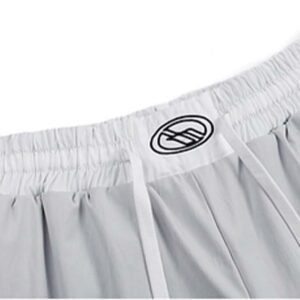

Jeans Manufacturers Built for Production-Ready Sourcing
Move from denim concept to approved bulk goods with practical development support, flexible order quantities and documented production control.
100-Piece MOQ
Launch focused denim drops from 100 pieces per style, giving emerging labels room to validate fit, washes and demand before reordering.
OEM and ODM Support
Start with a tech pack, sketch, reference sample or idea; VeeWen helps clarify specifications for production-ready jeans and coordinated apparel.
Wash Development
Develop enzyme, stone, acid, snow and vintage wash directions while reviewing shade variation, shrinkage and the intended worn-in character.
Private-Label Details
Coordinate woven labels, care labels, hangtags, buttons, zipper pulls, patches and packaging to carry your denim brand consistently.
Documented Quality Checks
Use approved samples, in-line inspection and final quality checks to confirm measurements, construction, wash appearance and packing before shipment.
More Jeans Manufacturers Options and Guides
Compare adjacent product categories, manufacturing options and practical buyer resources from the VeeWen architecture.

Denim Apparel Styles & Specifications
Denim apparel styles and specifications built for OEM buyers from 100 pieces per style, with sampling and private-label finishing. Request a custom quote today.
Explore Category
Denim Manufacturers
Denim manufacturers for private-label jeans, jackets and streetwear, with a 100-piece-per-style MOQ and guided sampling. Send your tech pack to request a quote.
Explore Category
Jeans Manufacturing for Thailand Brands
Jeans manufacturing for Thailand brands starts at 100 pieces per style, with OEM development, washes, private labels, and documented QC. Request a quote today.
Explore Category
Custom Clothing Manufacturing
Custom clothing manufacturing from 100 pieces per style, with OEM, ODM, sampling and private-label finishing. Send your tech pack to request a quote.
Explore Category
Apparel Manufacturing Capabilities
Apparel manufacturing capabilities for OEM, ODM and private-label collections from 100 pieces per style, from sampling to packed bulk goods. Request a quote.
Explore Category
Apparel Manufacturing Solutions
Apparel manufacturing solutions with OEM, ODM and private-label production from 100 pieces per style. Send your tech pack and request a custom quote.
Explore Category
Apparel Manufacturing Guides
Apparel manufacturing guide for OEM, ODM and private-label buyers, with 100 pieces per style and end-to-end production support. Request a quote.
Read the GuideJeans Manufacturers: Denim Fabrics We Support


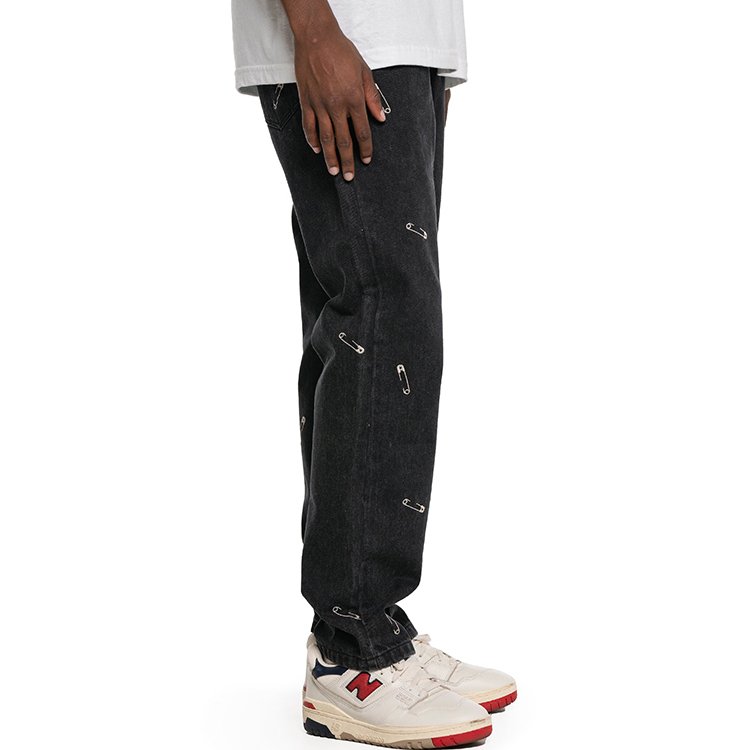
Black Sulfur Denim
Dark denim designed for black jeans, washed charcoal styles, and contemporary streetwear collections. Sulfur-dyed yarns can produce strong tonal variation after washing, so approved samples help control shade and fading expectations.

Cotton Poly Denim
A durable denim blend suited to utility jeans, uniforms, and price-conscious volume programs. Polyester adds abrasion resistance and shape retention, while the cotton content preserves a familiar denim hand and practical washability.
Jeans Manufacturers: Denim Washes, Printing and Finishing

Enzyme Washing
Enzyme washing softens denim and creates a naturally worn appearance with less abrasion than aggressive stone treatments. Wash testing confirms shrinkage, shade variation and final measurements before bulk production.
Vintage Fading
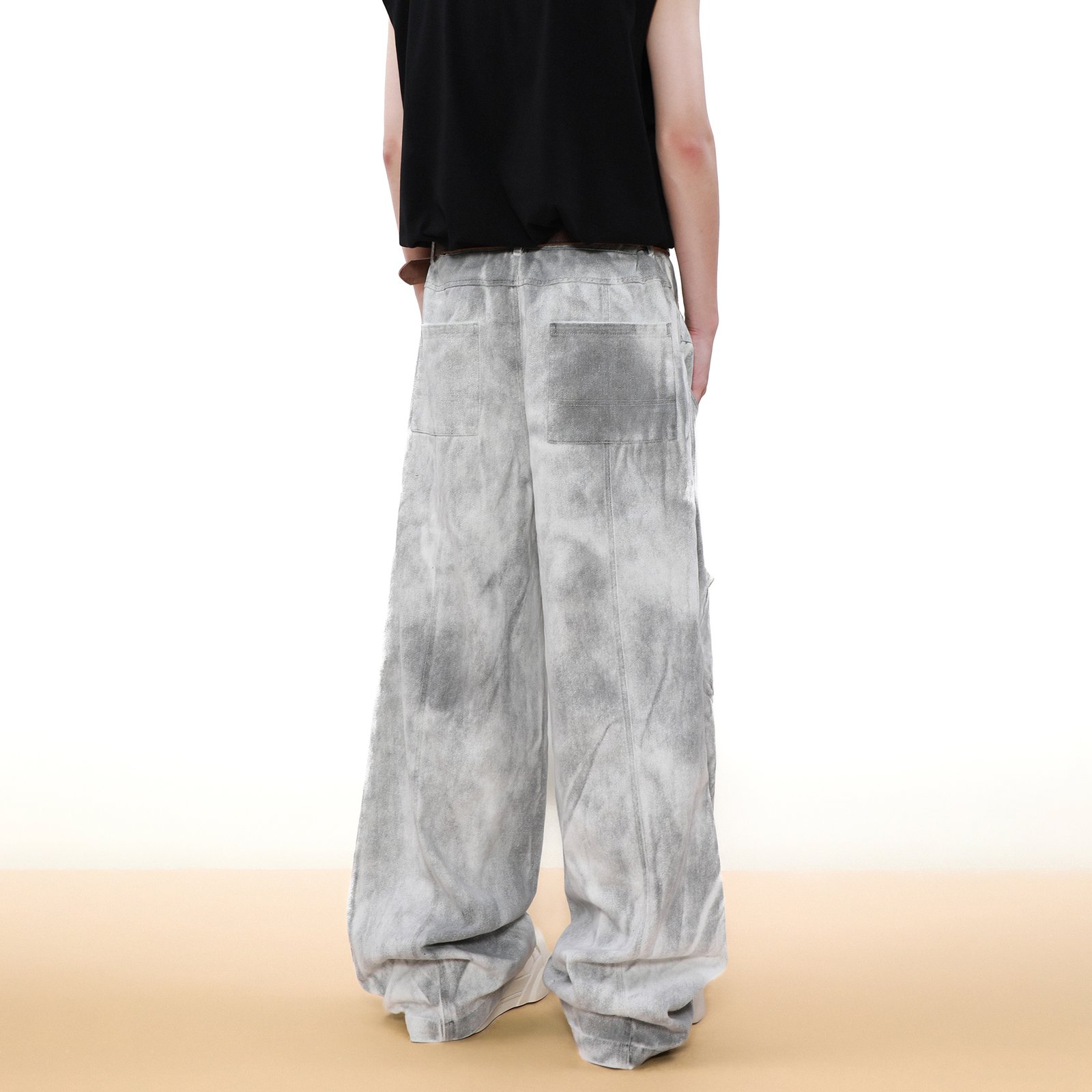
Pigment dye, acid wash, snow wash and controlled fading build distinctive vintage character across jeans and coordinated apparel. Because shade variation is inherent, approved wash standards keep bulk results aligned with your sample.
Distressed Finishing
Whiskers, sanding, rips, fraying and localized abrasion create streetwear-ready distressed denim. Placement maps and reinforcement decisions matter: heavier distress increases visual impact but can affect durability and production timing.

Screen Printing
Screen printing applies durable graphics to denim, tees, jackets and coordinated sets using water-based, plastisol, puff or high-density inks. Artwork scale, fabric texture and ink coverage are tested to preserve clarity and garment drape.

Custom Embroidery
Flat, 3D, chenille and applique embroidery add dimensional branding to denim and apparel. Stitch density, backing and placement are reviewed during sampling because detailed embroidery can change fabric drape, production time and cost.
Private-Label Trims for Jeans Manufacturers

Custom Metal Buttons
Branded shank buttons, tack buttons, rivets, and snaps add durable function and a recognizable finish to jeans, denim jackets, cargos, and workwear. Choose finishes, logos, and placement to match your collection direction.

Custom Zipper Hardware
Specify zipper tape color, puller shape, metal finish, and branded zipper pulls for fly fronts, pockets, and outerwear. VeeWen coordinates hardware selections that support the garment’s wash, weight, and intended use.

Woven Brand Labels
Woven main labels, size labels, care labels, and side flags give every piece consistent brand identification. They can be matched to your typography, color system, fabric construction, and garment placement before bulk production.

Denim Leather Patches
Custom leather, faux leather, rubber, or woven patches create a signature back-waist detail for jeans manufacturers and denim labels. Material, debossing, color, edge treatment, and stitch method are developed around your wash direction.

Custom Hangtags
Hangtags communicate product information and strengthen retail presentation at first touch. VeeWen can coordinate tag stock, printing, string, seals, barcode space, and attachment methods for private-label denim programs and finished collections.

Retail Ready Packaging
Complete the order with branded polybags, size stickers, folding instructions, tissue, carton marks, and packing requirements. Clear packaging specifications help protect garments in transit and support organized receiving for wholesale or e-commerce fulfillment.
About VeeWen Jeans Manufacturers
Founded in Dongguan in 2016 by ChangKeng Luo, VeeWen is a production-minded partner for menswear and streetwear labels. As jeans manufacturers, we help turn a denim concept, tech pack, reference sample or first idea into a clear, production-ready specification.
Our full-category workflow brings fabric sourcing, pattern development, sampling, fit review, washes, private-label trims, bulk production, quality checks, packing and shipment coordination together. A standard 100-piece-per-style MOQ gives emerging brands a practical way to test focused denim drops and build repeatable reorder specifications.
VeeWen combines direct communication with practical garment expertise, from fit blocks and graded measurements to wash shrinkage, shade variation and trim choices. We lead with menswear and streetwear denim while supporting complete apparel collections for men, women and children through OEM, ODM, private-label and cut-and-sew services.
Jeans Manufacturers with Deep Development Capability
Fit Blocks Built to Scale
VeeWen turns your reference fit into a repeatable denim specification, from relaxed and baggy silhouettes to straight, tapered and wide-leg jeans. Pattern, graded measurements and sample feedback are documented before bulk production begins.
- Define rise, hip, thigh, knee, leg opening and inseam
- Review waistband position, pocket placement and yoke shape
- Confirm graded measurements across the full size range
- Approve fit samples before production release
Fabric and Wash Matched
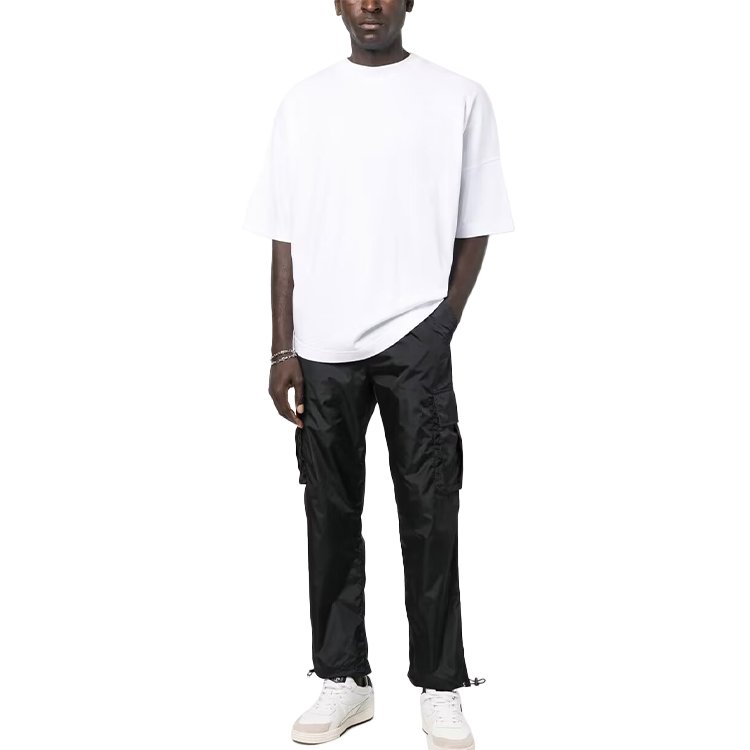
Our jeans manufacturers team matches denim weight, stretch, construction and wash direction to the intended look, hand feel and price point. We clarify expected shade variation, shrinkage and surface character early, so the approved sample sets realistic bulk expectations.
- Source rigid, stretch and comfort-stretch denim options
- Select fabric weight for structure, drape and durability
- Test enzyme, stone, acid, snow and vintage wash directions
- Align wash effects with color, shrinkage and production tolerances

Decoration Tested on Denim
Denim decoration needs to hold its position and character after washing. VeeWen tests print, embroidery, patches and hardware choices against the garment construction and finishing plan, helping prevent avoidable distortion, cracking, bleed or excess stiffness.
- Test screen print, transfers and embroidery before approval
- Check placement against seams, pockets and wash effects
- Assess embroidery density for drape and wear comfort
- Coordinate patches, rivets, buttons and branded trims

Controlled From Sample to Pack
From a 100-piece-per-style starting point, VeeWen coordinates sampling, pre-production confirmation, in-line inspection, final quality checks and private-label packing in one accountable workflow. Clear checkpoints keep your denim program aligned with the approved specification.
- Confirm construction, wash and trims at pre-production stage
- Inspect key measurements, stitching and finishing during bulk runs
- Check shade, defects and packing before shipment coordination
- Add labels, hangtags, polybags and custom packaging details

Why Choose VeeWen Among Jeans Manufacturers
Concrete denim sourcing advantages for brands that need clear specifications, controlled washes, and accountable delivery.
← Swipe left or right to view →
Jeans Manufacturers: Our Denim Production Workflow
A controlled, sample-led path for turning approved denim specifications into packed bulk goods, with clear checkpoints from fabric selection through shipment coordination.
Confirm Denim Specifications
We review your tech pack, references or idea, then clarify fit block, measurements, denim weight, wash direction, trims and 100-piece-per-style production requirements.
Source Materials and Sample
VeeWen recommends suitable denim, pocketing, hardware and labels, develops patterns, and produces samples for fit review, wash testing and approval before bulk release.
Cut and Assemble
Approved specifications guide fabric cutting and sewing, with construction details such as seams, rises, inseams, pocket placement and graded measurements checked throughout production.
Apply Washes and Decoration
Jeans receive approved enzyme, stone, acid or vintage washes, plus embroidery, printing, patches or distressing where required, accounting for shade variation and shrinkage.
Inspect, Pack and Coordinate
We complete in-line and final quality checks, verify measurements and labeling, pack finished jeans with private-label details, then coordinate shipment preparation for your destination.
How to Work With VeeWen Jeans Manufacturers
Move from an initial denim concept to packed bulk goods through clear approvals, practical specifications and accountable production coordination.
Send Your Denim Brief
Share a tech pack, sketch, reference sample or inspiration images. VeeWen clarifies fit, fabric, wash, trims, branding and target quantities for your program.
Confirm Quote and Sample
Review the proposed pricing, 100-piece-per-style MOQ and development details. We source suitable materials, build patterns and produce a sample for fit and finish review.
Approve Production Details
Confirm the revised sample, graded measurements, wash effect, decoration tests, labels, packaging and pre-production specifications before bulk manufacturing begins.
Monitor Bulk Production
VeeWen coordinates denim cutting, sewing, washing, finishing and in-line inspection, keeping your approved specifications central throughout the production run.
Receive Packed Bulk Goods
Final quality checks and private-label packing are completed before shipment coordination. Your team receives production-ready jeans prepared for retail, wholesale or fulfillment.
Documented Standards for Buyer Review

Applicable material certificates and scope documents can be reviewed against the selected fabric and production order.

GOTS-related material and chain documentation is matched to the selected program and verified for current scope before use.

Current social-compliance audit documentation can be supplied for buyer review and onboarding when applicable.
Responsible-sourcing and audit records can be reviewed with the VeeWen team for the relevant factory and order scope.

Order-specific material declarations and test documentation are reviewed for applicable REACH requirements; this neutral icon denotes documentation rather than an official REACH certification logo.
What Denim Buyers Say About VeeWen Jeans Manufacturers
VeeWen turned our reference jeans into an approved sample in two rounds. Their comments on rise, inseam, wash shrinkage, and pocket placement gave us a clear spec sheet, and our 180-piece launch arrived ready for ecommerce photography.
We needed a heavyweight baggy denim fit without guessing through bulk production. The team refined our graded measurements and wash direction before approval. Our first 240-unit drop sold through in six weeks, with consistent sizing across the run.
For our repeat order, VeeWen kept the fabric weight, vintage fading, labels, and packing details aligned with the approved program. We reordered 500 pairs with fewer revisions and received production updates that made planning our restock much easier.
Jeans Manufacturers FAQ
Clear answers on minimums, samples, development details and bulk denim production with VeeWen.
What is the minimum order quantity for custom jeans manufacturers?
Can jeans manufacturers make a sample before bulk production?
What information should I send jeans manufacturers for a quote?
How long does custom jeans production take?
Can VeeWen develop custom denim washes and distressed jeans?
How do jeans manufacturers protect my designs and private-label details?
What payment terms do you offer for custom denim orders?
Do you ship custom jeans internationally?
The Complete Buyer’s Guide to jeans manufacturers
Use this practical framework to compare supplier capabilities, denim quality, customization options, costs, and production processes—so you can select the right partner, avoid costly sourcing mistakes, and launch a reliable private-label denim collection.
1. What Are jeans manufacturers?
100-piece programs make jeans manufacturers practical production partners for labels moving beyond generic ready stock. They turn a denim brief into developed garments through fabric sourcing, pattern making, cutting, sewing, wash processing, quality control, packing, and export coordination.
OEM means the buyer supplies the specification and factory produces it; ODM adds factory-led product development; private label applies the buyer’s branding to approved products. A brand should move to custom production when fit, wash, hardware, sizing, or margin control becomes central to its offer.
2016-founded VeeWen supports this workflow from reference images or tech packs through bulk denim, with documented sample approvals before production.
2. The Evolution of Denim Manufacturing
1873 popularized riveted denim as durable workwear; industrial cutting and sewing later turned that utility garment into a scalable global category. Mass production improved consistency, but buyers still judge jeans by fit block, seam balance and size-to-size grading.
1980s fashion washes made enzyme, stone, acid and vintage fading central to product identity, while stretch denim expanded comfort and recovery expectations. Authentic wash development requires approved standards because abrasion, shade variation and shrinkage can alter fit.
100-piece private-label programs now let brands test focused drops without abandoning documented specifications. Modern jeans manufacturers are expected to move quickly while providing material traceability, repeatable wash recipes and lower-impact options such as enzyme processing, recycled fibers and reduced-water finishing.
3. Types of jeans manufacturers
Six supplier models differ mainly in who owns the design and production inputs. A 100-piece starting MOQ can favor focused denim drops over broad, untested assortments.
| Model | Design / MOQ | Development / Control | Price / Best Fit |
|---|---|---|---|
| Full-package OEM | Buyer / 100–500 | Full / shared | Balanced / new labels |
| ODM supplier | Factory / 100–300 | Limited / lower | Lower / speed |
| Private label | Factory base / 50–300 | Minimal / lower | Low / sellers |
| CMT workshop | Buyer / varies | None / highest | Labor-only / technical teams |
| Mill-integrated factory | Buyer / 500+ | Strong / shared | Higher commitment / scale |
| Small-batch specialist | Buyer / 20–100 | Varies / high | High unit cost / testing |
Match Development Ownership
At 100 pieces per style, full-package support suits brands needing patterns, washes and trims coordinated. Approved samples convert references into repeatable specifications.
Choose Control Deliberately
Two inputs—an accurate tech pack and approved fabric—make CMT viable. Buyer control rises when the buyer supplies patterns, grading and inspection standards.
Plan For Scale
One denim wash can shift shade, shrinkage and unit cost. Mill-integrated programs suit repeat orders requiring tighter fabric continuity.
4. Fabrics Used by jeans manufacturers
Denim choice determines structure, break-in, wash response, and unit cost. Ask jeans manufacturers to specify fiber content, weave, ounces per square yard, sanforization, shrinkage allowance, and indigo shade before sampling.
| Fabric Type | Typical Weight | Strengths | Limitations | Best Use |
|---|---|---|---|---|
| 100% cotton rigid | 12–15 oz | Crisp fades, durable | Break-in required | Classic five-pocket jeans |
| Stretch denim | 10–13 oz | Comfort, recovery | Elastane can weaken fades | Slim and fitted jeans |
| Selvedge cotton | 13–16 oz | Clean edge, character | Higher cost | Premium limited runs |
| Recycled or organic cotton | 11–14 oz | Lower-impact option | Fiber consistency varies | Responsible collections |
| Tencel or hemp blend | 10–13 oz | Soft or breathable | Different wash behavior | Relaxed seasonal jeans |
Weight, Weave, And Color

10–12 oz denim suits lighter jeans; 13–15 oz delivers classic rigidity. Right-hand twill shows diagonal texture, while rope-dyed indigo fades through wear.
3–8% residual shrinkage is possible without controlled finishing. Confirm wash target and approved shade because sulfur black and indigo vary after laundering.
5. Custom Options From jeans manufacturers
100-piece first runs work best when buyers lock one fit block, one wash family, and a focused trim package. Experienced jeans manufacturers turn approved samples into repeatable specifications before adding visual complexity.
| Choice | Sampling Impact | Cost Effect |
|---|---|---|
| Fit block | Fit approval | High |
| Wash | Shade testing | Medium |
| Hardware | Compliance check | Medium |
Fit And Pocket Blocks

3 fit choices—straight, relaxed, or wide-leg—create clearer grading than multiple experimental blocks. Custom yokes and pocket shapes require pattern sampling; each revision adds cost and time.
Surface And Branding

1 wash direction can combine enzyme fading, distressing, laser effects, embroidery, patches, or print. Wash and laser tests are essential because shade, shrinkage, and placement consistency vary by lot.
Trim Priorities

2 high-impact details—branded buttons and woven labels—usually outperform a crowded first run. Confirm nickel requirements, label content, and packaging artwork before bulk; custom hardware and boxes raise unit cost and lead time.
6. Jeans Construction Quality Checklist
At sample approval, inspect construction against graded specifications rather than appearance alone. This checklist helps buyers compare first samples, pre-production pieces, and packed bulk goods.
Pattern And Alignment
Each size should follow approved grade rules; check rise, inseam, thigh, leg opening, and pocket placement. Confirm inseam legs match and measurement tolerances are written, typically ±1 cm.
Seams And Reinforcement
Use chain stitching on hems and secure felled or overlocked seams where specified. Verify even stitch density, clean bartacks at stress points, reinforced pockets, and firm waistband attachment.
Hardware And Final Inspection

Test every zipper, button, and rivet for smooth operation and secure setting. Compare wash shade, shrinkage, distress placement, and final measurements against the sealed sample before packing.
7. How to Evaluate jeans manufacturers
Three approved artifacts—fit sample, wash panel, and final quotation—reveal more than a factory presentation. Evaluate jeans manufacturers against one written brief before negotiating price.
| Check | Request | Compare |
|---|---|---|
| Denim experience | Similar references | Fit and wash consistency |
| Capacity | Production plan | Lead-time risk |
| Commercial terms | Payment schedule | Total landed scope |
Request Proof Before Ordering
Ask for comparable denim references, measurement specifications, fabric composition, wash panels, inspection records, export destinations, and payment milestones. Confirm sample shrinkage, shade, hardware, and grading against the quoted bulk standard.
Compare The Whole Quote
Score quotations on delivered specification, not unit price. Include FOB term, MOQ, fabric, wash, trims, packaging, sample charges, lead time, defect remedy, and payment schedule.
Verify Operating Controls
Ask who approves fabric, coordinates the wash house, performs in-line inspection, and releases final goods. Request OEKO-TEX, GOTS, WRAP, or BSCI documents only when your market requires them.
8. Common Sourcing Mistakes to Avoid
At a 100-piece MOQ, small specification gaps can become expensive bulk corrections. Use written approvals and landed-cost planning before committing to a production slot.
Price Before Specification
A low quote can omit wash work, trims, or inspection. Compare matched specifications to reduce surprise add-ons and quality shortcuts.
Incomplete Tech Packs
One tech pack should define measurements, Pantone colors, fabric, hardware, and artwork. This reduces interpretation errors and sampling delays.
Unapproved Fit And Wash
One approved size sample and wash test should precede bulk cutting. This prevents poor grading, shrinkage surprises, and uncontrolled shade variation.
Vague Terms And Landed Costs
100 pieces must be confirmed by style, color, and size breakdown; record tolerances and required compliance documents. Budget freight, duties, and destination charges to avoid margin loss.
9. Launching a Private-Label Denim Brand
A 100-piece MOQ lets emerging labels validate one disciplined denim concept before widening the range. Set the customer, retail price, margin target, and hero fit before asking jeans manufacturers for development.
Set The Product Brief
One customer profile should determine silhouette, inseam, and target retail price.
Three launch styles are usually enough: a straight jean, a relaxed jean, and one jacket or overshirt.
Lock Samples And Specifications

One tech pack should specify graded measurements, fabric weight, Pantone trims, stitch color, hardware, and wash reference.
Two gates matter: approve the fit sample, then sign off the pre-production sample after wash and shrinkage checks.
Control Bulk And Reorders
100 pieces per style is a practical first order when color and wash choices stay controlled.
Three checkpoints—inline inspection, final measurement review, and packing confirmation—protect shipment readiness; collect returns and fit feedback for the next run.
10. jeans manufacturers Pricing and MOQ
100-piece programs typically cost more per jean than larger runs, yet they let brands validate fit, wash and demand before carrying deep inventory. VeeWen’s standard MOQ is 100 pieces per style.
30–45 days is a typical bulk window after pre-production approval. Illustrative ex-works prices vary with denim weight, wash complexity, trims, packaging, certification requirements and shipping.
| Quantity Tier | Estimated Unit Price | Sample or Development | Bulk Lead Time |
|---|---|---|---|
| 100 pieces | US$18–30 | US$120–250 per style | 30–45 days |
| 300 pieces | US$14–24 | US$120–250 per style | 30–45 days |
| 500 pieces | US$12–21 | US$120–250 per style | 35–50 days |
| 1,000 pieces | US$10–18 | US$120–250 per style | 40–55 days |
Start Your Jeans Manufacturing Project
Send your tech pack, reference images or product idea for a production-focused denim quotation from VeeWen, with a 100-piece-per-style MOQ.