
Lightweight Puffer Vest Manufacturer for OEM & Private Label
VeeWen is a lightweight puffer vest manufacturer offering OEM, ODM and private-label development from 100 pieces per style.
Featured Products for lightweight puffer vest manufacturer Development

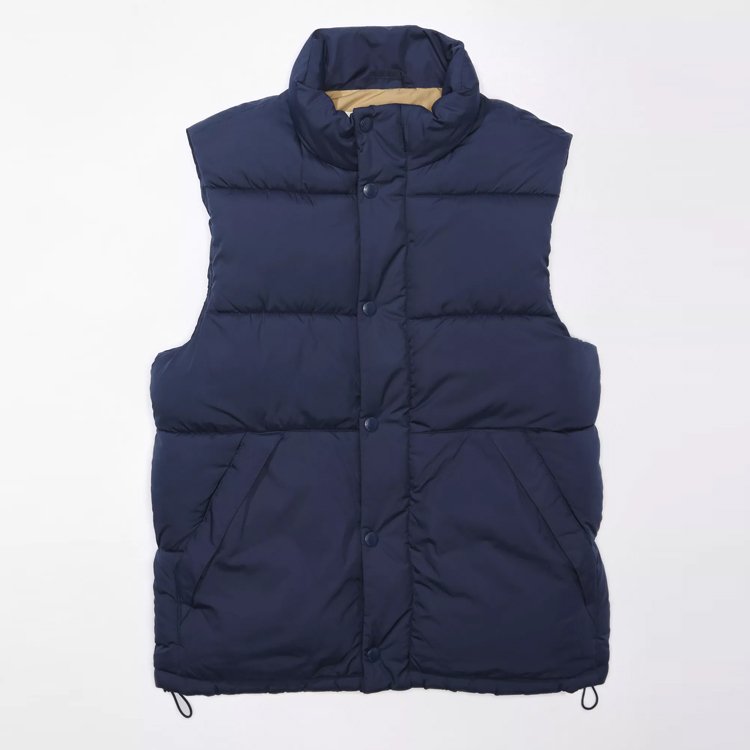





Related Lightweight Puffer Vest Catalogue & Quotation
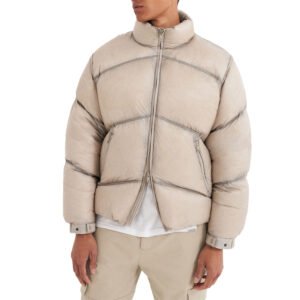


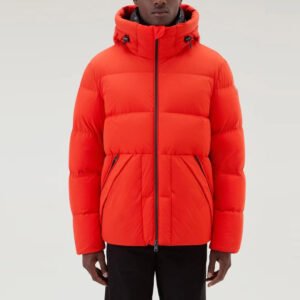


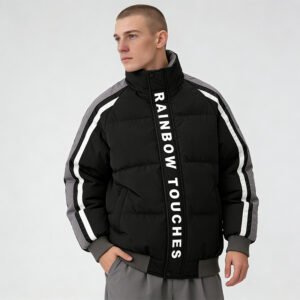
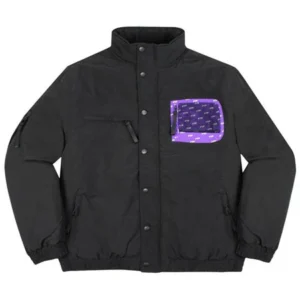


Lightweight Puffer Vest Manufacturer Built for Production-Ready Programs
Practical development support for fashion labels, streetwear brands and corporate buyers, from first sample through packed bulk goods.
100-Piece Style MOQ
Launch focused vest drops from 100 pieces per style while establishing repeatable specifications for future reorders.
Development-Led Sampling
Turn tech packs, sketches or reference images into reviewed patterns, material options and approval-ready lightweight puffer vest samples.
Menswear-Focused Fit
Refine body width, shoulder balance, armhole shape and grading for streetwear, fashion and corporate outerwear programs.
Material Trade-Off Guidance
Compare shell, lining and insulation options against weight, warmth, hand feel, target price and intended end use.
Documented Quality Checkpoints
Use approved samples, in-line inspections and final quality checks to keep bulk production aligned with confirmed specifications.
Private-Label Details
Coordinate labels, hangtags, zipper pulls, patches, packaging and decoration details within one accountable production workflow.
More Lightweight Puffer Vest Manufacturer Options and Guides
Compare adjacent product categories, manufacturing options and practical buyer resources from the VeeWen architecture.

Down & Outdoor Apparel Manufacturing
Down & outdoor apparel manufacturer for OEM and private-label programs from 100 pieces per style. Build approved samples and request a custom quote today.
Explore Category
Women Down Jacket Manufacturer
Women down jacket manufacturer for OEM and private-label programs from 100 pieces per style. Develop, sample and source with one partner. Request a quote.
Explore Category
Mens Puffer Jacket Manufacturer
Mens puffer jacket manufacturer for OEM and private-label programs from 100 pieces per style. Develop samples, specs and bulk goods with VeeWen. Request a quote.
Explore Category
Womens Puffer Jacket Manufacturer
Womens puffer jacket manufacturer for OEM and private-label programs from 100 pieces per style. Confirm specifications, request a custom quote today.
Explore Category
Goose Down Jacket Manufacturer
Goose down jacket manufacturer for OEM and private-label programs from 100 pieces per style, with sampling and documented QC. Request a custom quote.
Explore Category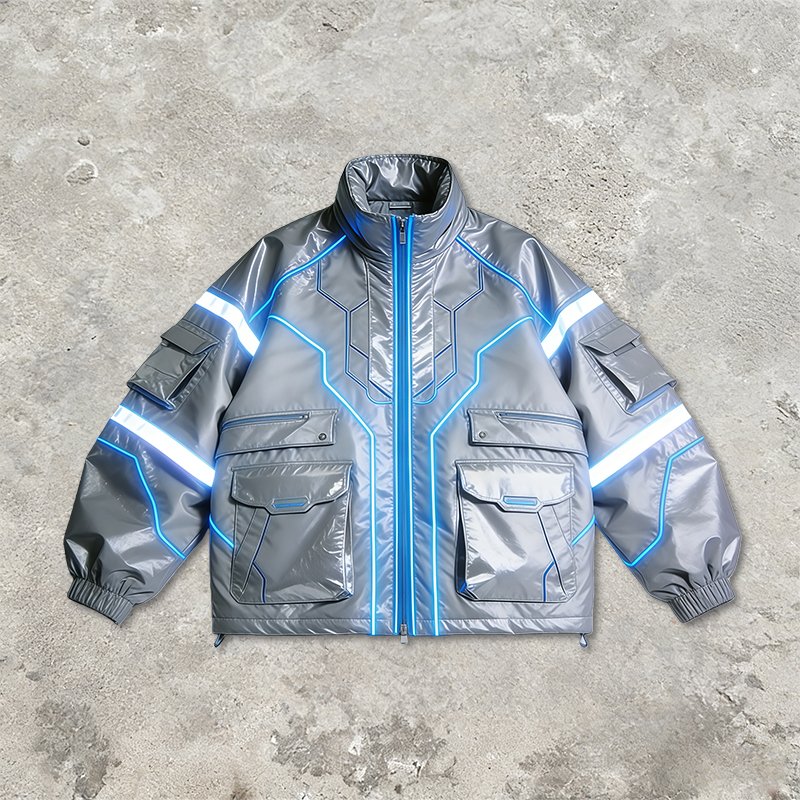
Down Jacket Manufacturer China
Down jacket manufacturer china programs start at 100 pieces per style, with OEM development, sampling, QC and private-label packing. Request a quote today.
Explore Category
Puffer Vest Manufacturer
Choose a puffer vest manufacturer with a 100-piece MOQ, OEM development and private-label trims. Send your tech pack and request a custom quote today.
Explore Category
Waterproof Down Jacket Manufacturer
Waterproof down jacket manufacturer for OEM and private-label programs from 100 pieces per style, with sample-to-bulk coordination. Request a custom quote.
Explore CategoryShell, Lining & Insulation Materials

Recycled Nylon Shell
A smooth, lightweight shell for packable city and outdoor puffer vests. Typically 20D to 40D, it offers strong tear resistance and can be paired with a durable water-repellent finish.

Matte Polyester Shell
A dependable shell option with a soft matte hand for everyday streetwear and corporate outerwear. Commonly 50D to 75D, it provides reliable abrasion resistance, color consistency and accessible pricing.
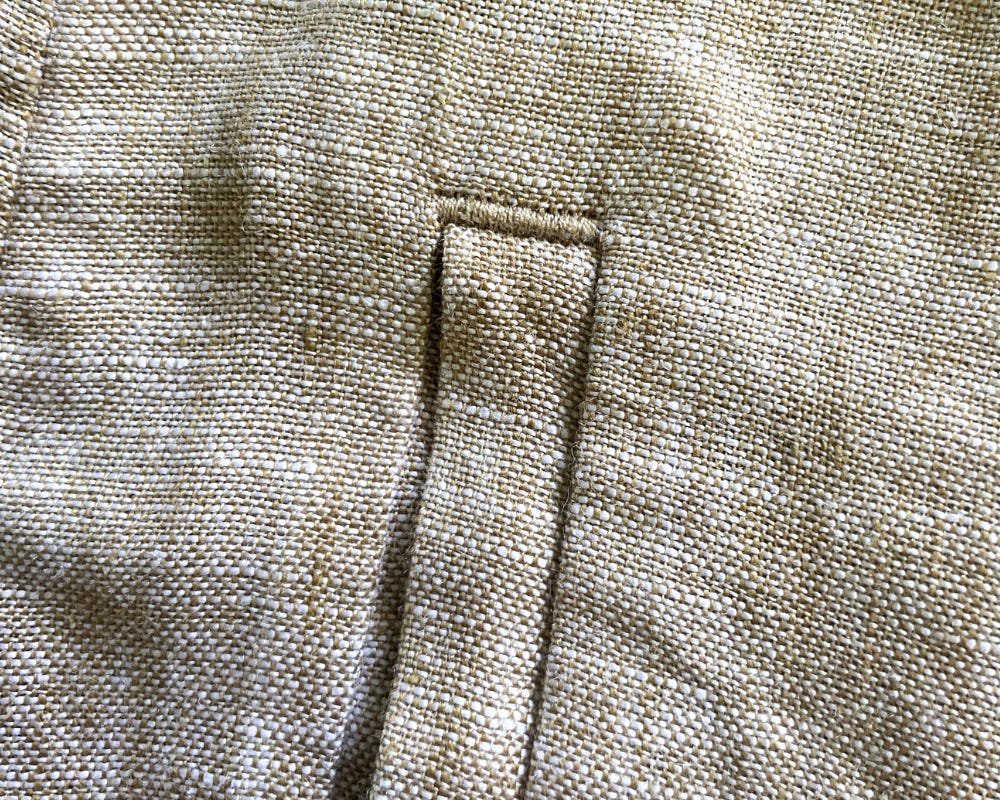
Ripstop Nylon Shell
A crisp, technical fabric suited to lightweight utility and performance-inspired vests. Its reinforced grid construction helps limit tear spread, while low-denier versions retain a compact, easy-to-layer feel.
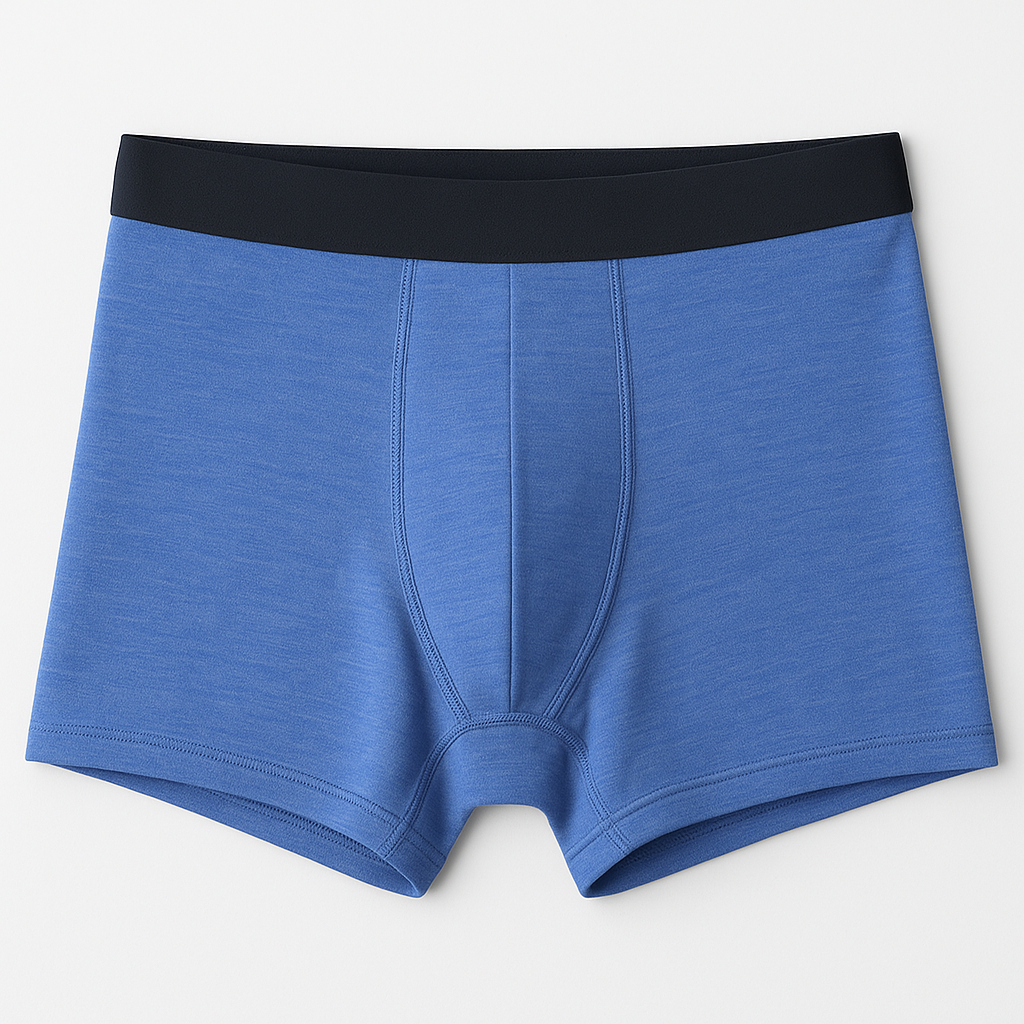
Polyester Taffeta Lining
A smooth, low-friction lining that helps a vest layer easily over knitwear and sweatshirts. Usually lightweight with a clean hand, it supports efficient filling insertion and dependable wear resistance.

Recycled Polyester Fill
A versatile synthetic insulation for lightweight puffer vest programs needing warmth without excessive bulk. Available in different fill weights, it keeps a lofted hand and performs reliably when exposed to light moisture.

Lightweight Puffer Vest Construction & Decoration Options
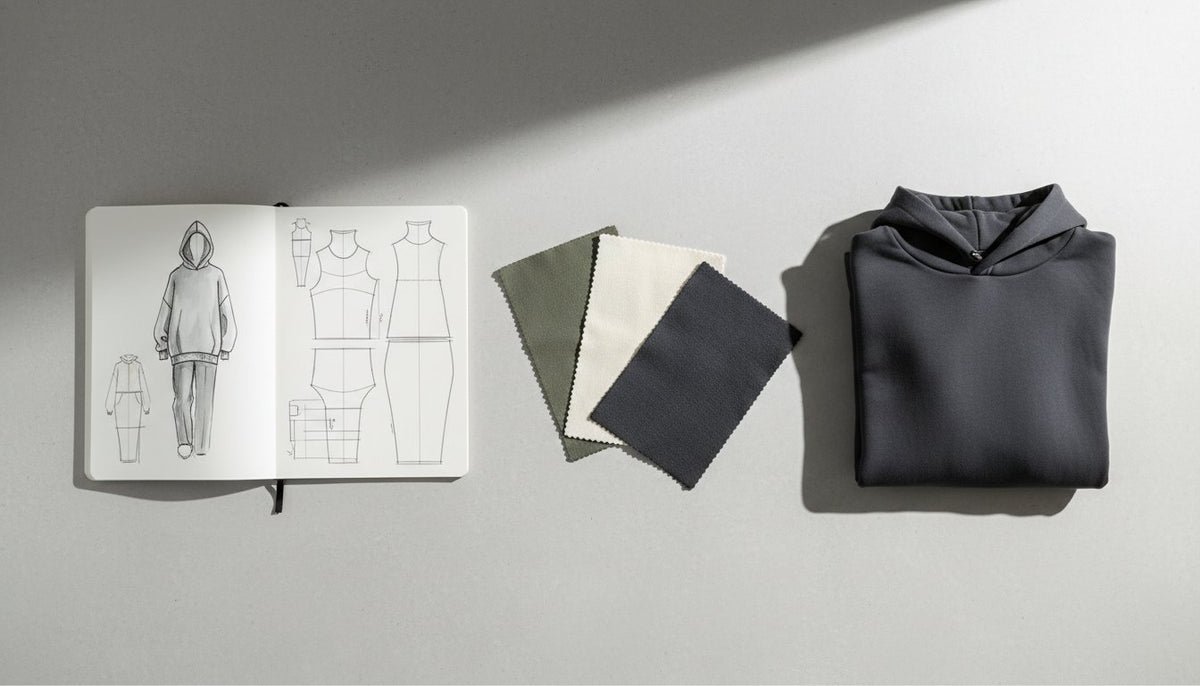
Channel Quilting
Precisely spaced quilt channels secure insulation, control loft and define the vest silhouette. We can develop horizontal, vertical or engineered panel layouts, balancing warmth distribution, stitch strength and the clean appearance required for branded outerwear.
Logo Embroidery
Flat or 3D embroidery adds a tactile, premium logo finish to chest panels, back yokes or collar areas. Stitch density and backing are tested against the shell fabric to retain shape without causing puckering or unwanted stiffness.

Screen Printing
Screen printing delivers bold, durable graphics for lightweight puffer vest shells, linings or pocket areas. Ink selection is matched to the fabric surface and flexibility required, helping artwork remain clear through regular wear and garment movement.

Heat Transfers
Heat transfers suit detailed multicolor artwork, small logos and placement-specific branding where direct printing is impractical. We review transfer type, adhesion and finish against your shell fabric so the result stays flexible, smooth and production-ready.
Patch Application
Woven, rubber, silicone or embroidered patches create a distinct private-label focal point on lightweight puffer vests. Attachment method and placement are chosen for the shell construction, helping the patch sit securely without disrupting insulation or drape.
Private-Label Trims for Lightweight Puffer Vest Programs


Snap Button Closures
Add branded snap buttons to storm plackets, side vents, detachable hoods, or pocket flaps. Finish options help balance a clean streetwear appearance with the practical opening and adjustment points your vest requires.
Woven Brand Labels
Specify woven main labels, size labels, care labels, and flag labels for clear brand identification. Label placement is reviewed during sampling to protect comfort, readability, and consistent private-label presentation across the size run.
Drawcords And Tipping
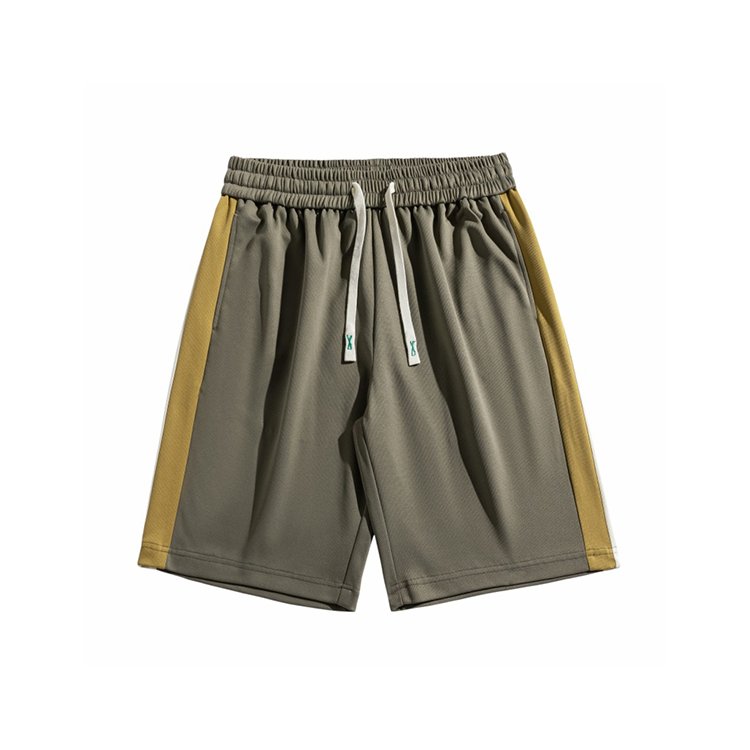
Use adjustable drawcords at hems or hoods to refine fit and retain warmth. Select cord thickness, stopper style, aglet finish, and contrast tipping that complements the shell fabric without adding unnecessary bulk.
Branded Retail Packaging
Complete the program with custom hangtags, polybags, barcode stickers, tissue, and carton markings. Packaging details keep your lightweight puffer vest manufacturer order organized for wholesale receiving, e-commerce fulfillment, or retail display.
About VeeWen, Your Lightweight Puffer Vest Manufacturer
Founded in 2016 by ChangKeng Luo, Dongguan VeeWen Clothing Co., Ltd. helps menswear and streetwear brands turn outerwear ideas into production-ready collections. As a lightweight puffer vest manufacturer, we work from tech packs, sketches, reference samples, or an early concept with direct, practical development guidance.
Our Dongguan team coordinates fabric and insulation sourcing, pattern development, sampling, fit review, decoration testing, bulk production, quality checks, private-label trims, packing, and shipment preparation. With a standard MOQ of 100 pieces per style, buyers can launch a focused puffer vest program without losing control of repeatable specifications.
VeeWen stands apart through an accountable, visual, production-minded workflow. We explain the trade-offs behind shell weight, lining choice, fill profile, quilting, embroidery, and trims before bulk approval, so global labels and buyers can make decisions with approved samples and documented checkpoints.

Lightweight Puffer Vest Manufacturer Capabilities
Specification-Led Vest Development
VeeWen turns tech packs, sketches, reference samples, and visual concepts into workable puffer vest specifications. We clarify fit block, body length, baffle layout, insulation placement, pocket construction, and graded measurements before sampling, so creative direction becomes repeatable bulk-production standards.
- Tech-pack and reference-sample interpretation
- Fit, baffle, and construction clarification
- Graded measurements for consistent size runs
- 100-piece-per-style MOQ for focused launches

Materials and Trims Matched
As a lightweight puffer vest manufacturer, VeeWen sources shell fabrics, linings, insulation, zippers, and branded components around the intended hand feel, warmth level, price point, and end use. Recommendations make trade-offs clear, including fabric weight, fill volume, durability, and production timing.
- Nylon, polyester, and performance shell options
- Lining and insulation selection guidance
- Zippers, pulls, labels, and patches coordinated
- Material choices aligned to target pricing

Sampling With Fit Review
Sampling is the checkpoint where vest proportions and practical performance are confirmed before bulk production. VeeWen reviews fit, shoulder balance, armhole comfort, pocket access, fill distribution, and trim placement against your approved direction, then documents revisions for pre-production confirmation.
- Prototype and revised sample coordination
- Fit review across key measurements
- Decoration and trim placement checks
- Approved sample records for bulk reference

Quality Checks Through Production
VeeWen manages bulk puffer vest production with documented checkpoints from material preparation through packing. In-line inspection and final quality checks focus on stitching, baffle alignment, fill consistency, zipper operation, labeling, and packing accuracy, helping buyers receive goods aligned with the approved sample.
- In-line construction inspections
- Final checks before packing
- Labels, hangtags, and polybags verified
- Shipment coordination for international buyers

Why Buyers Choose VeeWen Over Typical Suppliers
VeeWen gives lightweight puffer vest programs practical development control from first brief through packed bulk goods.
← Swipe left or right to view →
Lightweight Puffer Vest Manufacturer: From Tech Pack to Shipment
A production-minded workflow that turns approved outerwear specifications into packed bulk goods with clear checkpoints at every stage.
Clarify the Product
We review tech packs, sketches or reference samples, then confirm fit block, fill direction, construction details, target price and private-label requirements.
Source Materials and Trims
VeeWen recommends shell, lining, insulation, zippers and labels based on hand feel, warmth, weight, durability, color and intended end use.
Develop and Approve Samples
Patterns, sample vests and decoration tests are prepared for fit review, allowing buyers to verify measurements, quilting, branding placement and workmanship before bulk production.
Cut and Produce Bulk
After pre-production confirmation, our lightweight puffer vest manufacturer team coordinates cutting, sewing, insulation assembly, quilting and approved decoration across the production run.
Inspect, Pack and Ship
In-line inspections and final quality checks verify construction, measurements and finishing before branded packaging, carton preparation and shipment coordination for your destination.
Choose Your Lightweight Puffer Vest Manufacturer
Move from concept to packed bulk goods through a clear, approval-led development process.
Send Your Brief
Send a tech pack, sketch, reference sample, or inspiration images with target quantities, sizes, fabric direction, insulation preferences, decoration details, and private-label requirements.
Review Development Details
Review VeeWen’s production guidance, material recommendations, development timeline, and transparent quotation. We clarify construction choices, fit specifications, MOQ, packaging, and next approval points.
Approve Your Sample
Approve the sample after fit, measurements, fabrics, fill weight, branding, and construction are checked. Confirm revisions before pre-production specifications are released for bulk manufacturing.
Launch Bulk Production
Move into bulk production with in-line inspections, final quality checks, packing, and shipment coordination. Your lightweight puffer vest manufacturer keeps documented specifications aligned for reorders.
Documented Standards for Buyer Review

Applicable material certificates and scope documents can be reviewed against the selected fabric and production order.

GOTS-related material and chain documentation is matched to the selected program and verified for current scope before use.

Current social-compliance audit documentation can be supplied for buyer review and onboarding when applicable.
Responsible-sourcing and audit records can be reviewed with the VeeWen team for the relevant factory and order scope.

Order-specific material declarations and test documentation are reviewed for applicable REACH requirements; this neutral icon denotes documentation rather than an official REACH certification logo.
Lightweight Puffer Vest Manufacturer FAQs
Practical answers on MOQ, samples, materials, payment, shipping and protecting your custom vest specifications.
What is the MOQ for a custom lightweight puffer vest?
Can a lightweight puffer vest manufacturer make a sample before bulk production?
How long does sampling and bulk production take for lightweight puffer vests?
What materials can you source for a lightweight puffer vest program?
How do payments work for a custom vest order?
Can VeeWen arrange international shipping for puffer vest orders?
How does VeeWen protect my designs, tech packs and brand details?
What should I send a lightweight puffer vest manufacturer to get an accurate quote?
Complete Guide to Choosing a lightweight puffer vest manufacturer
Use this decision framework to compare supplier capabilities, materials, customization, quality controls, pricing, and lead times—while avoiding the sourcing mistakes that can delay launches, dilute brand quality, or inflate landed costs.
1. What Is a lightweight puffer vest manufacturer?
100-piece MOQ is a practical starting point for a lightweight puffer vest manufacturer: it converts an approved concept into repeatable bulk goods through OEM, ODM, or private-label work. The factory manages pattern development, fabric and insulation sourcing, prototype sampling, construction, quality checks, packing, and shipment coordination.
1 buyer can supply a tech pack, graded measurements, Pantone references, artwork, trim specifications, or simply sketches and reference images. The supplier then clarifies the fit block, shell weight, fill type, quilting, zipper, labels, and packaging before a pre-production sample locks the specification.
2016-founded VeeWen can take that development path from a vest idea to branded production, with documented sample approvals and packing details rather than assumptions.
2. How Lightweight Puffer Vests Evolved
1936 is often cited as the point when quilted down garments moved insulation from bulky expedition gear toward wearable layering. Lighter shells, synthetic fills, and compact quilting later made vests practical for packable travel and changing commuter conditions.
2010s athleisure and streetwear shifted the vest from a midlayer to a visible silhouette: cropped, boxy, elongated, or oversized. A lightweight puffer vest manufacturer now needs to match fill loft and shell denier to the intended profile, rather than simply maximize warmth.
100-piece development runs reward precise positioning: choose recycled-content claims only when supplier documentation supports them, then align DWR weather protection, pocket layout, and branding with outdoor, commuter, or fashion use.
3. Types from a lightweight puffer vest manufacturer
Six architectures suit different channels. A lightweight puffer vest manufacturer should match insulation, shell, and trim complexity to the intended wearer and reorder plan.
Ultralight And Lifestyle
20D packables use thin nylon and stitch-through baffles for travel brands; compression trades warmth and abrasion resistance.
2-inch quilted lifestyle vests use broader channels and matte shells for retail labels; a cleaner look needs tighter shade control.
Outdoor And Corporate
3-layer performance vests pair ripstop shells with wind-resistant finishes for outdoor teams; taped details raise cost and testing needs.
600D workwear vests favor durable faces and logo zones for corporate buyers; heavier construction reduces packability.
Reversible And Oversized

2-face reversible vests serve capsule collections with contrast linings; dual fabrics and labels complicate bulk inspection.
20% wider oversized blocks suit streetwear labels; dropped shoulders require graded fit approval to avoid unstable armholes.
4. Materials a lightweight puffer vest manufacturer uses
20D–40D shells balance packability and abrasion; 35–60 GSM linings keep bulk low. Specify performance alongside a verified material certificate, not a generic recycled claim.
| Material | Performance | Price | Best Use |
|---|---|---|---|
| Recycled polyester | 30D, WR | Entry–mid | E-commerce drops |
| Nylon | 20D, durable, WR | Mid–premium | Packable outerwear |
| Technical blend | Breathable membrane | Premium | Active layers |
Shell And Lining
20D nylon is light and durable; recycled polyester is value-led. A technical blend adds breathability but costs more.
Insulation Selection
600–800 fill-power down offers loft; recycled polyester insulates when damp. State fill weight and baffle target, not fill power alone.
Trims And Proof
5C coil zippers, elastic binding, and WR finish must suit the intended wash. Request applicable GRS or OEKO-TEX documentation for supplied materials.
5. Customization and Decoration Options
At a 100-piece MOQ, approve the fit block, quilt map and Pantone colorway before sampling. Contrast panels, branded zippers and labels create recognition without changing core function.
| Technique | Best Location | Shell Risk |
|---|---|---|
| Heat transfer | Flat chest panel | Low if pressed correctly |
| Woven patch | Back yoke | Avoid quilt channels |
| Flat embroidery | Unquilted chest | Puckering on thin nylon |
Fit And Quilting
Three blocks—regular, boxy and cropped—need approved chest, length and armhole measurements. Horizontal, chevron or diamond quilting changes visual scale.
Private-Label Details

One woven side label or neck print avoids collar bulk. Branded pulls, hangtags and polybags require abrasion and packing checks.
Logo Placement

Lightweight shells suit small flat embroidery, patches and heat-transfer logos on unquilted chest or back-yoke panels. Dense stitching can pucker thin nylon; avoid insulation channels.
6. Key Vest Construction Quality Elements
At sample approval, inspect construction against a written spec, not appearance alone. A lightweight puffer vest manufacturer should document tolerances and repeat the checks during bulk production.
Baffles And Fill Control

20–35 mm stitch spacing keeps baffles stable without excessive needle perforation. Check for skewed channels, cold spots, fill migration, and uneven loft after shaking.
Seams, Binding, And Zippers

8–10 stitches per inch is a practical starting point for shell seams, adjusted for fabric weight. Test zipper travel, armhole binding stretch, pocket bartacks, and lining catches; failures cause seam opening, abrasion, snagging, or lost contents.
Fit And Finishing Checks

±1 cm chest and body-length tolerances should be agreed by size before bulk cutting. Verify hem-cord adjustment, clean lining turns, pocket symmetry, and graded measurements; these prevent twisting, exposed raw edges, and inconsistent fit.
7. Choosing a lightweight puffer vest manufacturer
Before any deposit, compare a lightweight puffer vest manufacturer against approved evidence, not sales assurances. A 100-piece MOQ can work only when specifications, approvals, and delivery responsibilities are documented.
Ask for Comparable Programs
Three recent vest samples should show baffle construction, fill control, and binding quality. Request photos, graded measurement sheets, and a reference contact where permitted.
Validate Development And Sourcing
One pre-production sample should confirm fabric, fill, Pantone color, trims, and packing. Ask for supplier records, test reports, and clear alternatives if nominated materials cannot be sourced.
Confirm Control And Delivery
Two inspection points—in-line and final—should be recorded against the approved sample. Confirm compliance documents, production window, shipping terms, and one English-speaking owner for revisions.
8. Common Buyer Mistakes to Avoid
At a 100-piece MOQ, one unclear approval can make an entire drop unsellable. Treat every quote, sample, and pre-production signoff as a specification checkpoint.
Lock the Tech Pack
One vague sketch leaves fabric, fill weight, measurements, and trims open to interpretation. Specify Pantone, construction, logo size, and tolerances before sampling.
Test Fit, Fill, And Logos
Two fill options at the same price can differ sharply in warmth, loft, and recovery. Approve a graded size set and decoration test; dense embroidery can distort lightweight shells.
Verify Claims And Comparisons
Three quotes are not comparable unless shell, lining, fill, hardware, packaging, and Incoterms match. Request supporting sustainability documents, then approve a pre-production sample before bulk cutting.
9. Steps to Launch Your Vest Brand
A first run becomes controllable when each approval locks one variable before the next begins. At VeeWen, the standard 100-piece-per-style MOQ suits a focused launch with documented decisions.
Define The Product Brief
1 target customer, price point, size range, color count, reference images, and delivery date form the brief. Add a measurement chart and trim list before requesting quotation.
Develop And Approve Samples
1 tech pack should specify shell, lining, fill weight, quilting, Pantone colors, artwork, labels, and packing. Approve the prototype after fit and construction revisions, then sign off the pre-production sample before bulk cutting.
Control Bulk Through Delivery
2 checkpoints—inline inspection and final inspection—should compare bulk goods against the approved sample and measurement tolerances. Confirm carton marks, polybags, hangtags, quantity breakdown, and shipment documents before delivery.
10. Lightweight Puffer Vest Pricing and Costs
100-piece runs typically carry the highest unit cost because patterns, sampling, and line setup are spread across fewer vests. Compare quotes only after locking shell composition, insulation weight, quilting map, trims, decoration, packaging, and any OEKO-TEX, GOTS, WRAP, or BSCI requirements.
7–21 days for samples and 30–60 days for bulk are common planning ranges after approvals. Budget separately for samples, freight, import duties, and independent quality inspection; the lowest FOB price can become the highest landed cost.
| Order quantity | Indicative FOB unit price | Common bulk lead time |
|---|---|---|
| 100–299 pieces | US$14–28 | 45–60 days |
| 300–999 pieces | US$11–23 | 35–50 days |
| 1,000+ pieces | US$8–18 | 30–45 days |
Ready to Develop Your Lightweight Puffer Vest?
Send your tech pack, sketch or reference image to VeeWen for a custom OEM quotation, sampling guidance and 100-piece-per-style MOQ.