
Denim Manufacturing for Brands, From Sample to Bulk
Launch custom denim manufacturing with a 100-piece-per-style MOQ, China-based development, washes, private labeling, quality checks and shipment coordination.
Featured Products for denim manufacturing Development
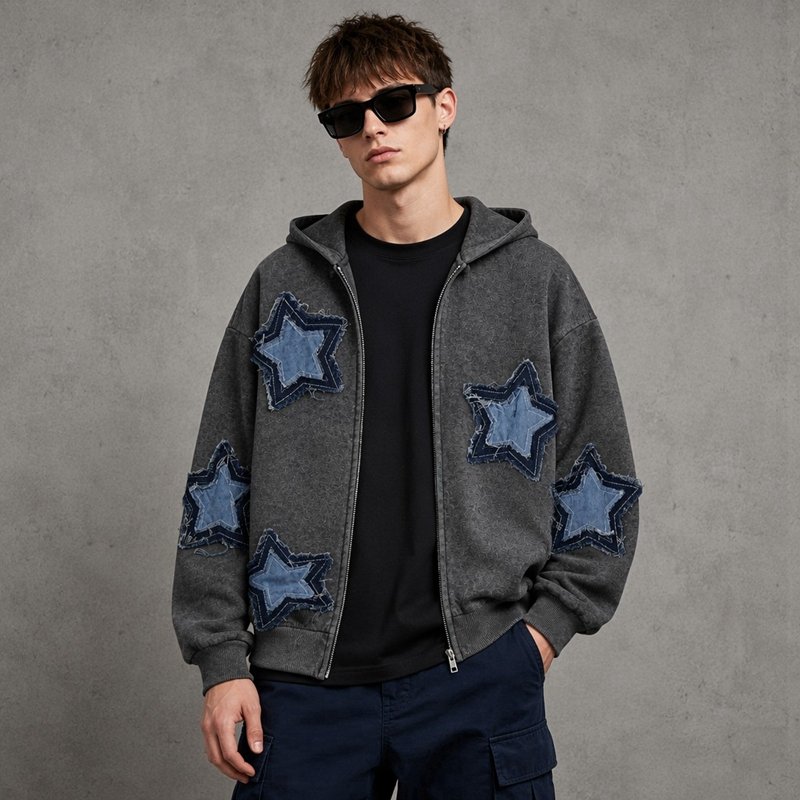


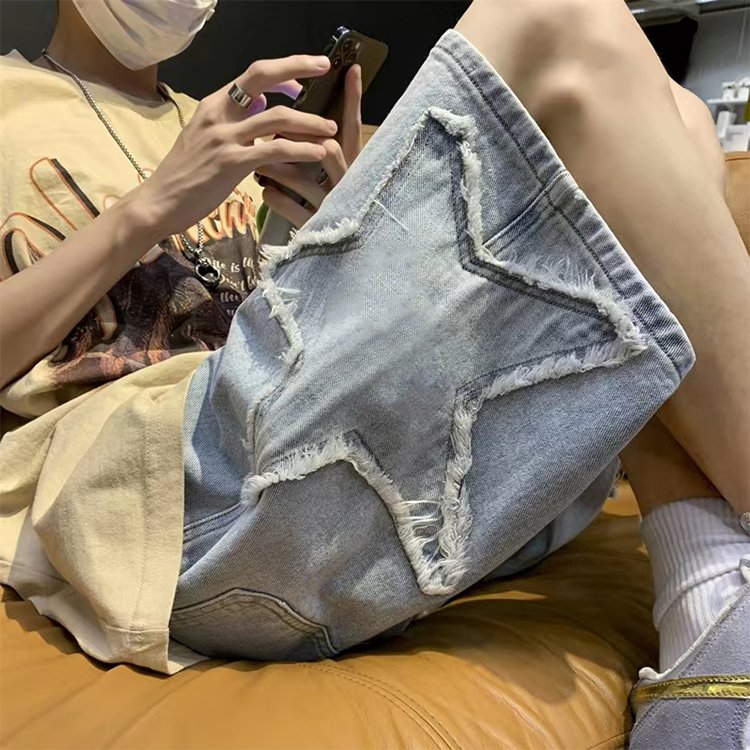


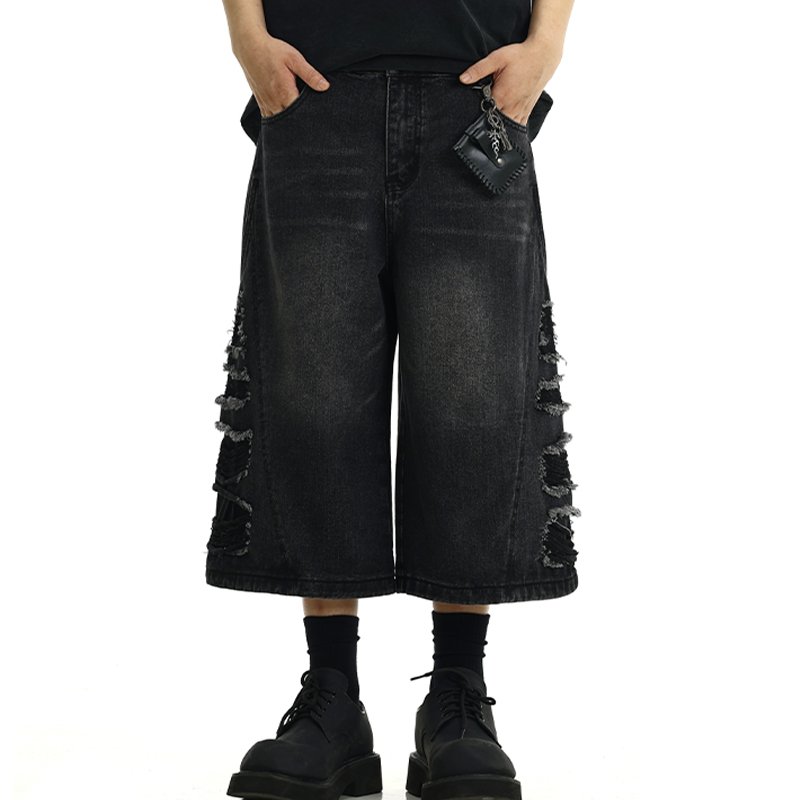
Related Denim Product Catalogue and Quotation



Why VeeWen Works for Denim Manufacturing
Practical development support for focused denim drops, from first fit review to packed bulk goods.
100-Piece Style MOQ
Launch focused denim styles from 100 pieces per style while building repeatable specifications for future reorders.
Fit Blocks Made Clear
Translate references into practical measurements for rise, inseam, leg shape, body fit, grading, and consistent wearability.
Wash Direction Coordination
Match fabric, wash effects, fading, distressing, and shrinkage expectations before bulk production to protect the intended result.
Trims Built for Branding
Coordinate labels, buttons, rivets, zipper pulls, patches, hangtags, and packaging details for a cohesive private-label denim program.
Documented Approval Checkpoints
Use approved samples, pre-production confirmation, in-line inspection, and final quality checks to keep decisions visible and accountable.
One Accountable Workflow
Bring fabric sourcing, sampling, bulk denim manufacturing, packing, and shipment coordination under one production-minded partner.
More Denim Manufacturing Options and Guides
Compare adjacent product categories, manufacturing options and practical buyer resources from the VeeWen architecture.

Denim Apparel Manufacturing
Denim apparel manufacturer VeeWen delivers OEM, ODM and private-label denim development from 100 pieces per style. Send your tech pack to request a quote.
Explore Category
Custom Cargo Jeans Manufacturer
Custom cargo jeans manufacturer for OEM, ODM and private-label programs from 100 pieces per style. Send your tech pack and request a custom quote today.
Explore Category
Custom Embroidered Denim Jackets Manufacturer
Custom embroidered denim jackets manufacturer with a 100-piece MOQ for OEM, ODM and private-label programs. Send your tech pack and request a quote today.
Explore Category
Custom Oversized Denim Jackets Manufacturer
Custom oversized denim jackets manufacturer with a 100-piece MOQ, OEM development, private labels and approved samples. Request a custom quote today.
Explore Category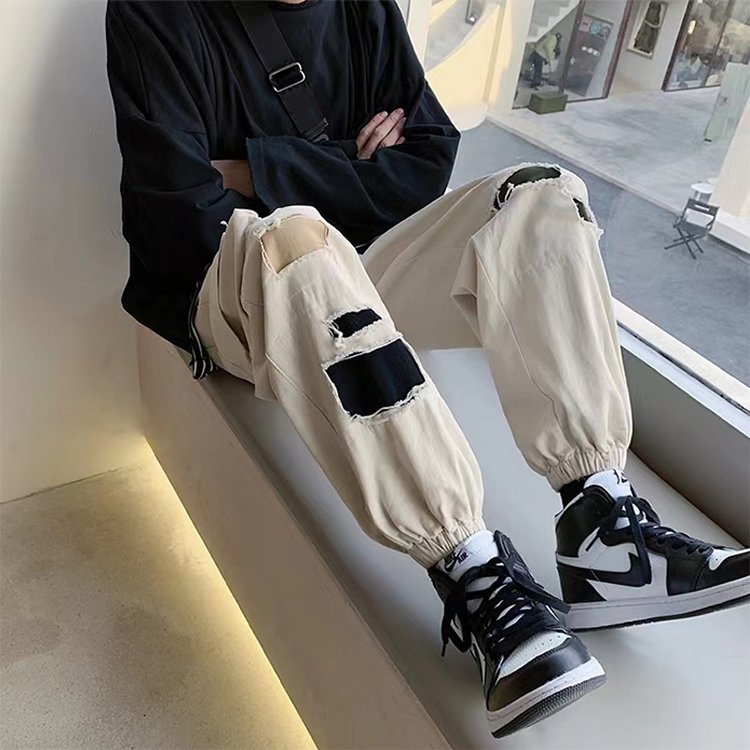
Alibaba Jeans Manufacturer
Alibaba jeans manufacturer VeeWen supports private-label denim from 100 pieces per style, with sampling, washes and QC in one workflow. Request a quote.
Explore Category
Best Jeans Manufacturer
Best jeans manufacturer for OEM, ODM and private-label denim from 100 pieces per style. Develop samples, washes and trims with VeeWen—request a quote.
Explore Category
Premium Jeans Water Saving Manufacturing Processes
Premium jeans water-saving manufacturing processes for OEM labels, from 100 pieces per style with documented wash specifications. Request a custom quote.
Explore Category
China Jeans Supplier
China jeans supplier for OEM and private-label denim from 100 pieces per style, with sampling, washes and custom trims. Request a custom quote today.
Explore CategoryDenim Manufacturing Fabrics and Material Options

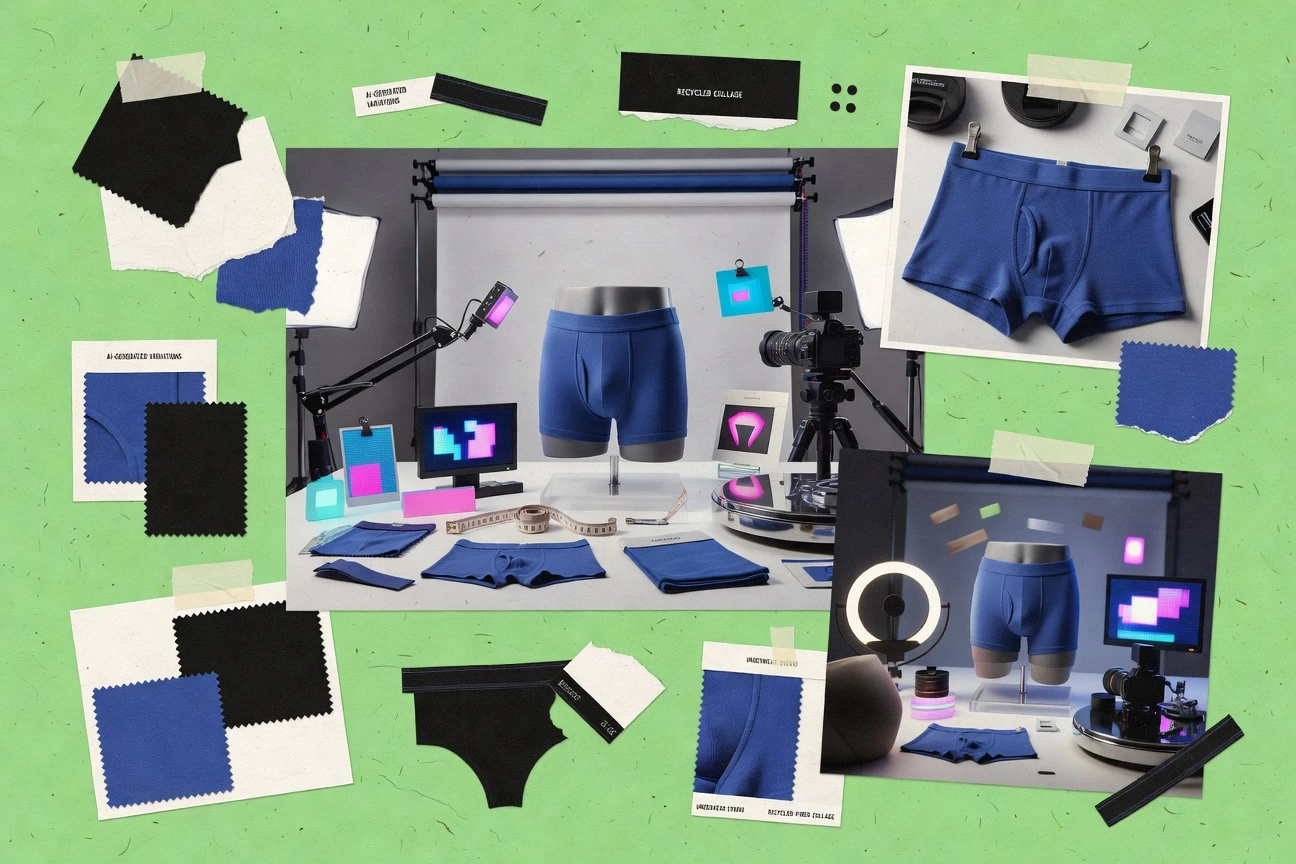
Lightweight Denim Chambray
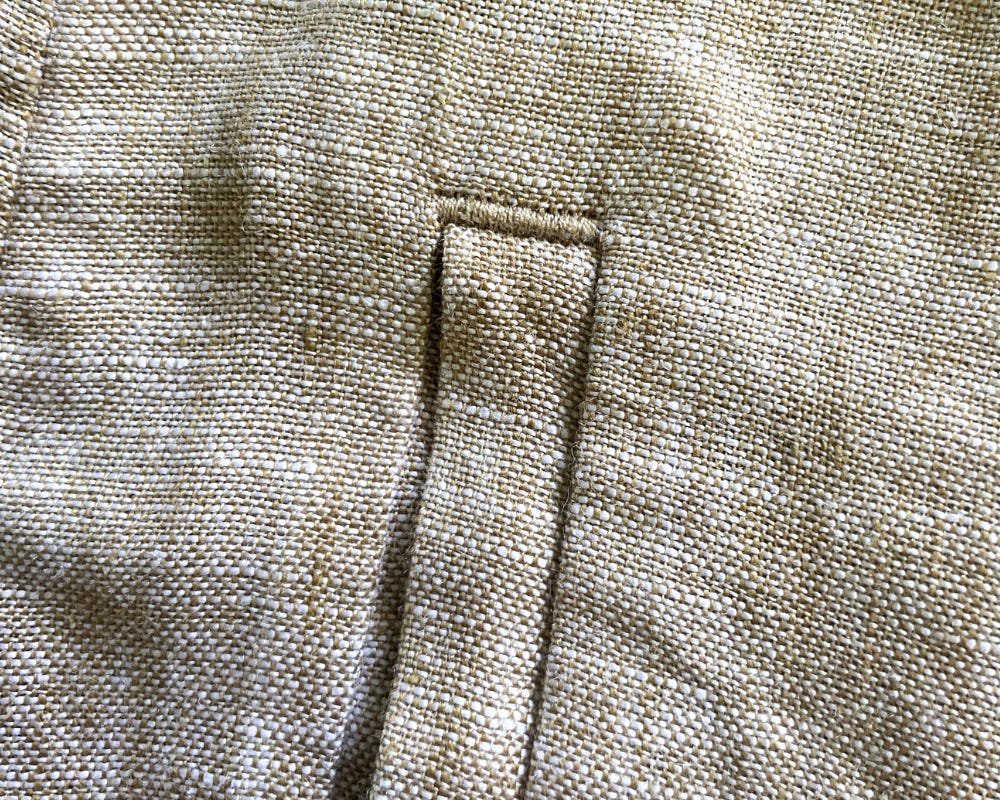
A softer, more breathable denim-look fabric for shirts, overshirts, dresses, and warm-weather sets. Often 4–7 oz, its plain-weave construction drapes more easily than traditional twill denim.
Tencel Blend Denim
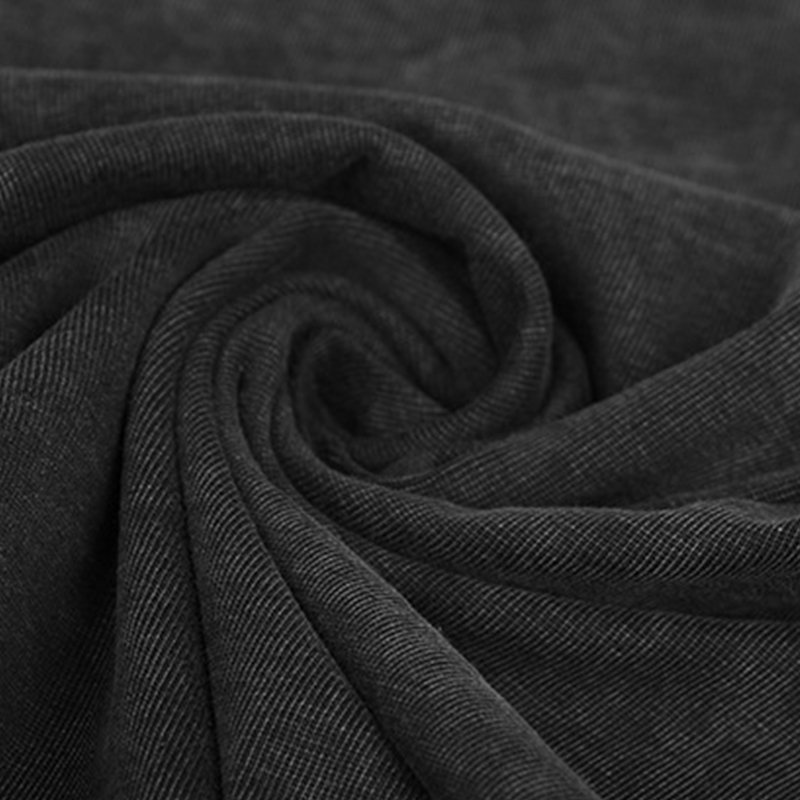
A smooth, fluid denim blend for relaxed jeans, wide-leg styles, and fashion-led separates. Tencel adds softness and drape while helping a midweight fabric feel lighter against the skin.

Recycled Cotton Denim
Responsible-content denim for brands prioritizing material storytelling in jeans, jackets, and workwear. Recycled cotton can create a drier, more textured hand, so VeeWen aligns fiber mix and weight with the intended wash.
Denim Manufacturing Washes, Printing and Finishing

Enzyme Wash
Enzyme washing softens denim and creates a worn-in hand feel with more controlled color reduction than abrasive methods. It suits everyday jeans, overshirts and jackets requiring comfortable drape and repeatable finish expectations.

Stone Wash
Stone washing adds visible fading, texture and a broken-in appearance by working the garment with stones. It gives denim a more casual vintage character; approve samples carefully because wash intensity affects shade variation and abrasion.
Distressing Details
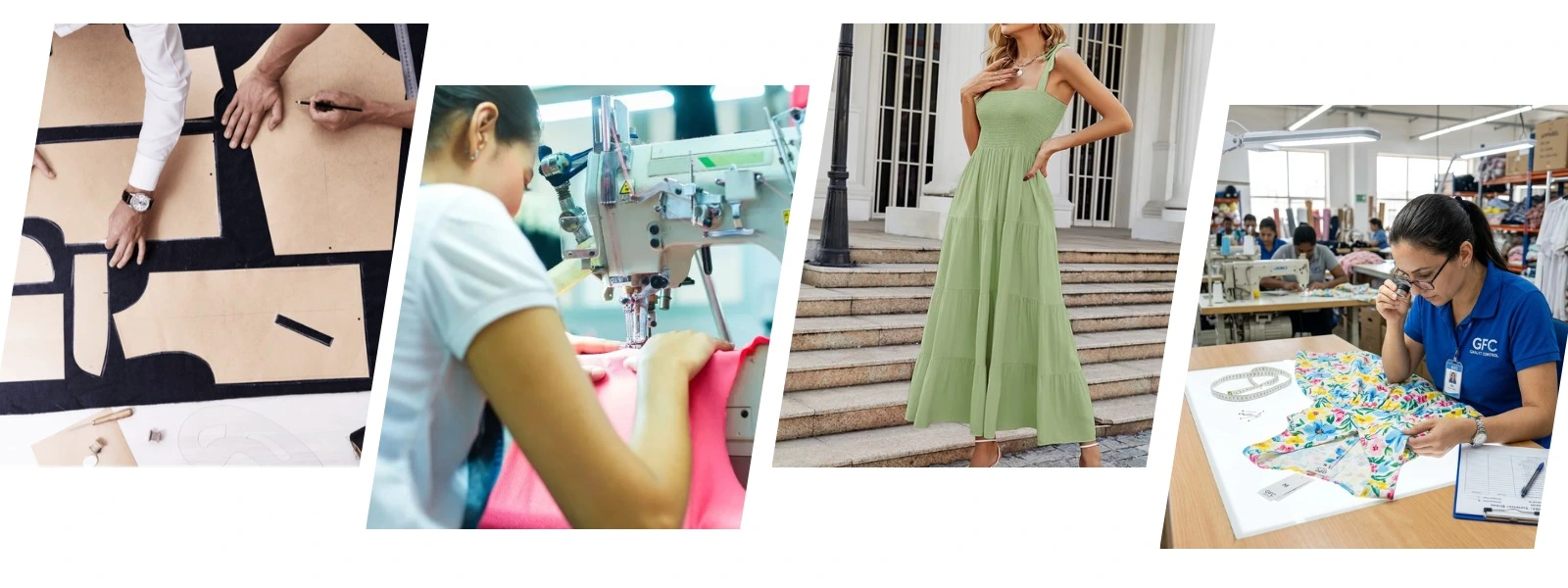
Hand-applied or controlled distressing can introduce whiskers, abrasions, frayed hems, tears and localized fading. Placement maps and approved samples keep the look intentional while helping maintain durability across a 100-piece-per-style denim manufacturing order.

Screen Printing
Screen printing applies bold graphics, branding and artwork directly onto denim using selected ink systems. Water-based, plastisol, puff or high-density options produce different hand feels, opacity and texture for branded jeans, jackets and coordinated streetwear.

Embroidery Application
Flat, 3D or patch-based embroidery adds dimensional logos and decorative detail to denim garments. Stitch density, backing and placement are reviewed before production because heavier embroidery can influence drape, comfort and garment wash behavior.
Pigment Dyeing
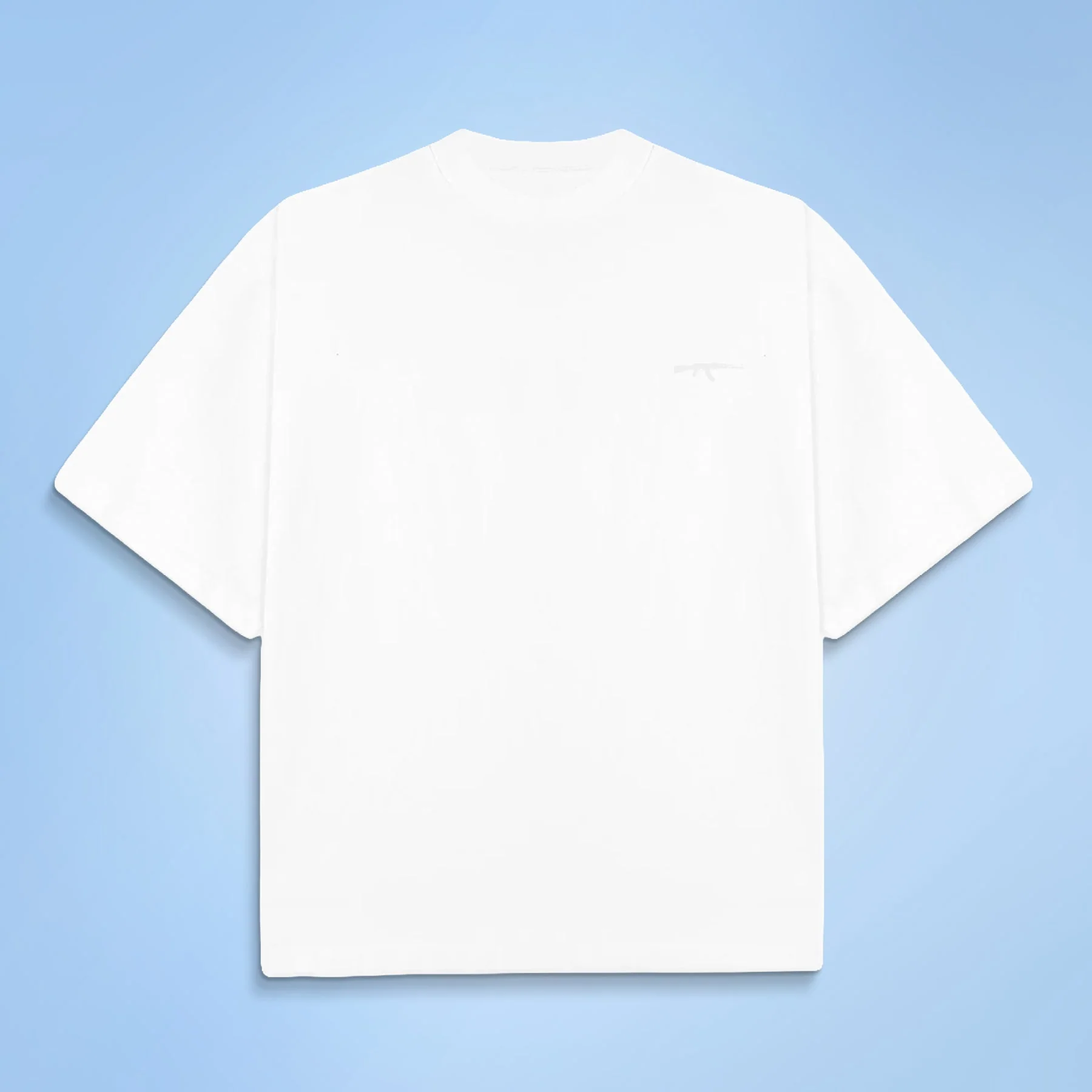
Pigment dyeing creates rich, lived-in color with natural-looking tonal variation after washing. It is effective for fashion denim and garment-dyed layers, with shrinkage and shade variation assessed through sampling before bulk finishing.
Denim Manufacturing Trims and Accessories

Custom Metal Buttons
Branded shank buttons, tack buttons and rivets add durable closure and recognizable identity to jeans, denim jackets and workwear. We can match finishes, logo artwork and placement to your approved production sample.

Custom Zipper Pulls
Select zipper types, metal finishes and branded pullers for fly fronts, pockets and denim outerwear. Hardware choices are reviewed alongside fabric weight and wash effects so movement, appearance and durability stay aligned.
Woven Brand Labels
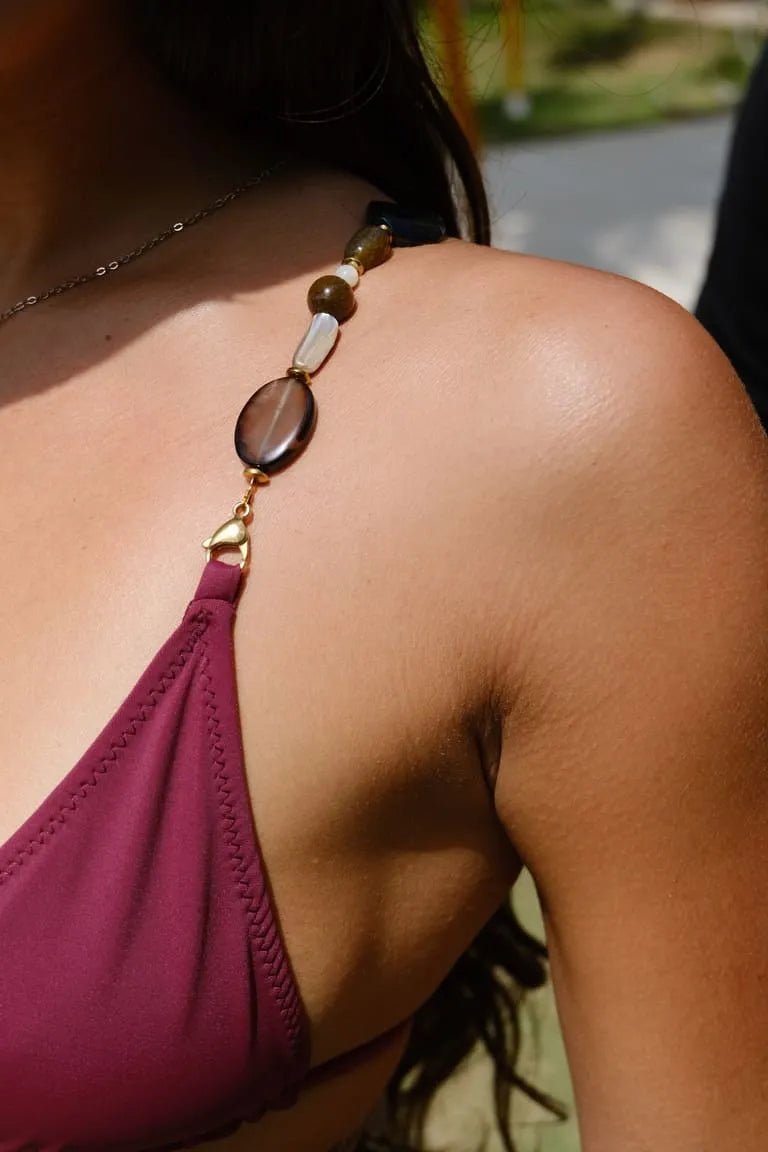
Woven main labels, size tabs and care labels give each denim piece consistent brand identification. VeeWen coordinates placement, fold style and label specifications before bulk production for a cleaner private-label finish.

Leather Logo Patches
Custom leather, faux-leather or washable patch options create a signature back-waist detail on jeans and denim bottoms. We assess patch material and attachment method against your selected wash for reliable appearance after finishing.

Custom Hangtags
Hangtags can carry your logo, sizing, collection story and garment information for wholesale or direct-to-consumer presentation. Choose stock, shape, print treatment and string details that suit your brand’s denim positioning.

Retail Ready Packaging
Coordinate branded polybags, sticker labels, barcode placement and packing instructions for shipment-ready denim goods. Clear packaging specifications help protect finished garments while supporting smoother receiving for retailers and e-commerce fulfillment.
About VeeWen Denim Manufacturing
Founded in Dongguan in 2016 by ChangKeng Luo, VeeWen was built to help brands turn clear visual direction into production-ready apparel. Our denim manufacturing work is grounded in practical discussions around fit, fabric weight, washes, trims and repeatable specifications for menswear and streetwear programs.
While menswear and streetwear remain our primary focus, VeeWen provides full-category development for men, women and children. OEM, ODM, private-label and cut-and-sew services bring fabric sourcing, pattern development, sampling, bulk production, quality checks and packaging into one accountable workflow, starting from 100 pieces per style.
We work directly and production-mindedly: buyers can begin with a tech pack, sketch, reference sample or idea, then review informed recommendations before approving the next stage. Rather than relying on unverified claims, we build confidence through clear specifications, approved samples, documented checkpoints and transparent communication.
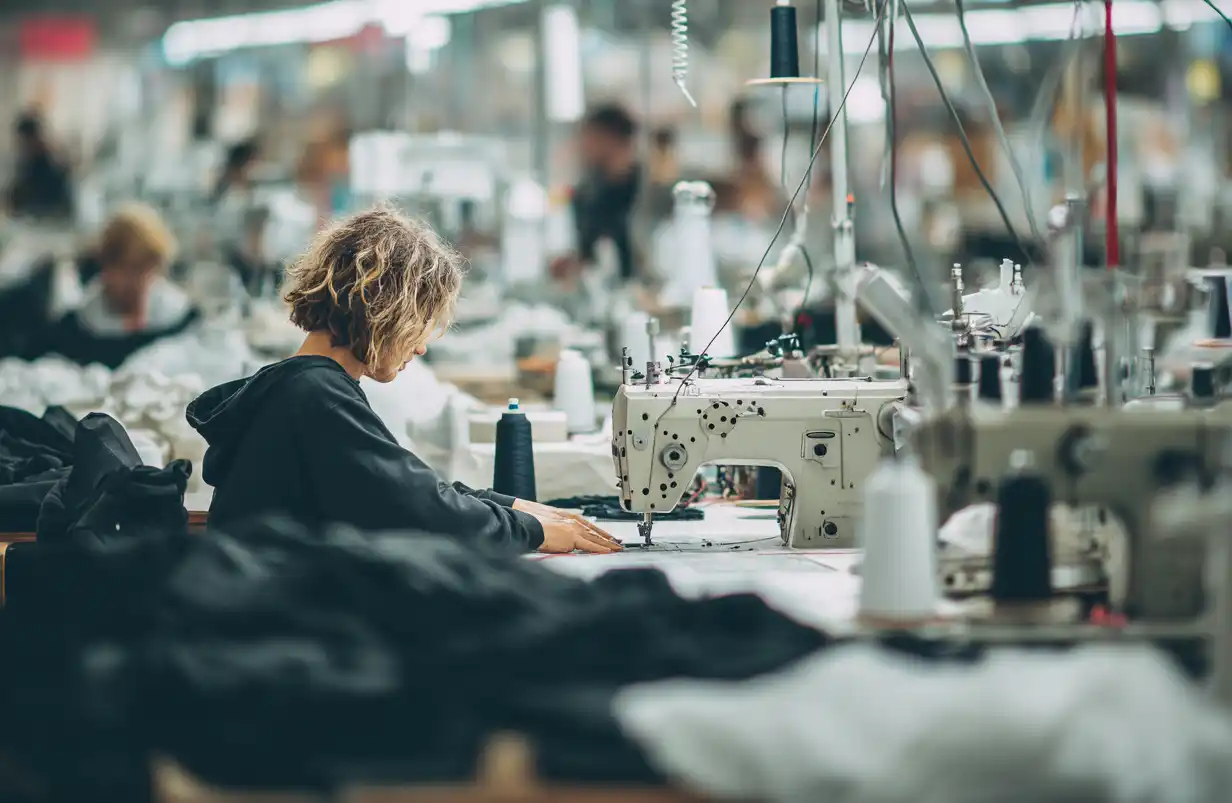
Denim Manufacturing Capabilities Built for Brand Specs
Pattern and Fit Control
Turn sketches, reference jeans or a tech pack into a repeatable denim block with practical review of silhouette, rise, leg shape, inseam, pocket placement and graded measurements before bulk production begins.
- Define straight, loose, baggy, tapered or wide-leg fit blocks
- Review front and back rise, thigh ease and leg opening
- Confirm pocket proportions, yoke shape and stitch placement
- Approve graded measurements through sample fit review

Wash Effects Planned Early
VeeWen plans wash direction alongside fabric and construction choices, helping denim manufacturing programs account for shrinkage, shade variation, abrasion placement and the final hand feel before approving pre-production samples.
- Match enzyme, stone, acid, snow or vintage wash effects
- Set distressing, whisker and fading placement from approved references
- Assess how washes affect size, color consistency and fabric feel
- Confirm wash standards with development and pre-production samples
Private-Label Details Executed
Build a coherent branded denim program with labels, hardware and packaging specified as part of the garment, not added as an afterthought. VeeWen coordinates details that support your retail presentation and reorder consistency.
- Add woven labels, care labels, size labels and hangtags
- Specify buttons, rivets, zipper pulls and leather-look patches
- Coordinate contrast stitching, embroidery, prints or appliques
- Prepare polybags and packing details for your sales channel

Documented Quality Checkpoints
Each denim order moves through approved checkpoints from sample confirmation to final packing. Clear specifications help identify fit, wash, trim and sewing issues early, while in-line and final checks support consistent bulk goods.
- Approve fabric, wash standard and trims before bulk release
- Inspect construction, measurements and decoration during production
- Check shade, wash appearance and hardware attachment
- Review final packing against agreed labeling and quantity requirements
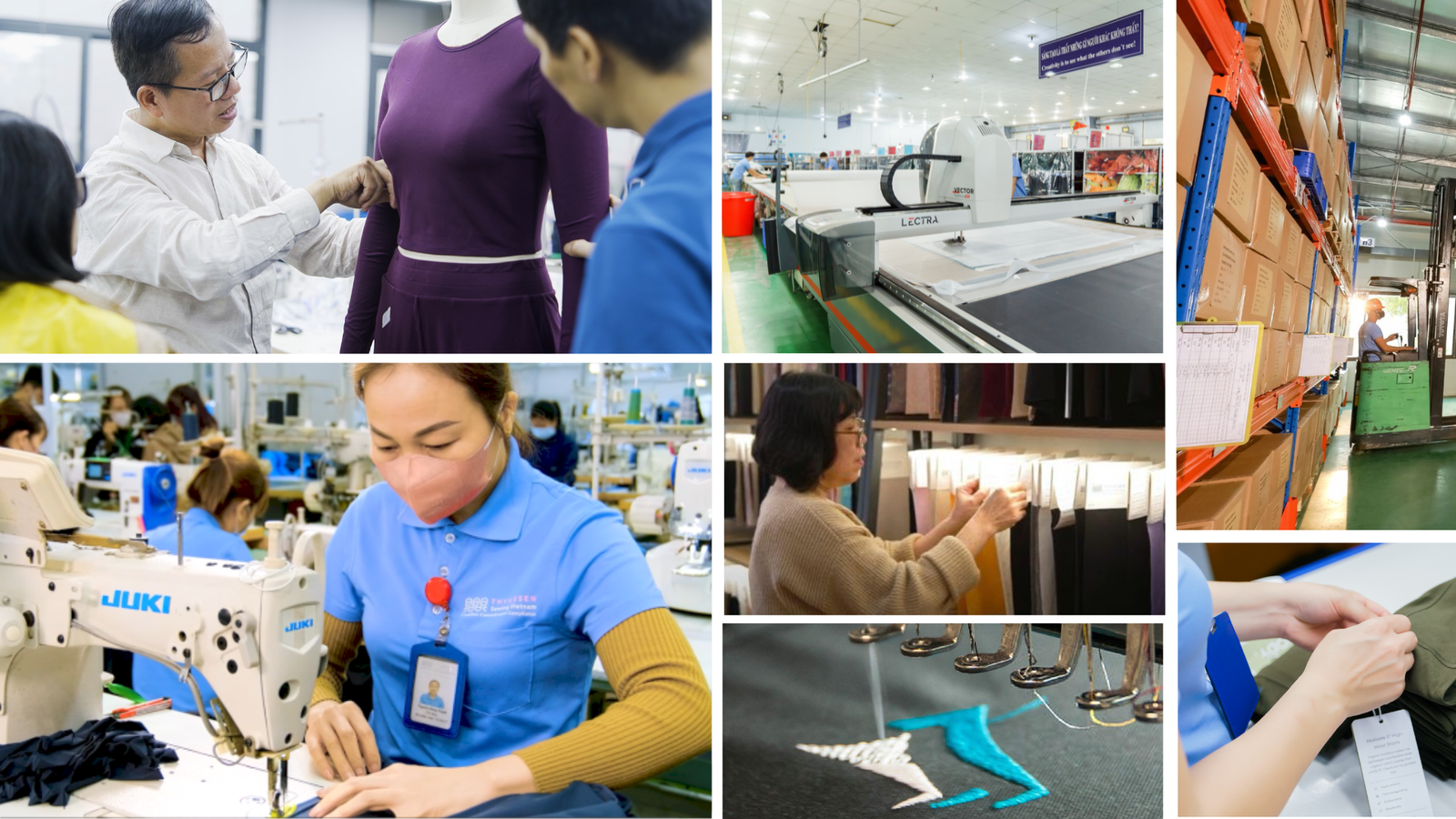
Why Choose VeeWen for Denim Manufacturing
Clear approvals, practical specifications, and one accountable workflow for denim programs from sample to packed bulk goods.
← Swipe left or right to view →
Denim Manufacturing Process, Mapped Clearly
A production-minded workflow that turns approved denim specifications into consistent, packed bulk goods.
Clarify Your Denim Brief
Share a tech pack, sketch, sample, or reference image. We align fit, target price, fabric weight, wash direction, trims, and 100-piece-per-style MOQ.
Source Fabrics and Trims
VeeWen recommends denim constructions, stretch levels, colors, hardware, labels, and packaging details based on hand feel, durability, wash results, and end use.
Develop Patterns and Samples
Our team builds patterns, graded measurements, and a development sample for fit review, refining rise, inseam, leg shape, pocket placement, and construction details.
Test Washes and Decoration
We test enzyme, stone, acid, snow, or vintage washes alongside printing, embroidery, patches, and distressing to confirm shade, shrinkage, drape, and finish.
Confirm Bulk Production Standards
After sample approval, we lock specifications and begin bulk denim manufacturing with in-line checks to monitor measurements, sewing quality, wash consistency, and trim application.
Inspect, Pack, and Ship
Final quality checks verify approved standards before labeling, polybagging, carton packing, and shipment coordination, giving your team clear visibility through final delivery preparation.
How to Start Your Denim Manufacturing Project
Move from concept to approved bulk production with one accountable denim manufacturing partner.
Send Your Denim Brief
Share a tech pack, sketch, reference sample, inspiration images, or initial idea. Include target fit, wash direction, fabric weight, quantities, and required branding details.
Confirm Specifications and Quote
Review fabric, construction, trims, wash effects, decoration, size range, and packaging with our team. We clarify production trade-offs and prepare a quotation for your program.
Develop and Approve Samples
Approve patterns, materials, fit, wash appearance, and private-label details through sampling. Your confirmed sample establishes the production-ready standard before bulk denim manufacturing begins.
Launch Controlled Bulk Production
VeeWen coordinates bulk production from the approved sample, with in-line inspection, final quality checks, packing, and shipment support for orders from 100 pieces per style.
Documented Standards for Buyer Review

Applicable material certificates and scope documents can be reviewed against the selected fabric and production order.

GOTS-related material and chain documentation is matched to the selected program and verified for current scope before use.

Current social-compliance audit documentation can be supplied for buyer review and onboarding when applicable.
Responsible-sourcing and audit records can be reviewed with the VeeWen team for the relevant factory and order scope.

Order-specific material declarations and test documentation are reviewed for applicable REACH requirements; this neutral icon denotes documentation rather than an official REACH certification logo.
What Global Apparel Buyers Say About VeeWen Denim Manufacturing
VeeWen turned our washed cargo-jean references into approved production specs in two sample rounds. The final fit stayed consistent across five sizes, and our first 300-piece drop sold through faster because the wash matched the approved sample.
We needed a 120-piece private-label denim capsule without the usual back-and-forth. Their team flagged shrinkage risk before bulk, adjusted the measurements, and delivered repeatable specs we have now used for three reorder colors.
The communication was practical from sketch to packed goods. VeeWen coordinated embroidery, custom hardware, labels and enzyme washing for our 500-piece team jacket program; every approval point was documented and the final pieces arrived ready for retail.
Denim Manufacturing FAQ
Clear answers for OEM, ODM and private-label denim programs with VeeWen.
What is the minimum order quantity for denim manufacturing?
Can you make a denim sample before bulk production?
How long does custom denim manufacturing take?
Will denim washes look exactly the same on every garment?
Can you source denim fabric, labels and custom hardware?
What payment terms apply to an OEM denim order?
Do you arrange shipping for international denim manufacturing orders?
How do you protect my denim designs and private-label details?
The Complete Buyer’s Guide to denim manufacturing
Use this practical framework to compare denim manufacturing capabilities, evaluate supplier criteria, control quality and costs, and avoid the sourcing mistakes that delay successful private-label denim launches.
1. What Is denim manufacturing?
2 production stages define denim manufacturing: mills spin or source cotton yarn, dye warp yarns—often indigo—then weave denim; garment partners cut, sew, wash, finish and pack it. Fabric weight, weave, stretch content and shade must be specified before a sample can represent the intended product.
100 pieces per style is VeeWen’s standard starting MOQ for custom jeans, jackets, denim shirts or workwear. Unlike a fabric mill, a finished-garment OEM/ODM partner coordinates patterns, graded measurements, sample fitting, trims, decoration tests, wash approval, bulk inspections, labels, polybags and shipment-ready packing; brands should approve a pre-production sample before bulk work begins.
2. The Evolution of Denim Production
1853: indigo-dyed cotton work trousers became durable apparel for miners and laborers; 1873 riveted jeans added metal reinforcement at stress points. Industrial spinning, weaving and standardized sewing later made denim manufacturing scalable without erasing heritage cues such as copper rivets, contrast topstitching and selvedge-inspired details.
1950s–1990s fashion cycles moved jeans from utility to youth culture, designer denim and distressed washes. Stretch denim then reset fit expectations, but elastane can complicate recovery, recycling and wash behavior.
2020s lower-impact programs emphasize reduced water, chemicals and energy in dyeing and finishing. Buyers should substantiate sustainability claims with material records, approved wash standards and applicable compliance documentation—not a vintage-looking label alone.
3. Types of denim manufacturing
Five sourcing models shift responsibility between buyer and factory. Choose before quoting: control, speed, development input, customization, and MOQ must match the launch plan.
| Model | Control | Speed | Support | Customization | MOQ |
|---|---|---|---|---|---|
| OEM | High | Medium | Buyer | High | 100 |
| ODM | Medium | Medium | High | High | 100 |
| Private Label | Low | Fast | Light | Low | Varies |
| Full Package | Medium | Medium | High | High | 100 |
| Wash Partner | High | Medium | Technical | High | Add-On |
Cut-And-Sew OEM
100-piece programs start from buyer-approved tech packs, patterns, and wash standards. Control is highest, while sampling adds time.
ODM And Private Label
2016-founded VeeWen can clarify concepts or adapt stock blocks with labels. ODM adds development; private label is fastest but less distinct.
Full Package And Finishing
Full-package production coordinates fabric, trims, sewing, packing, and shipment. Specialized wash partners suit enzyme, stone, or vintage effects after construction.
4. Denim Manufacturing Materials and Fabrics
Denim performance begins with fiber, yarn, weave and finishing specifications—not a reference photo. Confirm them before sampling so hand feel, fit retention, shade and cost are controlled.
| End Use | Recommended Fabric | Key Trade-Off |
|---|---|---|
| Jeans | 12–14 oz rigid or 1–2% stretch | Structure versus mobility |
| Jackets | 12–16 oz 3/1 twill | Durability versus bulk |
| Shirts | 6–9 oz chambray or light denim | Drape versus abrasion resistance |
| Streetwear | 14–16 oz ring-spun denim | Premium hand versus cost |
Fiber And Yarn Choice

Long-staple cotton and ring-spun yarn create a smoother, stronger face; open-end yarn feels drier and costs less. Recycled content can add character, while organic claims require document review.
Construction And Stretch

3/1 twill is the standard durable denim construction. Elastane improves recovery, but excessive stretch can reduce rigid character and complicate wash behavior.
Confirm Before Approval
Ask for composition, ounces or GSM, weave, yarn type, stretch percentage, color standard, shrinkage, selvage status and recycled or organic documentation. Match the test swatch to the approved sample.
5. Denim Customization and Decoration Options
Two approved fit blocks—straight and relaxed—make panel placement, pocket scale, and grading repeatable. In denim manufacturing, freeze the sample before adding high-variation finishes.
| Option | Impact | Production Trade-Off |
|---|---|---|
| Contrast stitching | Graphic definition | Low cost; verify colorfastness |
| Laser and distressing | Vintage texture | Higher variation; approve standard |
| Embroidery and printing | Brand artwork | Dense decoration can stiffen fabric |
Fit, Panels, And Stitching
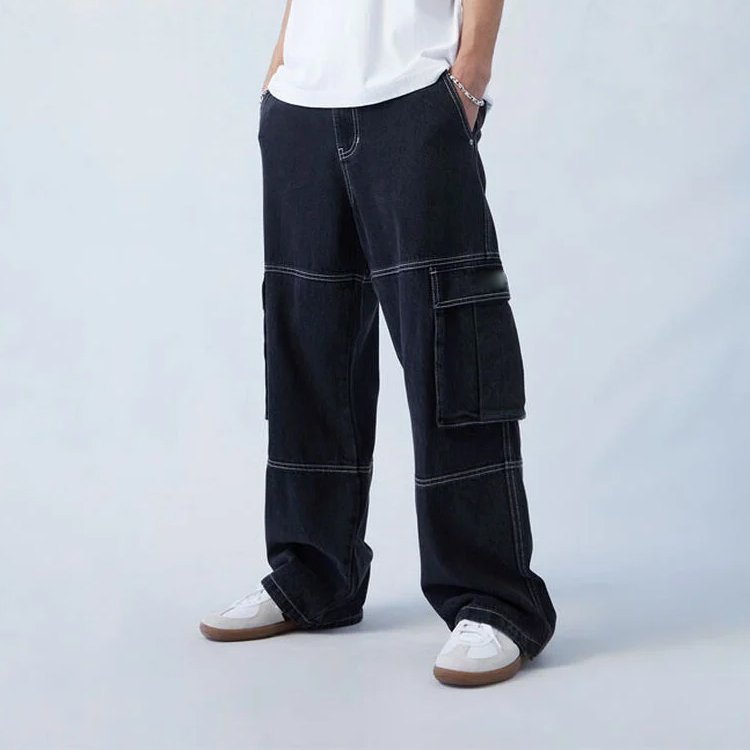
Three-panel yokes, contrast topstitching, and reinforced seams create visible identity without weakening the garment. Specify thread color, SPI, and seam allowances on the tech pack.
Hardware And Branding

Metal rivets, buttons, leather patches, and woven labels must be tested after washing. Heavy hardware raises cost; patch placement needs clearance from seams and pockets.
Surface Effects

Laser graphics, embroidery, printing, distressing, and washes add character but increase shade and hand-feel variation. Approve a wash standard and acceptable abrasion range for bulk consistency.
6. Construction Details That Signal Quality
Quality in denim manufacturing is visible at stress points and measurable after washing. Put every construction tolerance into the tech pack before approving bulk.
Stitches And Reinforcement

8–10 SPI is common for denim seams; specify chain stitch, lockstitch, seam allowance, and bartack locations. Inspect crotch, belt loops, fly base, and pocket corners.
Hardware And Symmetry

5 mm pocket-placement tolerances and matched back-pocket angles prevent visibly uneven pairs. Test zipper travel, button attachment, rivet placement, waistband shape, and graded rise/inseam against the approved sample.
Wash Control Checkpoints

3% or less shrinkage should be a stated target when the fabric and wash allow it; measure before and after laundering. Record shade bands, wash recipe, rubbing performance, and sample comments as pass/fail QC checkpoints.
7. Choosing a Denim Manufacturing Partner
A first denim order should test the supplier’s controls, not merely its sample appearance. Compare documented denim manufacturing capability against your product, quantity, destination, and launch date.
| Checkpoint | Ask For | Evidence |
|---|---|---|
| Fabric | Mill and composition | Swatch, test report |
| Wash | Process control | Approved standard |
| Quality | Inspection method | Measurement report |
Verify Product Capability
Request comparable jeans, jackets, and wash references. Ask who owns pattern grading, sample revisions, sewing capacity, and wash-house coordination.
- Review factory and wash-house photos
- Confirm export markets and packing experience
Check Development Controls
At 100 pieces per style, confirm fabric availability, approved shrinkage tests, wash standards, and pre-production sample sign-off.
- Request measurement and inspection reports
- Confirm MOQ by color and wash
Assess Operating Reliability
Ask for production timelines, ethical-compliance evidence, communication contacts, and corrective-action records. Specify approval dates and acceptable shade variation before bulk cutting.
- Name one accountable project contact
- Document delays and escalation steps
8. Common Denim Sourcing Mistakes
Two approvals should precede bulk: a washed sample and a pre-production sample. Denim manufacturing failures usually begin when visual references replace measurable specifications and documented sign-off.
Test Washes Before Approval
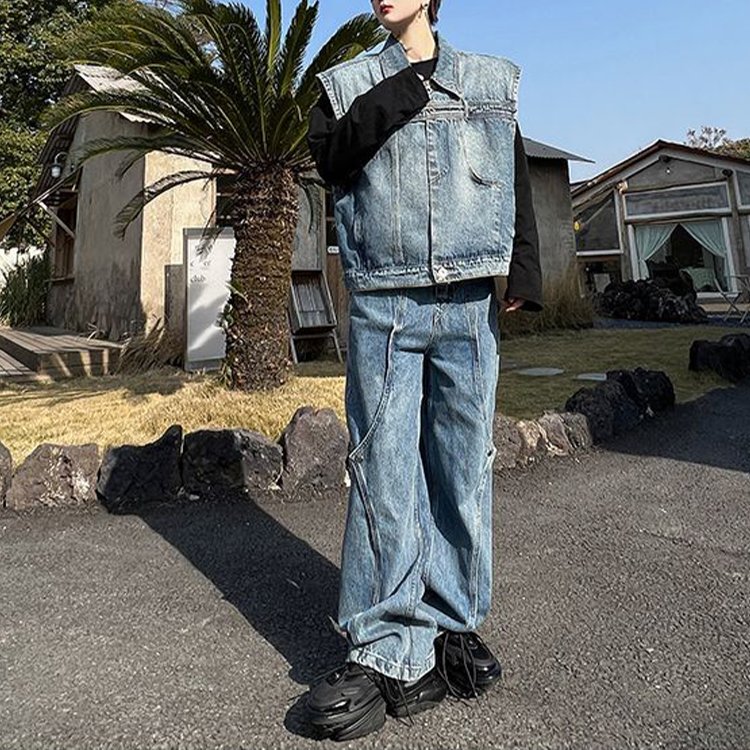
One wash trial can reveal shrinkage, skew, bleeding, and seam puckering. Approve the post-wash garment, not only the sewn sample.
Lock Measurable Specifications
1–2 cm tolerances affect fit and grading. State fabric weight, Pantone shade, measurements, stitch density, wash recipe, and acceptable variation.
Protect Hardware And Cost

100-piece orders need working zippers, rivets, and buttons tested for attachment and finish. Compare quotes by fabric, wash, trims, inspection, and packing—not price alone.
Confirm Bulk Readiness
One pre-production sample aligns wash shade, hardware, and construction before cutting. Order quantities should match color, size, and wash demand; fragmented 100-piece runs create costly stock imbalance.
9. Launching a Denim Brand Step by Step
Start with one target customer, price band, and hero fit; a focused brief prevents late changes. VeeWen’s 100-piece-per-style MOQ lets brands validate a disciplined first drop.
Lock The Product Brief
One brief should define wearer, size range, retail price, fit block, wash, and margin. An OEM/ODM partner turns sketches or references into a tech pack, graded measurements, fabric direction, and trim list.
Sample And Wear Test
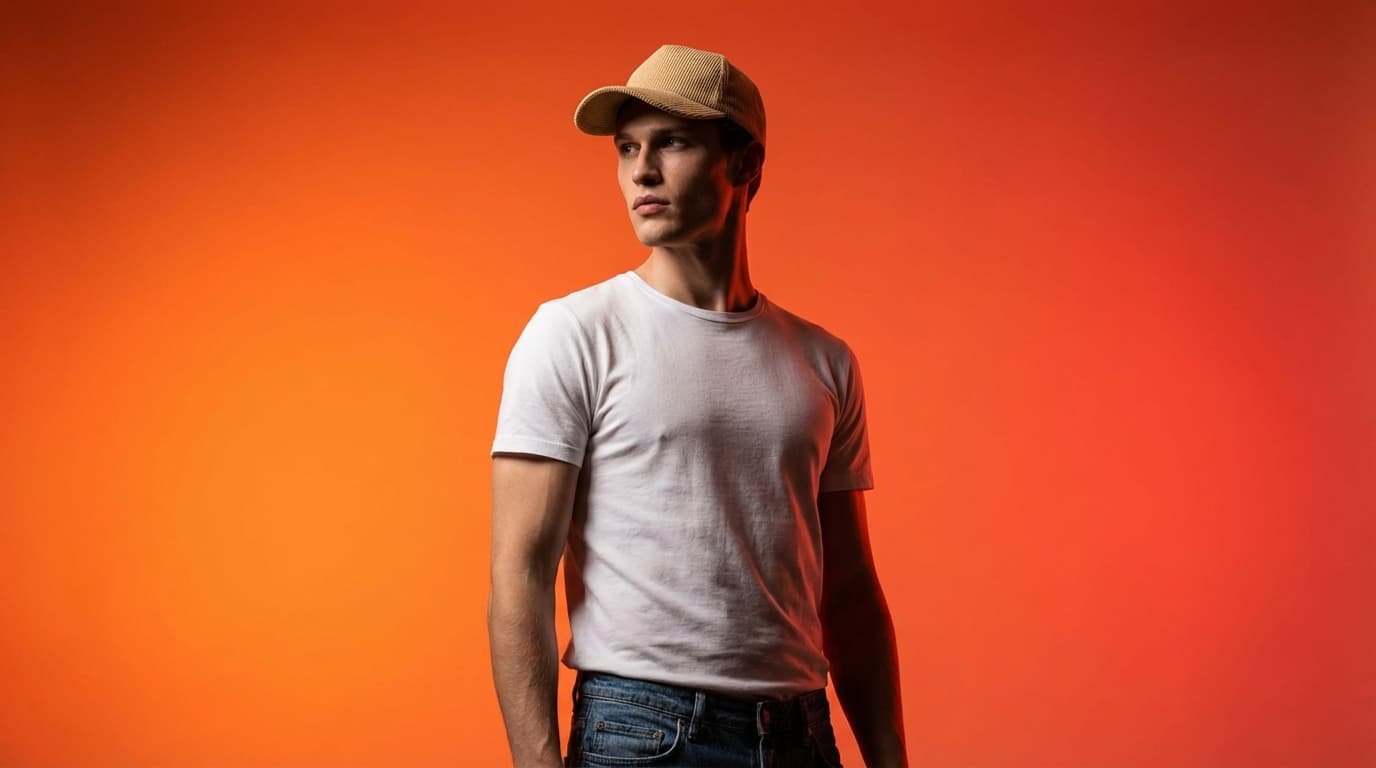
One prototype should confirm denim weight, stretch, shrinkage, shade, hardware, and construction before bulk. Two fit revisions and real wear testing can expose tight rises, twisting seams, uncomfortable waistbands, or wash instability.
Approve Bulk And Reorders
100 approved units require sealed packaging details, pre-production approval, in-line inspection, final checks, and a freight plan. One reorder file should retain approved measurements, wash standard, Pantone references, defect notes, and sales feedback for faster scaling.
10. Denim Manufacturing Pricing and Costs
100-piece MOQ programs cost more per jean than repeat bulk runs because pattern work, fabric booking, and wash tests are spread across fewer units. VeeWen should quote only after approved specifications define fabric, wash recipe, hardware, packaging, and shipment terms.
2 development checkpoints—sample approval and pre-production confirmation—prevent late cost changes. Heavier denim, elastane stretch, YKK hardware, multi-step washes, embroidery, custom packaging, and freight each change landed cost.
| Quantity | Unit-price driver | Sample/development | Bulk lead time |
|---|---|---|---|
| 100–299 pcs | Highest setup allocation | Charged per style; credit by agreement | 30–45 days after approval |
| 300–999 pcs | Better fabric utilization | Same development scope | 30–45 days |
| 1,000+ pcs | Lowest allocation; fabric booking matters | Repeat samples as needed | 35–55 days |
Start Your Denim Manufacturing Project
Send your tech pack, reference sample or product idea for a custom quote and focused sampling discussion with VeeWen.