
Custom Apparel Manufacturer for Streetwear and Menswear Labels
VeeWen develops full-category collections from concept to packed bulk goods, with a 100-piece-per-style MOQ.
Featured Products for custom apparel manufacturer Development

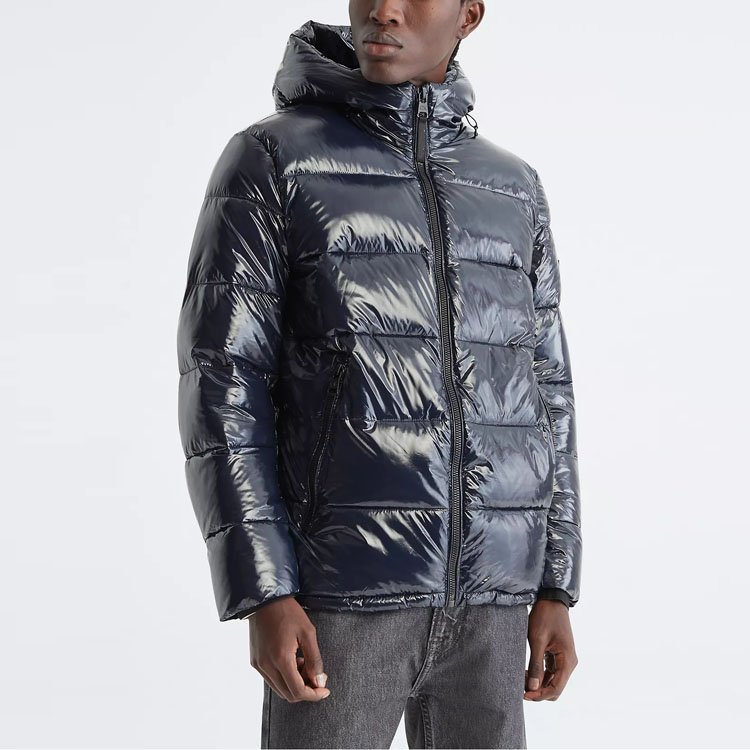


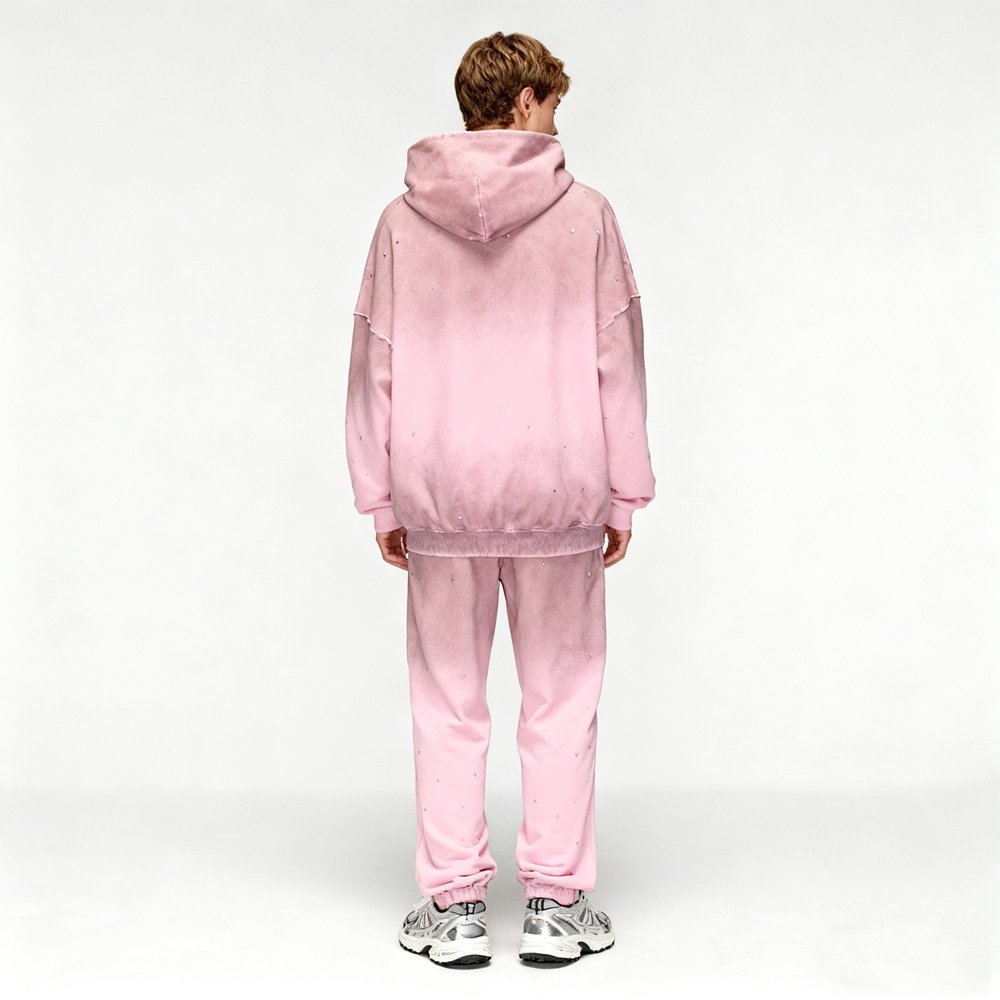


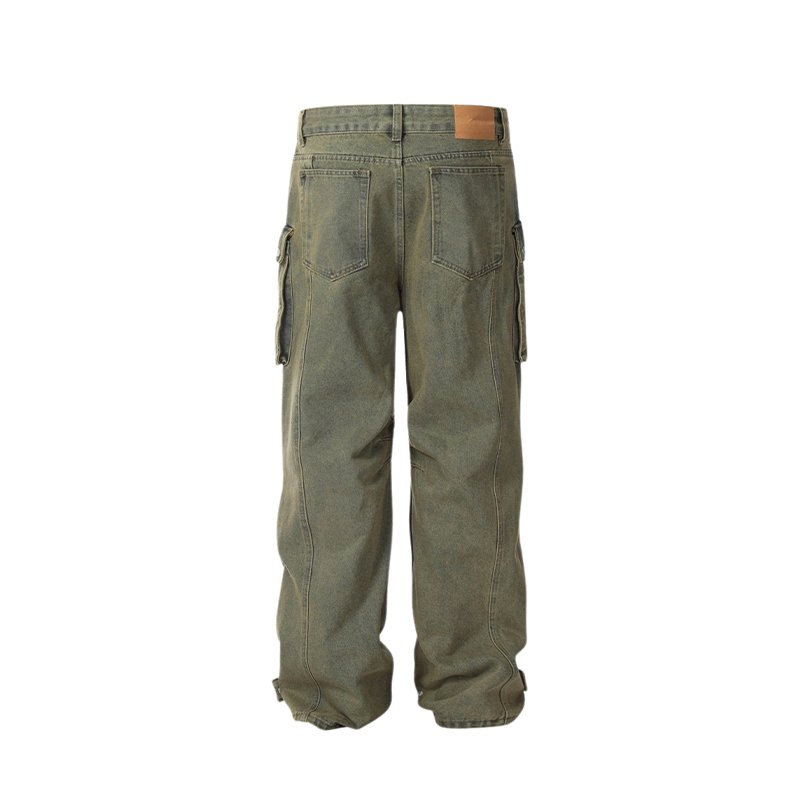


Custom Apparel Manufacturer Catalogue & Quotations


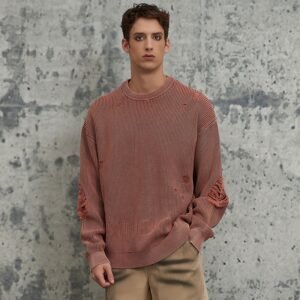
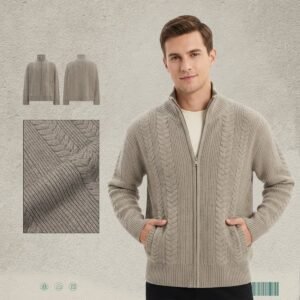

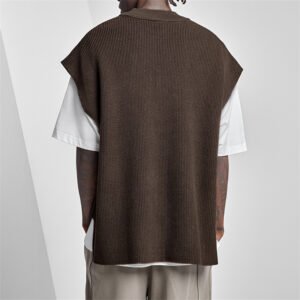


Custom Apparel Manufacturer Built for Production-Ready Collections
One accountable workflow for labels that need clear specifications, controlled development and scalable bulk production.
100-Piece Style MOQ
Launch focused drops from 100 pieces per style, with enough flexibility to test demand before planning repeat production.
Full-Category Development
Develop menswear and streetwear first, plus coordinated apparel for women and children through one production-minded partner.
Practical Fit Guidance
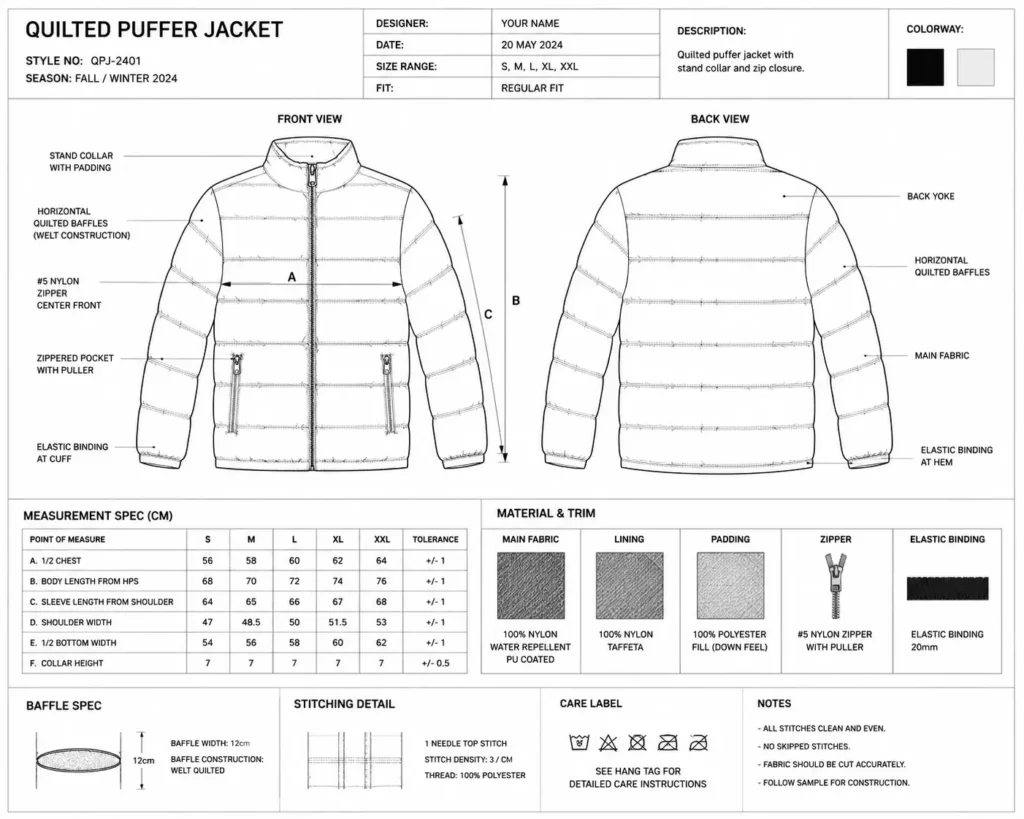
Translate visual references into fit blocks, graded measurements, shoulder drop, sleeve pitch and construction details that factories can follow.
Integrated Material Sourcing
Match fabrics, trims, decoration and wash treatments to your target hand feel, structure, price point and end use.
Documented Quality Checkpoints
Approve samples and pre-production details before bulk manufacturing, supported by in-line inspection, final checks and packing review.
Direct Production Communication
Work with a responsive English-speaking team that explains trade-offs clearly from early development through shipment coordination.
Explore Custom Clothing & Apparel Manufacturer
Continue to every direct child page in this Studio architecture section.

Custom Apparel Production
Custom apparel production from 100 pieces per style, with OEM, ODM and private-label development for global streetwear brands. Request a custom quote today.
Explore Category
Private Label Apparel Manufacturing
Private label apparel manufacturer with 100-piece-per-style MOQ for streetwear and menswear collections. Send your tech pack to request a custom quote.
Explore Category
Wholesale Apparel Supply
Wholesale apparel supplier for OEM, ODM and private-label collections from 100 pieces per style. Send a tech pack and request a custom quote today.
Explore Category
Apparel Factory
Apparel factory OEM, ODM and private-label production starts at 100 pieces per style, with sampling and QC in one workflow. Request a custom quote today.
Explore Category
Apparel Styles & Specifications
Apparel product specifications become production-ready menswear and streetwear with a 100-piece-per-style MOQ. Send your tech pack to request a custom quote.
Explore CategoryMaterials for Fit, Structure & End Use
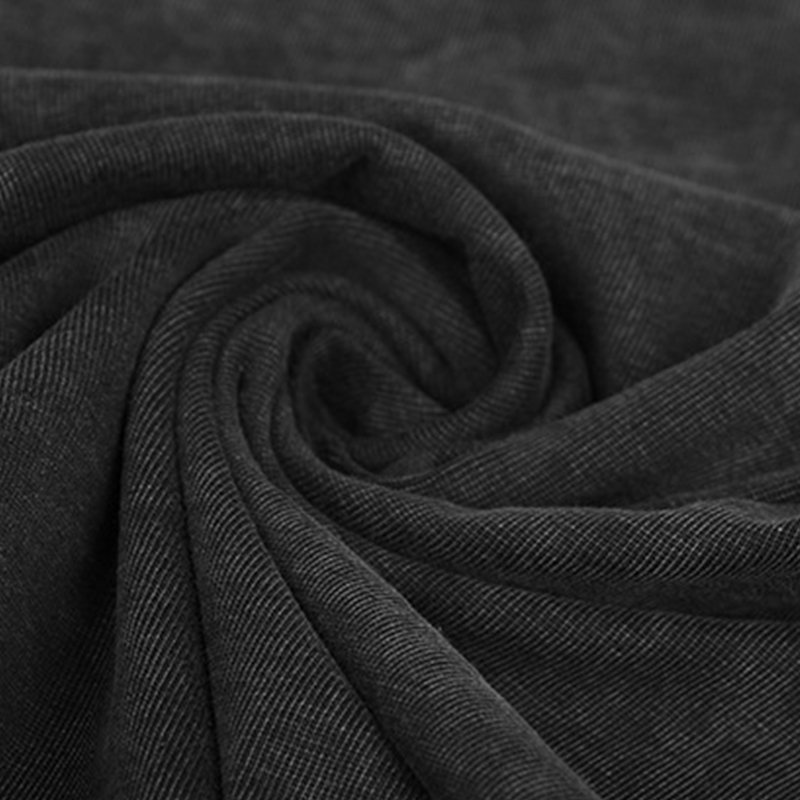
Cotton Jersey
Soft, breathable cotton jersey suits T-shirts, polos and everyday basics. Weight can range from light to heavyweight, letting brands choose a fluid drape or a more structured streetwear hand feel.
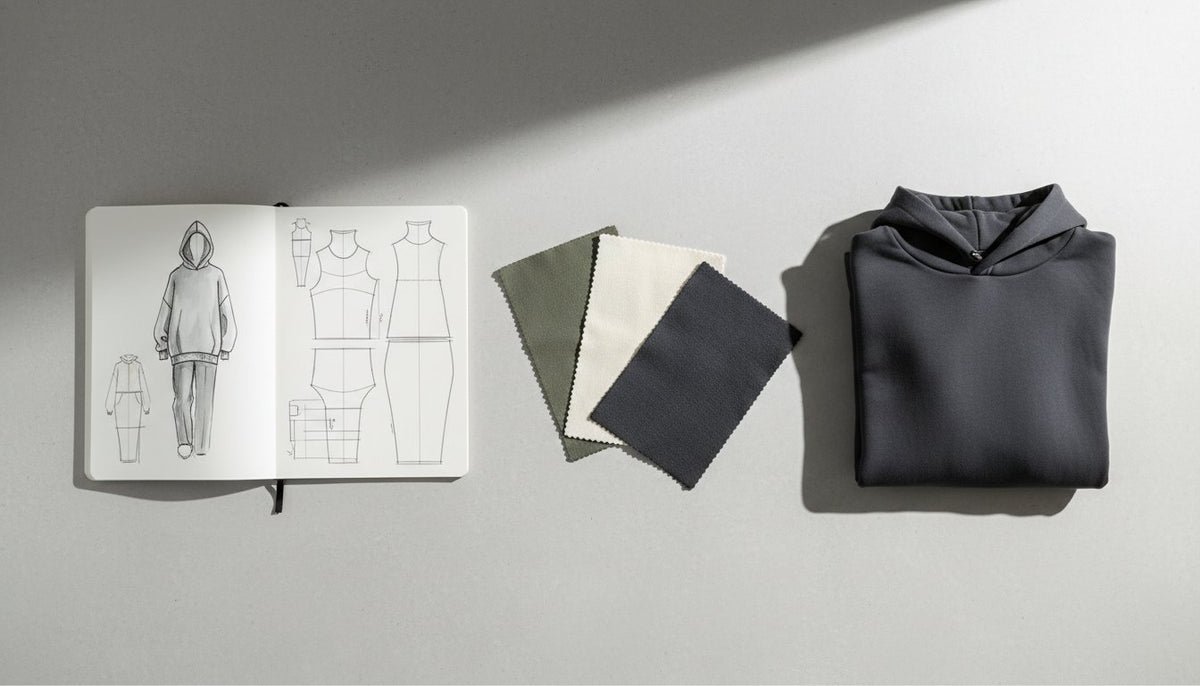
French Terry
French terry has a smooth face and unbrushed loopback interior for breathable warmth. Common for hoodies, sweatshirts and coordinated sets, its midweight structure supports clean silhouettes and reliable print results.

Brushed Fleece
Brushed fleece delivers a warmer, softer interior with a substantial casual feel. It is well suited to cold-weather hoodies, joggers and sweatshirts, where fabric weight influences loft, shape retention and perceived quality.

Denim Twill
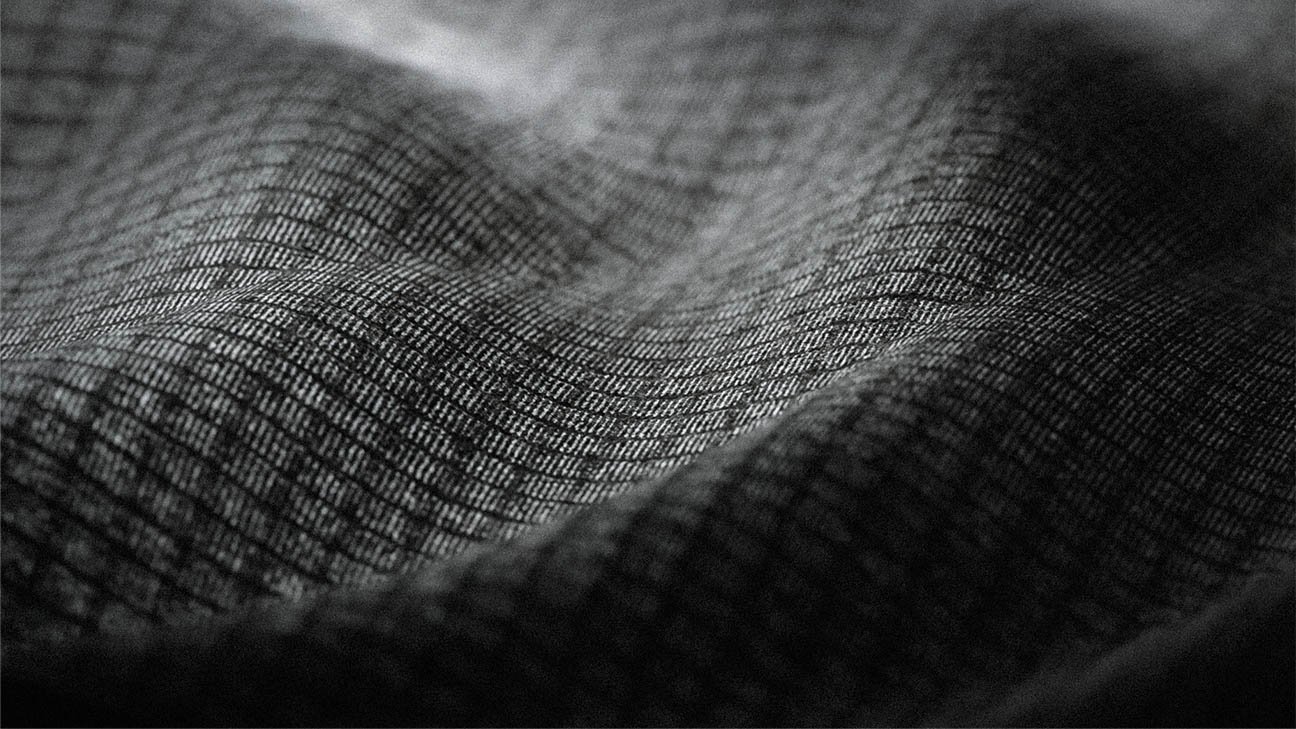
Denim and cotton twill bring durable structure to jeans, workwear, overshirts and cargo pants. Their woven construction holds shape well, while wash selections can create vintage fading, softness or stronger visual character.

Woven Shirting
Poplin, linen blends, rayon and viscose wovens serve shirts, lightweight jackets and relaxed sets. Fabric composition controls breathability and drape, helping match a crisp tailored look or a softer, more fluid finish.

Performance Blends
Polyester, nylon and stretch-blend fabrics support activewear, jerseys, outerwear and technical uniforms. They can add moisture management, abrasion resistance or controlled stretch, with weight and finish selected for the intended activity.
Custom Apparel Manufacturer Finishing Capabilities


Heat Transfer
Heat transfers, DTF and DTG suit detailed artwork, small runs and multi-color graphics that are impractical for traditional screens. We recommend the right method based on fabric type, placement, color detail and wash-performance expectations.

Sublimation Printing
Sublimation permanently dyes artwork into compatible polyester fabrics for lightweight jerseys, activewear and all-over graphics. The result remains smooth to the touch with vivid color and no added ink layer to restrict stretch or breathability.
Private-Label Trims, Labels & Packaging

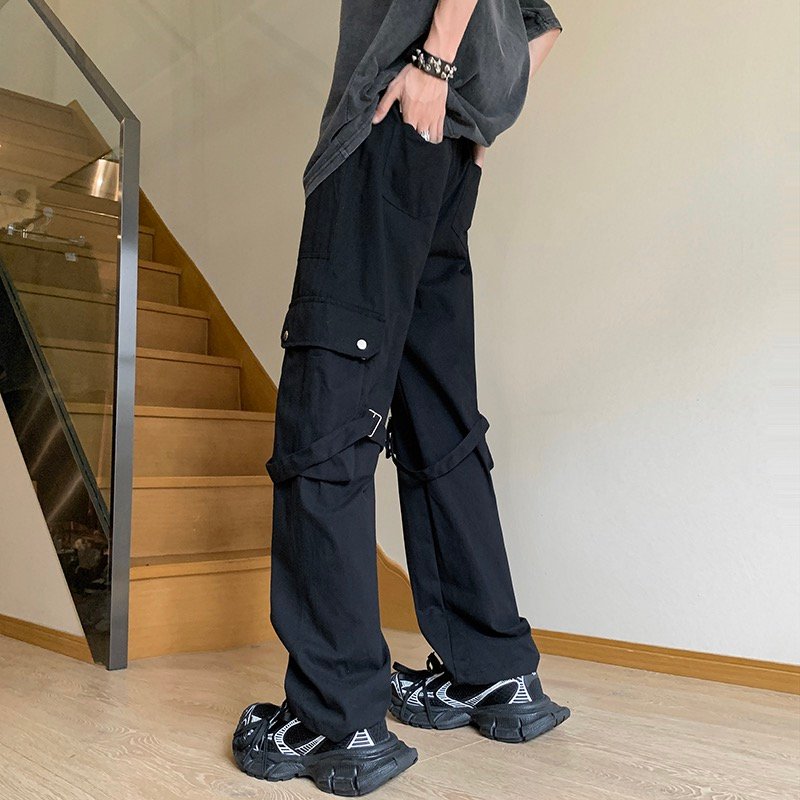

Zippers And Pulls
Specify zipper type, finish and custom pull details for hoodies, jackets, cargo pants and outerwear. The right hardware supports daily function while reinforcing a clean technical, workwear or premium streetwear direction.
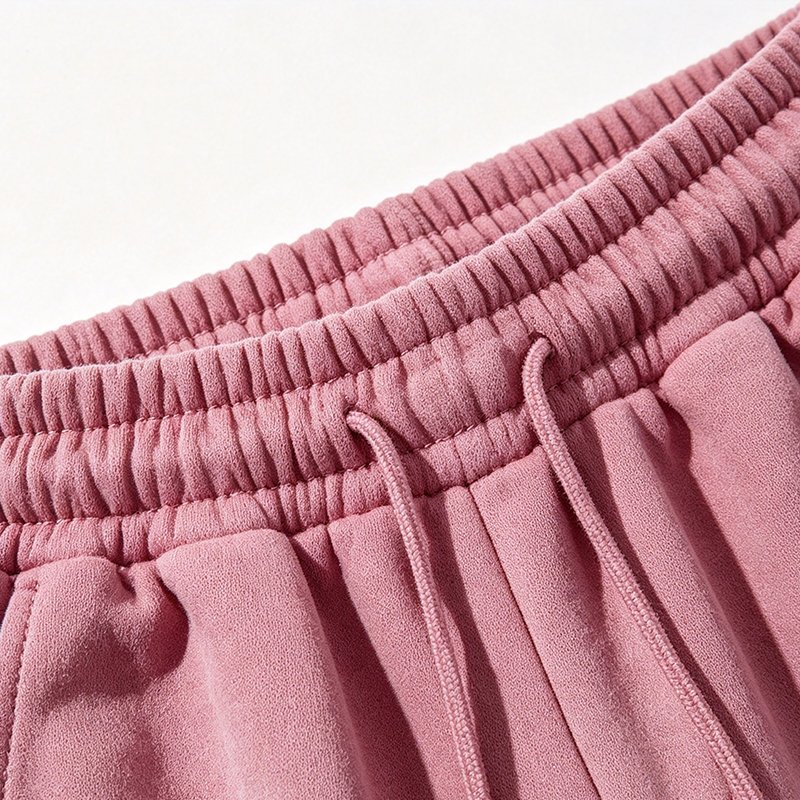
Drawcord Tipping
Custom drawcords, aglets and contrast tipping add a deliberate finish to hoodies, sweatpants, shorts and outerwear. Material, thickness and end treatment are selected to complement fabric weight, wash direction and intended use.


Protective Packaging
Coordinate polybags, size stickers, barcode labels, folding instructions and carton packing for organized bulk delivery. Clear packaging specifications help protect garments in transit and support smoother receiving for wholesale and e-commerce orders.
About VeeWen, Your Custom Apparel Manufacturer
Founded in Dongguan, China, in 2016 by ChangKeng Luo, VeeWen was built to help brands turn visual direction into production-ready garments. As a custom apparel manufacturer, we lead with menswear and streetwear while supporting complete collections for men, women and children.
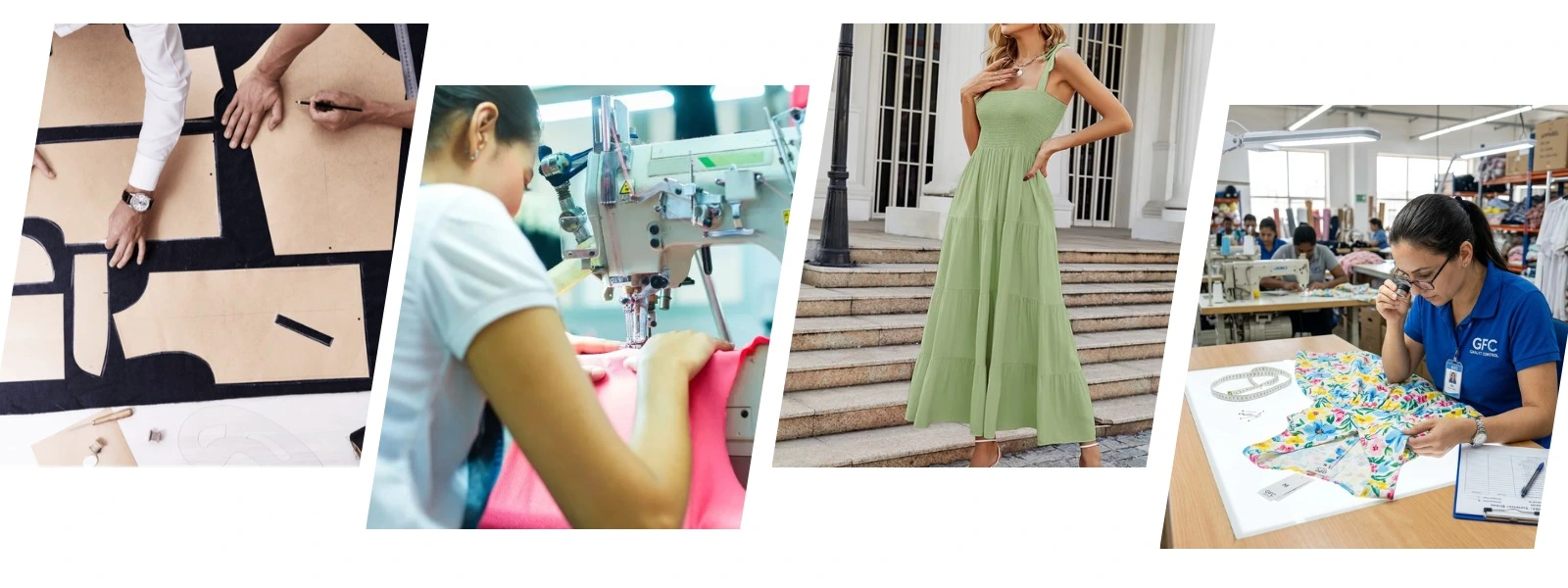
Our one-accountable-partner workflow connects fabric sourcing, pattern development, sampling, fit review, decoration testing, bulk production, quality checks, private-label packaging and shipment coordination. Whether you begin with a tech pack, sketch, reference sample or early idea, each decision is clarified against fit, hand feel, cost and end use.
What distinguishes VeeWen is practical specification control. We discuss garment weight, wash behavior, embroidery density, trims and graded measurements before production, then use approved samples and documented checkpoints to keep expectations clear. With a standard 100-piece-per-style MOQ, labels can launch focused drops and build repeatable reorders.

Custom Apparel Manufacturer, From Vision to Repeatable Bulk
Clarify the Product Direction
VeeWen turns tech packs, sketches, reference garments, and early concepts into practical development specifications. As a custom apparel manufacturer focused on menswear and streetwear, we identify construction, finish, and costing decisions before they become production delays.
- Convert visual references into workable garment specifications
- Align silhouette, materials, decoration, and target price
- Develop OEM, ODM, private-label, and cut-and-sew programs
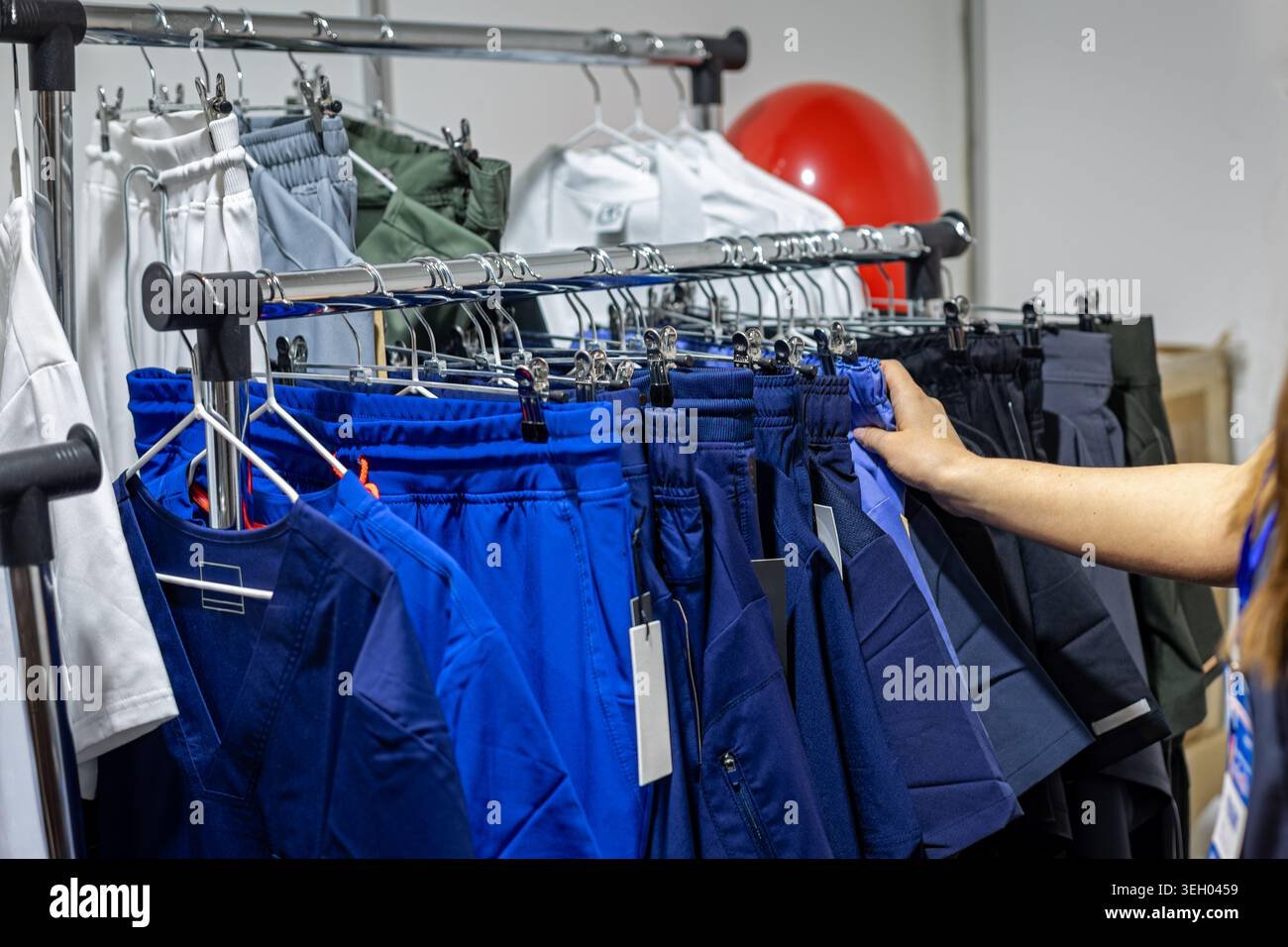
Refine Fit Before Bulk
Fit is reviewed in garment terms that factories can repeat across a size range: shoulder drop, body width, sleeve pitch, rise, inseam, rib recovery, and graded measurements. Approved samples create a clear reference for consistent future reorders.
- Build patterns around the intended fit block
- Review samples before pre-production confirmation
- Document graded measurements for repeatable sizing
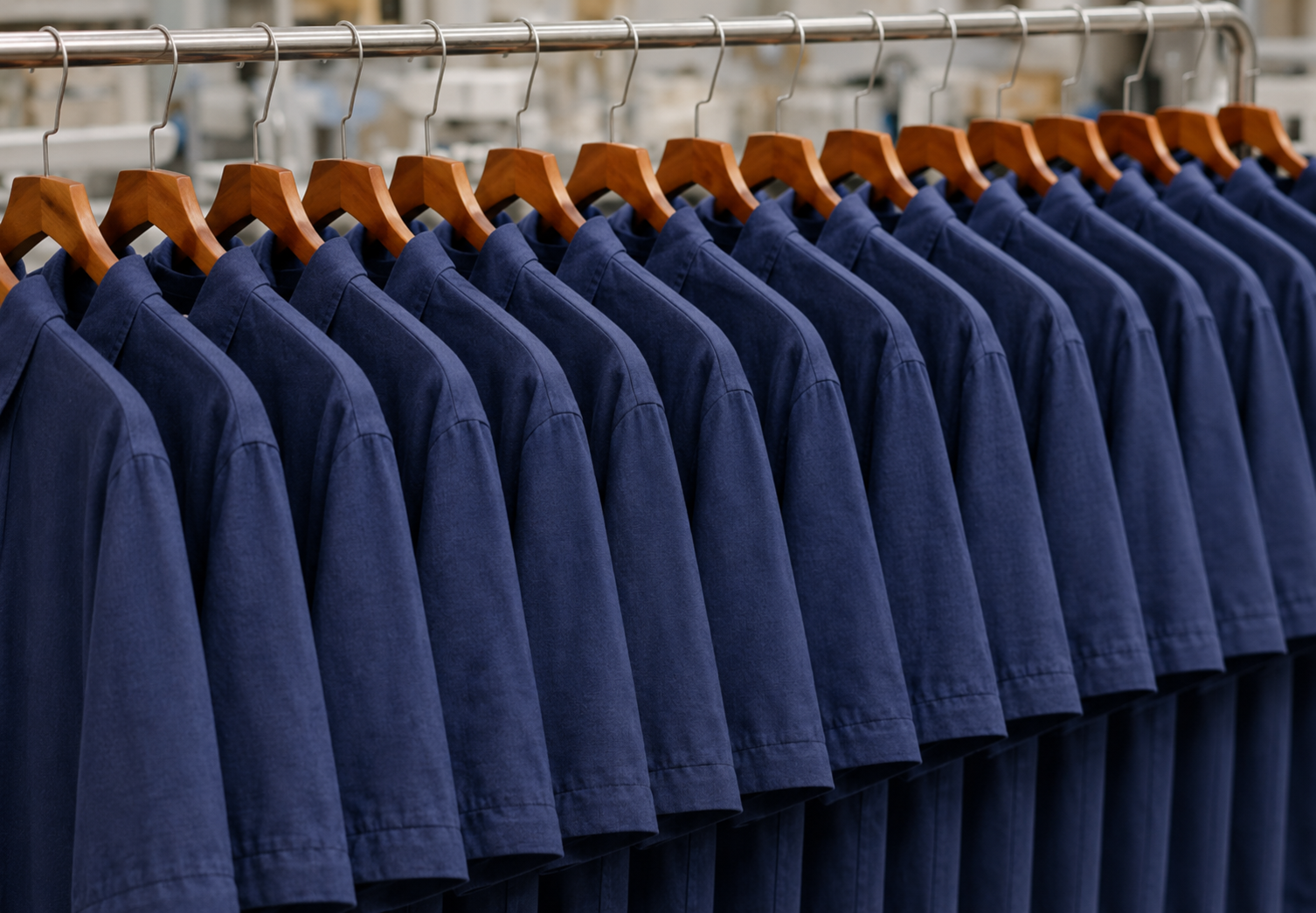
Make Materials and Details Work
Every fabric, wash, print, embroidery treatment, and trim changes the finished garment. VeeWen explains the production trade-offs behind each choice, from heavyweight jersey structure to wash-related shrinkage, shade variation, embroidery density, drape, and production timing.
- Match fabric weight and hand feel to end use
- Test decoration methods on the selected garment
- Coordinate washes, trims, labels, and packaging details
Control Bulk at Every Checkpoint
Once specifications and pre-production samples are approved, VeeWen coordinates bulk manufacturing, in-line inspection, final quality checks, packing, and shipment preparation in one accountable workflow. The standard 100-piece-per-style MOQ supports focused launches without sacrificing documentation.
- Confirm bulk against approved production standards
- Inspect key workmanship and measurement checkpoints
- Prepare private-label packing for shipment coordination

Why Brands Choose VeeWen as Their Custom Apparel Manufacturer
Clear specifications, approved samples and accountable coordination from development through shipment.
← Swipe left or right to view →
Custom Apparel Manufacturer Process, From Design to Shipment
A documented production path for menswear and streetwear collections, with clear approvals before every move into bulk.
Clarify Design Direction
Share a tech pack, sketch, reference sample, or idea. We confirm fit block, measurements, decoration, target price, and production requirements.
Source Materials and Trims
We recommend fabrics, washes, labels, and hardware against hand feel, structure, durability, and intended end use before sampling begins.
Develop and Review Samples
Patterns, samples, and decoration tests turn approved specifications into a wearable prototype. Review fit, construction, color, and finish before revisions.
Confirm Pre-Production Details
Approve the final sample, graded measurements, materials, branding, packing details, and production specifications. This locks the standard for your 100-piece-per-style bulk order.
Manufacture, Inspect, and Ship
VeeWen manages bulk production, in-line inspection, final quality checks, private-label packing, and shipment coordination so finished goods arrive ready for your channel.
How to Start With a Custom Apparel Manufacturer
Move from concept to managed bulk production with clear specifications, approved samples and one accountable VeeWen workflow.
Send Your Product Direction
Share a tech pack, sketch, reference sample, inspiration image or initial idea, plus target quantities, sizing, fabric preferences and required decoration details.
Review Specifications and Quote
Discuss fit blocks, materials, washes, trims and private-label details with VeeWen, then receive practical production guidance and a quotation for your program.
Approve Your Development Sample
Review the sample for fit, construction, color, decoration and measurements. Confirm revisions and approve final specifications before bulk production begins.
Launch Managed Bulk Production
VeeWen coordinates fabric sourcing, manufacturing, in-line inspection, final quality checks, packing and shipment support, starting from the standard 100-piece-per-style MOQ.
Documented Standards for Buyer Review

Applicable material certificates and scope documents can be reviewed against the selected fabric and production order.

GOTS-related material and chain documentation is matched to the selected program and verified for current scope before use.

Current social-compliance audit documentation can be supplied for buyer review and onboarding when applicable.
Responsible-sourcing and audit records can be reviewed with the VeeWen team for the relevant factory and order scope.

Order-specific material declarations and test documentation are reviewed for applicable REACH requirements; this neutral icon denotes documentation rather than an official REACH certification logo.
What Brand Buyers Say About Working With VeeWen
VeeWen turned our oversized tee references into a clear sample package within the first round. After adjusting shoulder drop and body width, we approved 3 styles at the 100-piece MOQ and reordered two of them for our next drop.
Our hoodie fit had been inconsistent across suppliers. VeeWen documented the graded measurements, corrected sleeve pitch in sampling, and delivered a 240-piece run that matched our approved sample across all six sizes. That made our repeat order straightforward.
We needed pigment-dyed tees with puff print, woven labels, custom hangtags, and retail-ready polybags. VeeWen coordinated the details in one workflow and helped us launch 4 SKUs without splitting production between multiple vendors.
Custom Apparel Manufacturer FAQ for OEM and Private-Label Buyers
Clear answers on MOQ, sampling, production control, payment, shipping and confidential product development with VeeWen.
What is the MOQ for a custom apparel manufacturer?
Can a custom apparel manufacturer work from sketches or inspiration images?
How do I start a private-label apparel order with VeeWen?
Does VeeWen make samples before bulk production?
What are the typical lead times for custom clothing production?
What payment terms does a custom apparel manufacturer usually require?
Can VeeWen arrange international shipping and export packing?
How does VeeWen protect my designs and control product specifications?
The Complete Custom Apparel Manufacturer Buyer’s Guide
Use this decision framework to compare supplier models, fabrics, customization capabilities, quality controls, pricing, and lead times—while avoiding the sourcing mistakes that delay launches, weaken margins, or compromise your brand’s product standards.
1. What Is a Custom Apparel Manufacturer?
2016 is the founding year of Dongguan VeeWen Clothing Co., Ltd., a custom apparel manufacturer that develops and produces garments to a buyer’s specification. OEM follows an approved tech pack; ODM adds product-development input; private label applies the buyer’s identity to finished goods.
100 pieces per style is VeeWen’s standard MOQ, suitable for building a repeatable fit block rather than merely decorating blanks. Buyers can specify silhouettes, graded measurements, fabrics, washes, print or embroidery, labels, hangtags, trims, polybags, and packing.
1 accountable production partner is the right choice when construction, fit, and branded presentation matter. Use a blank-garment printer for simple artwork on stock apparel; use a trading company only when consolidated sourcing outweighs direct factory communication.
2. How Custom Apparel Manufacturing Evolved
Before the 1990s, cut-and-sew programs moved through local pattern rooms, paper markers and long production calendars; minimums often favored large seasonal orders. Brand control depended on physical samples and supplier relationships.
By the 2000s, global sourcing connected labels with specialized fabric mills, factories and trim vendors, but added handoffs and visibility risks. CAD patterns, digital grading and online approvals then shortened development while preserving Pantone, measurement and label specifications.
Today, a custom apparel manufacturer can pair 100-piece MOQ runs with sample-led production, documented checkpoints and on-demand decoration. Buyers expect faster revisions, traceable material and trim decisions, and flexible reorders without surrendering fit or private-label control.
3. Types of Custom Apparel Manufacturer Partners
Five partner models differ mainly in who owns the product brief and absorbs development risk. Match the custom apparel manufacturer to your control, launch speed, and margin targets.
| Partner | Design Ownership | Development And MOQ | Speed, Margin, Best Fit |
|---|---|---|---|
| OEM factory | Buyer | Tech-pack support; often 100+ | Moderate; lower margin; established labels |
| ODM supplier | Supplier base; buyer adapts | Ready blocks; usually lower MOQ | Fast; moderate margin; new brands |
| Private-label specialist | Supplier base | Branding and trims; low-to-mid MOQ | Fast; higher margin; e-commerce tests |
| Full-package manufacturer | Buyer or shared | Design, sample, bulk; mid MOQ | Moderate; value-led; collection launches |
| Trading company | Factory-dependent | Coordination; variable MOQ | Fast sourcing; added margin; multi-category buyers |
Design Ownership
OEM factories build buyer-owned specifications.
ODM suppliers adapt existing blocks faster.
Development Scope
Private-label specialists customize stocked or repeatable products.
Full-package manufacturers coordinate design through packing.
Trading Company Role
Trading companies source across factories.
They suit buyers needing supplier access, but add a margin.
4. Fabrics and Materials for Custom Apparel
180–220 GSM jersey suits everyday tees, while 320–450 GSM fleece builds structured hoodies. A custom apparel manufacturer should match fabric to climate, price, and intended wear.
| Material | Best Use | Trade-Off |
|---|---|---|
| Cotton jersey | Tees, warm climates | Soft; slower drying |
| French terry | Premium hoodies | Structured; higher cost |
| Polyester blend | Activewear, uniforms | Durable; less natural hand |
Fiber And Knit Choices

100% ring-spun cotton gives a softer hand; polyester improves drying and abrasion resistance. Organic cotton needs valid GOTS documentation when claimed.
Weight And Stability

5–8% shrinkage can occur without preshrinking, so approve washed measurements. Rib recovery and colorfastness matter for repeatable size runs.
Cost Versus Durability

12–14 oz denim suits hardwearing workwear; cotton-poly blends lower cost and improve durability. Request OEKO-TEX evidence only when available.
5. Custom Apparel Manufacturer Decoration Options
A custom apparel manufacturer should match decoration to fabric, order size, and expected wear. At VeeWen, approve strike-offs and branded trims before bulk production.
| Method | Best Use | Setup/Cost | Durability |
|---|---|---|---|
| Screen print | Cotton, fleece | Screens; low at volume | High |
| DTG | Detailed cotton art | Minimal setup; higher unit | Medium-high |
| Heat transfer | Names, small graphics | Low setup | Medium |
| Embroidery | Caps, fleece, twill | Digitizing; higher cost | High |
Print And Stitch Choices

1-color screen print suits cotton jersey and fleece; DTG favors detailed small runs. Embroidery, patches, and appliqué add dimension but can stiffen lightweight fabric.
Branding Finishes

100-piece programs can include woven or neck labels, hangtags, and custom polybags. Confirm Pantone references, label placement, and packaging copy on the pre-production sample.
6. Construction Details That Signal Quality
8–10 stitches per inch suits many jersey seams, but stitch type must match fabric stretch. A custom apparel manufacturer should lock these choices before the approved sample.
Seams And Reinforcement
2-needle coverstitch hems, overlocked seams, and bartacks at pocket corners prevent common failures. Specify seam type, stitch density, thread color, collar tape, and reinforcement locations in the tech pack.
Collars, Ribs, And Hardware

1×1 or 2×2 rib requires recovery testing after washing; loose ribs wave at the neckline. Confirm collar height, rib composition, zipper brand or gauge, puller finish, and pocket placement on samples.
Measurements And Final Checks
±1–2 cm tolerances should be assigned by measurement point, not assumed across every garment. Wash-test shrinkage, twist, shade variation, and print adhesion, then inspect graded sizes, defects, labels, and packing before shipment.
7. How to Choose a Custom Apparel Manufacturer
A capable custom apparel manufacturer proves its process before requesting a bulk deposit. Compare evidence, not promises: approved samples, production records, export documents, and clear commercial terms.
| Check | Request | Proof |
|---|---|---|
| Category fit | Comparable style | Approved sample |
| Quality system | Inspection checkpoints | QC records |
| Delivery | Production schedule | Export documents |
Match Category Expertise
100-piece MOQ programs need proven experience in your product type. Request comparable samples, graded measurement specs, and recent fabric or trim references.
Verify Production Control
2 inspection stages are not enough without records. Ask for in-line and final QC reports, sourcing ownership, capacity planning, and compliance documentation where required.
Confirm Commercial Readiness
30–50% deposits are common, but terms must define sample approval, lead time, balance payment, and shipping handoff. Confirm English communication and destination-market export experience.
8. Common Custom Apparel Sourcing Mistakes
At a 100-piece MOQ, small specification gaps become costly across an entire drop. A capable custom apparel manufacturer should expose risks before bulk approval, not after shipment.
Price-Only Selection
A low quote can omit fabric weight, wash allowance, or inspection. Compare a line-item spec sheet before awarding production.
Vague Product Files
One unclear tech pack produces inconsistent fit and trims. Specify measurements, Pantone references, construction, and artwork placement.
Skipped Approvals
A missing pre-production sample risks repeat defects in bulk. Approve fit, shade, decoration, labels, and packing in writing.
Uncontrolled Logistics
Freight, grading tolerances, and timelines can change landed cost. Confirm size tolerances, production milestones, Incoterms, and shipment method before deposit.
9. Steps to Launch a Custom Apparel Brand
A 100-piece minimum supports a focused first drop, but only after the product brief fixes customer, channel, price point, and launch date. Treat every approval as a stop gate.
Set The Product Brief
Step 1: Define one fit block, target retail price, color count, and margin. A custom apparel manufacturer can quote reliably only from measurable requirements.
Build Production Specifications
Step 2: Convert sketches into a tech pack with graded measurements, Pantone references, fabric GSM, trims, and artwork. Do not sample until all cost-sensitive choices are recorded.
Approve Samples And Sizes
Step 3: Review the first sample for fit, shrinkage, wash, print placement, and construction. Revise once, then approve a size set and pre-production sample before bulk.
Release Bulk And Launch
Step 4: Release bulk only after unit cost, packaging, inspection standard, balance payment, and shipping terms are confirmed. Book launch content around the approved delivery window, not an assumed date.
10. Custom Apparel Pricing and Cost Factors
100 pieces is a practical starting tier: unit cost falls as fixed pattern, setup and handling are spread across more garments. Compare quotations using the same fabric GSM, color count, print coverage, trims, labels, packing and Incoterm.
2 samples—development and pre-production—plus freight should sit outside the landed-unit comparison. Protect margin by holding fit, fabric and decoration quality; simplify colorways, artwork positions or custom hardware before cutting essentials.
| Cost driver | Lower-cost direction | Higher-cost direction | Quote check |
|---|---|---|---|
| Quantity | 300+ units | 100-unit run | Per-style MOQ |
| Garment | Basic tee | Washed jacket | Fabric GSM and construction |
| Decoration | One-color screen print | Multi-location embroidery | Setup and stitch count |
| Branding | Woven label, polybag | Custom hardware, gift box | All trims and packing |
| Timing | Standard production window | Rush schedule | Freight and lead time |
Custom Apparel Manufacturer for Your Next Collection
Send your tech pack, sketch, reference sample, or product idea to VeeWen for a practical quote and production guidance.