
Private Label Apparel Manufacturer for Streetwear and Menswear
VeeWen is your private label apparel manufacturer for OEM, ODM and custom production, with a 100-piece-per-style MOQ from sampling through packed bulk goods.
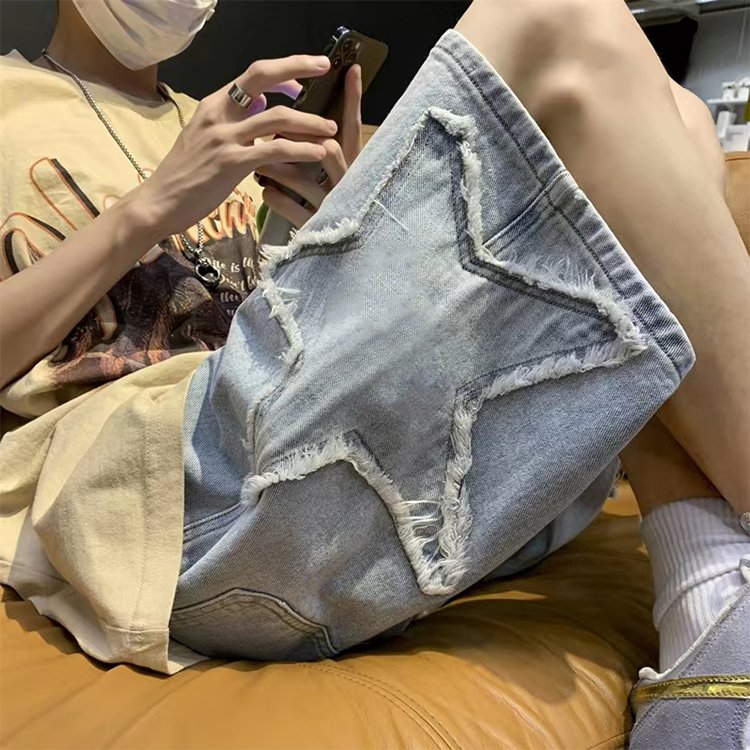
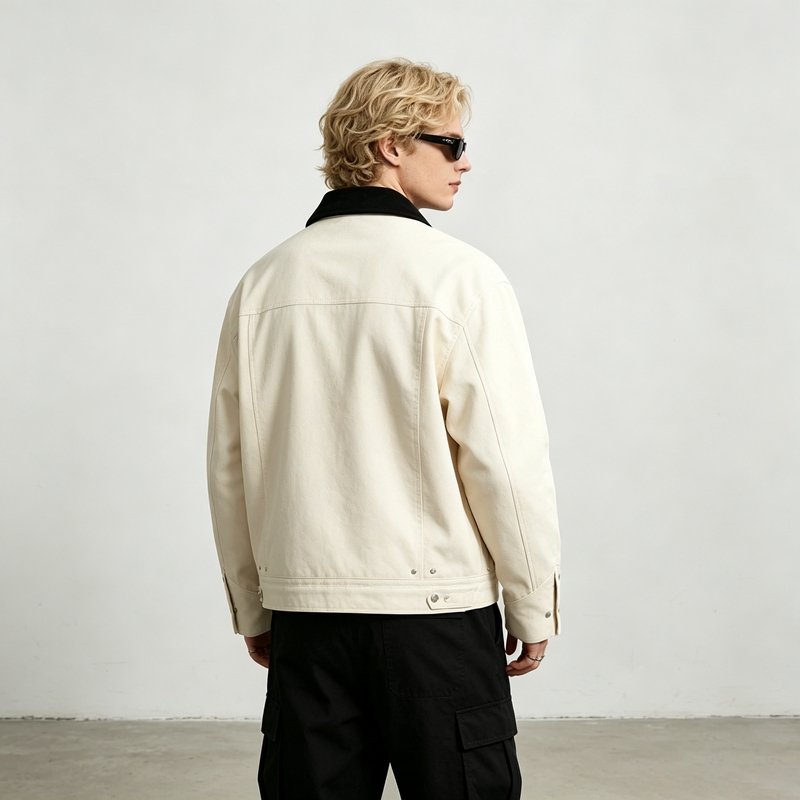
Featured Products for private label apparel manufacturer Development






Related Product Catalogue and Quotation

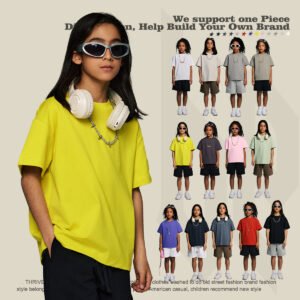
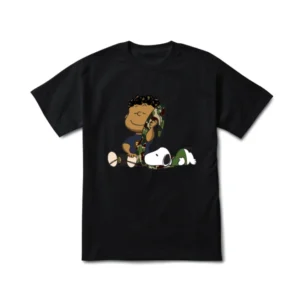


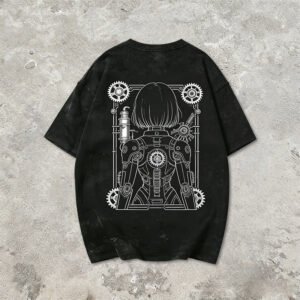


Private Label Apparel Manufacturer Built for Brand Collections
Turn a focused menswear or streetwear concept into a repeatable, bulk-ready program with practical development control at every stage.
100-Piece Style MOQ
Launch a focused drop from 100 pieces per style, then refine proven specifications for confident reorders as demand grows.
Full-Category Development
Develop menswear and streetwear first, with flexible sourcing and construction support for complete men’s, women’s, and kidswear collections.
Specification-Led Sampling
Translate tech packs, sketches, references, or ideas into fit blocks, materials, decoration tests, and approved production samples.
Integrated Quality Checkpoints
Keep development, bulk manufacturing, in-line inspection, final checks, packing, and shipment coordination within one accountable workflow.
Private-Label Details
Coordinate prints, embroidery, washes, labels, hangtags, trims, and packaging details that make each garment recognizably your brand.
Production-Minded Guidance
Make informed decisions with clear trade-offs on fabric weight, wash variation, embroidery density, fit, lead time, and target cost.
Explore Private Label Apparel Manufacturing
Continue to every direct child page in this Studio architecture section.

Private Label Fitness Clothing Manufacturers
Private label fitness clothing manufacturers with a 100-piece-per-style MOQ, OEM/ODM development and labeled bulk production. Request a custom quote today.
Explore CategoryMaterials Matched to Your Garment Direction

Cotton Jersey
Soft, breathable cotton jersey suits heavyweight tees, basics and layered streetwear. Options can range from smooth midweight constructions to substantial 240–300 GSM qualities that hold a boxy shape with a clean, comfortable hand.
French Terry
French terry offers a smooth face with unbrushed loops inside, making it a dependable choice for hoodies, sweatshirts and coordinated sets. Its moderate stretch and structured weight balance everyday comfort with a premium streetwear silhouette.
Denim Fabrics
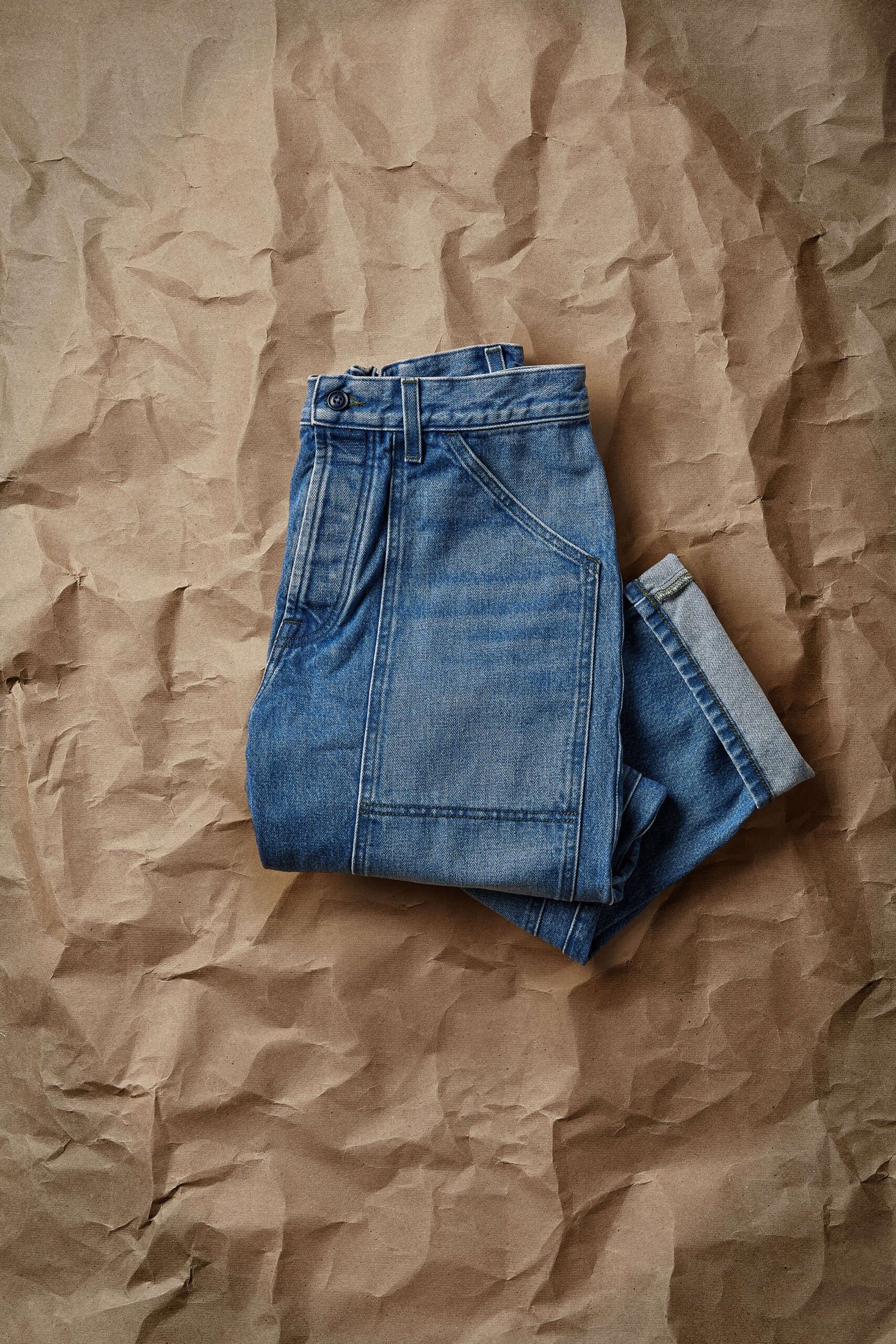
Denim brings durable structure to jeans, overshirts, trucker jackets and workwear-inspired pieces. Available weights and stretch blends can be selected for rigid vintage character or easier movement, while washes create distinct shade and surface variation.

Cotton Twill
Cotton twill has a diagonal weave, firm hand and dependable abrasion resistance for cargos, chinos, uniforms and utility jackets. Fabric weight influences drape and structure, helping define whether the garment feels refined, rugged or workwear-led.

Performance Fabrics
Polyester and nylon performance fabrics support activewear, jerseys, windbreakers and technical outerwear. Moisture management, stretch content and fabric density can be matched to the required movement, weather protection and lightweight packability of the final garment.

Knitted Fabrics
Rib knits, interlocks and sweater knits add stretch, recovery and texture to polos, knitwear, cuffs and elevated basics. Gauge, yarn blend and rib recovery determine how closely the fabric follows the body and retains its shape.
Private Label Apparel Manufacturer Decoration, Wash and Finishing Options

Screen Print
Screen printing delivers saturated color, strong opacity and dependable wash durability for tees, hoodies and fleece. VeeWen can match ink choices, including water-based, plastisol, puff and high-density finishes, to fabric weight and artwork detail.

Heat Transfers
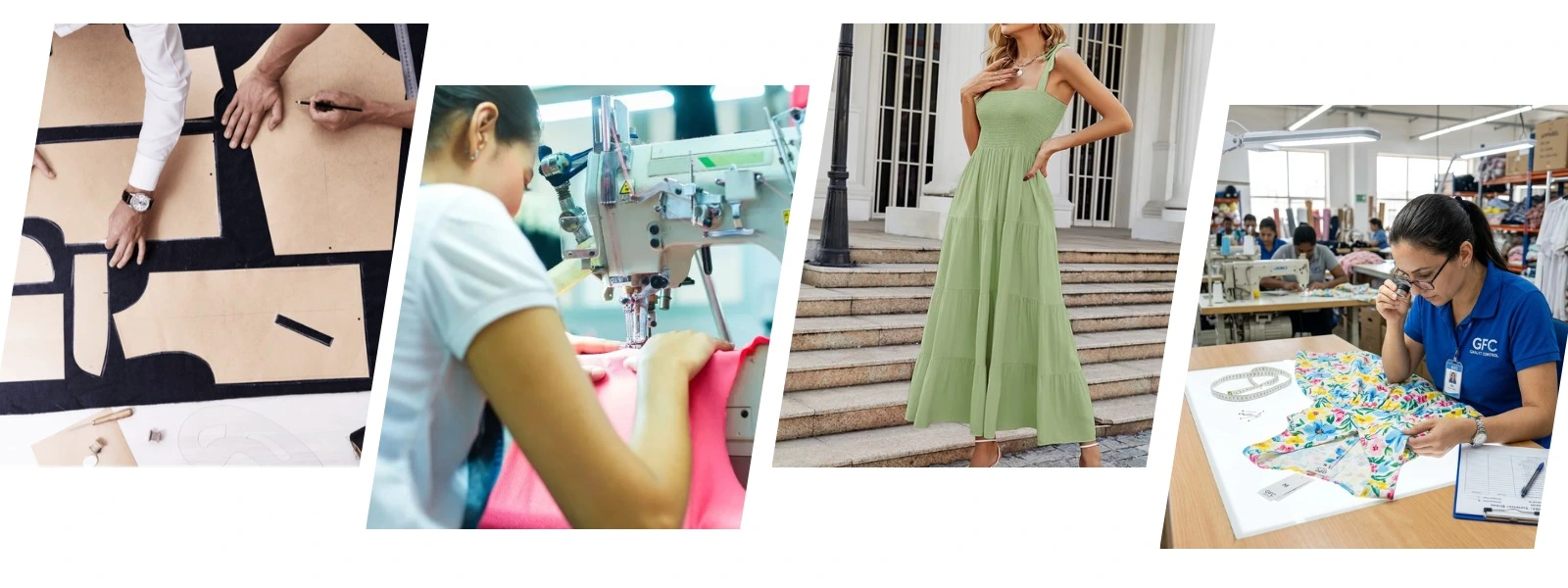
Heat transfers, DTF and DTG support detailed artwork, small placements and multicolor graphics without extensive screen setup. The recommended method depends on fabric composition, expected wear, print size and whether the garment needs a soft-hand finish.

All-Over Sublimation
Sublimation creates vivid, edge-to-edge graphics by bonding dye into compatible polyester-based fabrics. It is well suited to jerseys, activewear and performance programs where lightweight breathability, color consistency and freedom of artwork placement matter.

Private Label Apparel Manufacturer Trims and Packaging



Zipper Pulls Buttons
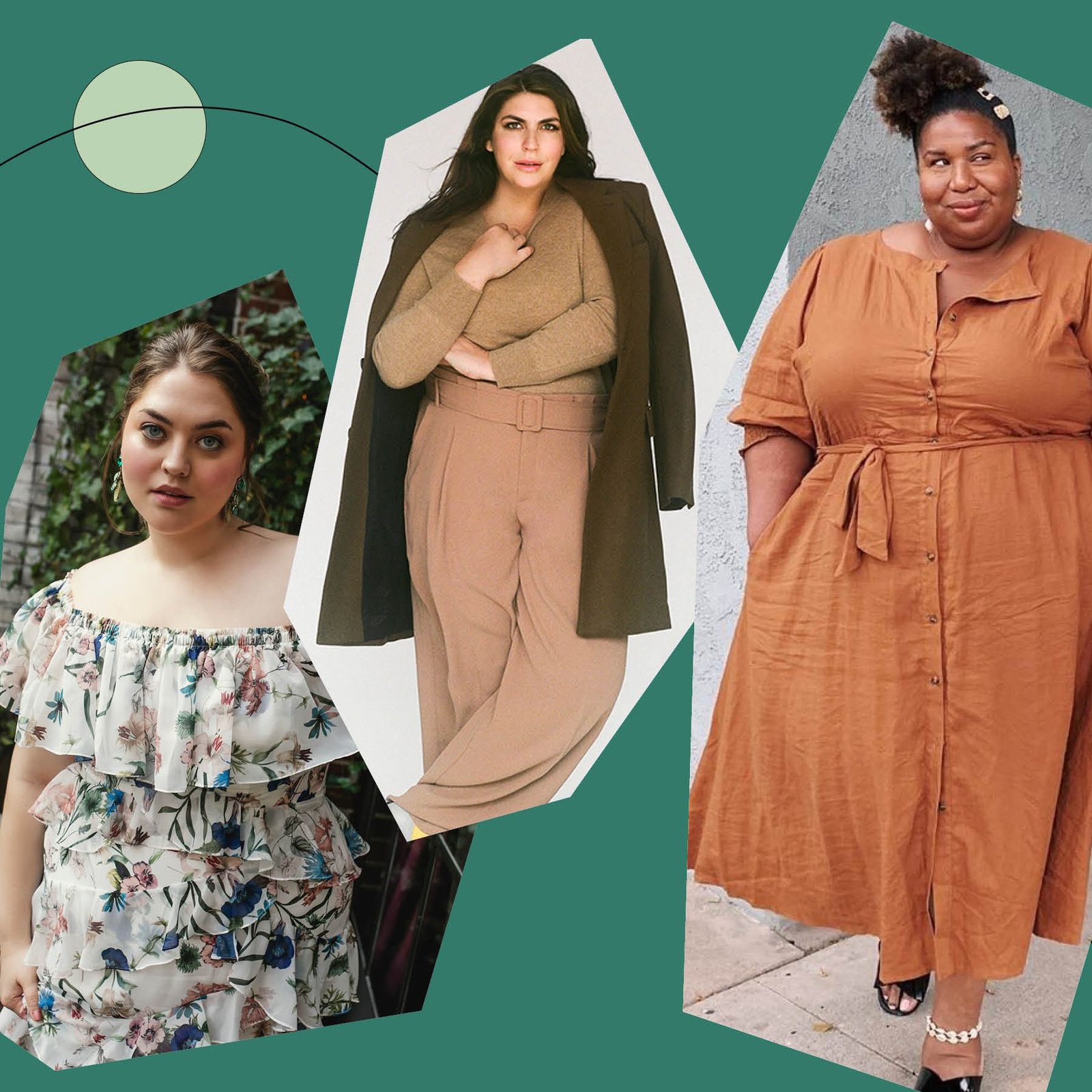
Custom zipper pulls, snap buttons and branded hardware help outerwear, cargos, denim and hoodies feel intentionally developed. We review the hardware choice against garment weight, repeated use, finish direction and production timing.

About VeeWen: Private Label Apparel Manufacturer
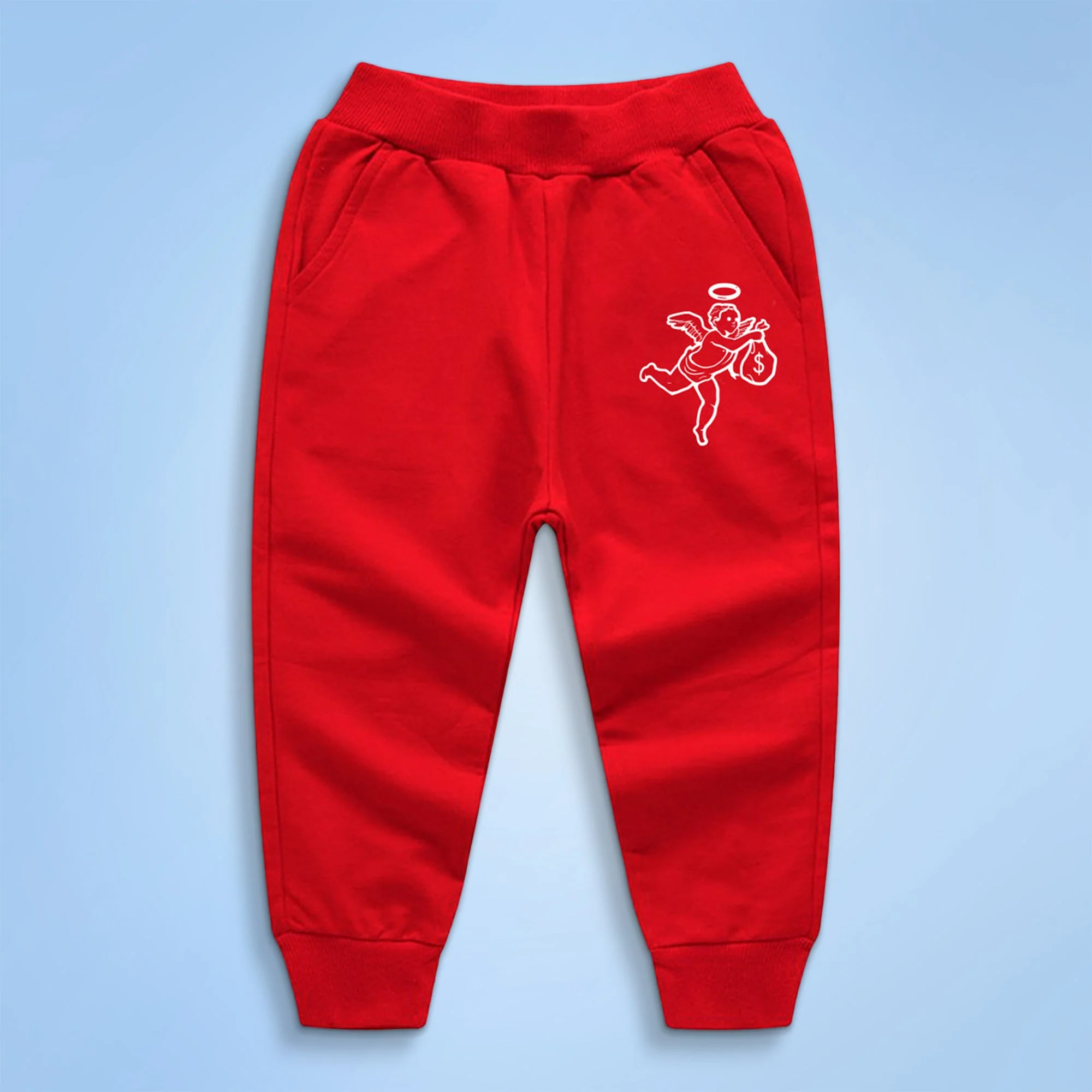
Founded in 2016 by ChangKeng Luo in Dongguan, China, VeeWen was built to turn menswear and streetwear ideas into production-ready collections. We work directly with fashion labels, e-commerce sellers, designers, retailers, wholesalers, sports teams and corporate buyers that need a dependable manufacturing partner.
As a private label apparel manufacturer, VeeWen combines OEM, ODM and cut-and-sew development in one practical workflow. Start with a tech pack, sketch, reference sample or concept, then move through fabric sourcing, pattern development, sampling, bulk production, quality checks, labeling, packing and shipment coordination.
Our difference is production-minded communication. We discuss fit, fabric weight, wash behavior, decoration and trims in terms that affect the finished garment, timeline and repeatability. With a standard MOQ of 100 pieces per style, buyers can launch focused drops while establishing clear specifications for reorders.
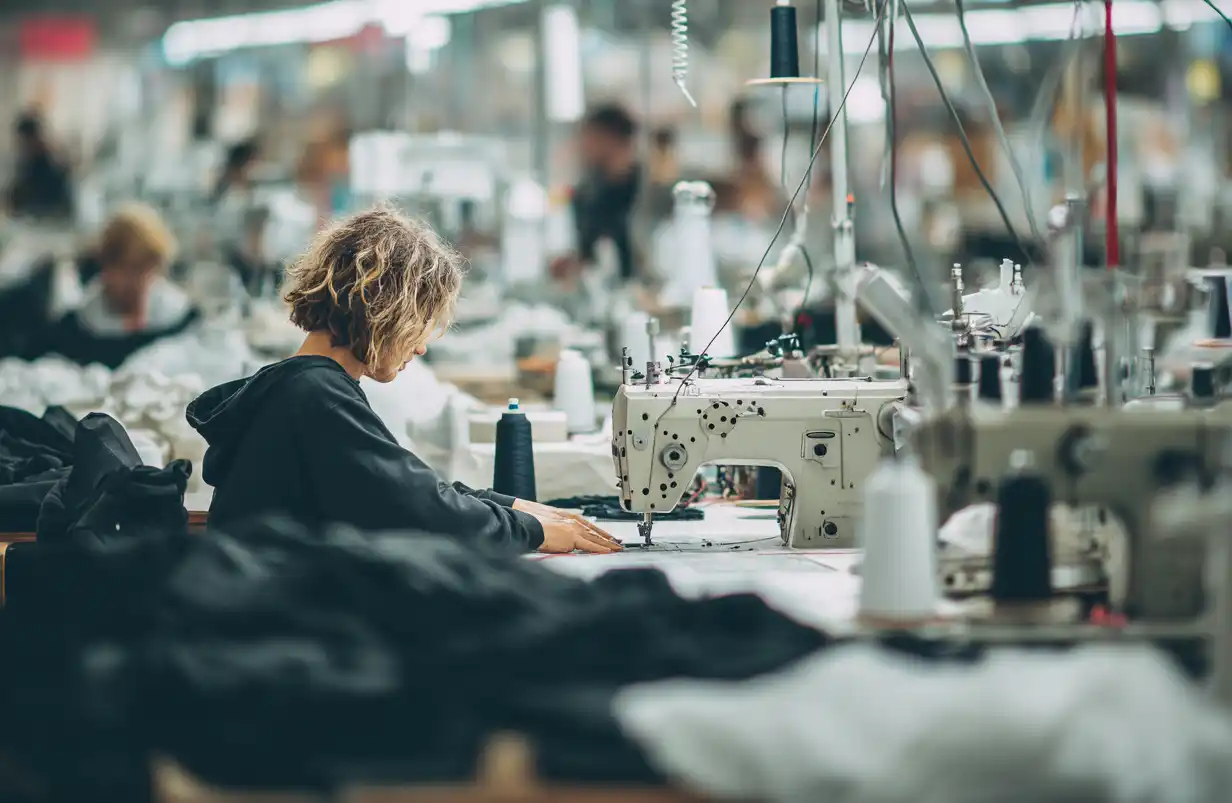
Private Label Apparel Manufacturer: From Concept to Bulk
Clarify Before Sampling
VeeWen turns tech packs, sketches, reference garments, or early ideas into clear production specifications. Our team resolves construction, measurements, decoration placement, trims, and target cost before sampling, so menswear and streetwear concepts enter development with fewer avoidable revisions.
- Tech pack and reference review
- Construction and trim recommendations
- Decoration placement confirmation
- 100-piece-per-style MOQ

Build the Fit Block
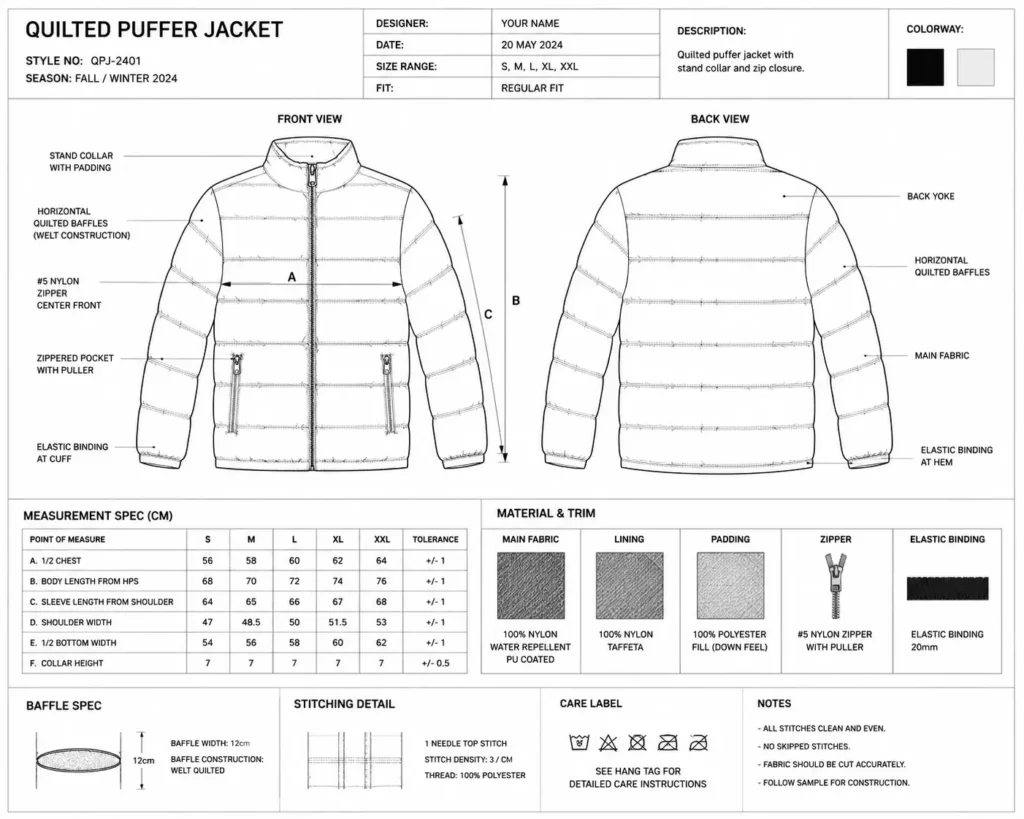
A strong sample starts with the intended silhouette, not a generic size chart. We discuss shoulder drop, body width, sleeve pitch, rise, inseam, rib recovery, and graded measurements to create a repeatable fit block for your private-label collection.
- Pattern development by garment category
- Fit comments captured for revision
- Size grading aligned to your market
- Pre-production sample approval

Match Materials to Intent
Fabric selection shapes structure, hand feel, wash response, durability, and price. VeeWen recommends suitable jersey, French terry, denim, twill, fleece, performance fabrics, and blends while explaining practical trade-offs before you commit to bulk material sourcing.
- Weight and hand-feel guidance
- Wash and shrinkage considerations
- Performance and end-use matching
- Target-price material options
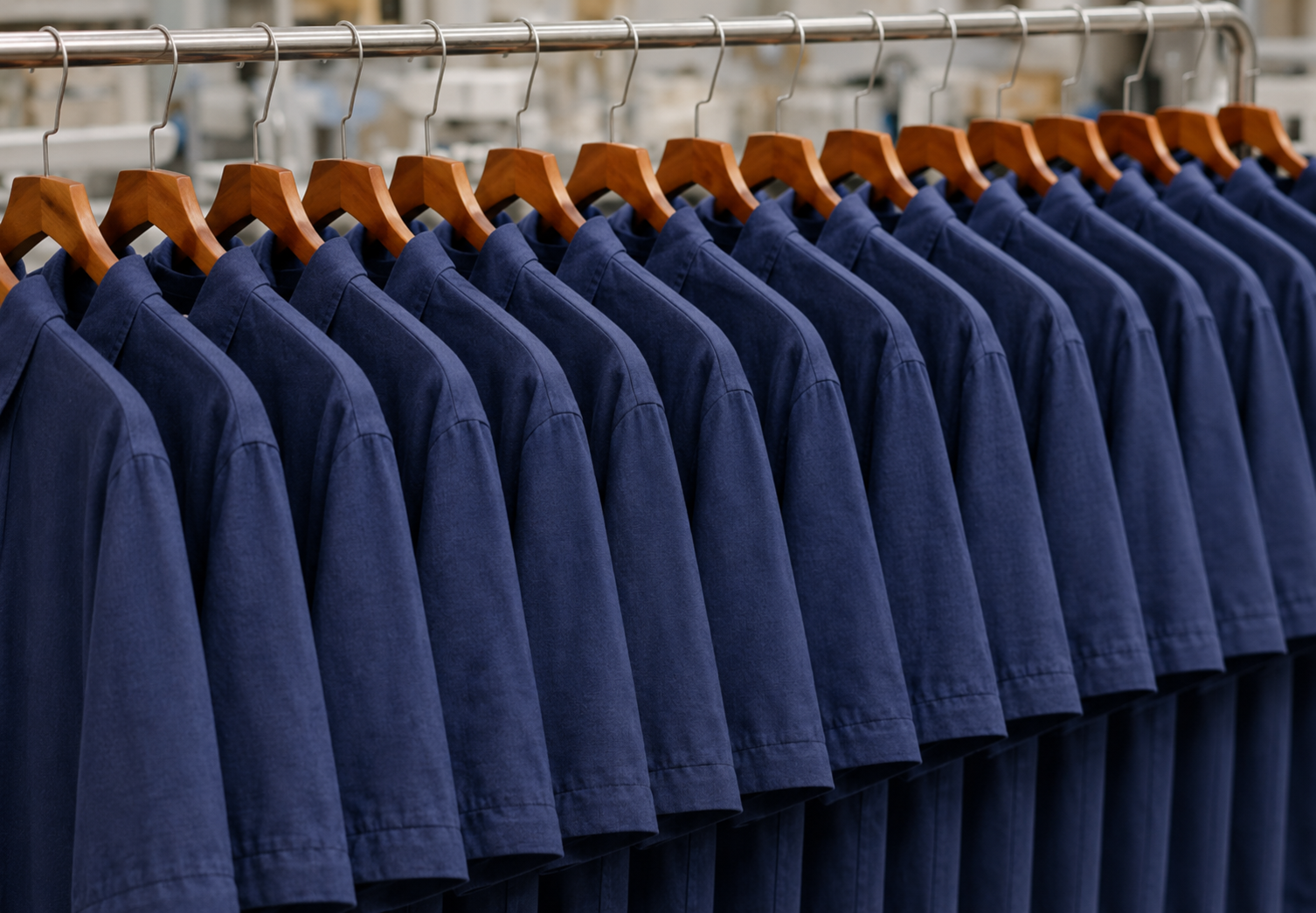
Document Every Production Checkpoint
As your private label apparel manufacturer, VeeWen keeps each program moving through approved checkpoints: sample review, material confirmation, decoration testing, pre-production approval, in-line inspection, final quality checks, packing, and shipment coordination. Clear records help protect consistency on future reorders.
- Approved sample as production reference
- In-line quality inspection
- Final checks before packing
- Branded labels and packaging coordination
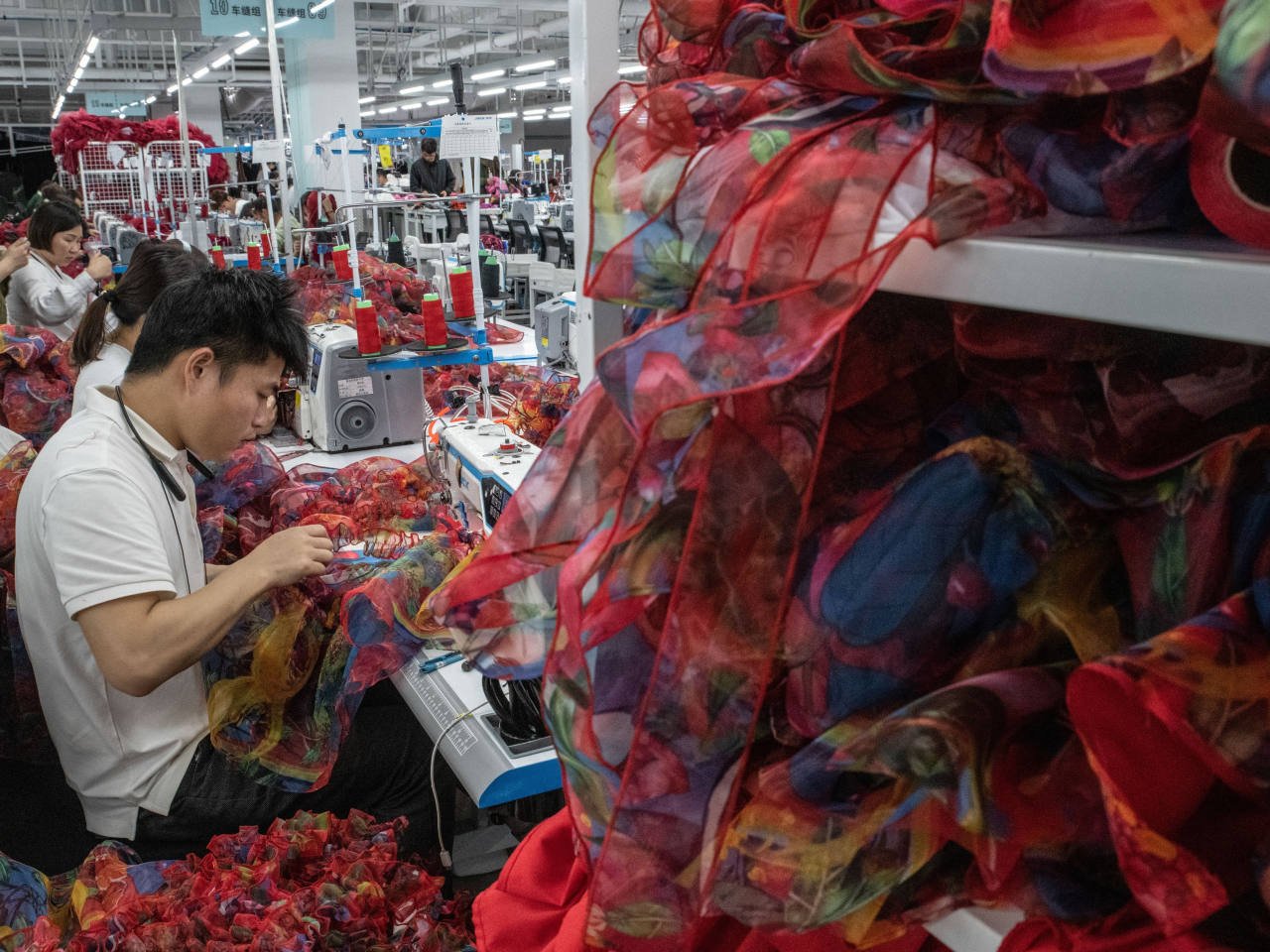
Why Choose VeeWen, Your Private Label Apparel Manufacturer?
Practical development control, clear checkpoints and 100-piece-per-style flexibility for production-ready collections.
← Swipe left or right to view →
Private Label Apparel Manufacturer Process, Made Clear
A documented, production-minded workflow for turning your approved direction into packed apparel ready for shipment.
Clarify Product Direction
Share a tech pack, sketch, reference sample or concept. We confirm fit block, measurements, fabric goals, decoration details, target price and production requirements.
Source Materials and Trims
We recommend fabrics, washes, labels and hardware suited to your garment’s structure, hand feel, end use and intended price point before sampling begins.
Develop and Review Samples
Patterns, samples and decoration tests translate specifications into a wearable product. Fit review and revision checkpoints resolve details before pre-production approval.
Confirm Bulk Production Details
Approved samples establish the bulk standard. We confirm graded measurements, color references, artwork, trims, labeling, packing details and the final production schedule.
Inspect, Pack and Coordinate Shipment
In-line inspections and final quality checks verify bulk goods against approved requirements. We then complete packing and coordinate shipment details with your designated logistics plan.
How to Start With a Private Label Apparel Manufacturer
Move from a tech pack or early concept to approved bulk goods through a clear, production-minded workflow.
Submit Your Product Direction
Send a tech pack, sketch, reference sample, inspiration image, or initial idea. Share target quantities, sizing, price expectations, and preferred fabric or finish.
Review Quote and Sample
Confirm material recommendations, construction details, decoration options, MOQ, and production scope. VeeWen develops a sample for fit, hand feel, and visual review.
Approve Production Specifications
Finalize graded measurements, colors, trims, labels, packaging, wash effects, and approved sample details. Clear specifications create a repeatable standard for your private-label collection.
Move Into Bulk Production
VeeWen coordinates bulk manufacturing, in-line inspection, final quality checks, packing, and shipment support, keeping your menswear or streetwear order aligned with approved requirements.
Documented Standards for Buyer Review

Applicable material certificates and scope documents can be reviewed against the selected fabric and production order.

GOTS-related material and chain documentation is matched to the selected program and verified for current scope before use.

Current social-compliance audit documentation can be supplied for buyer review and onboarding when applicable.
Responsible-sourcing and audit records can be reviewed with the VeeWen team for the relevant factory and order scope.

Order-specific material declarations and test documentation are reviewed for applicable REACH requirements; this neutral icon denotes documentation rather than an official REACH certification logo.
Verified Results From Private Label Apparel Manufacturer Projects
VeeWen helped us correct the shoulder drop and rib recovery during sampling. After approving the second sample, we placed a 300-piece hoodie order, and the graded fit stayed consistent across all five sizes.
We launched a 4-style streetwear capsule at the 100-piece-per-style MOQ. The team matched our heavyweight jersey target, handled woven labels and wash testing, and made our first reorder possible without revising the core spec.
Our initial cargo-pant sample had issues with pocket placement and inseam balance. VeeWen documented the revisions, delivered an approved pre-production sample, and completed our 500-piece order with packing ready for our fulfillment partner.
Private Label Apparel Manufacturer FAQ
Straight answers on MOQ, sampling, timelines, payments, shipping, revisions and confidential product development with VeeWen.
What is the MOQ for a private label apparel manufacturer?
Can a private label apparel manufacturer make samples from my sketches or reference images?
How long does private label apparel manufacturing take?
How do sample revisions work with VeeWen?
What payment terms does your private label apparel manufacturer offer?
Can you arrange international shipping for my apparel order?
How do you protect designs and private-label artwork?
Can you source fabric, labels, printing and packaging in one order?
The Complete Guide to a private label apparel manufacturer
Use this practical framework to compare supplier models, fabrics, customization, quality controls, pricing, and launch steps—so you can choose a capable production partner and avoid costly sourcing mistakes.
1. What Is a private label apparel manufacturer?
100 pieces is VeeWen’s standard MOQ per style, but private label is defined by ownership, not volume. The buyer controls the brand, product specifications, labels, packaging, and retail or wholesale sales channel; the manufacturer converts a concept, sketch, tech pack, or reference sample into branded goods rather than simply selling blanks or stock wholesale merchandise.
OEM means production to buyer-approved specifications; ODM adds supplier-led design options, while contract manufacturing may only make an already-developed garment. From concept through packed bulk goods, a capable partner can clarify construction, source materials, develop patterns and samples, test decoration, confirm pre-production details, inspect bulk output, and coordinate shipment, while final brand and product decisions remain with the buyer.
2. How Private Label Apparel Manufacturing Evolved
2010s direct-to-consumer and marketplace brands shifted demand away from large, seasonal factory orders toward frequent capsule drops, streetwear releases, and testable e-commerce assortments. A private label apparel manufacturer increasingly needed OEM sewing plus ODM development, fabric sourcing, pattern work, and branding coordination.
100-piece MOQ programs now let buyers validate a fit block or colorway before committing to a deeper reorder. Digital tech packs, measurement charts, Pantone references, 3D visuals, and photo or video sample reviews can shorten clarification cycles, but they do not replace an approved physical sample.
2020s buyers also expect traceable material choices, documented approvals, and inspection checkpoints. Assess pattern control, shrinkage testing, decoration trials, grading, packing accuracy, and communication—not only sewing capacity.
3. Types of private label apparel manufacturer
Six supplier models split responsibility differently. At VeeWen, a 100-piece MOQ can suit focused cut-and-sew launches, but the right model depends on control and complexity.
| Model | Best Use | Control | Typical MOQ | Tradeoff |
|---|---|---|---|---|
| Full-package partner | New labels | High | Often 100+ | Less specialist control |
| Cut-and-sew OEM | Custom silhouettes | Very high | Usually 100+ | More buyer coordination |
| ODM catalog supplier | Fast testing | Low | Often lower | Limited originality |
| Blank-garment decorator | Merchandise runs | Low | Low to moderate | Shared base garments |
| Sourcing agent | Multi-factory buying | Medium | Factory-dependent | Added margin and handoffs |
| Vertically integrated manufacturer | Repeatable scale | High | Often higher | Less flexible specialization |
Handoff Fit
New labels benefit from full-package partners when one team owns development through packing.
Control Tradeoff
Custom blocks require OEM or integrated production; catalog and decorator routes trade originality for speed.
MOQ Reality
Higher customization usually raises MOQ because fabric, trims, and patterns need dedicated setup.
4. Fabrics Your Private Label Apparel Manufacturer Should Offer
180–220 GSM jersey suits everyday tees; 320–450 GSM French terry or fleece adds structure for colder, premium streetwear. Match hand feel, climate, target retail price, and intended wash before approving a swatch.
| Fabric | Best Use | Buyer Consideration |
|---|---|---|
| Cotton jersey | Tees, basics | Soft; 180–220 GSM |
| Organic cotton | Premium basics | Higher cost; verify certification |
| Poly-cotton blend | Uniforms, fleece | Durable; less breathable |
| French terry/fleece | Hoodies, sweats | Loopback or brushed warmth |
| Denim | Jeans, jackets | Wash shrinkage and crocking |
| Performance polyester | Activewear, jerseys | Wicking; test colorfastness |
Specify Performance Before Sampling

3–5% shrinkage after care testing is a practical tolerance to discuss; washes can increase shade variation. Require colorfastness testing for darks and contrast trims, then lock approved fabric, GSM, and Pantone standard in the sample record.
Check Responsible Material Claims
GOTS applies to qualifying organic textile supply chains, while OEKO-TEX Standard 100 addresses harmful-substance testing. Ask a private label apparel manufacturer for current scope documents; never market a certification that the specific fabric cannot support.
5. Customization and Decoration Options
Pantone colors, custom artwork, labels, neck prints, hangtags, and polybags turn an approved garment into a recognizable private-label product. Lock these details before bulk production.
| Method | Best Fabric | Volume And Setup | Detail And Durability | Budget |
|---|---|---|---|---|
| Screen print | Cotton jersey | Best at 100+; screens | Bold; durable | Low-medium |
| DTG or DTF | Cotton or blends | Low setup; variable art | Fine detail; test adhesion | Medium |
| Embroidery | Fleece, twill | Digitizing required | Textured; very durable | Medium-high |
| Heat transfer | Polyester, blends | Fast setup | Sharp; test cracking | Medium |
| Wash finish | Cotton denim | Lab dip required | Vintage variation | Medium-high |
Brand Identity Details

Pantone approvals prevent color drift between fabric, print, and trims.
Woven labels, neck prints, hangtags, and packaging need approved artwork and placement.
Decoration And Wash Testing

Physical strike-offs are essential for multicolor prints, dense embroidery, appliqué, patches, and washes.
Wash testing confirms shrinkage, shade variation, print adhesion, and embroidery drape.
6. Construction Details That Signal Garment Quality
One approved sample should be measured, washed and rechecked before bulk approval. A private label apparel manufacturer should document the construction standard for each premium menswear, streetwear, activewear or uniform style.
Stitches And Seams
8–12 stitches per inch is a useful starting checkpoint, adjusted for fabric and seam load. Request inside-out sample photos and specify overlock, coverstitch, flatlock or taped seams.
2–3 backtacks at pocket ends, fly openings and stress points help prevent early seam failure.
Collars, Ribs And Recovery
3 wash cycles should confirm collar shape, rib recovery and dye stability before approval. Request wash-test measurements, shrinkage results and close-up photos of neck tape and rib joins.
1×1 or 2×1 rib must recover without waviness; heavy streetwear collars need adequate rib weight and clean topstitching.
Fit, Weight And Finish
Every graded size should be measured against an approved spec sheet, including shoulder, body width, rise and inseam. Ask for a size-set sample and tolerance chart before cutting bulk.
±5% GSM tolerance and post-wash measurements expose fabric-weight or shrinkage drift. Inspect loose threads, puckering, twist, shade variation, labels and packing on the final sample.
7. How to Choose a private label apparel manufacturer
Choose a private label apparel manufacturer whose proven category, order scale, and export process match your launch plan—not simply the lowest quote. Vet the sample before committing bulk funds.
| Check | Ask | Request |
|---|---|---|
| Capability | Which similar styles run now? | Factory portfolio |
| Quality | Who approves AQL checks? | QC report |
| Compliance | Which market rules apply? | Test certificates |
| Terms | When is balance due? | Proforma invoice |
Match Product And Scale
Ask for comparable menswear or streetwear work, MOQ by style and color, monthly capacity, and reorder capability.
Audit Development Control
Request a sampling timeline, measurement chart, approved-sample process, inspection checklist, and named English-speaking production contact.
Verify Commercial Readiness
Confirm destination-market compliance, export references, realistic lead times, payment milestones, and defect-resolution terms in writing.
8. Common Private Label Sourcing Mistakes
At a 100-piece MOQ, preventable specification gaps can turn a focused launch into costly rework. Before paying a deposit, convert every expectation into an approved document or sample.
Price-Only Supplier Selection
A low unit price can exclude testing, trims, wash development, or realistic freight allowances. Compare like-for-like quotations, development charges, MOQ, and payment terms.
Uncontrolled Product Specifications
Missing tech packs, measurement tolerances, and fit comments produce inconsistent bulk goods. Approve graded specs, construction details, Pantone references, and a sealed pre-production sample.
Undocumented Brand Requirements
Unclear IP ownership, labels, polybags, and inspection rules invite disputes after production starts. Document artwork rights, packaging pack-out, AQL expectations, and defect remedies before deposit.
9. Steps to Launch a Private Label Apparel Brand
A 100-piece-per-style launch becomes manageable when each approval freezes one variable before the next begins. Build the product brief around customer, price point, fit and launch date.
Brief And Cost Gate
Week 1: define positioning, SKU count, target retail price and reference images. Deliver a tech pack with measurements, Pantone colors, trims and decoration placements; approve fabric options and quotation before sampling.
Sample And Fit Gate
Round 1: review the development sample for fit, hand feel, print scale and construction. Record revisions in one dated comment sheet, then lock graded measurements, size range and approved sample to prevent scope drift.
Production And Launch Gate
Before bulk: approve the pre-production sample, packing artwork and inspection checklist. During production, confirm in-line findings, final inspection, carton marks and shipping documents; keep late changes separate for the next reorder.
10. Private Label Apparel Manufacturer Pricing and Costs
100 pieces is VeeWen’s standard MOQ; fabric weight, construction, decoration, labels, and packaging determine the ex-factory price. A 320 GSM French-terry hoodie costs more than a basic jersey tee, while wash effects and dense embroidery add labor and risk.
3 cost checkpoints—sample development, inspection, freight, and import duties—should be budgeted separately. Approved samples prevent fit and color surprises; independent final inspection protects the shipment.
30–45 days is typical for straightforward bulk production after approval. A low quote can omit shrinkage control, inspection, correct trims, or reliable packing, creating costlier downstream claims and rework.
| Quantity | Unit-price movement | Setup costs | Lead time |
|---|---|---|---|
| 100 pcs | Highest | Sampling + artwork | 30–45 days |
| 300–499 pcs | 10–20% lower | Shared | 35–50 days |
| 500+ pcs | 20–35% lower | Amortized | 40–60 days |
Start Your Private Label Apparel Manufacturer Project
Send your tech pack, sketches or reference images to VeeWen for a production-minded quote and clear next steps.