
Private Label Denim Apparel With a 100-Piece MOQ
Develop private label denim apparel with a China-based OEM/ODM partner—from fabric and wash development to approved samples, bulk production, and branded packing.
Featured Products for private label denim apparel Development


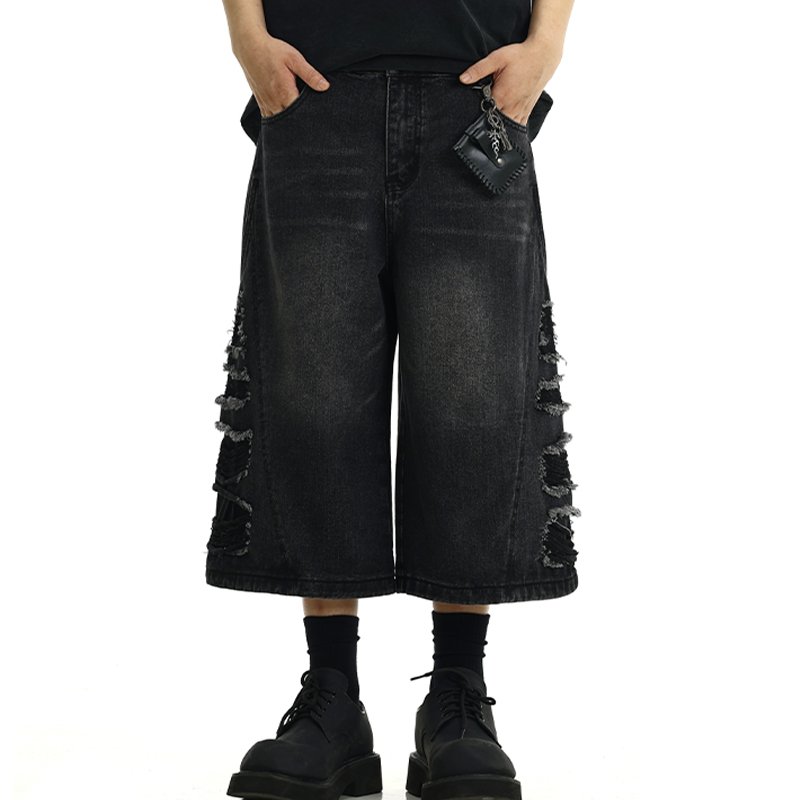


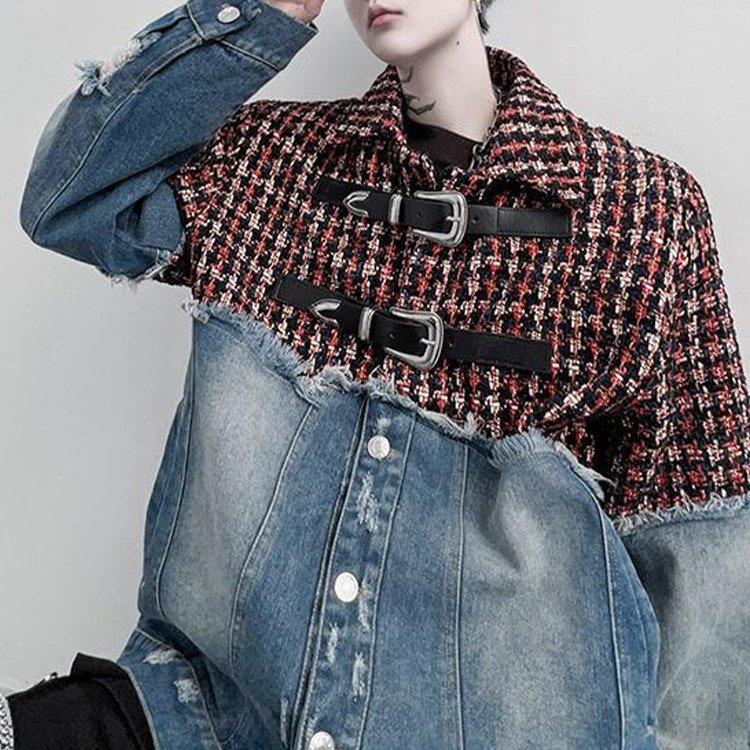

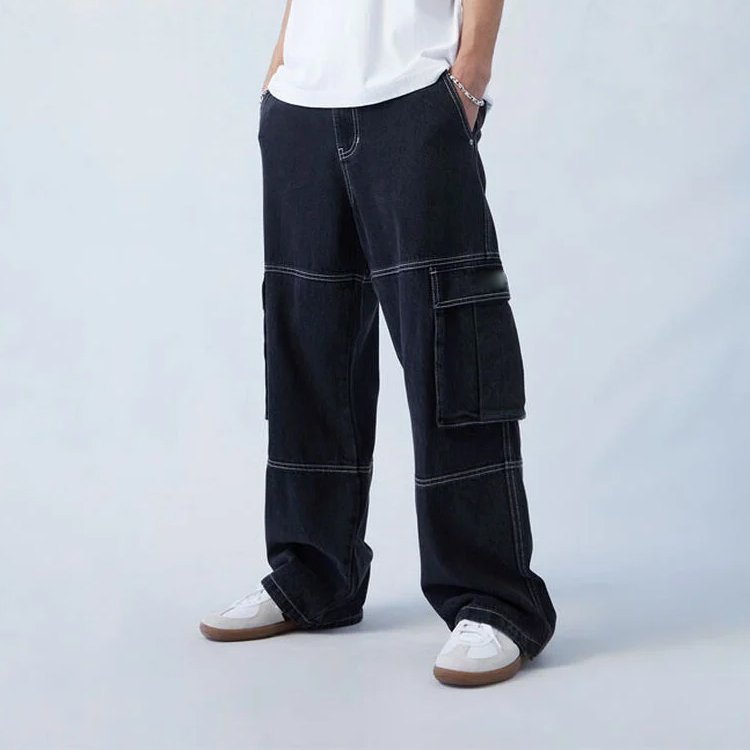


Related Denim Products and Custom Quotations



Why Brands Choose VeeWen for Private Label Denim Apparel
Production-minded development for menswear and streetwear labels, from first wash test to packed bulk goods.
100-Piece MOQ
Test a focused denim drop from 100 pieces per style while establishing approved specifications for repeat orders.
One Accountable Workflow
Move from references or tech packs through fabric sourcing, sampling, bulk production, quality checks, packing and shipment coordination.
Practical Fit Development
Refine rise, inseam, leg shape, waist measurements and graded sizing with production-ready pattern discussions.
Custom Washes and Trims
Build distinctive jeans using enzyme, stone or vintage washes, plus labels, buttons, zipper pulls, patches and packaging.
Documented Quality Checks
Confirm details through approved samples, in-line inspection and final checks before your private label denim apparel is packed.
Direct Production Communication
Work directly with VeeWen’s team in English for clear recommendations, transparent trade-offs and responsive project updates.
Explore Private Label Denim Apparel
Continue to every direct child page in this Studio architecture section.

Jeans with White Label On Back
Jeans with white label on back, made through OEM and private-label production from 100 pieces per style. Send your tech pack and request a custom quote.
Explore Category
Ariat White Label Jeans
ariat white label jeans start at a 100-piece-per-style MOQ with custom denim development, washes and private labeling. Request a tailored production quote.
Explore Category
Mens White Label Jeans
Men’s white label jeans from a 100-piece-per-style MOQ, with OEM development, denim washes and private-label trims. Send your tech pack and request a quote.
Explore CategoryPrivate Label Denim Apparel Fabrics and Supporting Materials


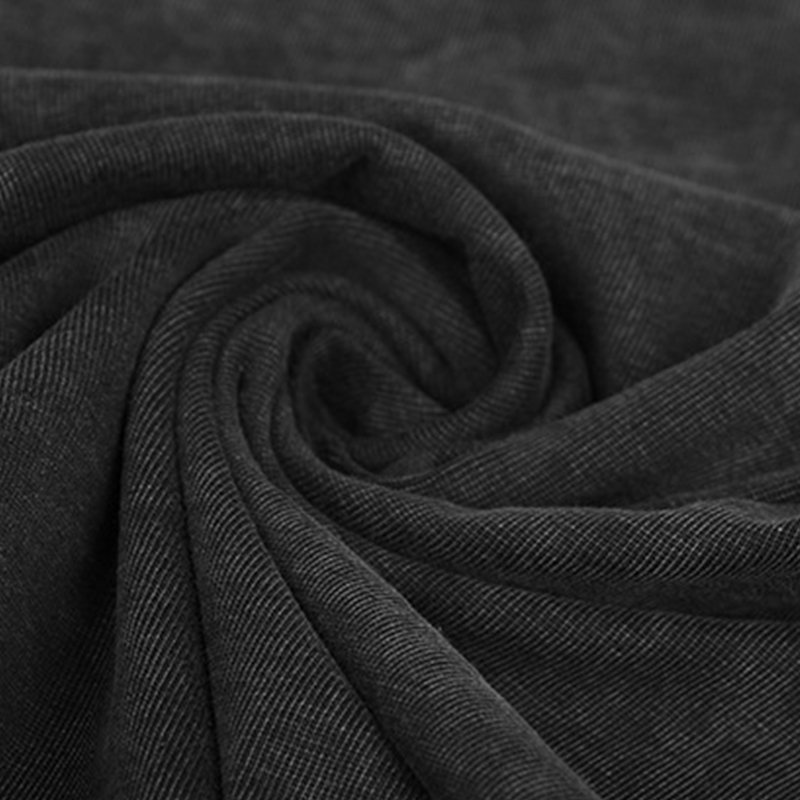

Lightweight Chambray
A breathable, softer woven option for denim-look shirts, overshirts and warm-weather sets. Usually 4–7 oz, chambray drapes more easily than denim and accepts enzyme or softening washes for a relaxed finish.

Cotton Pocketing Twill
A smooth, stable cotton twill used for pocket bags, waistbands and internal reinforcements. Its lighter weight reduces bulk inside jeans and cargos while providing reliable durability through garment washing and everyday wear.
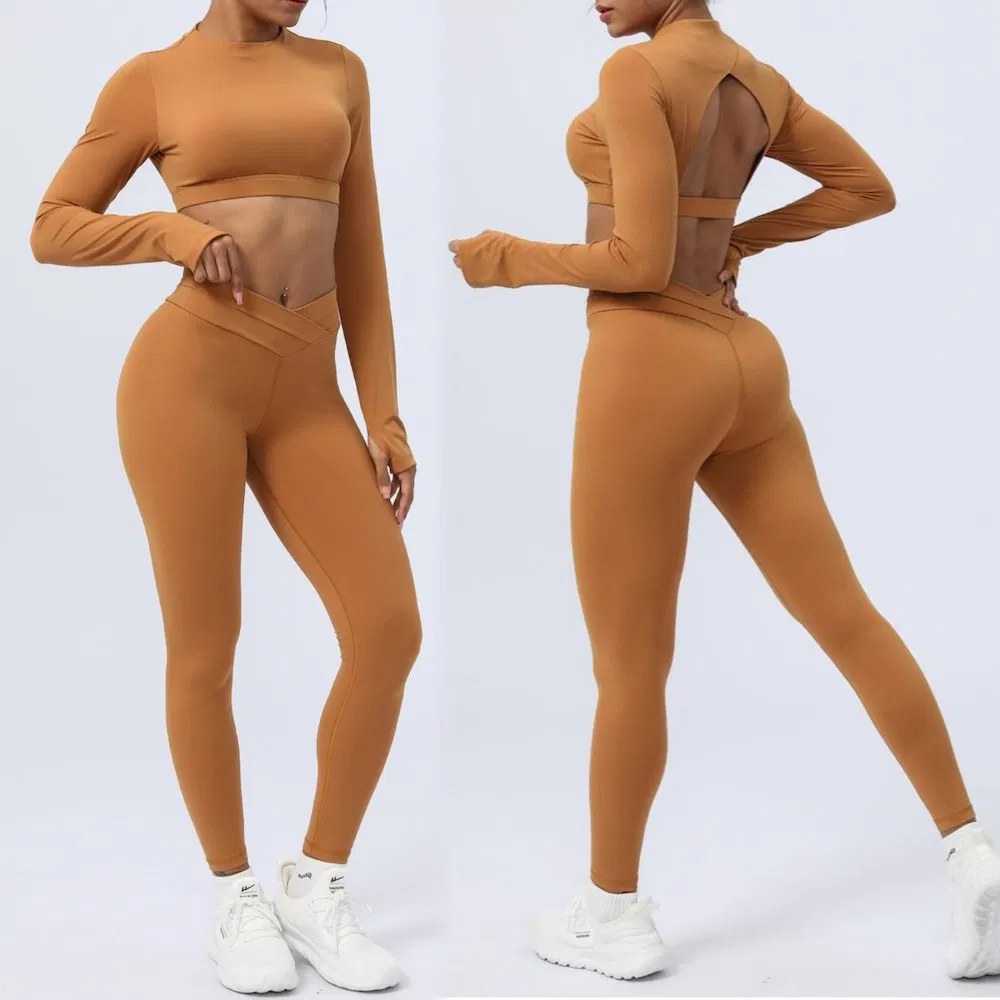
Private Label Denim Apparel: Washes, Printing and Decoration

Screen Printing
Screen printing adds bold graphics, branding and placement artwork to denim jackets, jeans and overshirts. Ink type and print size are selected for the fabric surface and wash plan, helping preserve adhesion, color impact and wear resistance.

Patch Application
Woven, embroidered, leather-look, rubber and silicone patches create recognizable private-label details on denim garments. VeeWen matches the attachment method to the patch material, garment weight and wash exposure to support a secure, durable finish.

Distressing Finishes
Controlled distressing, whiskering, fading and abrasion give denim an authentic worn-in effect. Placement is defined against the pattern and size range, since excessive treatment can weaken high-stress areas or create inconsistent results between garments.
Private Label Denim Apparel Trims, Labels and Packaging
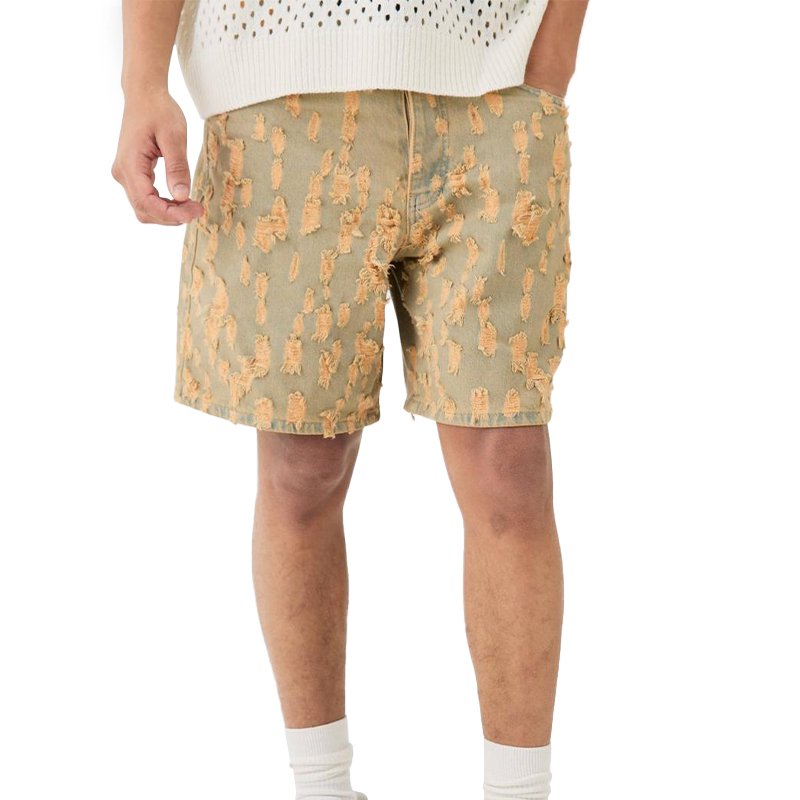

Zippers and Pulls
Select zipper tape, teeth finish, slider style and custom pulls for fly fronts, pockets and zip denim jackets. VeeWen reviews the hardware choice against garment weight, wash process and intended daily wear.

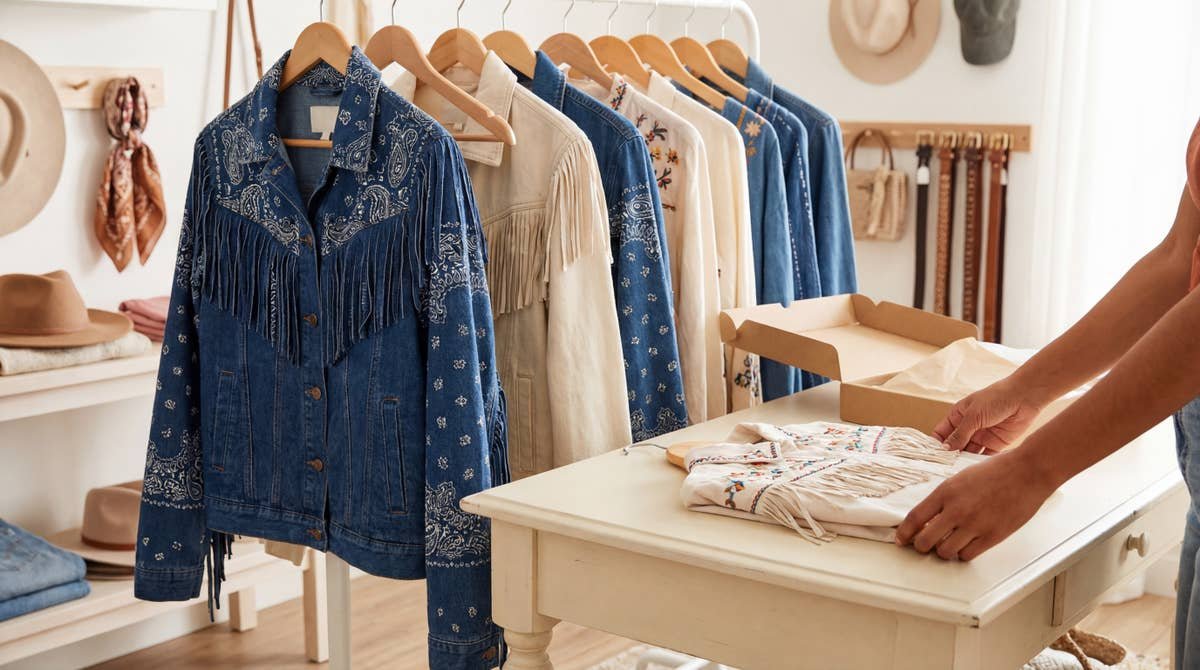
Branded Hangtags
Custom hangtags communicate sizing, material direction and brand presentation at the point of sale. Pair printed cards with string, safety pins or specialized attachments that suit premium denim, streetwear drops or wholesale-ready assortments.
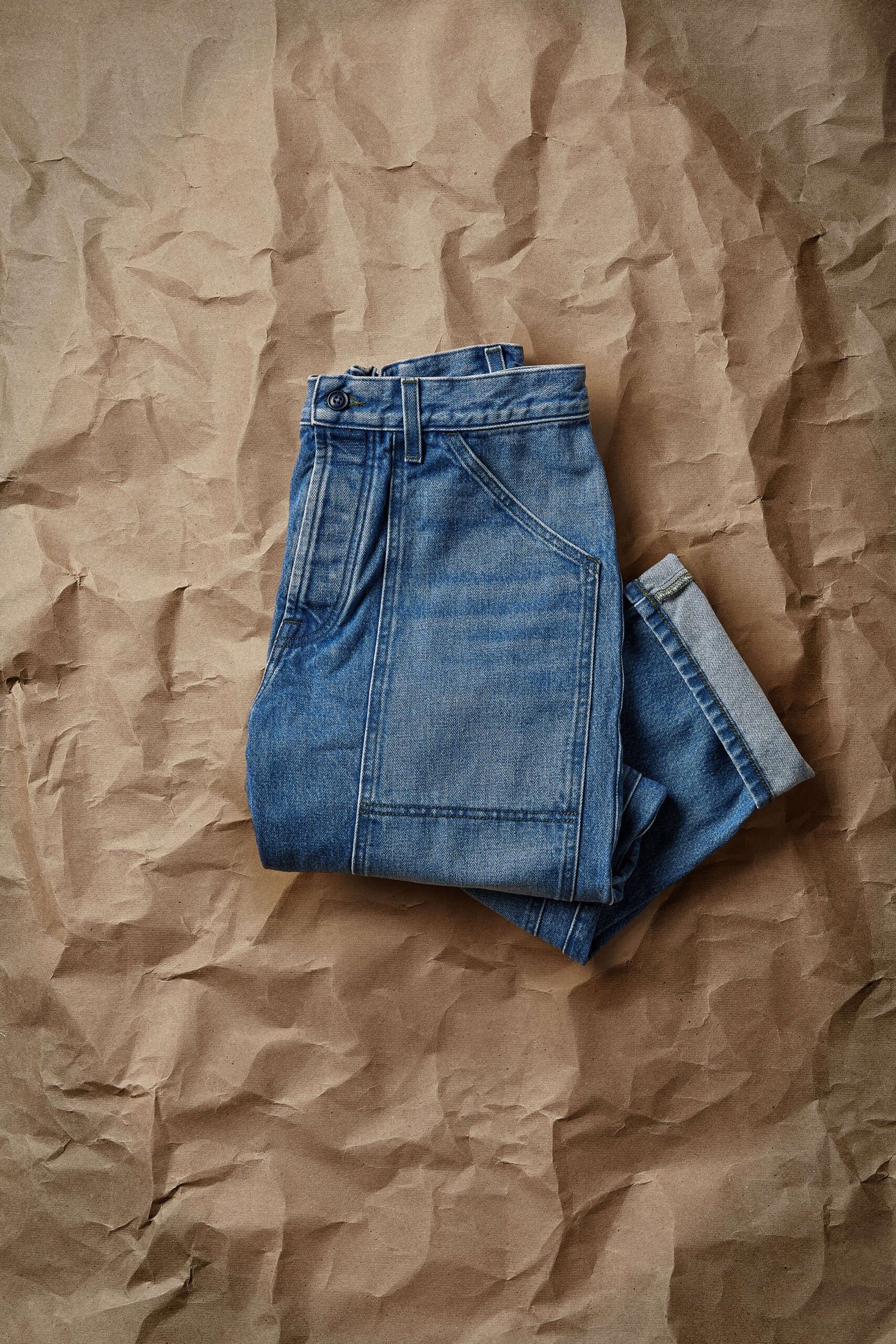

Branded Retail Packing
Custom polybags, stickers, tissue, fold cards and carton markings help keep bulk goods organized from factory to fulfillment. Coordinate packaging details with labels and hangtags for a polished, retail-ready private-label denim delivery.
About VeeWen Private Label Denim Apparel
Founded in Dongguan in 2016 by ChangKeng Luo, VeeWen was built to turn menswear and streetwear concepts into production-ready garments. We partner with global labels, e-commerce sellers, designers, retailers, wholesalers, and corporate buyers that need clear communication from first idea through packed bulk goods.
Our private label denim apparel programs combine fabric sourcing, fit and pattern development, sampling, wash testing, trims, labels, bulk manufacturing, quality checks, and packaging in one accountable workflow. With a standard 100-piece-per-style MOQ, brands can launch focused denim drops without losing control of repeatable specifications.
What distinguishes VeeWen is a practical, production-minded approach. We discuss fabric weight, wash variation, shrinkage, fit blocks, hardware, and finishing trade-offs before bulk approval, then document checkpoints around the approved sample. Alongside denim, we can support full-category collection development for men, women, and children.

Core Private Label Denim Apparel Development
Fit Blocks That Hold Shape
VeeWen converts your references, tech pack or concept into denim fit blocks with practical control over rise, seat, thigh, leg opening, inseam and graded measurements. Sample reviews resolve construction details before your private label denim apparel moves into bulk production.
- Men’s and streetwear-focused fit development
- Pattern revisions based on sample feedback
- Grading specifications for consistent size runs
- Cut-and-sew construction details documented

Fabric and Wash Selection
Choose denim by weight, fiber blend, stretch, hand feel and intended silhouette, then match it to a wash direction. We explain how enzyme, stone, acid or vintage effects can influence shrinkage, shade variation, drape and the final fit.
- Fabric recommendations for target price and use
- Stretch and recovery assessed for the fit block
- Wash tests reviewed before production approval
- Shade and shrinkage expectations clarified
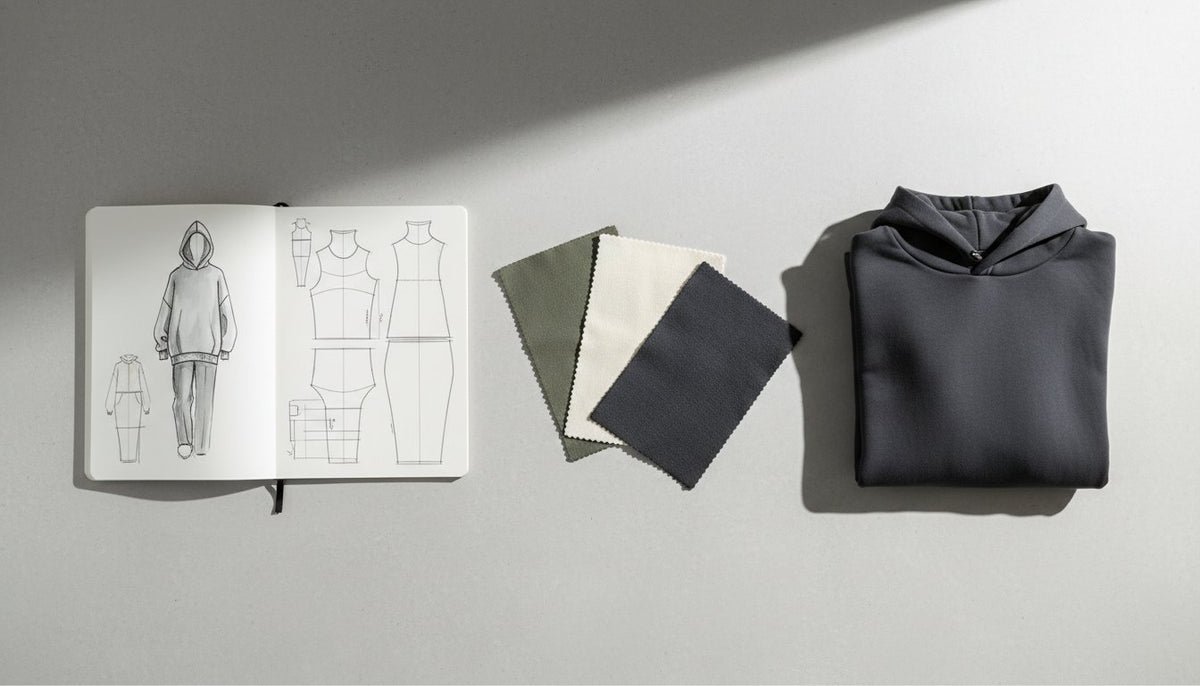
Private Label Details Built In
Denim programs are finished with the brand identifiers buyers need for a retail-ready collection. VeeWen coordinates labels, hangtags, hardware, patches, embroidery, printing and packaging so each component is reviewed against the approved garment and brand direction.
- Woven, care and size label coordination
- Custom buttons, rivets, zipper pulls and patches
- Embroidery and print placement testing
- Polybags and hangtags prepared for fulfillment

Bulk Approval With Checkpoints
Before bulk production, VeeWen confirms the approved sample, specifications, wash standard and finishing details. In-line inspection and final quality checks help keep private label denim apparel aligned with the signed-off reference, packing requirements and shipment plan.
- Pre-production confirmation before bulk cutting
- In-line checks for construction and wash consistency
- Final inspection against approved specifications
- Packing details verified before shipment coordination
Why VeeWen Leads in Private Label Denim Apparel
Compare a production-minded denim partner with common supplier gaps.
← Swipe left or right to view →
Private Label Denim Apparel Production Process
A documented workflow that takes your approved denim direction through sourcing, wash development, bulk production, quality checks, packing and shipment coordination.
Review Specs and Sourcing
We review your tech pack, reference sample or concept, then align fit block, denim weight, fiber blend, trims, target price and 100-piece-per-style MOQ.
Develop Samples and Washes
Patterns, samples and wash or decoration trials are developed for fit review, including shrinkage, shade variation, distressing placement, embroidery density and print performance.
Confirm Pre-Production Details
After sample approval, we document graded measurements, approved fabric and wash standard, labels, hardware, packaging details and production checkpoints before bulk work begins.
Cut, Sew and Finish
Production moves through controlled cutting and sewing, followed by specified garment washes, printing or embroidery, with practical monitoring of construction, measurements and appearance.
Inspect, Pack and Coordinate
Finished private label denim apparel receives final quality checks, then is packed with your labels and polybags while VeeWen coordinates shipment-ready documentation and handoff.
How to Start Your Private Label Denim Apparel Project
Move from reference to packed bulk goods with one production-minded partner and a 100-piece-per-style MOQ.
Send Your Product Brief
Share a tech pack, sketch, reference sample, inspiration images, or initial idea. Specify your target fit, fabric weight, wash direction, sizing, quantity, and delivery market.
Confirm Quote and Sample
Review material recommendations, construction details, decoration options, pricing, and production considerations. VeeWen develops a sample so you can assess fit, hand feel, wash effect, and branding.
Approve Production Details
Finalize the pre-production sample, graded measurements, denim wash, trims, labels, packaging, and quality expectations. Approved specifications create a clear reference for repeatable bulk manufacturing.
Launch Bulk Manufacturing
VeeWen coordinates fabric sourcing, cut-and-sew production, in-line inspection, final quality checks, packing, and shipment coordination, keeping your private label denim apparel program moving transparently.
Documented Standards for Buyer Review

Applicable material certificates and scope documents can be reviewed against the selected fabric and production order.

GOTS-related material and chain documentation is matched to the selected program and verified for current scope before use.

Current social-compliance audit documentation can be supplied for buyer review and onboarding when applicable.
Responsible-sourcing and audit records can be reviewed with the VeeWen team for the relevant factory and order scope.

Order-specific material declarations and test documentation are reviewed for applicable REACH requirements; this neutral icon denotes documentation rather than an official REACH certification logo.
Verified Results for Private Label Denim Apparel
Verified buyer feedback and documented denim project results will be added here only after VeeWen receives customer approval and supporting production details for publication.
This testimonial card is reserved for an approved buyer case covering denim development, sampling, bulk production, or private-label packaging with confirmed outcomes and customer permission.
Documented customer feedback will be published after VeeWen verifies the buyer, project scope, and approved results, keeping private label denim apparel claims accurate and traceable.
Private Label Denim Apparel FAQ
Clear answers on minimums, development, production, shipping and repeat orders for denim programs with VeeWen.
What is the MOQ for private label denim apparel?
Can you make a private label denim apparel sample before bulk production?
How long does private label denim apparel production take?
How do denim washes affect color and fit consistency?
What payment terms are available for a custom denim order?
Can VeeWen arrange international shipping for denim apparel?
How do you protect my private label denim apparel designs and brand details?
Can I reorder the same denim style later?
Complete Buyer’s Guide to private label denim apparel
Use this decision framework to select denim products, fabrics, customization options, quality standards, and reliable China suppliers—while avoiding costly sampling, MOQ, fit, pricing, and production mistakes.
1. What Is Private Label Denim Apparel?
100-piece runs make private label denim apparel practical for a focused launch: the buyer owns the name, design direction, labels, packaging and retail positioning, while the factory develops and produces approved garments.
Blank wholesale means reselling unbranded stock; white label usually applies your branding to an existing factory style. OEM follows your specifications, whereas ODM adds factory-led design, fabric, wash and construction recommendations.
2016-founded VeeWen supports this model from reference images or tech packs through patterns, samples, wash testing, branded trims and packed bulk goods. It suits emerging labels, retailers, teams and e-commerce sellers needing differentiated denim without building their own production operation.
2. Evolution of Private Label Denim Apparel
1873 marked the patenting of riveted waist overalls, fixing denim’s reputation as hard-wearing workwear before jeans became a youth, fashion and streetwear uniform.
1950s film, music and later skate culture turned fades, fit and damage into identity signals; denim was no longer judged only by durability. That shift made wash recipes, silhouette and trim choices central to branded product development.
100-piece MOQ programs now let direct-to-consumer labels test a focused private label denim apparel drop without committing to broad inventory. Buyers should specify wash targets, recycled or organic cotton options, expected shade variation and story-led details early, because laser effects, distressing and complex hardware can affect cost, consistency and production timing.
3. Types of Private Label Denim Apparel
Seven core categories cover most private label denim apparel launch needs. At VeeWen’s 100-piece-per-style MOQ, start with one hero silhouette and one supporting layer rather than a broad assortment.
| Category | Common Fits | Buyer Segment | Season |
|---|---|---|---|
| Jeans | Straight, relaxed, baggy | Menswear, streetwear | Year-round |
| Jackets | Trucker, oversized | Streetwear, retail | Spring-fall |
| Shirts | Western, overshirt | Unisex, workwear | Spring-fall |
| Shorts | Loose, carpenter | Youth, e-commerce | Summer |
| Skirts | Mini, midi | Womenswear | Spring-summer |
| Overalls | Relaxed, utility | Workwear, youth | Transitional |
| Sets | Boxy, coordinated | Fashion labels | Spring-fall |
Jeans And Jackets
2 reliable anchors are jeans and jackets: straight, relaxed, baggy, trucker, and oversized fits serve menswear and streetwear across most seasons.
1 first drop should limit washes to one or two, because each wash needs separate shade approval.
Shirts, Shorts, And Skirts
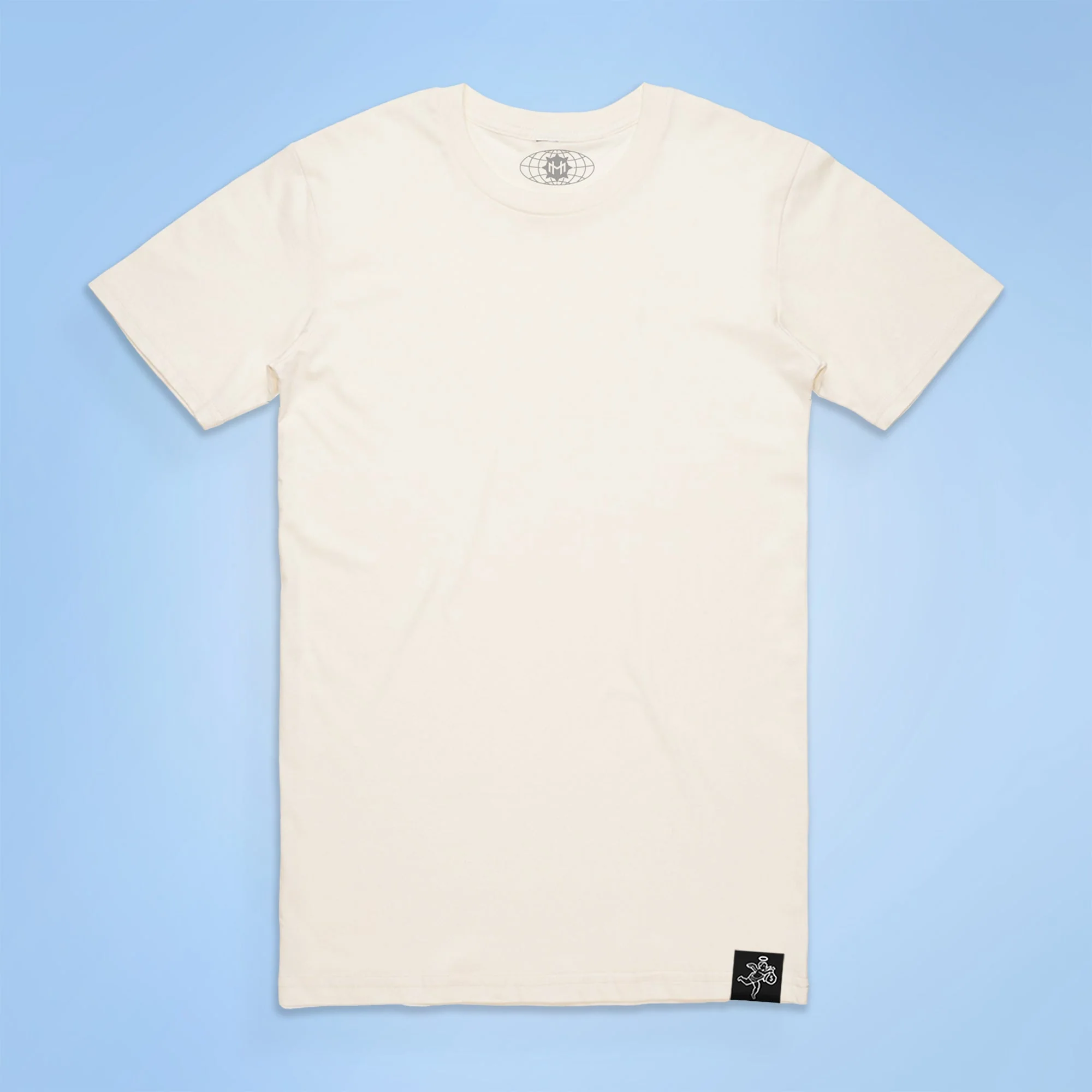
3 lighter options suit spring and summer: western or overshirts target unisex customers, while shorts and skirts add warm-weather breadth.
1 shared fabric and wash can create a coordinated capsule without multiplying development risk.
Overalls And Denim Sets

2 statement formats—overalls and matching sets—fit fashion-led, workwear, and youth segments.
1 initial set should use proven blocks; extra pockets, hardware, and contrast washes add approval points.
4. Private Label Denim Apparel Materials
Denim choice starts with ounce weight and fiber blend: 8–10 oz suits shirts, while 12–16 oz gives jeans structure. Specify weave and wash target before sampling, because indigo loss, shrinkage, and stretch recovery vary by construction.
| Material | Weight | Key Characteristics | Best Applications |
|---|---|---|---|
| Rigid cotton | 12–16 oz | Twill structure; strong fades | Jeans, jackets |
| Stretch cotton blend | 10–14 oz | Comfort; verify recovery | Slim jeans, skirts |
| Recycled/organic cotton | 10–14 oz | Material story; assess strength | Core denim |
| Tencel blend | 8–12 oz | Soft, drapey wash response | Shirts, relaxed pants |
| Selvedge cotton | 13–18 oz | Dense woven edge; premium fading | Heritage jeans |
Select By End Use

Rigid 100% cotton denim offers crisp structure, durable abrasion performance, and the most visible fading. Stretch blends improve seated comfort; test recovery after washing to avoid bagged knees.
Source Responsible Fibers

Recycled or organic cotton can support a defined material story, but fiber length may affect surface character and strength. Tencel blends add softness and drape, making them useful for lightweight denim shirts and relaxed silhouettes.
5. Customizing Private Label Denim Apparel
A 100-piece initial run works best when silhouette and branding are specified before sampling. VeeWen can develop from a tech pack or references, but added treatments need approval against fit, wash, and target price.
| Choice | Approve Early | Commercial Effect |
|---|---|---|
| Fit block | Before pattern | Controls repeatability |
| Wash and distressing | Before PP sample | Adds variation and time |
| Hardware and packaging | Before bulk booking | Adds cost and brand impact |
Lock The Fit Block
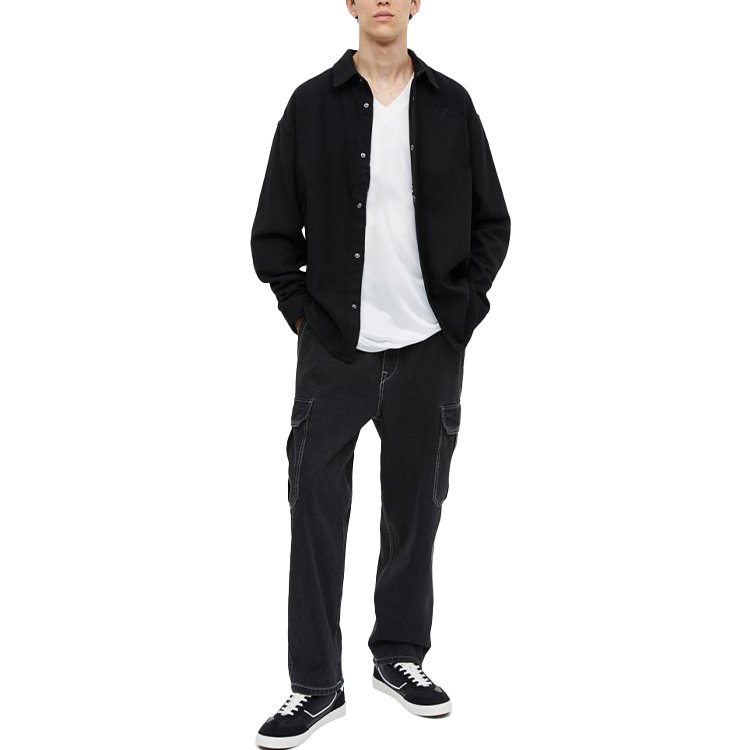
One approved fit block should define rise, leg opening, inseam, waist grading, and pocket placement.
Approved graded measurements prevent a recognizable oversized or straight fit from shifting across sizes.
Approve Washes Early
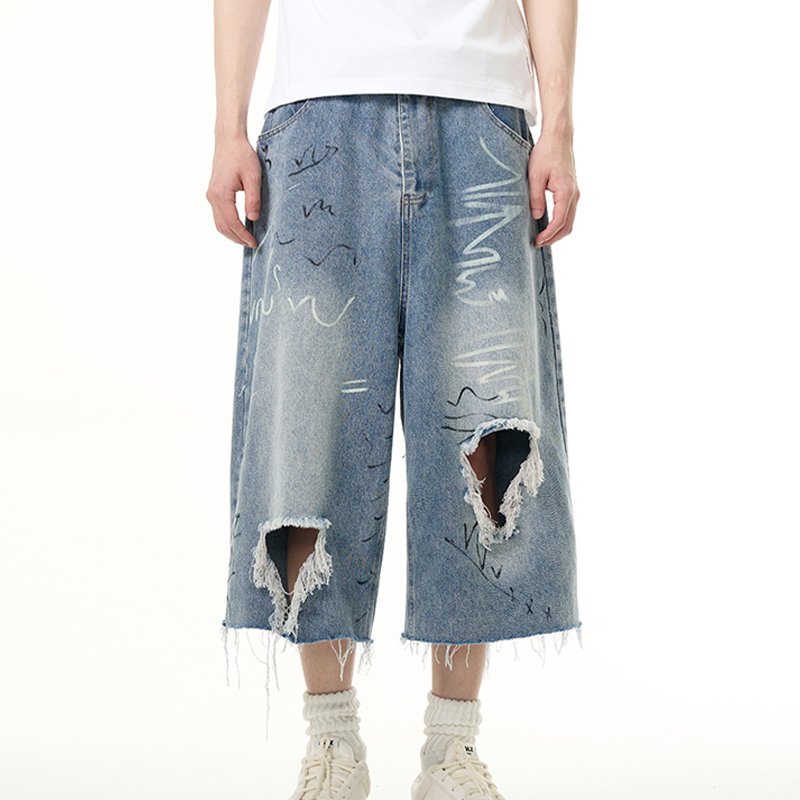
Two wash submissions are often useful when choosing enzyme fading, acid wash, or controlled distressing.
Pantone color, abrasion placement, and shade tolerance need approval before bulk because washing changes shrinkage and lead time.
Build Wearable Branding

One focal branding detail—embroidered patch, print, or leather-style label—usually reads better than competing placements.
Custom hardware, woven labels, zipper pulls, hangtags, and branded packaging add recognition, cost, and coordination time.
6. Key Denim Construction Quality Elements
Reliable denim quality is visible in repeatable measurements, secure stress points, and controlled wash results. For private label denim apparel, approve documented checks before bulk cutting—not after packing.
Fabric And Shrinkage

100% of roll lots should be checked for holes, shade variation, width, and weight.
Two wash-and-dry tests should confirm shrinkage before patterns are finalized.
Seams And Hardware

8–10 stitches per inch is a practical baseline for durable denim seams.
Bartacks at pocket corners, fly ends, and belt loops need visual approval; zippers and buttons must cycle repeatedly without binding.
Approval Evidence
One sealed pre-production sample should confirm pocket placement, inseam, wash shade, and graded measurements.
A pre-shipment report should list measurement tolerances, defect counts, wash consistency, hardware function, and carton quantities.
7. How to Choose a Denim Manufacturer
A capable supplier proves denim control through samples and records, not a broad catalog. For private label denim apparel, evaluate the complete development-to-export handoff.
Verify Denim Development
Ask for two recent fit samples, graded measurement sheets, and pattern-revision history. A 100-piece MOQ can suit a focused launch, but confirm it applies per style, wash, and color.
Audit Wash And Quality
Request wash test records covering shrinkage, shade variation, abrasion, and trim damage. Ask which wash house runs enzyme, stone, or acid effects and how approvals are matched to bulk.
Confirm Delivery Support
Obtain a dated critical path from sample approval through packing, inspection, and export documents. Ask who owns in-line checks, final AQL reporting, freight coordination, and English-language production updates.
8. Common Private Label Denim Apparel Mistakes
Most denim sourcing losses begin before bulk cutting: unclear approvals compound across fabric, wash, fit, and cost. Lock measurable decisions before a 100-piece production run.
Specify The Product
1 tech pack should define fabric composition, GSM, measurements, stitch details, trims, and wash reference. Prevent rework by approving a dated spec sheet and graded size chart.
Control Wash And Fit
5–10% shrinkage and shade variation can follow washing, especially across indigo lots. Prevent surprises by measuring washed samples, checking multiple panels, and approving the intended size after wash.
Protect The Budget
2 quotes can look similar while excluding revisions, testing, upgraded hardware, or complex wash handling. Prevent margin erosion by comparing like-for-like specifications and reserving a revision allowance before bulk approval.
9. Steps to Launch Your Denim Brand
A 100-piece-per-style launch works best when decisions are locked in sequence. Give VeeWen a target customer, price point, channel, reference images, and required delivery date before development begins.
Define The Product Brief
One clear brief specifies silhouette, size range, fabric weight, wash reference, colors, branding, and target ex-factory cost. A tech pack or annotated sample prevents assumptions before pattern work.
Approve Samples And Bulk
One fit sample should confirm graded measurements, shrinkage allowance, hardware, wash shade, and label placement. After written approval, confirm quantity, size-color breakdown, packaging, deposit, and production schedule.
Control Delivery And Learn
During bulk, use approved samples for in-line and final checks on measurements, wash consistency, stitching, and packing. After shipment, compare returns, sell-through, and customer fit feedback before reordering or revising the next private label denim apparel drop.
10. Private Label Denim Apparel Pricing & Cost
100 pieces is VeeWen’s standard starting MOQ; the ranges below are indicative for approved private label denim apparel specifications, not guaranteed quotes.
12–16 oz denim, multi-stage washes, custom metal hardware, woven labels, and retail-ready packaging raise cost; larger runs spread development and setup costs.
| Order quantity | Indicative unit price | Sample cost | Bulk lead time | Typical specification |
|---|---|---|---|---|
| 1 development sample | $80–$180 | Included as quoted | 10–20 days | Fit sample; wash and trim testing |
| 100–299 pieces | $22–$45 | $80–$180 | 25–40 days | Basic jeans or jacket; standard wash |
| 300–999 pieces | $18–$38 | Credited only by agreement | 30–45 days | Custom labels; moderate wash work |
| 1,000+ pieces | $15–$32 | Quoted separately | 35–55 days | Volume program; complex trims or packaging |
Start Your Private Label Denim Apparel Project
Send your tech pack, sketch, reference sample, or concept to VeeWen and begin sampling with a 100-piece-per-style MOQ.